
Welcome to Modern Agriculture!

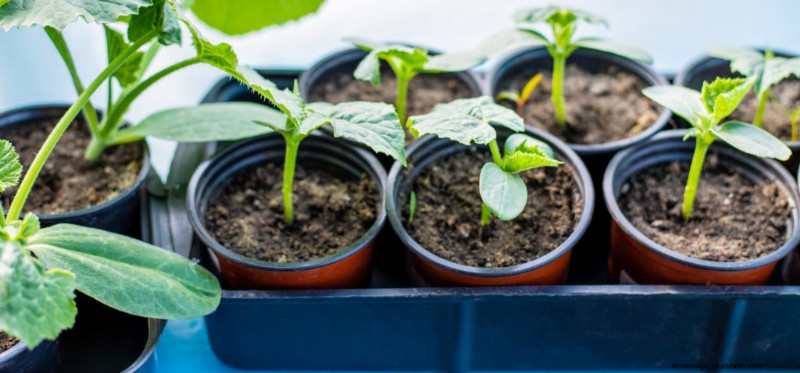
Before growing cucumbers for the first time, I’d heard that they were finicky, fragile little seedlings. Like with many of their cousins in the cucurbit family, there’s this assumption that they don’t enjoy being moved, transplanted or their roots being messed with. As someone who starts 80% of their vegetables indoors, let me tell you – this is not true!
Cucumber seedlings transplant well if they’re given enough nourishment and their roots are minimally disturbed. You can achieve this by starting the seeds in peat pots, DIY newspaper cups or any other biodegradable material. However, regular containers work just as well if you don’t tease the roots.
I’ve never lost a cucumber plant to transplant shock, mainly because I always harden them off properly. This doesn’t mean that I haven’t made a ton of other mistakes – sowing them too late, planting them too close together, or failing to guide the vines up a trellis before they got too large.
But today, we’re here to cover mainly how to start and transplant cucumber seedlings correctly. Don’t worry – there’s not much you can do wrong!
The best containers to start cucumber seedlings in are 2.5 to 3-inch nursery pots with plenty of drainage holes. Cucumbers grow into large seedlings, and since they will be spending about 3 weeks in our growing setup, it’s best to give them plenty of space.
I like to purchase square plastic pots on the larger side – since these are versatile with other seedlings like peppers or squash, not to mention reusable. I like them square instead of round because I can fit them more neatly in my 1020 watering trays. Don’t worry, getting your seedlings out of plastic containers won’t harm them if you’re gentle.
But, for your peace of mind, you can also start your cucumber seedlings in biodegradable DIY newspaper cups, or peat cups. A word of warning, though – after a couple of weeks of watering your peat cups from below, they will start to develop mold, and there’s not much you can do about it. Peat cups are also not as biodegradable as they’re advertised – they take a longer time to break down than paper. What I like to do is rip out the bottom part to allow the roots to spread out.
Now that you have proper-sized containers, it’s time to sow those seeds:
Just in case not all seeds germinate, we want to sow 2 to 3 seeds in each pot. Sometimes, all three seeds will germinate, in which case you’ll want to snip one of the seedlings and leave two. You can plant out cucumber seedlings in pairs and they will do well, or you can thin each pot to one seedling and allow the plant to grow bigger.
In theory, you can start cucumbers any time between March and June, but it really depends on your climate. Cucumbers are hot weather plants, so instead of watching the calendar, you should keep a close eye on weather and soil temperature. Only move the seedlings outside when the nights are in the 60° F (16° C) range, days in the high 70° F (21° C), and soil temperature is about 70° F (21° C).
Start cucumber seedlings for growing outdoors at least 2-3 weeks after the last frost, depending on your area – for me in zone 6, it’s late May. If you intend to grow your cucumbers in a greenhouse or polytunnel, you can start them earlier – mid to late April.
You can plant cucumber seeds in succession – every 2 to 4 weeks – to get an extended harvest. In a temperate climate, you can make two sowings of cucumbers, and if your summers are long, you can probably even push a 3rd crop in there. For me, a second sowing in early June is all I can manage if I want my cucumbers to get to maturity.
Cucumbers can keep growing inside your pots for up to 6 weeks, but you don’t want them getting too large, or they’ll go past their prime.
The optimum time to transplant cucumber seedlings is when they’re about 3 weeks old. By three weeks from germination, cucumber seedlings should have:
Allow for at least 5 days of hardening off, when you’ll be gradually exposing the cucumber seedlings to the elements. Keep them in the shade for the first couple of days, and then slowly expose them to sunlight, so that they don’t get sunscalded when you move them into the ground too soon.
After a few days of hardening off, I like to leave my cucumber seedlings overnight in a cold frame, so that they get accustomed to night temperatures as well.
So all this means that when your cucumber seedlings are about 2 weeks old, you should think about moving them outside for a couple of hours each day.
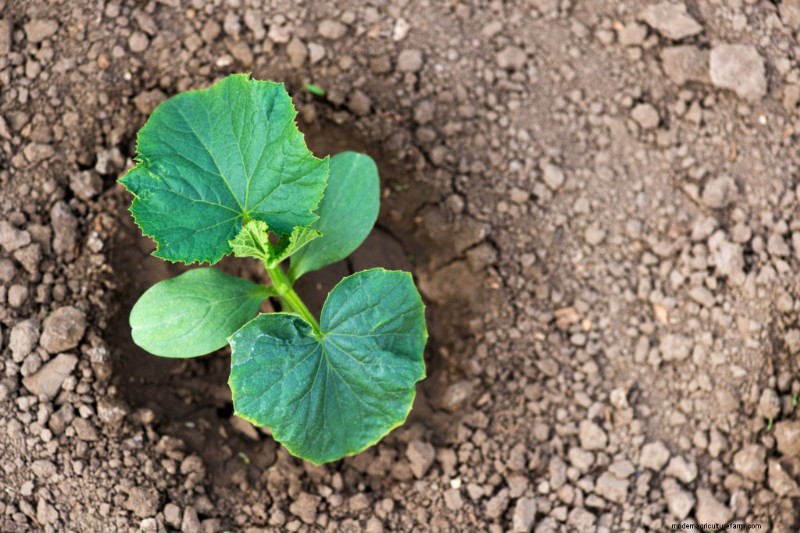
The final day has arrived! Time to get those cucumber seedlings outside – and to ensure your success, here are a few things to keep in mind:
Transplanting cucumbers should be just as easy as transplanting anything else in your garden. Don’t get intimidated by rumors that they don’t transplant well. Sowing them directly in the ground, while easy, could lead to patchy germination and rodents eating your seeds before they get a chance to grow.
I’m a big proponent of transplanting both for efficiency and abundance. It’s easier than you think!

