
Welcome to Modern Agriculture!

Just because your yard, porch, or plot of land is permanently sitting in dappled shade, it doesn’t mean you have to give up on gardening or providing your family with homegrown goodness. Plenty of vegetables are perfectly capable of growing in partial shade. You’d be surprised at just what you CAN grow!
How much shade? That’s the first question to address. There are two types of shade: full and partial. Full shade refers to a piece of land that receives less than 4 hours of direct sunlight during a 24-hour period. Usually, this means that there’s a structure — natural or otherwise — that’s blocking sunlight for a portion of the day.
Partial shade, on the other hand, refers to an area that gets direct sunlight for between 4 and 6 hours per day. Full sun, which is desirable for many fruiting crops (e.g., tomatoes, eggplant, peppers) is more than 6 hours of direct sunlight.
Thankfully, many plants prefer partial shade, especially during the height of the summer months when the heat can be unbearable.
Adjust your expectations when growing in partial shade areas. Plants that prefer full sunlight hours will grow slower in shady locations. Even plants that tolerate shade may have slower growth rates than if they were grown in bright sunny spots.
I used to have a garden that received very few hours of full sunlight per day. My plants might receive at most 5 or 6 hours of direct sun. Exposure would mostly be in the morning which was excellent for growing greens since a break from the hot afternoon sun was welcome. When I moved and began gardening on the land where I live today, I quickly noticed a difference in the growth rate of my crops.
My plants were suddenly bursting forth with lush foliage. Carrots had frilly green foliage, tomato plants grew seemingly overnight, and seedlings sprouted incredibly fast. What had changed? It was, of course, the sun. I went from a garden space with an average of 4 hours of bright daylight exposure to an area where the sun shone brightly nearly all day long from sun up to sun down.
Whether you’re gardening in partial shade or full sun, you’ll meet different challenges. In the sun, you may deal with leaf burn, premature bolting, and rapid moisture loss. In shady areas, you may encounter slower growth, excess moisture, and unexpected cool spots.
Regardless, you can indeed grow vegetables in a spot with partial sunshine. Here are a few suggestions.
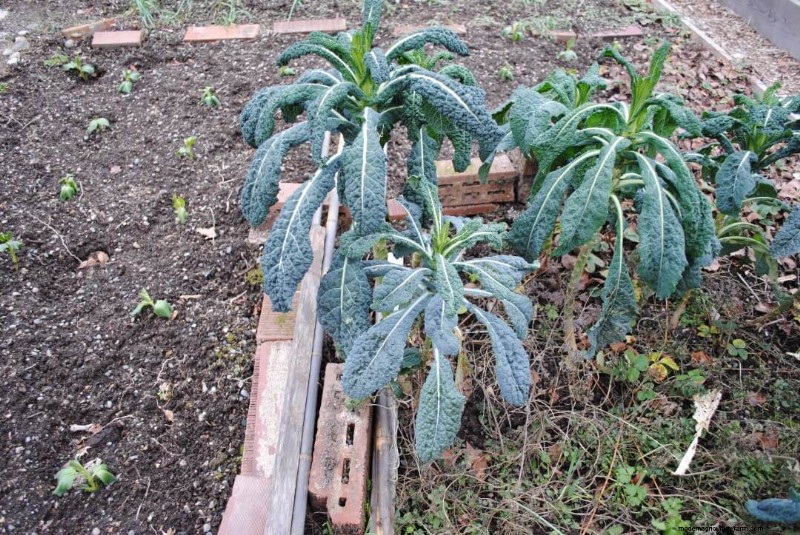
Every garden should be growing kale. It’s nutritious, tasty, and handles a range of temperatures with ease. While it prefers full sun, it’s perfectly capable of leafing out in partial shade. This plant requires fertile soil with a loamy consistency. Water regularly, but don’t overdo it and drown your kale. Suitable for all zones.
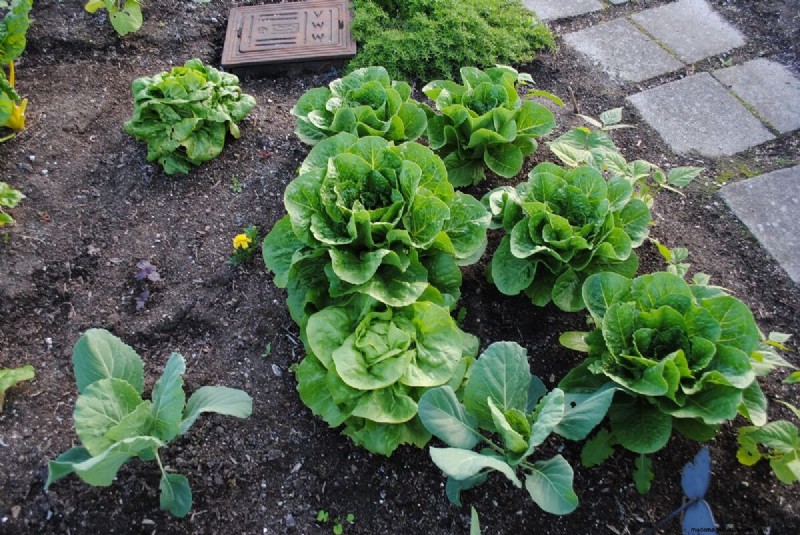
Avoid paying for overpriced gourmet lettuce at the supermarket and grow your own. Lettuce thrives in cool weather and does better in the shade, especially when temperatures start to rise. Full sun can increase the chances of premature bolting, so choosing a semi-shaded spot is ideal for summer lettuce.
Lettuce is shallow-rooted, so it doesn’t require a deep pot or planting area, but it does like loamy soil. Soil should be consistently moist. Drought may cause lettuce to bolt early. Lettuce grows best in zones 4 to 9.
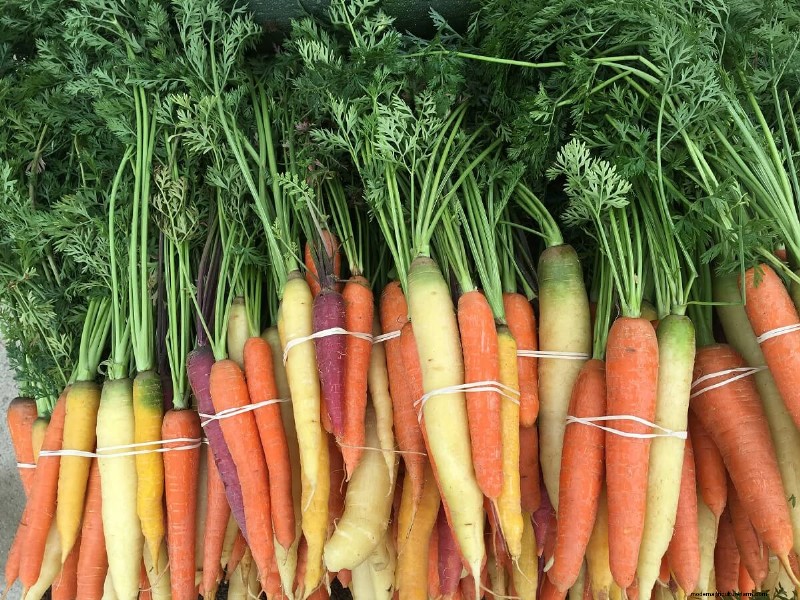
Carrots never taste better than when they’re pulled straight out of the earth. I love root crops because you never quite know what’s hiding beneath the soil. While carrots grow quickest in full sun, they’ll do fine in partial shade — just adjust your expectations.
Days to maturity in partial shade will be different than what’s mentioned on the seed packet. Grow carrots in sandy soil with a neutral pH, and avoid soil that’s rocky and full of debris. Water evenly to prevent craggy growth. Carrots are suitable for zones 3 to 10.
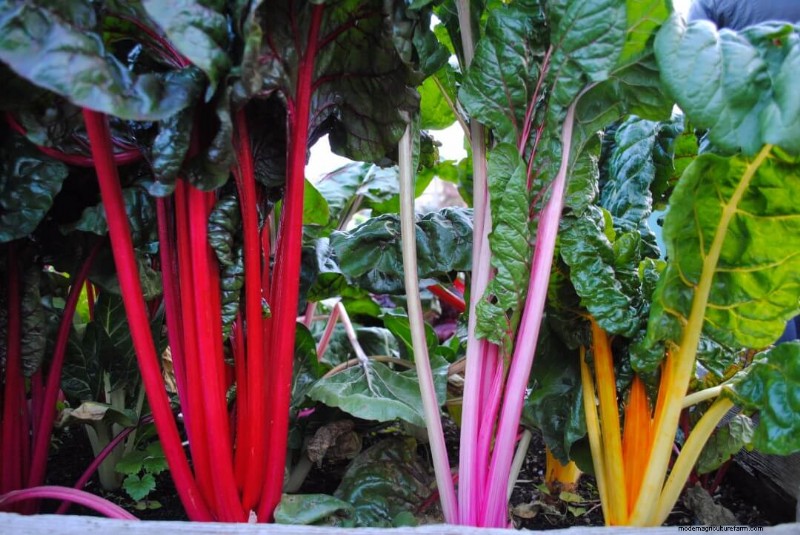
Like kale, chard has staying power in the garden. Choose varieties with colored stalks to add interest and dimension to your garden plot. Plant this leafy green vegetable in fertile soil and mulch to conserve moisture. Chard will grow well in either full sun or partial shade. It’s suitable for zones 3 to 10.
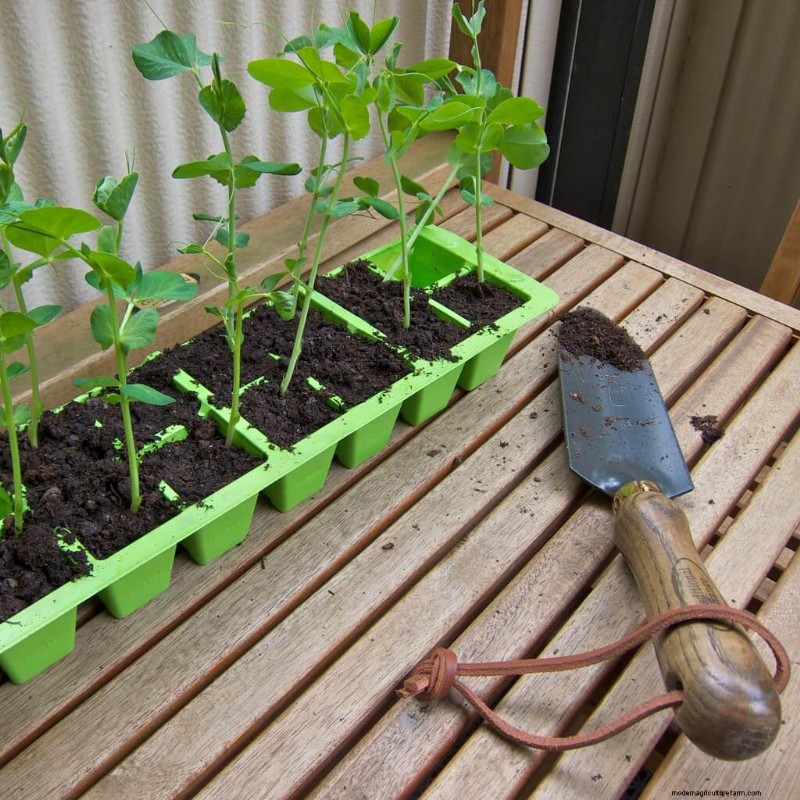
Peas are one of the first spring veggies to be sown in many gardens, and they grow in full sun or partial shade. Plant in soil that’s been amended with compost and water occasionally. Peas grow in zones 2 to 9.
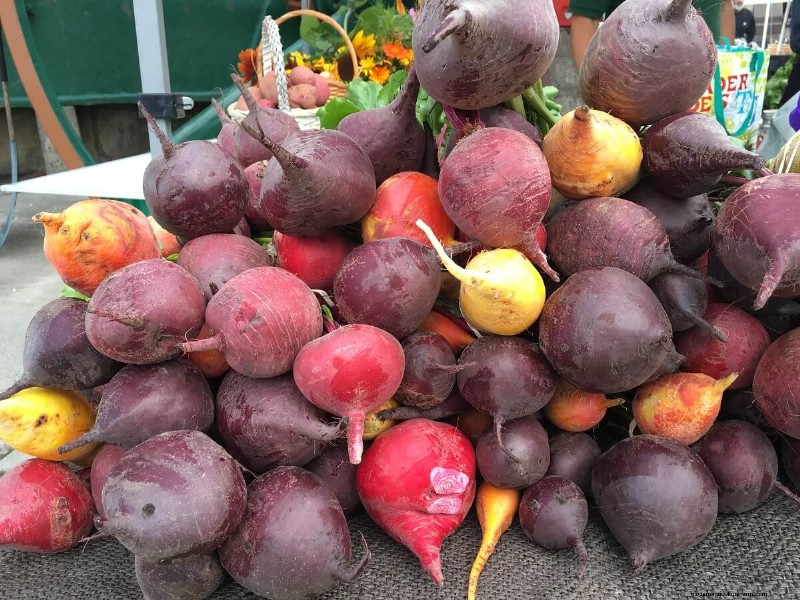
An underrated root crop, beets grow well even with fewer hours exposed to full sun. Harvest the whole beet, but don’t forget to use the leaves — they’re also edible and incredibly nutritious.
You’ll experience slightly slower growth rates in the shade, but roots will indeed form just the same. Choose a spot with fertile, sandy soil, and water regularly since beets need lots of moisture to grow. They grow well in a range of zones from 2 to 10.
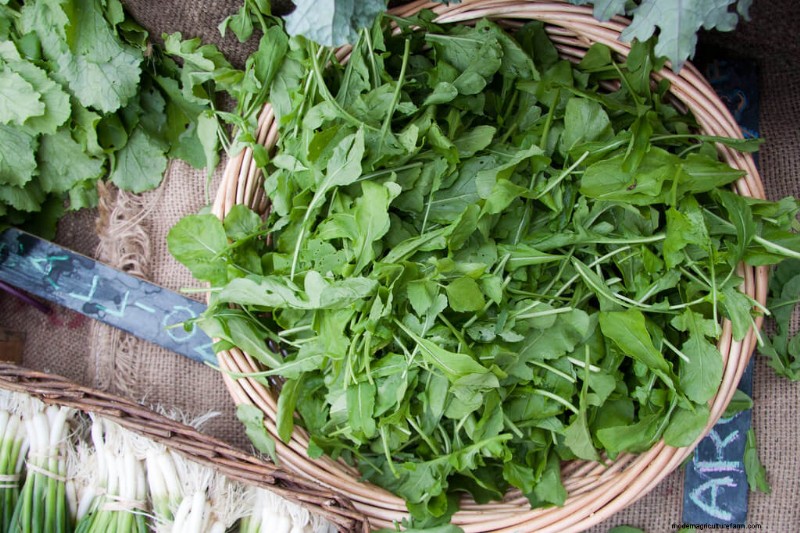
For salad greens that are almost effortless to grow, choose arugula. The spicy leaves grow rapidly, even in the shade. Too much sun contributes to early bolting in hot weather. Arugula tolerates nearly any type of soil but requires frequent watering to maintain even moisture levels. Grow this zingy salad green in zones 3 to 11.
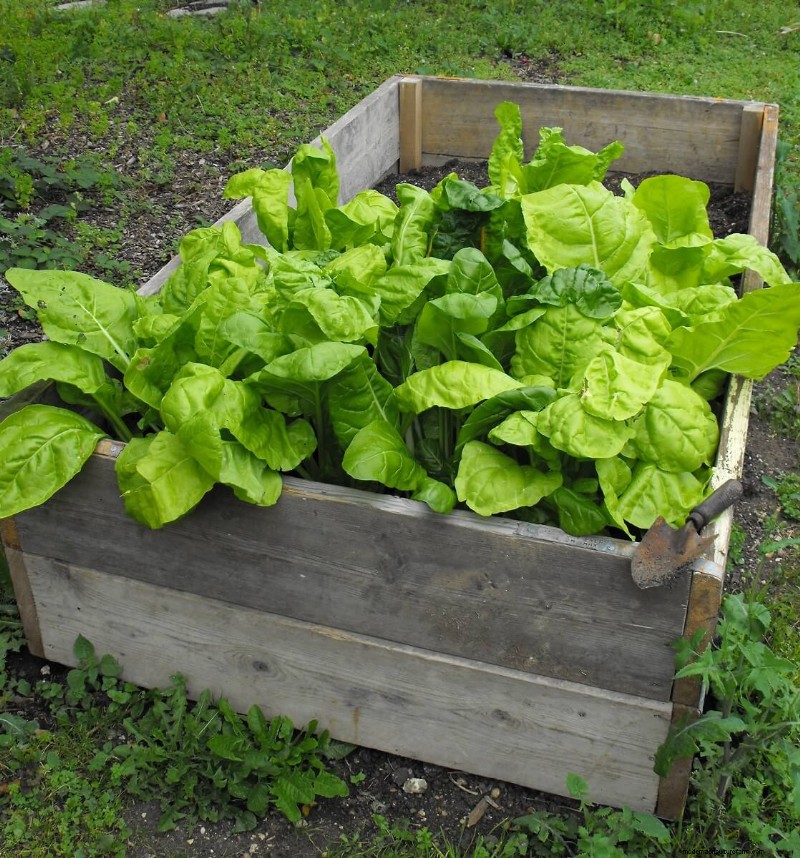
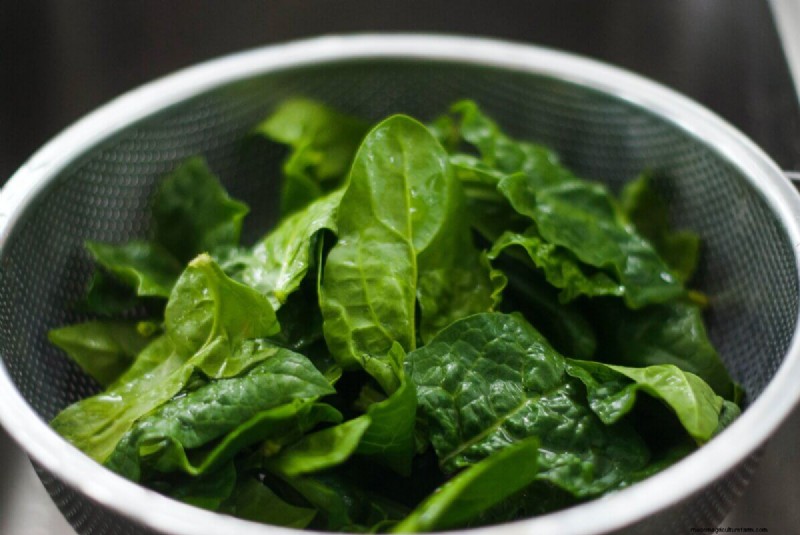
Exposure to full sun will often slow spinach growth to a crawl and encourage super-premature bolting. This cool season vegetable grows best in loamy soil with a neutral pH. It enjoys a bit of shade, especially when it begins to heat up outside. Water consistently and avoid letting the soil dry out. Grow spinach in zones 2 to 9.
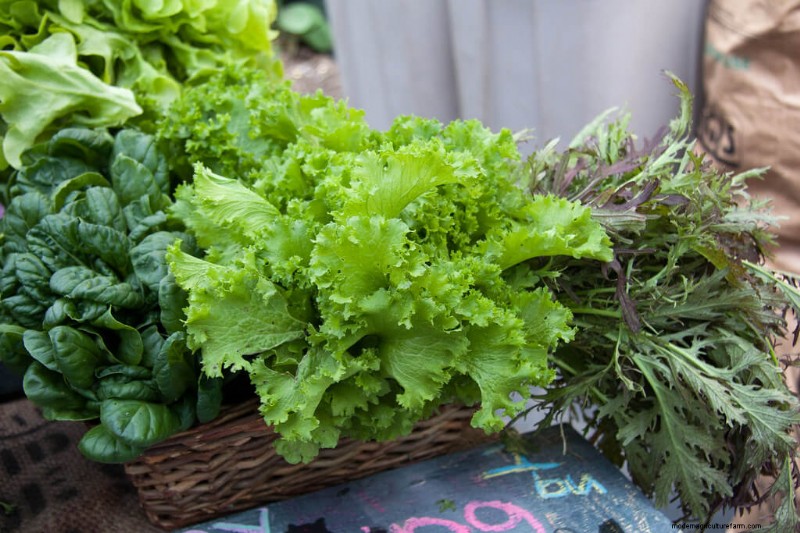
A lesser-known cool weather green that’s an excellent addition to salads and stir-fry, mustard greens are nutrient dense and grow just fine in partial shade. Grow them in nearly any zone, but in zones 7 plus, a bit of protection will keep your mustard plants alive all year round. Regular watering is necessary to prevent bolting. Many varieties tend to go to seed when the weather heats up.
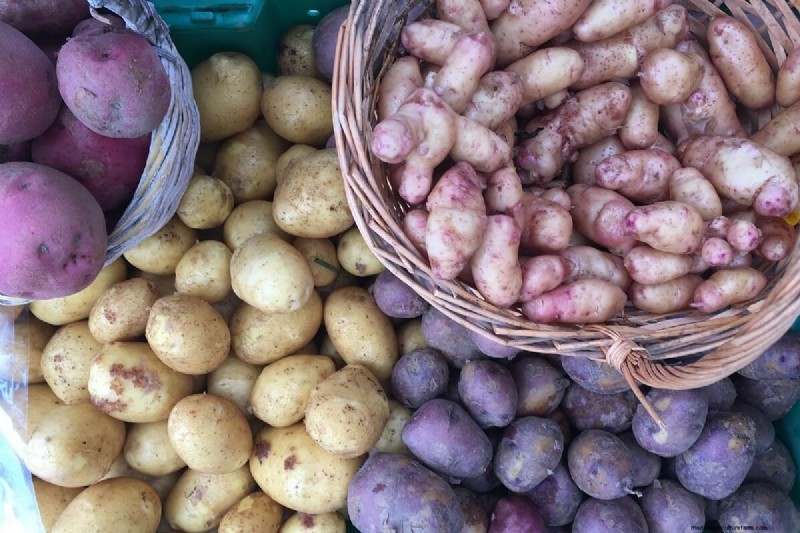
While full sun is recommended for growing potatoes, I’ve successfully harvested tubers after a season of growing in partial shade. Grow taters in acidic, sandy soil, and ensure they receive regular watering. Potatoes do best in zones 1 to 7. For warmer climates, sweet potatoes are a worthy alternative.
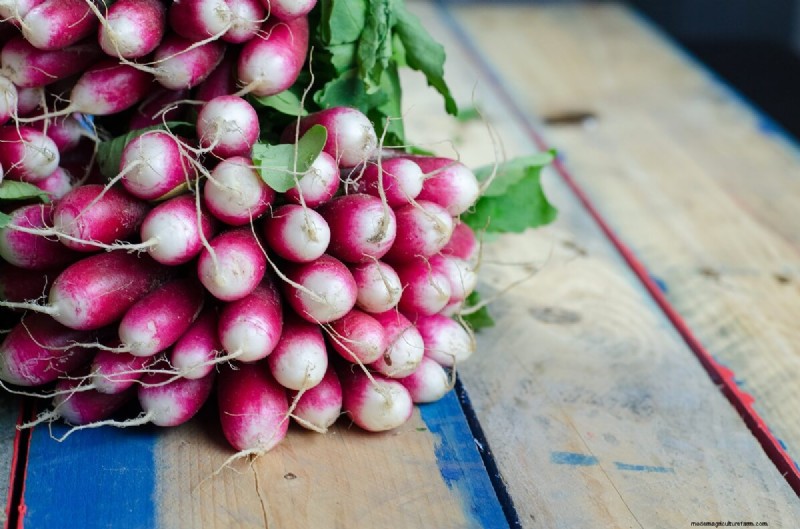
Radishes are one of the fastest growing vegetable crops. In the shade, they’ll grow a little slower, but they’ll grow all the same. Add them to salads or pickle them as a side dish for an Asian-style dinner. Plant in loose, fertile soil with a neutral pH, and don’t forget to water this thirsty root crop. Grow radishes in zones 2 to 10.
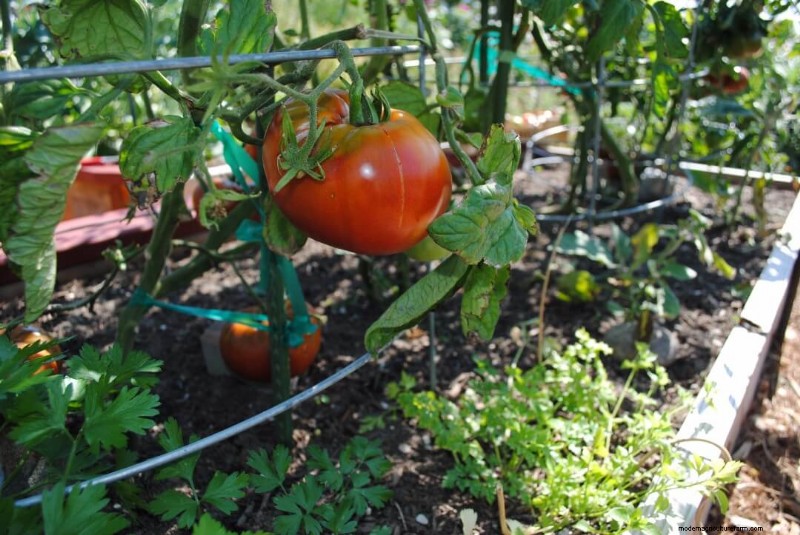
You didn’t think you’d find tomatoes on this list, did you? While tomatoes are definitely tailor-made for basking in the sun, they will grow in partial shade. I have successfully grown tomato plants in very shady conditions. The caveat? They grow very slowly and don’t produce as much fruit.
The key is to transplant relatively large seedlings into the ground. If you start tomatoes indoors, start them earlier than usual when you’re transplanting to a shady area. Water tomatoes frequently without drowning the roots. Steady watering is essential to prevent cracking of fruit. Tomatoes prefer acidic soil and are suitable for zones 2 to 11.


