
Welcome to Modern Agriculture!

Welcome to the ultimate guide to lotus cultivation, where we delve into everything you need to know about propagating, planting, growing, and caring for these exquisite water garden plants. Whether you’re a seasoned aquatic gardener or just starting, this comprehensive resource covers it all, from lotus pond setup to bloom enhancement and winterizing techniques.
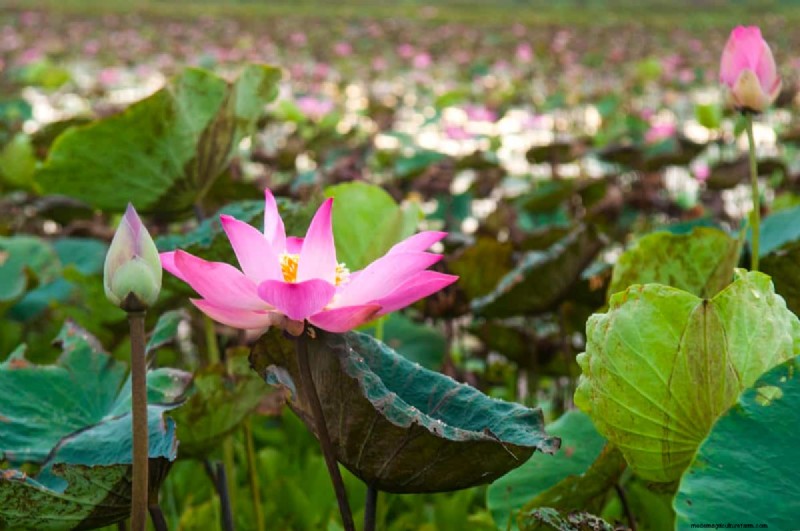
Discover invaluable tips on fertilizing, pest control, disease management, and maximizing sunlight exposure for optimal growth. Dive into sustainable practices and container gardening options, and even explore the potential for profitable lotus cultivation.
Lotus is a perennial aquatic plant in the Nelumbonaceae family, known for its large, round leaves and colorful flowers. Its cultivation has been practiced for thousands of years and is revered by various cultures for its beauty, symbolism, and medicinal properties. Lotus seeds and roots are edible and nutritious and can be grown in ponds, containers, or indoors with proper care.
Lotus is more than just a pretty plant. It has a deep cultural, spiritual significance for many people around the world. Lotus is often associated with purity, enlightenment, rebirth, and wisdom. This is because lotus grows from the muddy bottom of the water and emerges as a clean and beautiful flower. Lotus is also a symbol of the sun, as it opens in the morning and closes at night.
There are numerous lotus varieties available in the market, each with unique characteristics such as size, color, shape, and blooming time. Some popular lotus varieties include dwarf lotus, bowl lotus, medium lotus, and large lotus. Dwarf lotus grow up to 1 foot tall and have 2 to 4-inch-wide flowers, ideal for small ponds or containers.
Bowl lotus grow up to 2 feet tall and have 4 to 6-inch-wide flowers, suitable for medium-sized containers or ponds. Medium lotus grow up to 3 feet tall and have 6 to 8-inch-wide flowers, ideal for large ponds or lakes. Large lotus grow up to 5 feet tall and have 8 to 12-inch-wide flowers, ideal for spacious ponds or lakes. When choosing a lotus variety, consider factors such as the size of your pond or container, the climate of your area, and your taste and style.
To grow a lotus plant in your garden, you need essential equipment and supplies. A pond or container should be at least 18 inches deep and have a surface area of at least 2 square feet per plant. A pot or basket should be made of plastic or metal mesh to allow water circulation and prevent soil erosion. A healthy lotus tuber with nodes or eyes on purchased from nurseries or online stores.
In case you missed it: Bolting Management in Plants: Prevention for Premature Flowers and Seeding in Crops and Vegetables
A soil mix rich in organic, such as compost, peat moss, or manure, should be used, as lotus plants prefer sandy or loamy soils. Fertilizers should be low in nitrogen and high in phosphorus and potassium, as lotus plants need more for blooming. Slow-release fertilizers formulated for aquatic plants, such as 10-26-10 or 5-10-5, or organic fertilizers like bone meal, fish emulsion, or seaweed extract, can be used.
Seeds: Growing lotus plants from seeds can be an exciting and rewarding process. Here are some key steps to follow To grow Lotus seeds, create a small hole in the hard shell with a drill bit for water absorption and germination. Soak the seeds in water for 24 – 48 hours to soften the seed.
Fill a container with loam soil and aquatic plant fertilizer, plant seeds 1 inch deep and cover lightly. Place the container in a warm, well-lit area with a consistent temperature and water depth. Lotus seeds take 2 to 4 weeks to germinate, and after a few aerial leaves, fertilize them with an aquatic plant fertilizer.
Division: Dividing lotus plants is another common method of propagation. Here’s how to do it:
Deep water method: In regions with mild winters, you can leave the lotus plants in the pond and lower them to a deeper section where the water is less likely to freeze completely. This will provide some insulation and protection for the plants.
Tropical lotus method: In colder regions, you can treat lotus plants as tropical plants and remove them from the pond before the first frost. Trim the foliage and place the tubers in a container filled with water. Store the container in a cool, dark place with a temperature of 50-60°F (10-15°C). Check the tubers periodically for any rot or drying out.
Tuber storage method: Another option is to carefully dig up the tubers and store them in a container filled with peat moss. Store the container in a cool, dark place with a temperature between 35-45°F (2-7°C). Check the tubers regularly for any signs of rot or drying out.
In case you missed it: How to Make Flowers Bloom Faster: Naturally, Overnight, at Home, and in Water with Fertilizers
The specific overwintering techniques may vary depending on your climate and the severity of winter conditions. It’s important to consider the average winter temperatures and the hardiness of your lotus plant varieties. Consulting with local gardening experts or experienced lotus growers in your area can provide insights into the best overwintering practices for your specific region.
Yellowing Leaves: Yellowing leaves sign of nutrient deficiency, improper water conditions, or pest infestation. Ensure that your lotus plants receive adequate sunlight, proper fertilization, and appropriate water depth and quality. Address any nutrient deficiencies or pest issues promptly.
Rotting Tubers: Rotting tubers can occur due to excessive moisture or poor drainage. Make sure your lotus plants are not sitting in waterlogged soil or containers. Improve drainage by using a well-draining soil mix and providing proper water depth.
Other Concerns: Other concerns may include pests, such as aphids or snails, and diseases like fungal infections. Monitor your lotus plants regularly for any signs of pests or diseases. Implement appropriate organic or chemical control methods if necessary. Proper sanitation, hygiene practices, such as removing dead foliage and debris, can also help prevent issues.
Lotus seeds are ready for harvest when the pods turn brown and dry out. Cut them from the plant, place them in a dry, well-ventilated area, and gently break them open to collect the seeds. Store the seeds in a dry place until they’re ready for propagation or culinary use. This process may take a few weeks.
In case you missed it: How to Increase Flowering in Vegetables: Best Ways to Induce and Enhance Flower Set
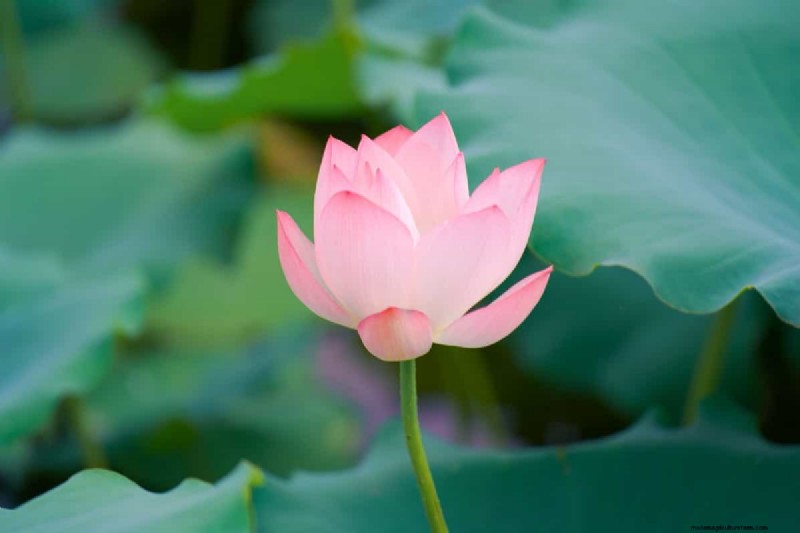
Local markets: Explore selling lotus flowers at local markets, flower shops, or garden centers. Connect with local florists or event planners who may be interested in purchasing lotus flowers for arrangements or events.
Online platforms: Utilize online platforms and marketplaces to reach a wider audience. Create a website on social media page to showcase your lotus flowers and connect with potential customers. Consider partnering with online flower delivery services to expand your reach.
Wholesale and bulk orders: Establish relationships with wholesalers or retailers who specialize in flowers. Offer competitive pricing and quality products to attract bulk orders.
Specialty markets: Identify niche markets or specific events where lotus flowers may be in high demand, such as weddings, religious ceremonies, or cultural festivals. Target these markets and promote your lotus flowers accordingly.
Networking and collaborations: Collaborate with local florists, event planners, or garden enthusiasts to promote lotus flowers. Attend industry events, workshops, or trade shows to network with potential customers and build partnerships.
In case you missed it: How to Increase Flowering in Fruit Trees: Step-by-Step Guide for Beginners
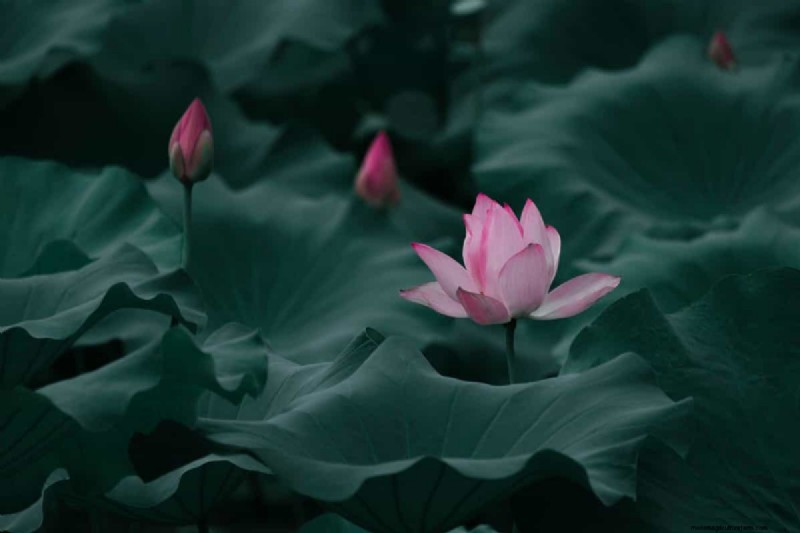
The average scenario where a farmer plants 5,000 lotus plants on one acre and incurs an expenditure of Rs 27,500 (midpoint of Rs 25,000 to 30,000). With a yield of 1 lakh lotuses annually, at a minimum price of Rs 5 per lotus, the revenue would be Rs 5 lakh. Subtracting the expenditure from the revenue, the profit would be Rs 4,72,500.
FactorsDataArea1 acreNumber of plants5,000 to 6,000Total expenditureRs 25,000 to 30,000Yield per farmerApproximately 1 lakh lotuses per yearPrice per lotusMinimum Rs 5, up to Rs 10 during festivals and exportsRevenue per yearAt least Rs 5 lakhAdditional revenue sourcesRootstalks: Rs 40-50 per kg, Leaves: used for crafts, Seeds: used for sweets or medicines, Flowers: used for religious or decorative purposesIn case you missed it: Easy Homemade Recipes for Garden Plants: Natural and Organic Fertilizer for Vegetables, Flowers, and Houseplants
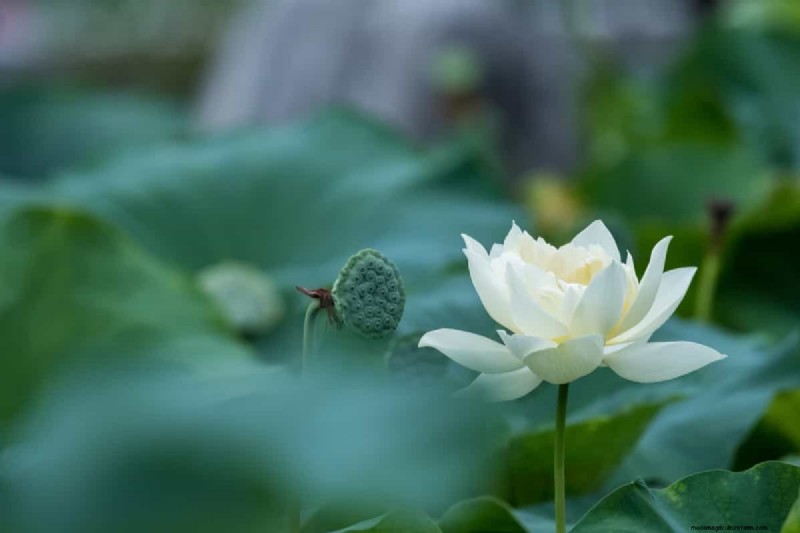
Mastering lotus cultivation offers a myriad of benefits, from spiritual significance to economic opportunity. With proper propagation, planting, and care techniques, coupled with an understanding of costs and profit potential, enthusiasts can foster thriving lotus gardens that nourish both the soul and the pocketbook.


