
Welcome to Modern Agriculture!

Spinach is a nutrient-packed vegetable that you can easily grow in your backyard. If you’re new to gardening, growing spinach is a great way to get started. In this guide, we’ll show you everything you need to know about growing spinach, from choosing the right variety to caring for your plants.
When it comes to choosing a variety of spinach, there are three options: Savoy, Semi-Savoy, and Flat-Leaf.
Savoy spinach has crinkled, curly leaves and is known for its hearty texture and robust flavor. If you’re looking for a spinach that can hold up well in salads and other dishes, Savoy spinach is the way to go.
Savoy spinach is a great source of vitamins and minerals, including vitamin A, vitamin C, and iron. It’s also rich in antioxidants, which can help protect your cells from damage caused by free radicals.
If you’re looking for a way to incorporate more spinach into your diet, Savoy spinach is a great choice. Try adding it to soups, stews, and casseroles for an extra boost of nutrition.
Semi-Savoy spinach has slightly curly leaves and is milder in flavor than Savoy spinach. It’s a great choice for those who prefer a more delicate taste in their salads and other dishes.
Semi-Savoy spinach is also a good source of vitamins and minerals, including vitamin K, vitamin A, and folate. It’s also high in fiber, which can help keep your digestive system healthy.
If you’re looking for a spinach that’s versatile and easy to work with, Semi-Savoy spinach is a great choice. It can be used in a variety of dishes, from omelets to pasta dishes.
Flat-leaf spinach has smooth leaves and a sweeter taste than the other two varieties. It’s perfect for adding to smoothies and other recipes where a strong spinach flavor might not be desired.
Flat-leaf spinach is a great source of vitamins and minerals, including vitamin K, vitamin A, and vitamin C. It’s also high in antioxidants, which can help protect your cells from damage caused by free radicals.
If you’re looking for a spinach that’s easy to incorporate into your diet, Flat-Leaf spinach is a great choice. Try adding it to your morning smoothie for a nutritious start to your day.
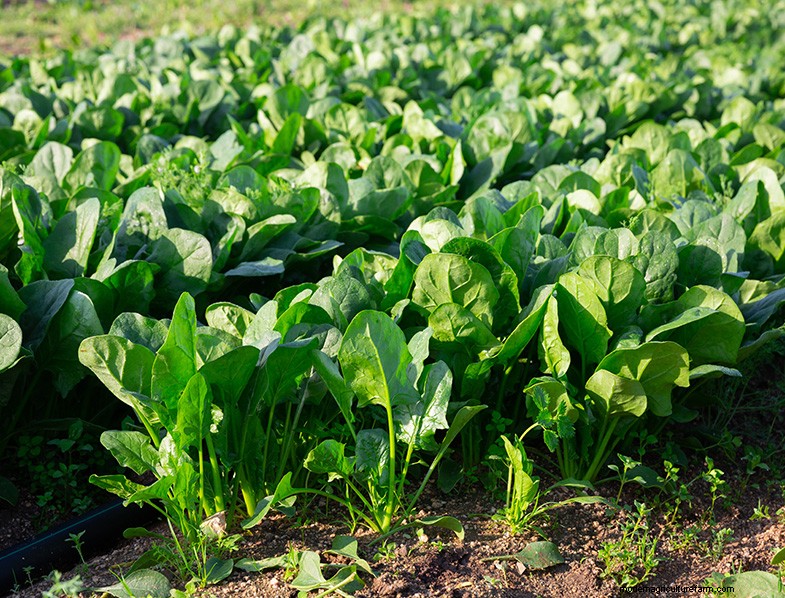 Spinach
Before you start planting your spinach, it’s important to prepare the soil properly. Here are a few soil preparation tips:
Spinach prefers a soil pH between 6.0 and 7.5 and needs plenty of nitrogen and phosphorus to grow well. You can amend your soil with compost or well-rotted manure to ensure that it has the right nutrient balance.
It’s important to note that the pH level of your soil can affect the availability of nutrients to your spinach plants. If the pH level is too high or too low, it can result in stunted growth or yellowing of leaves. Therefore, it’s crucial to test the pH level of your soil before planting your spinach and adjust it accordingly.
Spinach also needs soil that drains well and is aerated properly. If your soil tends to be heavy, you can add sand or perlite to improve aeration. Additionally, you can consider creating raised beds to improve drainage and aeration.
Good drainage is important because spinach plants are susceptible to root rot if they are sitting in waterlogged soil. Aeration, on the other hand, is crucial because it allows oxygen to reach the roots, which is essential for plant growth.
Adding organic matter to your soil, such as compost or well-rotted manure, is one of the best things you can do for your spinach plants. Organic matter improves soil fertility, water retention, and soil structure, which in turn will help your spinach plants grow healthier and stronger.
Organic matter also helps to attract beneficial microorganisms to the soil, which can help break down nutrients and make them more available to your spinach plants. Additionally, it can help to suppress soil-borne diseases and pests, reducing the need for chemical pesticides.
When adding organic matter to your soil, it’s important to do so in moderation. Too much organic matter can lead to nitrogen tie-up, which can result in stunted growth. Aim to add about 1-2 inches of organic matter to your soil each year.
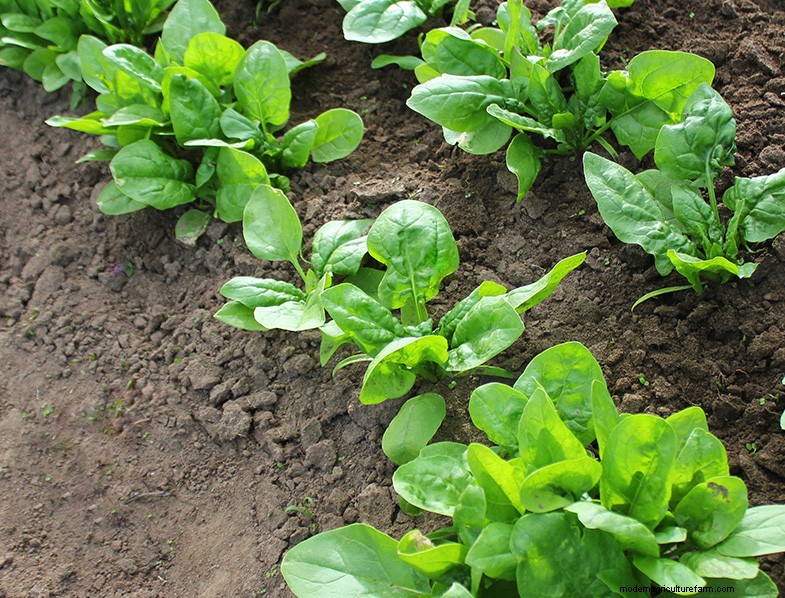 Spinach
Spinach is a delicious and nutritious leafy green that is easy to grow in your own garden. Once your soil is prepared, it’s time to plant your spinach seeds. Here are a few tips to get you started:
Spinach thrives in cool weather and can be planted in the early spring or fall. If you’re planting in the spring, wait until the threat of frost has passed before sowing your seeds. In warmer climates, you can also plant spinach in the winter months.
It’s important to note that spinach prefers temperatures between 50 and 65 degrees Fahrenheit. If the temperature gets too hot, the spinach will bolt and become bitter.
Spinach seeds should be sowed directly into the garden bed, about ¼ inch deep. Before planting, make sure the soil is moist but not waterlogged. If the soil is too dry, the seeds may not germinate properly.
When sowing the seeds, space them 1 inch apart and cover them with soil. Water the bed thoroughly after planting to ensure the soil stays moist.
Spinach seeds should be spaced about 2 to 4 inches apart, depending on the variety. The depth at which you plant your seeds should be shallow, about ¼ inch deep.
It’s important to thin out the seedlings once they start to grow. This will give the remaining plants enough space to grow and prevent overcrowding. You can also use the thinnings in salads or other dishes.
Once your spinach plants start to grow, it’s important to keep them healthy and strong. Make sure they receive at least 1 inch of water per week, either from rainfall or watering. If the weather is hot and dry, you may need to water more often.
It’s also important to fertilize your spinach plants every 4 to 6 weeks. You can use a balanced fertilizer or one that is high in nitrogen.
If you notice any pests or diseases on your plants, it’s important to take action immediately. You can use organic methods such as neem oil or insecticidal soap to control pests, and fungicides to control diseases.
Spinach is ready to harvest when the leaves are large enough to eat. You can either harvest the entire plant or pick individual leaves as needed. It’s best to harvest spinach in the morning when the leaves are crisp and fresh.
Once you’ve harvested your spinach, store it in the refrigerator in a plastic bag or container. It should last for up to a week.
With these tips, you’ll be able to grow delicious and healthy spinach in your own garden.
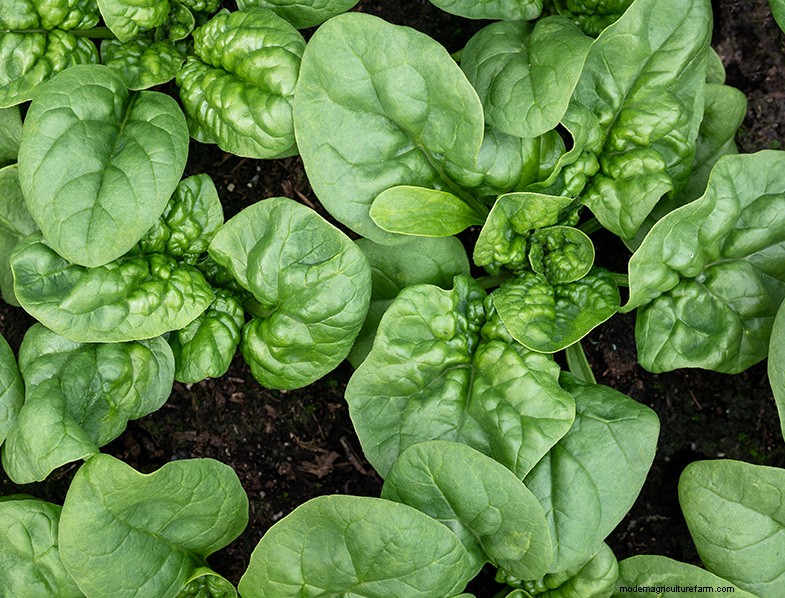 Spinach
Spinach is a leafy green vegetable that is packed with vitamins and minerals. It’s a great addition to any garden, and with a little care and attention, you can grow healthy and delicious spinach plants right in your backyard. Once your spinach seeds have germinated, it’s time to start caring for your plants. Here are a few care tips:
Spinach plants need plenty of water to grow healthy and strong. Be sure to water your plants regularly, especially during dry spells. It’s important to keep the soil moist, but not waterlogged. Overwatering can lead to root rot, which can be detrimental to your plants. Avoid getting water on the leaves, as this can encourage fungal growth. Instead, water at the base of the plant, and use a soaker hose or drip irrigation system if possible.
Spinach plants are heavy feeders and need plenty of nutrients to grow well. You can fertilize your plants with a balanced fertilizer every two weeks, or amend your soil with compost or well-rotted manure before planting. If you choose to use a fertilizer, be sure to follow the instructions carefully, as over-fertilizing can lead to leaf burn and other problems. A soil test can help you determine the nutrient needs of your soil.
Mulching your spinach plants with straw or grass clippings can help conserve moisture in the soil and keep weeds at bay. Be sure to pull any weeds that do appear, as they can compete with your spinach plants for nutrients and water. Weeds can also harbor pests and diseases, so it’s important to keep them under control. A layer of mulch can also help regulate soil temperature, keeping the roots cool in hot weather and warm in cool weather.
In addition to these care tips, it’s important to keep an eye out for pests and diseases. Common spinach pests include aphids, spider mites, and leaf miners. These can be controlled with insecticidal soap or neem oil, or by introducing beneficial insects such as ladybugs or lacewings. Diseases such as downy mildew and powdery mildew can also affect spinach plants. These can be prevented by practicing good sanitation, such as removing infected leaves and avoiding overhead watering.
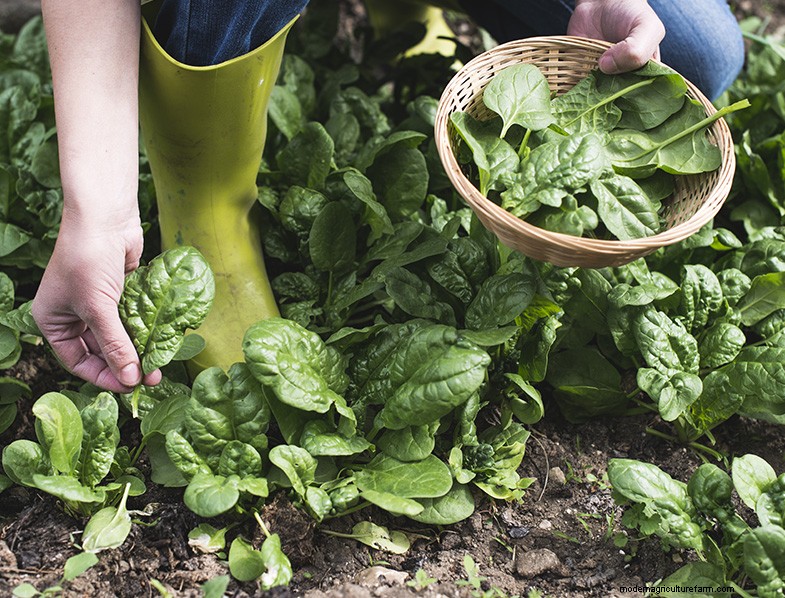 Spinach
Growing your own spinach is a rewarding, delicious, and healthy experience. By following these tips, you’ll be well on your way to cultivating your own nutrient-packed vegetable garden. With a little care and attention, you can enjoy fresh, homegrown spinach all season long.
Yes, spinach is relatively easy to grow and is an excellent choice for beginners, as it thrives in cool weather and can be grown in a variety of soil types.
To grow spinach for beginners, follow these steps:
Spinach typically takes around 40 to 50 days from planting to harvest, depending on the variety and growing conditions.
To grow spinach successfully, follow these tips:
Spinach grows best in full sun to partial shade. It prefers around 6 hours of sunlight per day but can tolerate some shade, especially in hotter climates.
Water spinach regularly to keep the soil consistently moist but not waterlogged. Aim to provide at least 1 inch of water per week, either from rainfall or supplemental watering. In hot and dry weather, you may need to water more often.
98


