
Welcome to Modern Agriculture!

With more than 30 years of experience growing cucumbers, I’ve learned that understanding the flowering, pollination, and fruit formation processes is essential for a successful harvest. In this post, we’ll look at the key stages of cucumber growth, from the appearance of male and female flowers to the critical role of pollination in fruit development. I’ll share practical tips to help you ensure your cucumbers are properly pollinated, leading to a bountiful crop.
In cucumber plants, there are two primary types of flowering systems: monoecious and gynoecious. Monoecious cucumbers produce both male and female flowers on the same plant. The first flowers that appear are male, or non-fruiting, flowers, while female flowers typically follow 7 to 10 days later at the end of the shoots. These female flowers, which have a small cucumber-shaped swelling at the stem end, require pollination to develop into fruit. Most cucumbers are monoecious, and pollination usually occurs when insects such as bees transfer pollen from the male to the female flower. If you’re growing gynoecious cucumbers, which only produce female flowers, you’ll need a monoecious plant nearby for pollination, or you may need to pollinate the flowers by hand. Hybrid varieties, like ‘Conquest,’ ‘Early Pride,’ and ‘Bush Baby’, are typically gynoecious and require pollinator plants to thrive.
Cucumber flowering and fruit formation begins with the male flowers, which do not produce fruit. Female flowers, appearing about a week later, will have an immature fruit at the stem end. To ensure successful pollination, bees and other insects carry pollen from the male to the female flowers. If your garden lacks sufficient pollinators or you are growing cucumbers in a greenhouse where insects are absent, you can hand-pollinate using a soft-bristled brush. Gently collect pollen from a male flower and transfer it to the stigma of the female flower. For those growing cucumbers vertically on a trellis or support, the fruit will grow straight, while ground-grown cucumbers should be placed on a tile or wood to avoid contact with the soil, reducing exposure to disease and pests. Keep in mind that cool weather, heavy rain, or insecticides can delay or disrupt pollination, so it’s essential to monitor conditions and ensure your cucumbers get the attention they need to flourish.
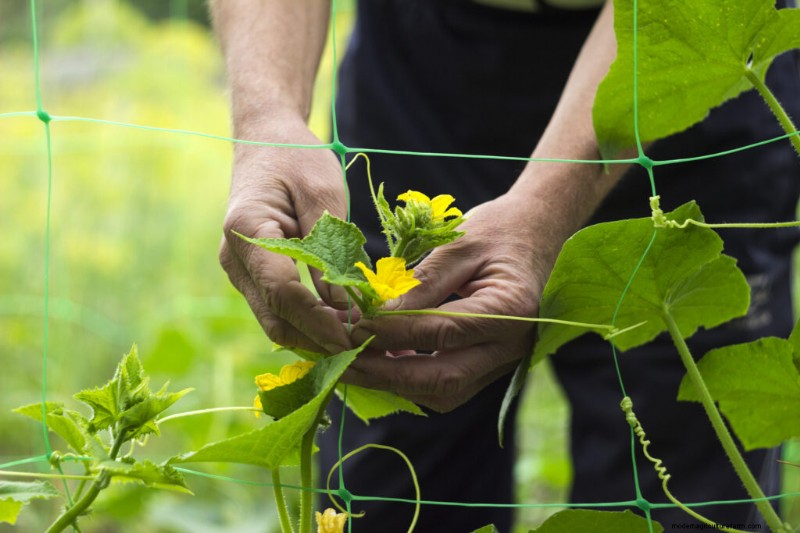 Cucumber flowers can be hand pollinated
Most cucumbers are either monoecious or gynoecious. Monoecious plants have both male and female flowers on the same plant; the first flowers that appear are male or non-fruiting; fruiting female flowers appear 7 to 10 days after at the end of shoots. Gynecious cucumbers have only female flowers. They require a male flower on a nearby plant for pollination. (Packets of gynoecious cucumber seeds commonly contain pollinator-plant seeds; these seeds will be color coated for identification.) Cucumbers are pollinated by visiting insects or birds. (Most cucumber varieties are monoecious.)
Understanding cucumber flowering and fruit formation is key to growing a healthy, productive crop. Cucumbers produce separate male and female flowers, and it’s important to know that the first flowers to appear will be male, which do not produce fruit. Female flowers typically follow a week later and can be identified by a small cucumber-shaped swelling at the stem end of the flower, signaling the unpollinated fruit. Pollination occurs when bees or other insects transfer pollen from male to female flowers. However, if your garden lacks sufficient pollinators or if you’re growing cucumbers in a controlled environment like a greenhouse, you may need to assist with hand-pollination. Additionally, while growing cucumbers vertically on a trellis can result in straight fruit, ground-grown cucumbers should be elevated to prevent contact with soil, minimizing exposure to disease and pests. By following these simple steps, you can ensure that your cucumbers are properly pollinated and ready to harvest.
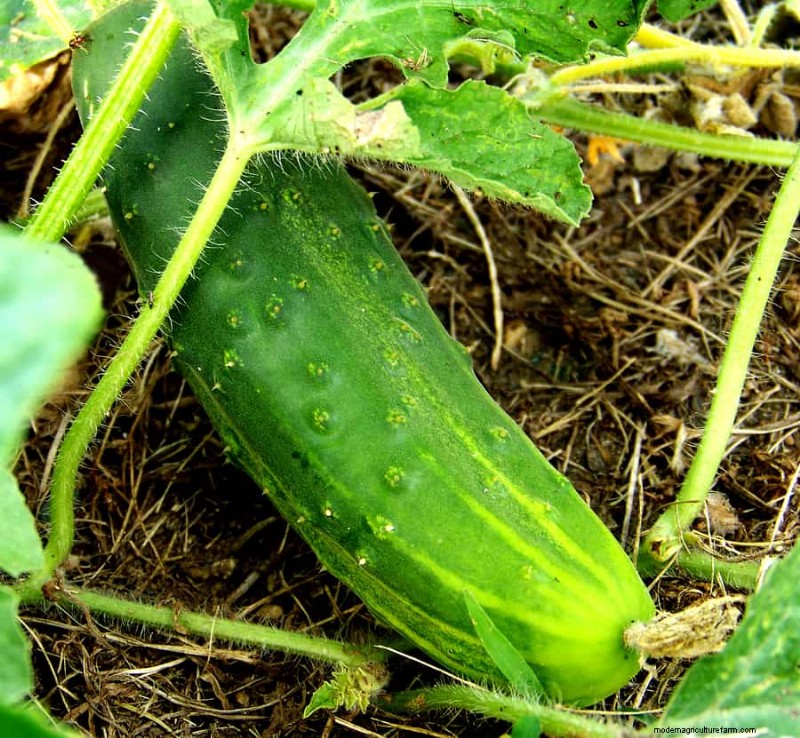 Check and harvest cucumbers daily to stay ahead of the harvest.
Attracting pollinators to your cucumber plants is crucial for a healthy harvest, especially since cucumbers rely on insects like bees for successful pollination. Here are some of the best ways to encourage pollinators to visit your cucumber plants:
By creating a welcoming environment with a variety of flowers, a water source, and careful management of pests, you’ll help ensure that pollinators visit your cucumber plants, leading to better fruit set and a more abundant harvest.
Cucumbers can be hand-pollinated, especially when natural pollinators like bees are scarce or if you’re growing cucumbers in a controlled environment like a greenhouse. Hand pollination is particularly important for gynoecious cucumbers, which produce only female flowers and need pollen from a male flower to develop fruit. Monoecious cucumbers, which produce both male and female flowers, may also benefit from hand-pollination if pollinators are not readily available.
If you’re growing gynoecious cucumbers, make sure to plant a monoecious cucumber nearby to provide male flowers for pollination, or you’ll need to hand-pollinate each female flower.
Hand-pollinating cucumbers can be a bit time-consuming, but it ensures that your plants produce fruit, especially when natural pollination conditions are not ideal.
Related Posts:
Ultimate Beginner to Expert Guide to Growing Cucumbers
Planning and Planting
Care and Maintenance
Troubleshooting and Pest Control
Harvest and Beyond


