
Welcome to Modern Agriculture!

Hydroponics, while somewhat similar, is actually much different than aquaponics. The biggest difference, of which I’m sure you’re aware, is that there are no fish. In aquaponics, fish provide many necessary plant resources by pooping and participate in numerous biological processes including nitrification. Largely, the only grower input is fish feed and nutrient supplements.
In a hydroponic system, the grower is responsible for providing all of the nutrients as a mixture in addition to supplementing. Therefore, you will need to understand the necessary inputs, what to monitor, and what not to do.
The following is a list of guidelines rather than strict rules—every system is different based on type, grower, inputs, and crops. Keep that in mind as you use this handy dandy hydroponic reference guide!
Look forward to downloading and printing this guide as a PDF for easy reference in your farm!
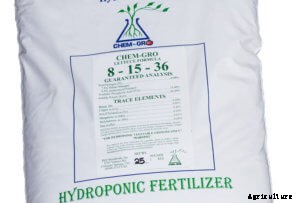 You need three mixes:
NPK mixes come in different formulas depending on the crop type. For example, there will be different mixes for lettuce, tomatoes, herbs, etc.
Magnesium sulfate may be mixed with the NPK mix while diluting. Add both to the nutrient reservoir in the recommended quantities as indicated by the labels. Don’t forget that you must dilute to the correct ratio so if the bag says 1:100 gallons, and you only have 25 gallons in your reservoir, you’ll need to mix 0.25:25.
Calcium nitrate contains much of the nitrogen you will need, so get a mix that will match up well with your NPK mix. CaNO3 should also be added to your nutrient reservoir by itself, rather than being mixed with the other two. If added together, the mixture will cause the magnesium sulfate to precipitate (i.e. it will become unavailable to plants).
Dissolved Oxygen Levels:
A dissolved oxygen level of 5 ppm is adequate and average for many hydroponic farmers. A level of 8 ppm is better, but difficult to achieve. Keep the water temperature in the 62–72º F range for the best DO potential. If the water gets too warm (about 70º F), the potential for DO lowers, and cold water results in poor plant health.
pH: ideal levels are crop-dependent, but also heavily influence the availability of nutrients in the solution.
EC: ideal levels are also crop-dependent. This depends on how much nutrient is in your solution already. It will raise and lower as crops take up nutrients, and as you add mixes to the solution.
Here are some example recommended ranges for popular crops:
Crop pH EC Temperature (ºF) Light (hrs) Arugula 6.0–7.5 0.8–1.2 50–65º 12–18 Lettuce 5.6–6.2 0.8–1.2 45–70º 10–18 Kale 6.0–7.5 1.8–3.0 45–84º 12–18 Basil 6.2–6.8 1.6–2.2 65–95º 14–18 Chives 6.1–6.8 1.8–2.2 65–80º 12 minimum Mint 6.5–7.0 2.2–2.6 55–70º 14–18 Tomatoes 5.5–6.5 2.0–5.0 58–79º 8You will occasionally need to supplement your hydroponic system. Consult the Nutrient Deficiency Key to diagnose and treat your system with the appropriate supplements.
Important supplements:
Chelated iron. This is a biggie. You will almost certainly need to supplement iron, especially with crops like kale or basil (which may need it weekly).
Epsom salts (the MgSO4 mentioned earlier) are a safe and quick way to boost magnesium. Use 1 dry ounce for every 1000–1500 gallons of water. Add it to the sump tank.
To raise and lower pH use a store bought pH up or down. One gallon of each of these should last quite a while.
To raise EC add nutrients. Do this very slowly and in small amounts. You can always add more, but it is much more difficult to deal with an “overdose” problem.
Recommended nutrient suppliers:
 There are some plants that do better in hydroponics than others. Root crops, for example, are pretty difficult to grow hydroponically because of the use of non-soil media which doesn’t usually provide as much space for the crop to grow in its normal shape. Check out the Best Crops for Hydroponics on Upstart University. This will provide you with the details you’ll need to know about growing each type of crop.
 Watch this video about cleaning your system to ensure you’re doing it correctly!
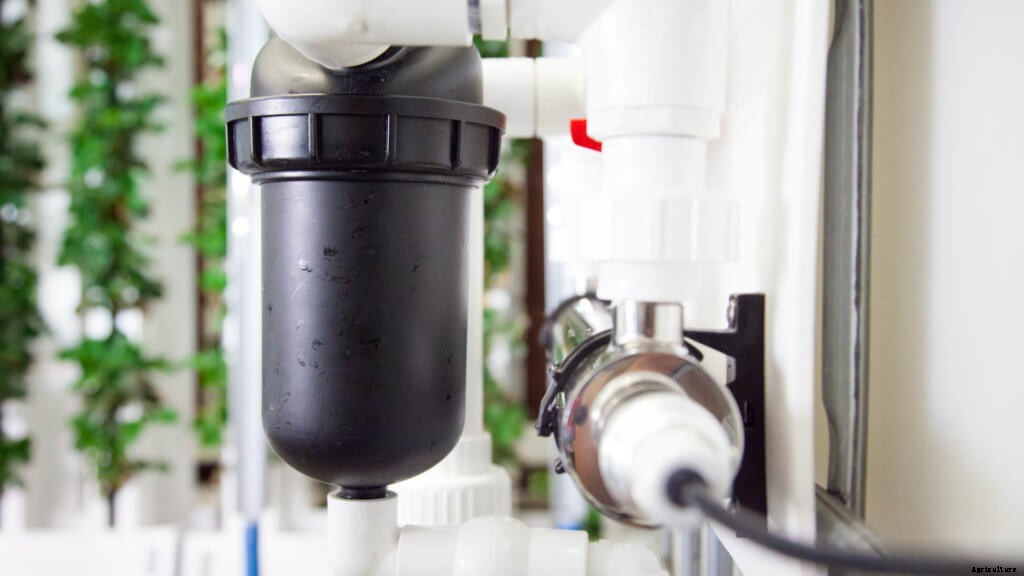
There are two schools of thought on this: one is time-based and the other is volume-based. Nutrient changeover, also known as a reservoir flush, should be done on a regular basis. It is when you completely drain your system and refill it with fresh water and nutrient mix. Whether you decide to do it by time or by volume is up to you.

Subscribe to the Upstart University Update newsletter to find out when you can download and print the PDF.


