Welcome to Modern Agriculture!

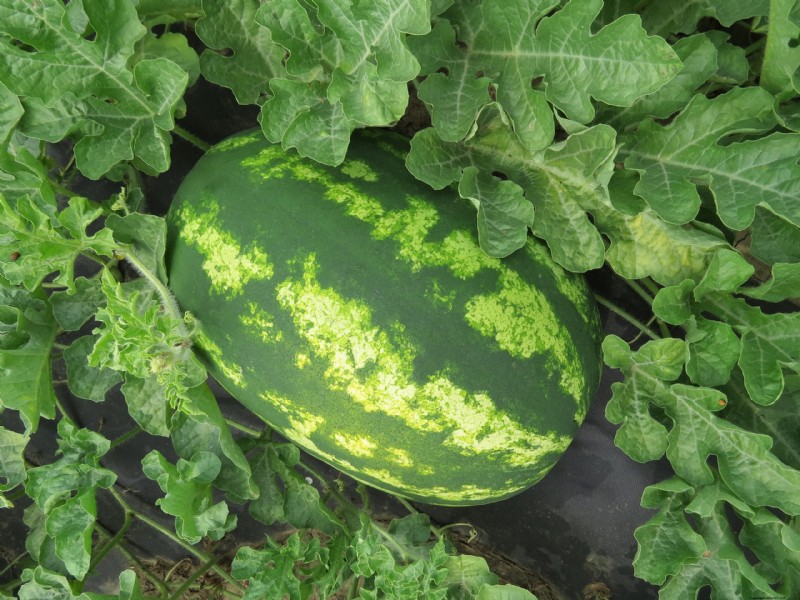
After more than 30 years of growing watermelons in home gardens—some years with generous space, others with tight quarters—I’ve learned there’s more than one way to grow this sprawling fruit successfully. Whether you’re working with a full garden plot or just a sunny 4×4-foot patch, your watermelon dreams are still within reach—if you plan spacing and growing conditions carefully.
Traditional large watermelon varieties require a long growing season—about four months of frost-free, very warm weather—and lots of room to sprawl. A single plant can spread 10 to 12 feet in all directions, gobbling up as much as 144 square feet (13 square meters) of space.
But if you’re gardening in a cooler climate or have less than 90 growing days, you still have options. Many compact or early varieties can be grown in as little as 12 to 16 square feet—that’s just 4 feet by 4 feet (1.2m x 1.2m). I’ve grown short-vine watermelons in small raised beds and even large containers with good success.
Tip from experience: Always match your watermelon variety to your available space and growing season. Short-vine or bush types like ‘Sugar Baby Bush’ or ‘Yellow Doll’ are excellent for small gardens and still produce sweet, snack-sized melons.
Watermelons thrive in rich, loose, well-drained soil with full sun exposure. I always recommend planting on mounds or hills—especially in spring—because they warm up quickly and drain better after rain. Roots stay warmer and healthier, and growth gets off to a faster start.
Before planting, I prepare a nutrient-rich base. Here’s the recipe I’ve used for years:
Use the soil you removed to build a mound over this enriched hole and rake it level. This technique creates a deep reservoir of nutrients and moisture that watermelon roots can tap into as they grow down 8 to 10 inches or more.
Space is critical for watermelon success. If plants are too crowded, they’ll compete for water and nutrients, and the fruit will suffer in size and sweetness.
Here are the spacing guidelines I use depending on the growing method:
Tip: Watermelon vines will naturally sprawl down the sides of the mound. You can guide them in a circle around the base to keep them tidy and conserve space.
Yes, but only with the right varieties. Smaller, personal-sized melons (5–10 pounds) can be trellised successfully. I’ve grown melons vertically using sturdy cattle panels and nylon netting to cradle the fruit.
To trellis:
Trellising saves space and improves air circulation—but keep in mind, large melons are too heavy for vertical growing and can damage the vines.
Watermelon roots need even, consistent moisture—especially when fruit is setting. Stress from dry soil or poor fertility can lead to small or flavorless melons.
Plan to grow two watermelon plants per household member if you want a steady supply through the season. With smart spacing and soil prep—even in a small garden—you can enjoy sweet, homegrown melons all summer long.
Watermelons Overview Post:
How to Grow Watermelons from Seed to Harvest: Ultimate Guide for Sweet, Juicy Success
Melons Overview: The Ultimate Guide to Growing Melons: From Planting to Harvest
Related Posts:
Starting Watermelons Right
Planting & Space Planning
Watermelon Care Through the Season
Dealing with Pests and Diseases
Knowing When to Harvest
Choosing the Right Varieties
Enjoying the Harvest