
Welcome to Modern Agriculture!

Starting squash from seed is the best way to get a head start on the season, grow unique varieties, and ensure strong, healthy plants for your garden. Over the years, I’ve experimented with different seed-starting methods, from direct sowing in the garden to transplanting indoor-grown seedlings, and I’ve learned what works best for quick germination, strong root development, and reducing transplant shock. Whether you’re growing summer squash, zucchini, or winter squash, starting seeds the right way makes a big difference in plant health and productivity.
In this guide, I’ll share step-by-step tips based on firsthand experience, including how to choose the best seeds, when and where to start them, and how to avoid common pitfalls like leggy seedlings or poor germination. Whether you’re a beginner or an experienced gardener looking to improve your seed-starting success, these tips will help you grow vigorous squash plants that thrive from the very beginning. Let’s get started!
Starting squash from seed is the best way to get a head start on the season, grow unique varieties, and ensure strong, healthy plants for your garden. Over the years, I’ve experimented with different seed-starting methods, from direct sowing in the garden to transplanting indoor-grown seedlings, and I’ve learned what works best for quick germination, strong root development, and reducing transplant shock. Whether you’re growing summer squash, zucchini, or winter squash, starting seeds the right way makes a big difference in plant health and productivity.
In this guide, I’ll share step-by-step tips based on firsthand experience, including how to choose the best seeds, when and where to start them, and how to avoid common pitfalls like leggy seedlings or poor germination. Whether you’re a beginner or an experienced gardener looking to improve your seed-starting success, these tips will help you grow vigorous squash plants that thrive from the very beginning. Let’s get started!
Squash are tender warm-weather crops. Sow squash seeds directly in the garden one week or more after the last frost in spring. For an earlier start, sow squash seeds indoors 2 to 4 weeks before the last frost and transplant seedlings to the garden 2 to 4 weeks after the last frost.
The optimal planting soil temperature for squash is 60 to 85°F (16-29°C). The optimal growing air temperature for squash is 60 to 75°F (16-24°C).
In reverse-season climates, mild winter climates, a second squash crop can be planted in early autumn for harvest in winter.
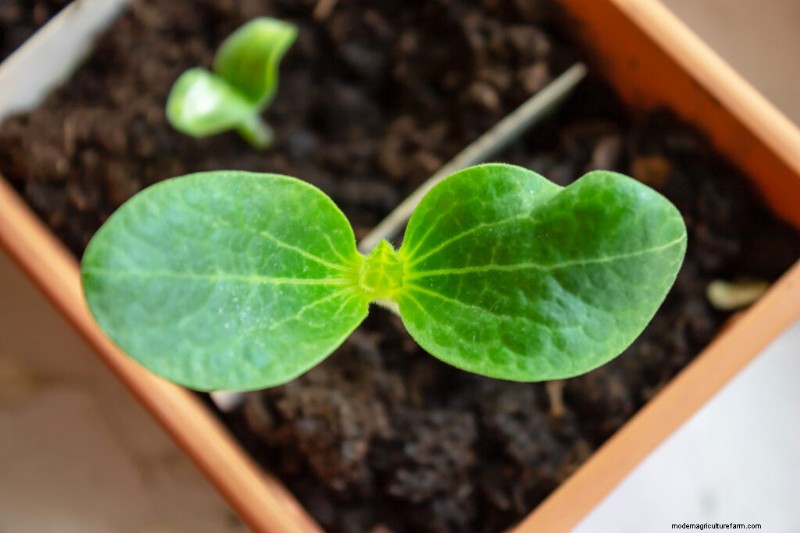 Squash sprout, seedling growing in a pot indoors
Squashes are easy to grow but they generally take up a lot of garden space. A vining squash plant needs about 10 square feet of growing room if allowed to sprawl. Squash can be trained vertically on a trellis or tripod to save room. Most squashes are available in bush varieties which take less room.
Squash grows best in humus-rich, well-drained, sandy loam. Add aged compost or a commercial organic planting mix to a depth of 12 inches. Squashes are often planted atop mounds or hills allowing the vines to run down the hill where they can be trained to circle the mound.
Squash are heavy feeders needing a moderate amount of nitrogen and a high amount of phosphorus. Add a slow-release organic fertilizer to the soil at planting time. Plant squash in full sun.
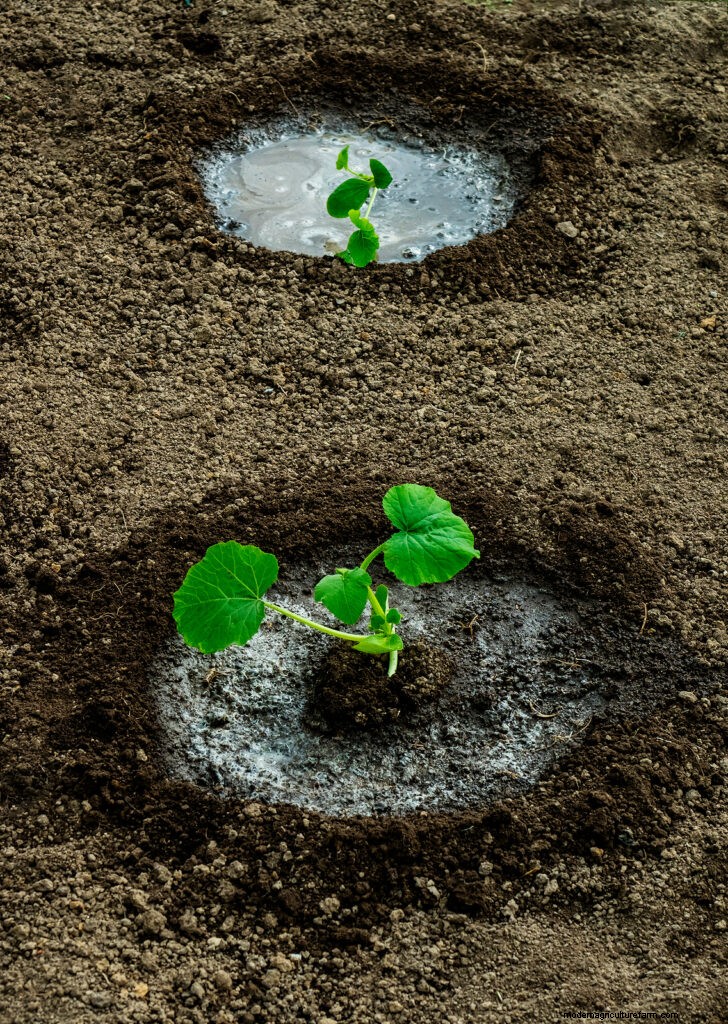 Zucchini seedlings
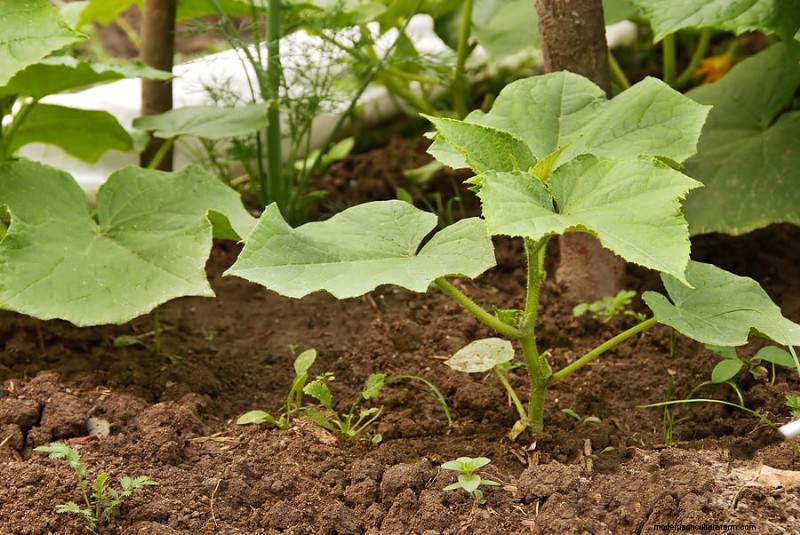 Squash plants early in the growing season
Interplanting: Plant winter squash with bush beans, corn, dill, eggplant, lettuce, cucumbers, summer squash, and tomatoes.
Container Growing: Squashes are not a good choice for container growing. They require significant room to spread and grow.
(These dates are for the Northern Hemisphere)
Average date of the last frostPlanting datesJan. 30Feb. 1-Apr.15Feb. 8Feb. 15-Apr. 15Feb. 18Mar. 1-Apr. 15Feb. 28Mar. 15-Apr. 30Mar. 10Apr. 1-May 15Mar. 20Apr. 10-MayMar. 30Apr. 10-June 1Apr. 10Apr. 20-June 1Apr. 20May 1-June 15Apr. 30May 1-Jun. 10May 10May 10-June 15May 20May 20-June 15May 30June 1-20June 10June 10-20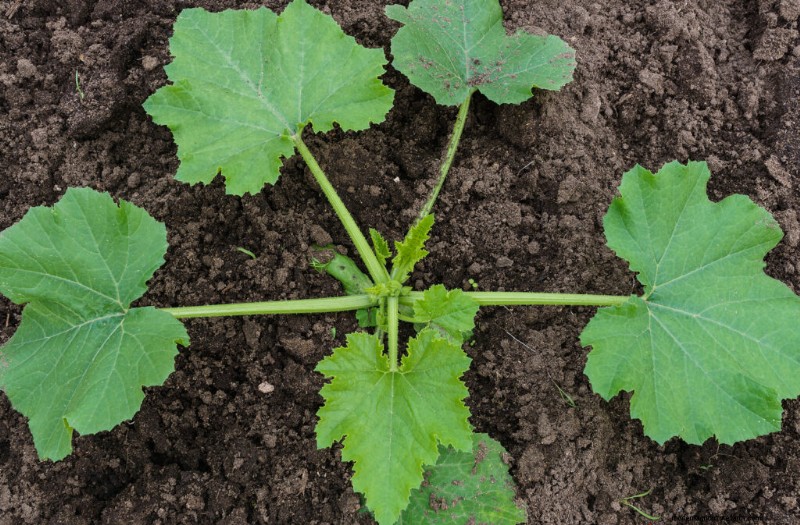 Young squash in the garden
Summer squashes such as crookneck, scallop, straight-neck, and zucchini mature in 50 to 65 days. Winter squashes such as acorn, banana, buttercup, delicata, Hubbard, spaghetti, and Turk’s turban mature in 60 to 110 days.
Summer squash should be harvested while young and tender when the skin yields to thumb pressure. Winter squash which takes longer to mature should not be harvested until as late as possible in autumn but before the first hard frost. The shells should be hard enough to resist denting by a thumbnail.
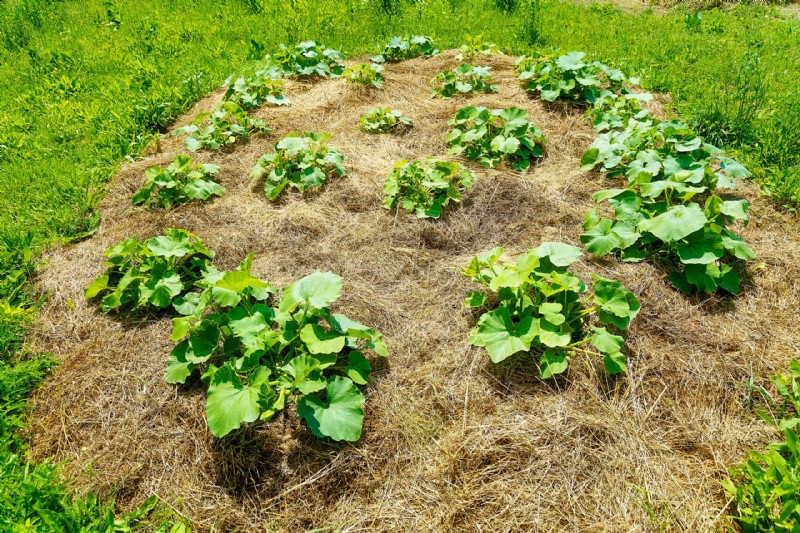 Winter squash will benefit from the warm soil created by planting on hills or mounds;
There are many types and varieties of winter squash; here are a few:
There are many types and varieties of summer squash; here are a few:
Botanical Names: Cucurbita maxima, Cucurbita moschata, Cucurbita pepo.
Squash are members of the Cucurbitaceae family; other members are cucumbers, melons, watermelons, and pumpkins.
Related posts you might find helpful:
Summer Squash
Winter Squash
Squash Planting and Care
Books to help you grow:
Garden Planning Books at Amazon:


