
Welcome to Modern Agriculture!


Glen Chandler is a seasoned horticulturist with over 15 years of hands‑on experience in garden design, maintenance, and landscape architecture. When he’s not transforming outdoor spaces, he shares his expertise on this blog.
Below is a concise, evidence‑based overview of sago palms (Cycas revoluta), including their typical height, care requirements, and safety considerations.
Typical Size
Sago palms generally reach 3 to 10 feet (0.9–3.0 m) in both height and width when planted in the ground. Potted specimens usually stay smaller, making them suitable for indoor use.
Quick Answer
Expect a mature sago palm to measure between 3 and 10 ft in height and width.
Despite their modest stature, these “living fossils” bring a tropical aesthetic to gardens and interiors. They are drought‑tolerant and thrive with minimal maintenance, making them an excellent choice for homeowners seeking a low‑maintenance evergreen.
Sago palms belong to the Cycadaceae family and are scientifically known as Cycas revoluta. They are considered living fossils, having existed since the Mesozoic era. The species is dioecious, meaning male and female plants are separate; both are required for seed production.
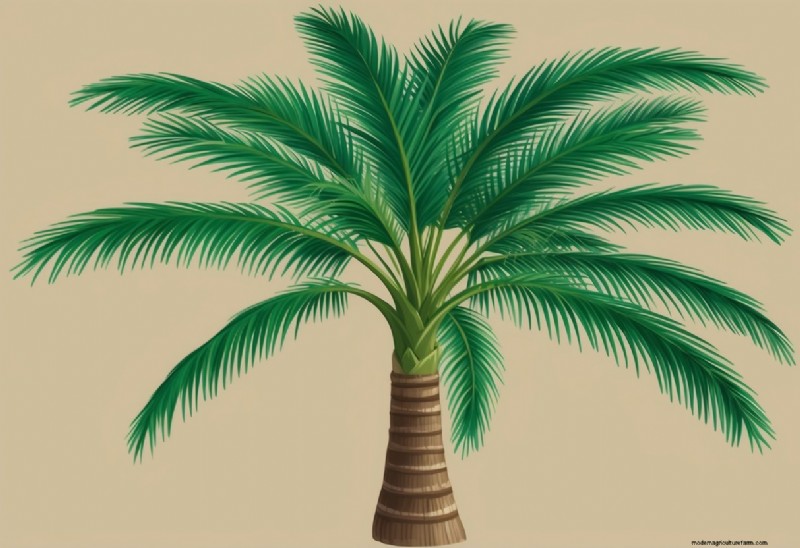
These plants feature a thick, fibrous trunk and glossy, dark‑green fronds that fan out in a palm‑like arrangement. While the fronds can be up to 3 ft long, the overall plant rarely exceeds 10 ft in height when grown outdoors.
Use well‑draining soil composed of sandy loam and organic matter. For container cultivation, choose pots with drainage holes to prevent waterlogging. Keep the planting depth such that the crown remains just above the soil surface.
Optimal USDA hardiness zones are 9–11; the plant prefers warm, frost‑free conditions.
Place the palm in bright, indirect light. Full sun can scorch the fronds, especially in hot climates. Ideal temperatures are above 70 °F (21 °C); the plant does not tolerate prolonged cold.
Indoor plants benefit from moderate humidity; misting or a nearby water tray can help maintain moisture.
Water thoroughly, allowing the top inch of soil to dry before the next watering. Overwatering is a common cause of root rot. During the growing season, apply a slow‑release granular fertilizer once or twice, or use a balanced liquid fertilizer according to label instructions.
Offsets (pups) appear at the base and can be separated with clean pruning shears. Let them dry for a few days before planting in a well‑drained mix.
Seed propagation requires cleaning, soaking, and planting in a 50:50 sand‑potting soil mix, maintaining slight moisture and warmth.
Regularly prune dead or yellowing fronds to encourage new growth. Monitor soil moisture with your finger—water when the top inch feels dry. Balanced fertilization supports sustained vigor.
Common problems include root rot from overwatering, scale insects, and mealybugs. Use neem oil or insecticidal soap for pest control, and ensure adequate drainage to prevent fungal diseases.
Sago palms contain cycasin, a toxin harmful to humans and pets if ingested. Keep the plant out of reach of children and animals, especially in households with cats or dogs. Placing the plant on a tall stand or in a hanging pot can reduce risk.


