
Welcome to Modern Agriculture!

With more than a decade of experience in lawn care and landscape design, Larry Meyers brings a wealth of practical knowledge to every gardening challenge. His goal is to provide a comprehensive, reliable resource for gardeners of all levels.
Timing is the cornerstone of a successful potato crop in Louisiana. Planting should take place between February and April, when the soil temperature reaches the ideal range of 45 to 60 °F. This “cool‑season” period ensures that the developing potato tubers receive the right amount of heat, light, and moisture—key elements for producing a high‑quality crop.
Plant potatoes in well‑structured hills spaced 12 inches apart, each 3 inches deep. A hill should contain 3 to 5 healthy tubers, known as a potato‑eye, and serve as the final shape of the plant.
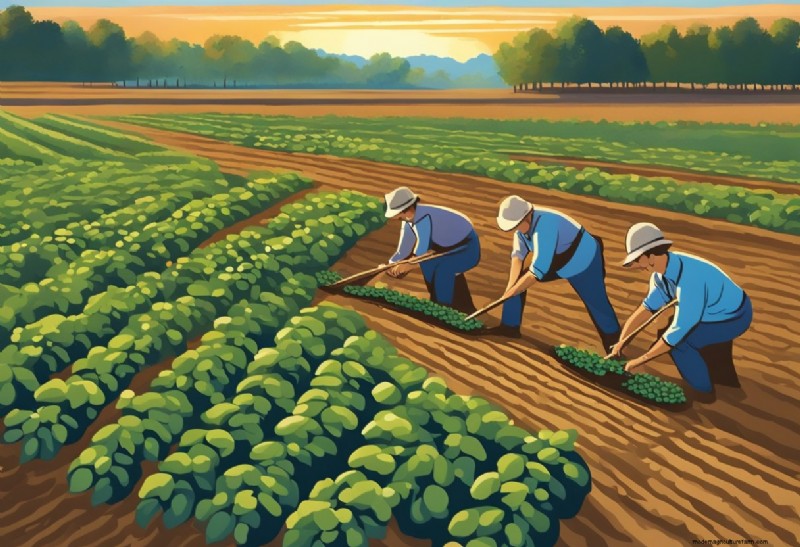
Potato cultivation is rewarding—each new plant is a perfect example of nature’s ingenuity. After the crop has finished growing, you can rotate the potato bed into a productive system for peas, okra, or sweet potatoes, extending the garden’s life and keeping soil nutrients intact.
Whether you’re a newcomer to Louisiana’s garden or an experienced grower seeking fresh varieties, expert recommendations from LSU AgCenter—such as Kiki Fontenot—highlight the importance of consistent watering and adequate fertilization. These practices help produce a bountiful harvest and maintain the integrity of the ecosystem.
Choosing the right potato variety and adhering to the optimal planting dates are essential for maximum yield and quality.
Different potato types adapt to varying climates and soils. Irish potato varieties like Red Lasoda and Red Pontiac thrive in early spring conditions. Yukon Gold and Kennebec also perform well in Louisiana’s soil and climate.
Healthy potatoes require soil rich in organic matter—especially compost or manure. Sandy soil, with excellent drainage, encourages proper tuber development.
Potatoes need steady moisture during tuber formation. Maintain a moisture level that prevents rot, but avoid over‑watering, which can damage the plant’s structure.
Place seed potatoes 12 inches apart and plant them 3 inches deep. Create hill depth of 4 inches to foster optimal growth.
Full sun exposure—at least 6 to 8 hours of direct sunlight—ensures healthy, nutrient‑rich plants.
Common Louisiana pests such as the Colorado potato beetle can cause significant damage. Regular inspections and organic control measures keep the crop healthy. Crop rotation and companion planting—e.g., planting beans or corn near potato beds—help deter pests.
Avoid planting potatoes in the same spot for consecutive seasons to prevent disease spread.
Successful potato cultivation hinges on well‑prepared soil and meticulous planting techniques. Proper watering and fertilization also play a critical role in a fruitful harvest.
Start by selecting a well‑drained, sandy soil rich in organic matter—such as compost or manure—to provide the necessary nutrients.
Optimal pH: 6.0–6.5.
Prepare rows 12 inches apart and trenches 4 inches deep. Place seed potatoes with the “eyes” facing up, spaced 12 inches apart in each row. Cover lightly with soil.
Raised beds or containers are suitable alternatives, especially for heavy‑clay soils.
Regular maintenance—like mulching—helps retain moisture and suppress weeds. Hill up soil around the plants as they grow to promote further tuber development.
Watering should provide about 1–2 inches of water per week, depending on rainfall. Deep, infrequent watering encourages stronger plant structures.
Use a balanced fertilizer (13‑13‑13) at planting time, and apply a light dose during the flowering stage to boost growth.
A balanced fertilizer rich in potassium supports healthy tuber formation.
Avoid over‑fertilizing, as it can cause excessive foliage growth and reduce yield.
Consistent care, pest control, and disease management ensure optimal growth and a bountiful harvest.
Potatoes in Louisiana face pests such as the Colorado potato beetle and diseases like blight and rot. Use crop rotation and companion planting—e.g., beans or corn—to deter pests.
Maintain good airflow, avoid overhead watering, and use certified disease‑free seed potatoes to reduce disease spread.
Warning: Do not plant potatoes in the same location across consecutive seasons.
Hand‑pick beetles and use natural predators, such as ladybugs, for effective control. For chemical options, follow recommended guidelines carefully.
Provide at least 6–8 hours of direct sunlight daily for maximum photosynthesis.
Soil quality: Light, sandy soil enriched with organic matter is optimal.
Maintain soil pH around 6.0–6.5 for nutrient availability.
Water deeply once or twice a week, based on weather. Reduce watering in the final weeks before harvest to improve tuber quality.
Optimal temperature range: 45 °F–65 °F.
Harvest the potatoes after the plants have finished growing. This allows you to preserve their structure and flavor.
Clean the harvested potatoes with a brush or appropriate cleaning method. Avoid washing them with water to prevent spoilage.
Store them in a cool, dark place at around 45 °F (7 °C) with high humidity to preserve quality and flavor.
Choose a well‑ventilated area, such as a basement or a dark pantry, to maintain their quality for months.
Never refrigerate potatoes, as cold temperatures convert starches into sugars, altering taste and texture.


