Welcome to Modern Agriculture!


Evergreen Seeds is your trusted partner for gardening success. We provide evidence‑based solutions to common plant problems, design guidance, and care tips. Join our community of passionate growers.
Latest posts by Evergreen Seeds (see all)
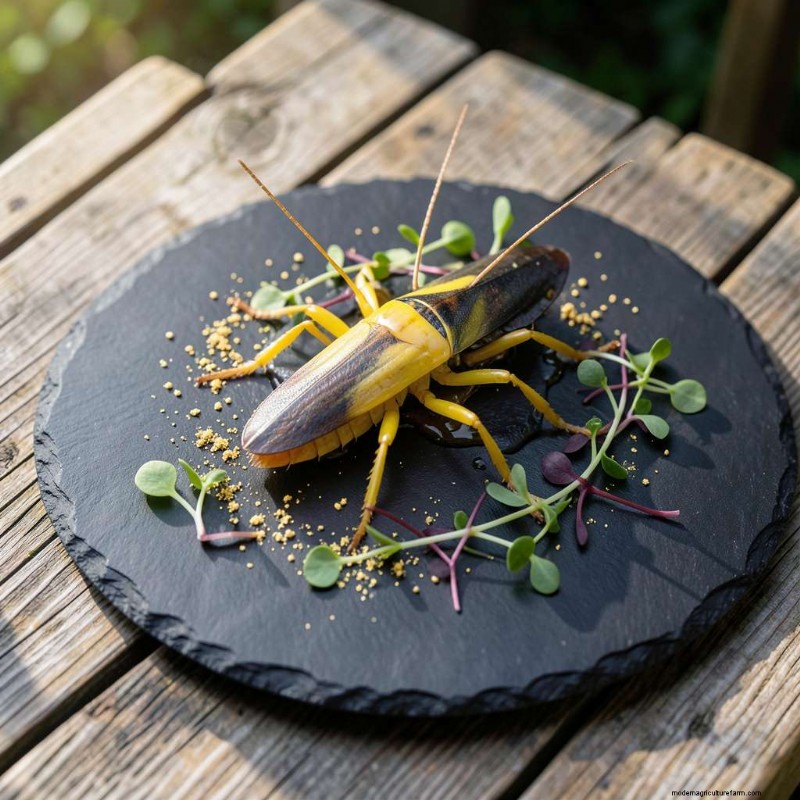
Last fall, a swarm of yellow box elder bugs turned my maple tree into a battlefield of tiny orange soldiers. While harmless at first glance, they can invade homes, stain walls, and turn gardening into a chore.
I learned that prevention beats reaction. Sealing entry points and removing favored host plants—box elder and maple trees—eliminates the problem at its source.
When they do appear, a strong hose spray dislodges them from foliage, and diatomaceous earth creates an impenetrable barrier. For severe infestations, targeted insecticides are effective, but natural methods should be the first line of defense.
Consistency is key—inspect your garden weekly and act swiftly. These bugs reproduce quickly, but with the right approach you can keep them under control without harming your plants.
The sudden surge of yellow box elder bugs can be perplexing, yet their presence is driven by clear environmental and behavioral factors. Understanding these drivers helps you address the root cause.
Box elder bugs peak in spring and fall, aligning with their life cycle. In spring they emerge from overwintering sites to feed on box elder, maple, and ash trees—especially female seed‑bearing trees. In fall they seek warm, sheltered spots like your home to survive winter. Their gregarious nature leads to large, visible clusters.
Below 50°F (10°C), the bugs instinctively move indoors to avoid freezing. They target sun‑exposed walls, attics, and crawl spaces, entering through gaps as small as 1/8 inch around windows, doors, and utility lines. Unlike many pests, they do not reproduce inside homes; they simply wait for spring.
These bugs thrive where their primary food sources—box elder, maple, and ash trees—are plentiful. Female trees produce samaras (helicopter seeds), a vital food source for both nymphs and adults. If your property hosts these trees, especially female box elders, it becomes a major attractant. Removing or treating these trees can significantly reduce their presence.
Even the smallest openings—down to 1/8 inch—can serve as entry points. Common access routes include:
Sealing these gaps is a critical preventive step.
Managing yellow box elder bugs can be frustrating, but a systematic approach makes it manageable. Below are actionable solutions tailored to common causes, plus preventive tips.
Fix: Seal cracks, gaps in windows and doors with caulk or weather stripping. Fit fine‑mesh screens on vents and windows. For existing indoor bugs, vacuum them up and immediately dispose of the bag.
Prevention Tip: Install door sweeps and inspect the exterior of your home regularly for potential entryways. A well‑sealed home is your first line of defense.
Fix: Remove female box elder trees from your property, as they are the primary food source. If removal isn’t feasible, apply neem oil or insecticidal soap to the trees during early summer when nymphs hatch. Follow product instructions carefully.
Prevention Tip: Plant male box elder trees or alternative species that do not attract these pests. Regular pruning and landscape maintenance reduce hiding spots.
Fix: Use a shop vacuum to remove clusters from walls, windows, or other surfaces. Avoid crushing them, as they release a foul odor. For outdoor aggregations, spray with a pyrethrin‑based insecticide or a water‑and‑dish‑soap solution to kill them on contact.
Prevention Tip: In late summer, apply a residual insecticide to the exterior of your home, focusing on sunny, south‑facing walls where they gather. Reapply as needed to deter settling.
Fix: Switch outdoor lights to yellow bug lights or LED bulbs, which are less attractive to insects. Keep outdoor lighting away from entry points like doors and windows. Use blackout curtains indoors to reduce light leakage that might draw them in.
Prevention Tip: Minimize outdoor lighting during peak bug season (late summer to fall). Consider motion‑activated lights instead of constant illumination.
By addressing root causes and applying these strategies, you can drastically reduce yellow box elder bug populations and prevent future infestations. Stay proactive and enjoy a pest‑free home.
1. Are these bugs harmful to humans or pets?
No. They neither bite, sting, nor transmit diseases. Their main nuisance is the foul odor released when crushed.
2. Why do they congregate in large groups?
As social insects, they cluster for warmth and protection, especially in fall and spring, to survive temperature changes.
3. How can I prevent them from entering my home?
Seal cracks, install screens, and use door sweeps. Target sunny walls and entry points where they gather.
4. Do they damage plants or trees?
They feed on box elder, maple, and ash trees but rarely cause serious harm. Their primary impact is aesthetic.