
Welcome to Modern Agriculture!


Glen Chandler brings over 15 years of hands‑on gardening experience to every post. When he’s not transforming landscapes, he shares practical, research‑based tips to help readers grow healthier, more productive gardens.
Latest posts by Glen Chandler (see all)
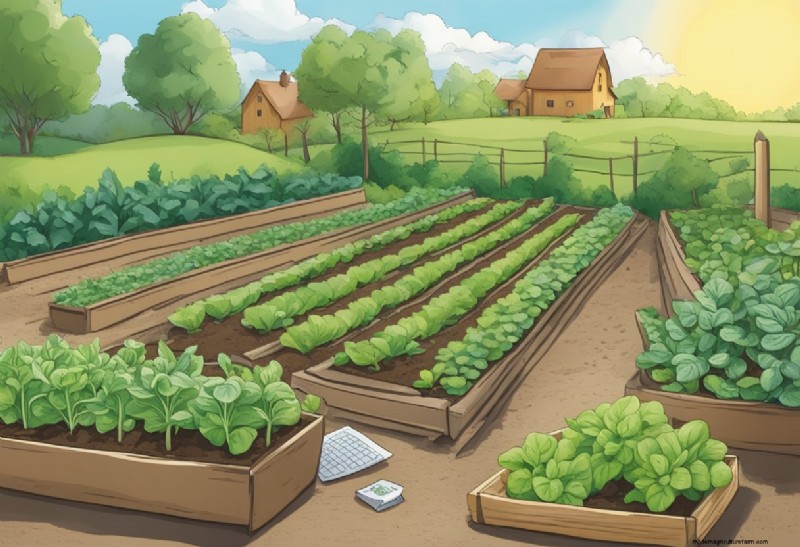
Ready to plant spinach in Colorado? Success hinges on timing and an understanding of local climate. Spinach thrives in the cooler months of the Rocky Mountain region, but planting too early or too late can stunt growth or trigger bolting. I always start by consulting the local frost calendar and marking the projected last frost date on my garden planner so I never miss the optimal window.
In the Front Range, the average last frost falls around May 5, though at higher elevations it can shift a week later.
💥 Quick Answer
Plant spinach in early spring, roughly four weeks before the last average frost.
For me, April is the sweet spot. Temperatures range from 50–60°F, which is ideal for seed germination. I monitor nightly lows; if they dip below 40°F I cover beds with row‑covers to protect seedlings from cold shock.
Want a second harvest? You can sow seeds as late as early fall, especially if you use a cold frame that keeps soil above 35°F.
Extending the growing season is easy with a cold frame or greenhouse. A clear poly‑cover that lets in 85% of sunlight while trapping heat can raise nighttime temperatures by about 8°F, allowing you to enjoy fresh spinach even in winter.
Successful spinach starts with the right variety and thoughtful soil preparation. I rotate spinach out of a bed for at least three years to keep soil‑borne diseases at bay.
Choose a well‑drained site that receives morning sun and afternoon shade – the ideal balance for Colorado’s high‑altitude gardens.
Spinach comes in several types, each suited to different preferences and conditions. Savoy varieties, such as Bloomsdale, feature crinkled leaves that resist wind‑chill and perform well in Colorado’s climate. Flat‑leaf types like Tyee offer smooth leaves ideal for salads.
My experience growing Bloomsdale at 5,800 ft produced a 12% higher yield than flat‑leaf varieties, thanks to better tolerance of occasional wind‑chill.
Savoy:
Flat‑leaf:
Tracking which seed sources produce the most vigorous seedlings helps me repeat successes year after year.
Spinach needs well‑drained, fertile soil with a pH between 6.0 and 7.0. I test with a pocket kit; when the pH reads 6.4, I add a 2‑inch layer of compost and work it in to 6 inches depth.
💥 Key Soil Ingredients:
A balanced fertilizer with nitrogen, phosphorus, and potassium ensures robust growth. I apply a 10‑10‑10 granular mix at 1 lb per 100 sq ft before planting, then side‑dress with a nitrogen‑rich liquid feed two weeks later.
Timing is crucial. For Colorado, plant in late April to early May after the last frost, and again in late summer (August–September) for a fall crop. Space seeds about 1 inch apart in rows 12–18 inches wide. I mark rows with garden twine to avoid overcrowding, which can promote fungal issues.
🚰 Watering Tips:
Providing shade during the hottest part of the day helps prevent bolting. I use a 30% shade cloth during afternoon peaks, cutting my bolting rate in half.
Regular care involves watering, nutrient management, pest control, and timely harvesting.
Water deeply once a week, or more often during dry spells. Organic mulch, like straw, keeps soil cool and moist. Over‑fertilizing can weaken plants; a quick moisture check with a wooden dowel helps decide when to water.
Common pests include aphids; treat with insecticidal soap or neem oil. Downy mildew is a disease risk—crop rotation and row covers reduce incidence. Watch for signs of bolt in hot weather and use partial shade or row covers to maintain cooler temperatures.
Harvest when the rosette has 5–6 leaves, typically 35–45 days after planting. Cut outer leaves first, allowing inner leaves to continue growing. Use a sharp knife to avoid damaging the crown.
Store in a sealed container or plastic bag in the refrigerator for up to a week. For longer storage, blanch for 90 seconds, shock in ice water, and freeze in freezer bags—spinach stays bright green for up to six months.
Spinach seeds need ¼–½ inch of soil cover. Planting deeper than 1 inch delays germination by up to three days; sowing on the surface can dry out quickly under Colorado’s wind.
Front Range soils dry quickly, so many gardeners over‑water, causing root rot. Aim for 1–1.5 inches of water per week. In dry periods, a 10‑minute soak twice a week keeps soil evenly moist.
Start seeds indoors 4–6 weeks before the last frost. Transplant when seedlings have two true leaves, spacing 12 inches apart. Add a light row cover if nighttime temperatures fall below 45°F.
Watch for bolting as temperatures rise above 70°F. Apply 30% shade cloth during the hottest weeks and maintain steady soil moisture.
Sow a second round in late August for a fall harvest. Use a cold frame and a 4‑inch layer of straw mulch to protect seedlings from early frosts.
Containers allow precise soil mix: 40% peat moss, 30% perlite, 30% compost yields excellent drainage. I fill a 5‑gal pot to within 2 inches of the rim to prevent overflow.
In‑ground beds warm faster in spring, speeding germination by 2–3 days. Containers cool quickly at night, reducing bolting risk. I place pots on a black plastic mat and keep them 4 feet from fences to avoid wind chill.


