
Welcome to Modern Agriculture!

A vertical garden is an excellent way to save space and grow various plants in a small space. Building a vertical garden using PVC pipes is an easy and cost-effective way to create your vertical garden at home. PVC pipes are inexpensive and readily available at hardware stores. They can be cut and drilled to create a customized garden structure.
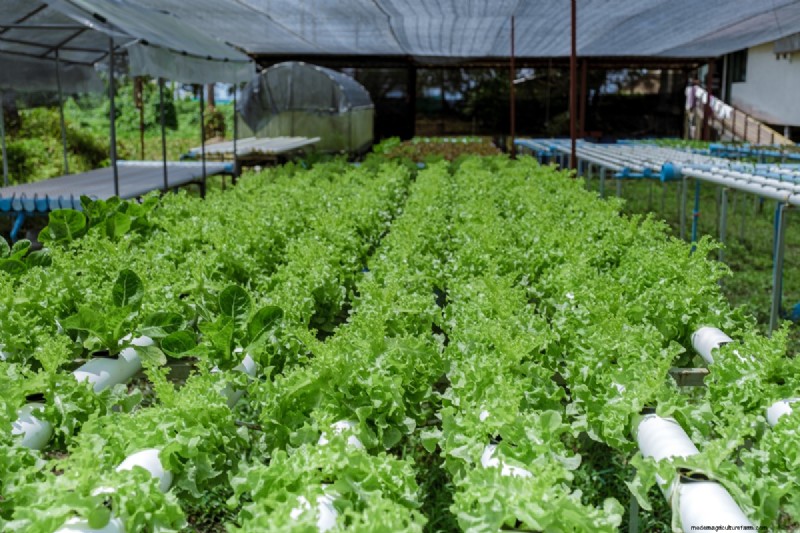
This guide will you through creating a vertical garden out of PVC pipes, including tips and techniques for creating a stable and durable structure and maintaining your garden. We’ll also provide some cheap DIY-making ideas to help you save money while creating a beautiful and functional vertical garden.
Before you begin, gather all the materials you’ll need, including PVC pipes, potting mix, compost, plants, pebbles, a PVC pipe cutter or saw, a drill with a hole saw attachment, PVC pipe connectors, screws and anchors, and a stand or wall to mount the garden on. With these materials, you’ll be able to create a stunning and productive vertical garden that will bring life and beauty to any small space.
In case you missed it: How to Start Indoor Vertical Garden with Stunning Spider Plants
Note: These basic materials are required to build a vertical garden using PVC pipes. The same materials may vary depending on the design and size of your vertical garden and the plants you choose to grow.
These tools will help you cut, drill, and assemble the PVC pipes and mount the garden securely on a wall or stand. The right tools will make building your vertical garden easier, faster, and more precise.
When building a vertical garden with PVC pipes, the first step is to prepare the site and create a raised bed. This involves selecting a suitable location in your garden that receives ample sunlight, has well-draining soil, and is close to a water source. To create the raised bed, you will need to measure and mark out the area where the bed will be located. It is important to use a level to ensure that the bed is even and stable.
Once the bed is marked out, you must dig out the soil to a depth of at least 12 inches. This will create a raised area that will be easy to access and maintain. You will then need to line the bed with a weed barrier or landscape fabric to prevent weeds from growing through the soil. Next, add a layer of compost or well-rotted manure to the bed to improve the soil quality.
In case you missed it: Vertical Gardening For Beginners – How To Start, Tips
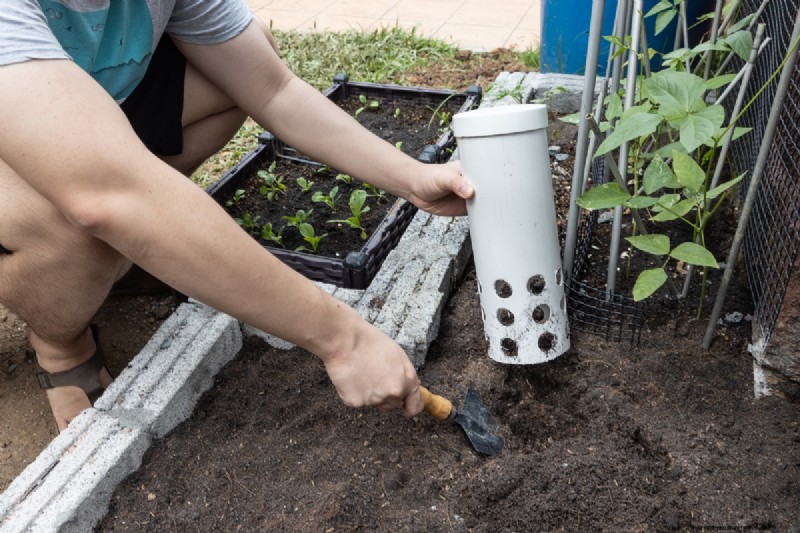
Finally, backfill the bed with a mix of topsoil, compost, and well-rotted manure, and level the surface. The bed is now ready for planting. It’s recommended to Use a mallet and make the top of the pipe flush with the top of the garden boards. And use the plumber’s brackets to stabilize the pipe to the inside of the boards. This will ensure that the trellis is stable and will not fall over. It is important to note that the raised bed should be at least 4 feet wide to provide enough space for the PVC pipe trellis and plants.
Before building a vertical garden with PVC pipes, it is important to prepare the site and create a raised bed. This will ensure that the garden has proper drainage and that the plants have enough space to grow. The first step in site preparation is to choose a location for the garden. This spot should get plenty of sunlight, as plants need 6 hours of direct sunlight per day. It should also be a location that is easy to access and maintain.
Next, it is important to clear the site of any debris or rocks. This will make it easier to work with and ensure that the raised bed is level. Once the site is prepared, you can start building the raised bed. This can be done using various materials, such as wood, cinder blocks, or bricks. The most important thing is that the bed is level and has proper drainage. You can add drainage holes in the bottom of the bed or use a layer of gravel to ensure that water can flow away from the plants.
It is also important to consider the height of the raised bed. A raised bed at least 12 inches tall will make it easier to plant and maintain the garden. Once the raised bed is built, you can add soil. Using a mix of topsoil, compost, and peat moss is recommended. These materials will provide the plants with the nutrients they need to grow. When the site and raised bed are prepared, you can install the PVC pipe trellis for your vertical garden.
Installing a trellis using PVC pipes is a relatively simple and cost-effective way to create a vertical garden. The first step is cutting the PVC pipes to the appropriate length. In this case, the pipes need to be 12 inches long and spaced 4 feet apart along the long side of the garden. A hacksaw can be used to make these cuts. Next, dig holes for each pipe section along the boards of an existing raised bed garden.
Use a mallet to ensure that the top of the pipe is flush with the top of the boards. The plumber’s brackets can then stabilize the pipes to the inside of the boards. Once the pipes are in place, insert a 2-foot-long rebar inside each pipe and force it into the ground a few inches. This will help to stabilize the trellis. Alternatively, wooden tomato stakes can also be used.
In case you missed it: Vertical Gardening Frequently Asked Questions (FAQs)
To finish the trellis
When building a vertical garden with PVC pipes, the first step is to prepare the site and create a raised bed. This will be the foundation for the trellis that will hold your plants in place. To start, choose a sunny garden spot with well-draining soil, clear debris or weeds from the area, and level the ground as needed. Next, build a raised bed using boards or other materials. The bed size will depend on the available space and the number of plants you plan to grow.
Once the raised bed is in place, it’s essential to ensure it’s level and stable. Use a level to check the horizontal and vertical alignment and adjust as needed. To further enhance the bed’s stability, you can secure it to the ground using stakes or other anchors. This will prevent it from shifting or tipping over, especially in windy conditions. These simple tips and techniques can create a beautiful and functional PVC pipe vertical garden in your backyard.
In case you missed it: Vertical Gardening – For Balcony, Home, Cost In India
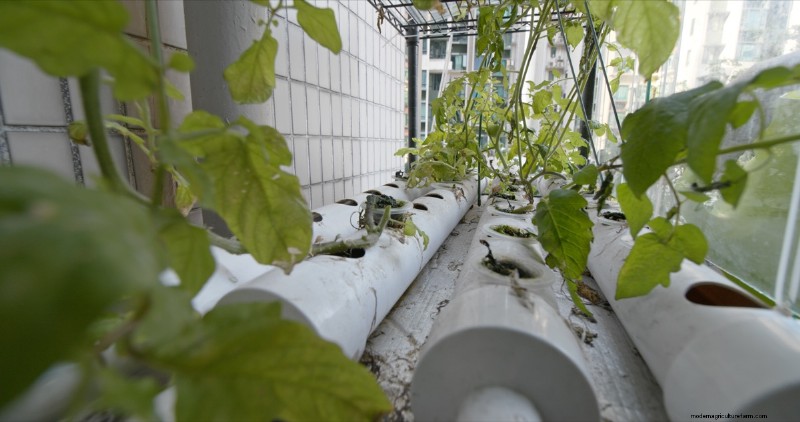
One of the most popular plants for a vertical garden is foliage plants, such as ferns, ivy, and creeping fig. plants are easy to care for and can create a lush and natural look for your vertical garden. Herbs such as basil, thyme, and mint are also great options, as they can be quickly grown in small spaces and used in cooking. Edible plants, such as tomatoes, peppers, and strawberries, are also popular choices for a vertical garden.
Not only do they add a beautiful touch to your vertical garden, but they also provide fresh and delicious produce for your kitchen. Cucumbers, peas, and beans are other popular edible plants for a vertical garden. Flowering plants, such as petunias, geraniums, and impatiens, are also great options for a vertical garden. They can add color and beauty to your vertical garden and can also attract beneficial insects to your garden.
In case you missed it: Terrace Vertical Gardening, Ideas, Tips, Techniques
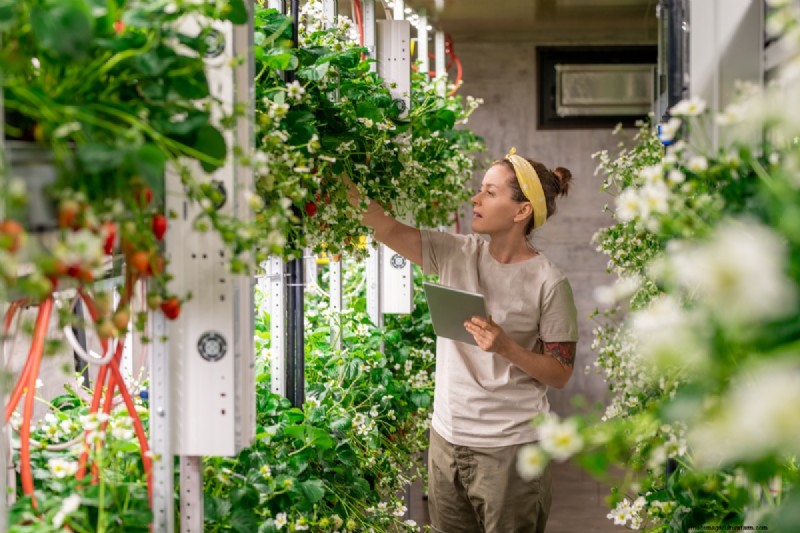
In conclusion, building a successful vertical garden requires careful planning and preparation. This includes selecting the right location, preparing the site, and creating a raised bed suitable for the plants you plan to grow. Additionally, it’s important to choose suitable materials for your trellis, such as PVC pipes and nylon netting, and to install them correctly.
Regular maintenance and care, such as watering, fertilizing, and pruning, are crucial for ensuring that your vertical garden thrives. Right approach and attention to detail, you can create a beautiful and productive vertical garden that will add beauty and bounty to your home.


