
Welcome to Modern Agriculture!

Introduction to Top 15 Vegetables to Grow in Hydroponics: A hydroponic system uses mineral nutrient solutions dissolved in an aqueous solvent to grow plants (usual crops) without soil. The roots of terrestrial plants are exposed to the nutrients. An inert medium such as perlite, gravel, or another substrate may also support the roots. Hydroponics comes from the ancient Greek words “hydro,” which means water, and “phonics,” which means labor. It is the water that allows the plants to overgrow. Therefore, hydroponics primarily involves growing plants in water. Hydroponics, on the other hand, uses a nutrient-rich solution based on water instead of soil. However, this concept has been around for thousands of years and has enabled population growth as arable land becomes scarce. We have already discussed the benefits of not using soil instead of using organic substances such as perlite, coco coir, rock wool, clay pellets, peat moss, and vermiculite, with the roots coming into direct contact with the nutrient solution, increased growth results. The availability of oxygen also makes this possible when compared to soil.
Cucumbers: Cucumbers overgrow and end up producing high yields as well. You will have a lot of options to choose from when it comes to types. You can choose between thick American slices, long and seedless European cucumbers, or unbelievably smooth Lebanese. Hydroponics is used to grow all of these plants. Cucumbers need plenty of light and high temperatures since they are warm plants. Therefore, the pH level of these plants should be between 5.5 and 6.0.
Beans: Taking advantage of these options means your hydroponic garden can be even more productive and low-maintenance. When growing beans at home, you will use the veggie whenever you need it since beans are essential for most meals. You can pick from string, green, pole, or even pinto beans in terms of types. Although it may surprise you, you can also grow lima beans in the comfort of your home. You will need a trellis for your Hydroponic garden if you plan to grow pole or string beans. By doing so, the plants will receive proper support when they need it most. The germination process can take up to eight days, and harvesting can occur between six and eight weeks later. After harvesting your crop, you can continue growing it for another three to four months. The ideal pH level for beans is between 6.0 and 6.3, and they thrive in warm temperatures.
Bell Peppers: Even though Bell peppers may seem a bit advanced at first glance, they are undoubtedly an excellent plant for a hydroponic garden. However, you must ensure that you do not grow them to their full height strictly at home. Pruning and pinching the plant at about seven to eight inches will prevent this problem. It will also enable them to grow more extensively and yield more vegetables. If you want to grow bell peppers, you should try Deep Water Culture. If this is not possible, the Ebb and Flow techniques are equally effective. Bell Peppers typically grow in 90 days, and their ideal pH ranges from 6.0 to 6.5. If you grow Bell Peppers at home, make sure they get plenty of full sunlight. Ideally, they need to be exposed to the sun for around 18 hours at a time. If your bell peppers start growing, you might also want to raise the display rack. When adjusting the light, ensure it is at a distance of six inches from the light.
Tomatoes: The tomato is one of the most popular hydroponic vegetables grown commercially. It is a vine crop, which means that it can be grown vertically with the help of wires or strings, utilizing the vertical space afforded by the hydroponic farm. You can grow both regular and cherry tomatoes in your hydroponic garden. Consider growing soilless tomatoes at home if you are tired of eating tomatoes grown commercially. It would help if you had a lot of light and high temperatures to grow these veggies successfully. Get some grow lights in advance if you are planning to grow them indoors. It’s best to keep the pH level between 5.5 and 6.5.
In case if you miss this: How To Start Vertical Gardening.
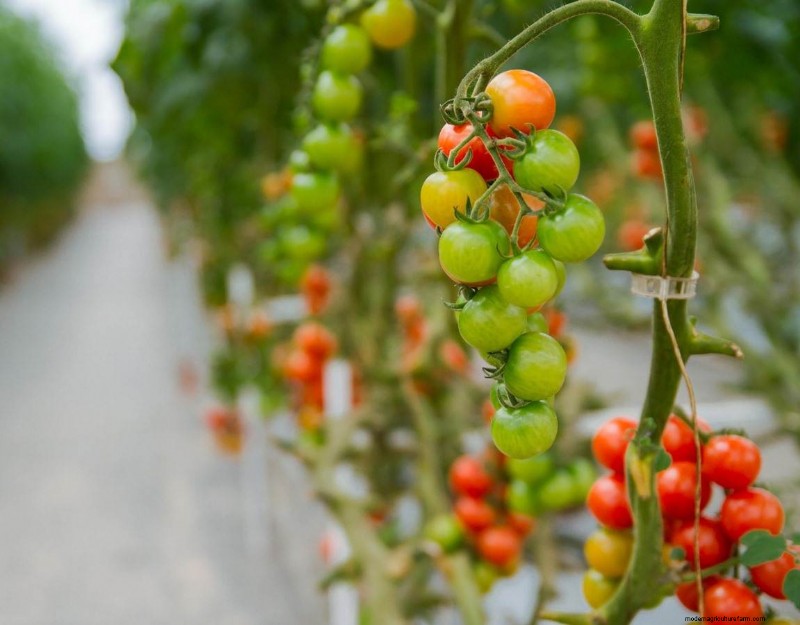 Hydroponic Tomatoes ( pic credit: pixabay)
Celery: It is a highly healthy vegetable that has excellent flavor and texture. A hydroponic system with Ebb and flow is used for growing them. The roots should not be submerged in water, and the stalks should be wet. For optimal results, the pH level should be 5.7 to 6.0.
Spring onions: Onions harvested before they begin to swell and grow are called spring onions. Three or four onions are harvested from one pot every three or four weeks. By inhibiting free radical activity, spring onions prevent damage to DNA and cellular tissue. In addition to vitamins C and K, spring onions are excellent sources of calcium. The natural properties of spring onions are often used to treat viral infections like influenza and colds. Additionally, they contain vitamins B and A.
Peas: Hydroponically, you can grow almost any type of pea. However, as someone who appreciates flavor, you can grow peas at home. Deep Water Culture (DWC) is the best method for growing peas hydroponically. They are ready in eight weeks. Peas need more excellent growing conditions, so make sure to grow and preserve them at a low temperature. If the seeds are pre-soaked, peas germinate in 7-14 days at a temperature setting of 55-65 degrees Fahrenheit (12-18 degrees Celsius). Snow peas like Mammoth Melting Sugar and Oregon Giant Pod do best in hydroponics. Sugar peas such as Dwarf Grey Sugar, Snowflake, and Snowbird are also good choices.
Zucchini: Zucchini is often grown in greenhouses. However, some home gardeners may not be able to arrange a greenhouse setup. You need not worry. Using hydroponics to grow zucchinis in your home is an exciting experience. It is not uncommon for hydroponics enthusiasts to consider zucchini to be one of their favorites. Warm conditions are ideal for these plants. You will be able to benefit your plants if you keep the temperature high. Don’t worry if they’re exposed to direct sunlight-lots of brightness will be pivotal to getting the perfect zucchini.
Radishes: If you think about it, most root vegetables are not ideal for hydroponics. There are, however, some differences between a radish and other vegetables. As a cool-weather crop, it is very suitable for hydroponic cultivation. Radishes grow best between 50- and 80-degrees Fahrenheit (10-26 degrees Celsius). However, some longer varieties may be tolerant of a slight temperature increase. As for brightness requirements, they aren’t excessive either. You need about six to eight hours of sunlight every day.
Kale: Kale is a well-known favorite among health and fitness enthusiasts, and for a good reason, too. In addition to being incredibly tasty, it is also used in a variety of recipes. Kale goes well with everything, from smoothies to restaurant dishes. Kale is already well known to you, but did you know it can also be grown hydroponically? The vegetable kale has been grown in an aqueous medium for a long time. However, hydroponics is the best way to grow it. The process of hydroponics for growing kale is straightforward and convenient, so there shouldn’t be any issues. You should know, however, that kale appreciates an acidic environment for growing.
Beet: Beets are another root vegetable that thrives well in hydroponics despite the odds. In a hydroponic system, you will have to be more careful with this one since beetroot is somewhat prone to algae build-up. It’s nothing to worry about, but a gravel base is good enough to handle that issue. In the case of beets, the temperature requirements are rather convenient. The ideal temperature range for seeds to germinate is between 55- and 75-degrees Fahrenheit (12 to 23 degrees Celsius), especially during the one or two weeks before planting. The seedlings need to be transplanted into the soil as soon as they have germinated; make sure you do this before the roots start to cramp up.
Lettuce: Hydroponic lettuce is a good choice for hydroponic cultivation. It grows in the most straightforward systems and doesn’t require much care. You can harvest your outer lettuce leaves as it grows, resulting in a longer crop of fresh, crunchy lettuce. The leaves will overgrow to take their place as the outer leaves are cut.
You may also check this: How To Start Organic Gardening.
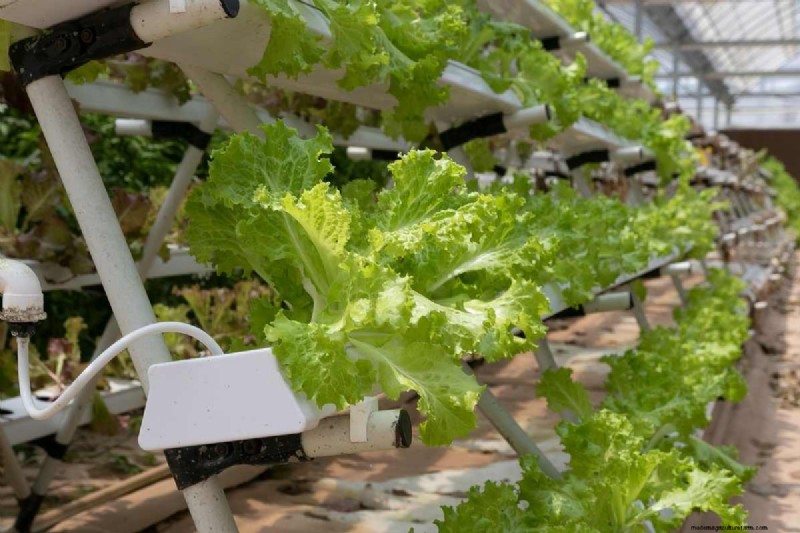 Hydroponic Lettuce ( pic credit: pixabay)
Spinach: A water-based environment is suitable for growing vegetables that can be eaten raw or cooked in your meal. For example, spinach thrives in low light conditions, so it does not require much light. Therefore, you can either harvest it all at once or snip off a few leaves. A good growing environment and climate can provide up to 12 weeks of continuous harvesting.
Okra: Okra, also known as ladyfinger in India, is another crop that thrives in hydroponic systems. The flowers are also beautiful. However, it needs warm weather and indoor growing conditions. Warm weather will encourage okra growth. After sprouting, it reaches maturity in 50-65 days and produces pods for six weeks.
Bok Choy: The same plant is called Bok Choy, Bok Choi, Pak Choy, and Pak Choi. Many Brassicas can be successfully grown hydroponically, including Bok Choy. From germination to harvest, it takes roughly 30 days for this crop to reach maturity. You can harvest three harvests from one set of Bok choy roots if you do it correctly.
How about this: To 30 Quick Growing Fruits In Containers.
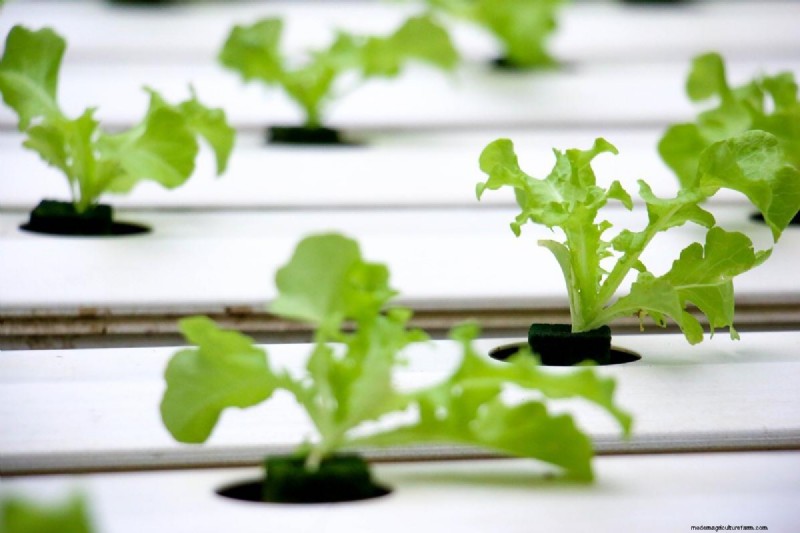 Hydroponic System (pic credit: pixabay)
Hydroponics can be extremely useful for growing vegetables, especially in areas where the conditions are not ideal or at those times of the year when the plant cannot grow. It is possible to grow many of those crops year-round, or you can grow them while planting many other crops that aren’t on the list in a different growing season. There are countless benefits to growing any plant, and here are just a few:
You may think of this: Budget Garden Ideas.
1. How can hydroponic vegetables grow?
2. Is it possible to grow vegetables hydroponically?
Almost anything can be grown hydroponically, but some plants require too much effort. For example, some fruits and vegetables take up too much space, making them less suitable for hydroponics. As a result, many species do well in hydroponic systems, as long as you know how to give them the support they need.
3. What is the best way to start a hydroponic garden?
4. Do hydroponic vegetables require sunlight?
Light is necessary for hydroponics, but not necessarily sunlight. It is possible to grow hydroponically outdoors or in a greenhouse where your plants will receive all the light they need. Alternatively, if you have an indoor space with sufficient natural lighting, that will work as well.
5. Can hydroponic vegetables be healthy?
Hydroponically grown vegetables can be just as nutritious as those grown in soil, depending on the solution they are grown in.
6. Which vegetables can’t be grown in hydroponics?
Using hydroponics as a growing method means growing faster and in a smaller space than you could using traditional gardening methods. Therefore, you should choose crops that support this space-saving approach if you use hydroponics. For example, corn is a good choice.
7. What are the three most common vegetables grown in hydroponics?
Almost any crop can be grown hydroponically, but tomatoes, cucumbers, peppers, leaf lettuce, celery, watercress, and some herbs are the most common.
8. How do you grow vegetables hydroponically? What are the two essential elements?
A hydroponic system uses less water than a traditional soil-based system. Therefore, hydroponic growing results in faster growth and higher yields than soil-based systems. Plants, containers, water, anchoring methods, nutrients, and light sources are required for hydroponically grown plants.
9. What is your method for growing vegetables hydroponically?
10. Hydroponic vegetables require how many hours of light?
Ideally, your system should have 14 to 16 hours of bright artificial light followed by 10 to 12 hours of darkness per day. Light and darkness are equally crucial to plants. Like animals, they need time to rest and metabolize.


