Welcome to Modern Agriculture!

In most areas of gardening, patience is a necessary virtue. Successful vegetable growing usually works to a time span of seasons, with the long anticipation of the coming harvest all part of the pleasure.
However, you don't always need to wait months to taste the results of your gardening work. With radishes, the whole process from seed packet to plate can take as little as four weeks, making them a useful crop for any veggie grower who's pressed for time.
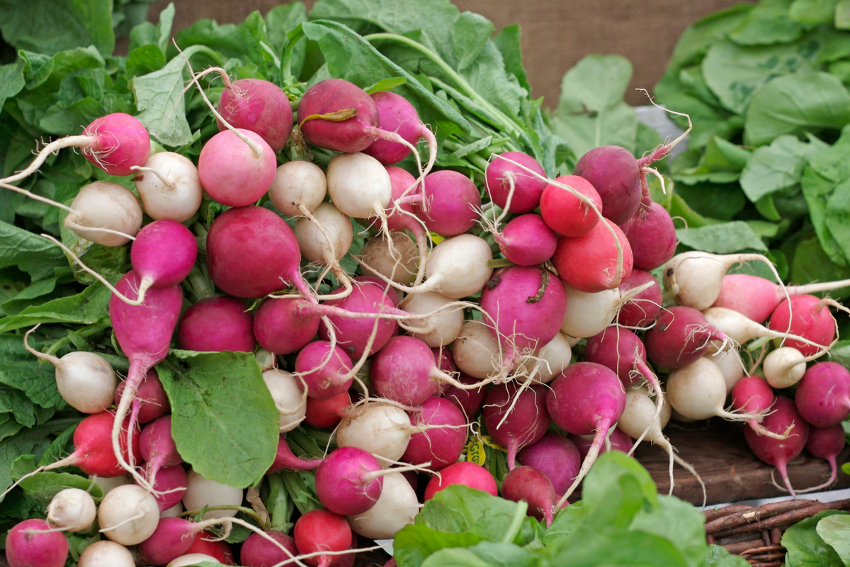
Radishes are probably most familiar as crunchy red globes adorning salad plates, but there's far more to this peppery member of the brassica family.
You can grow radishes in red, white, purple, or black to add colourful interest to your plate. Shapes and sizes range from the typical small balls to the impressively long daikon, much-used in oriental cooking. And with plenty of heirloom varieties available, you'll never run out of new novelties to try.
But whichever type of radish you decide on, the main distinguishing feature is speed: there's simply no faster way of putting home-grown food on your table.
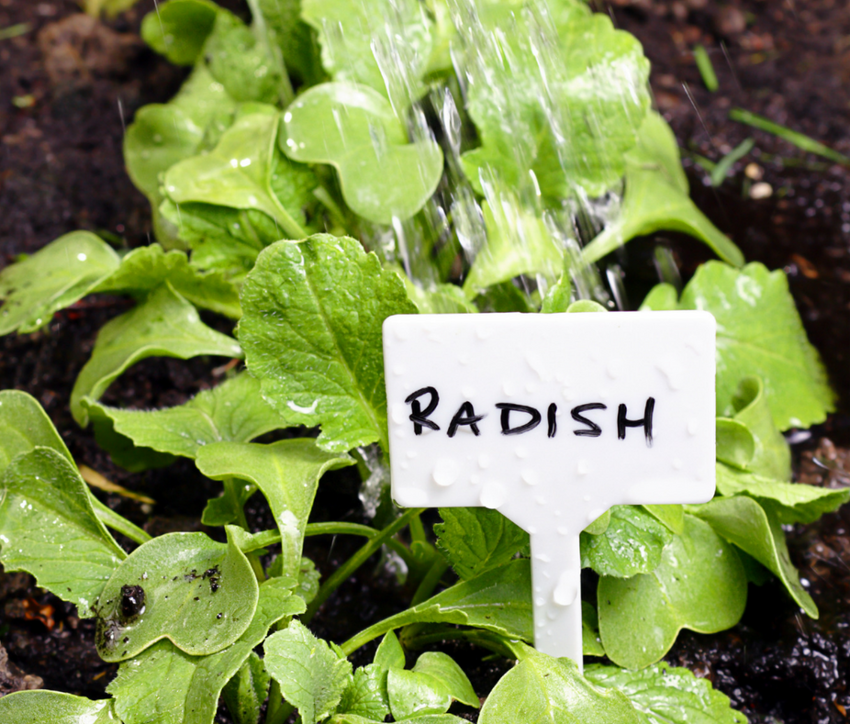
With radishes, sowing little and often is important. Their speed of growth means you're likely to be landed with a glut of roots maturing at once, so space small sowings a week or so apart to avoid being overwhelmed.
However, this fast turnaround means radishes are ideal for squeezing an extra crop out of a vegetable bed at the start or end of a season, when you have a few spare weeks to play with.
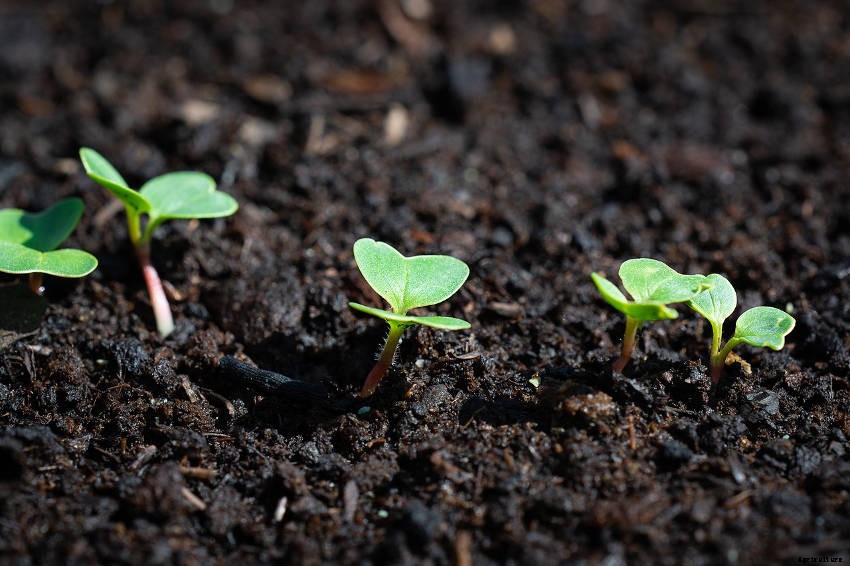
For best results, your container should be at least 20cm deep to accommodate the long radish tap root. Scatter the seeds lightly and cover with a centimetre of compost. Once the seedlings appear, thin to around 5cm in each direction. Harvest the roots on the young side, as radish are quick to bolt if they feel overcrowded.
Radishes are also happy to be sown direct into open ground. Sow the seeds around 1cm deep in rows 15cm apart. Aim for a spacing of 5cm between seeds.
Seeds can also be sown dotted in clumps to use up small spaces, but avoid overcrowding. Radishes will still grow when packed fairly close together, but the roots will quickly become woody and unpleasantly strong-tasting.
Whether you grow them in containers or sow direct, radishes have some fairly specific growing preferences.
Radish should be harvested as soon as they're mature - unlike many veggies, they keep more successfully in the refrigerator than in the soil. It's better to harvest slightly immature plants rather than to let them go even a couple of days past their peak.
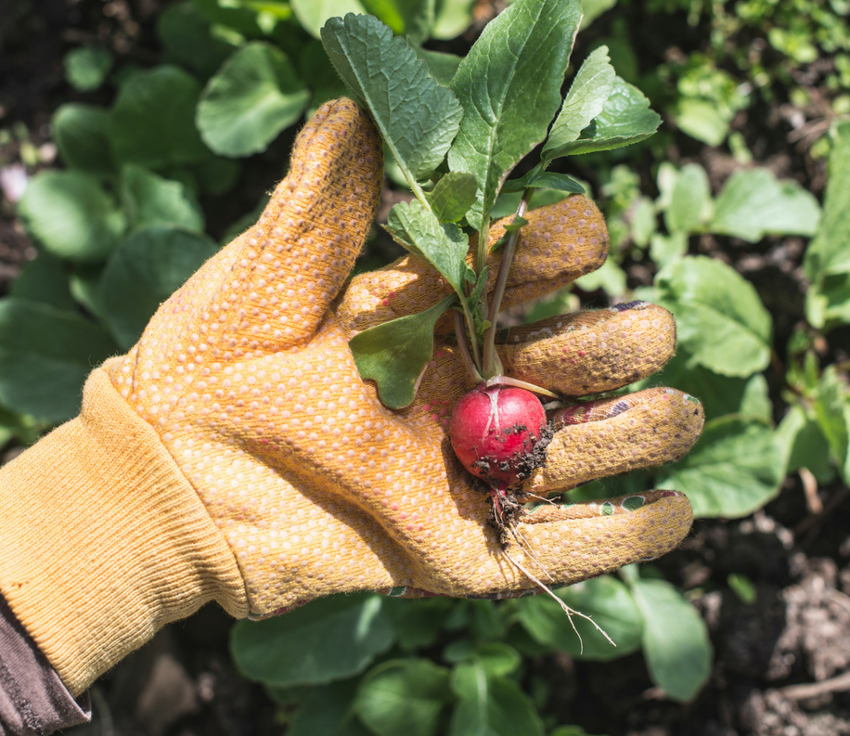
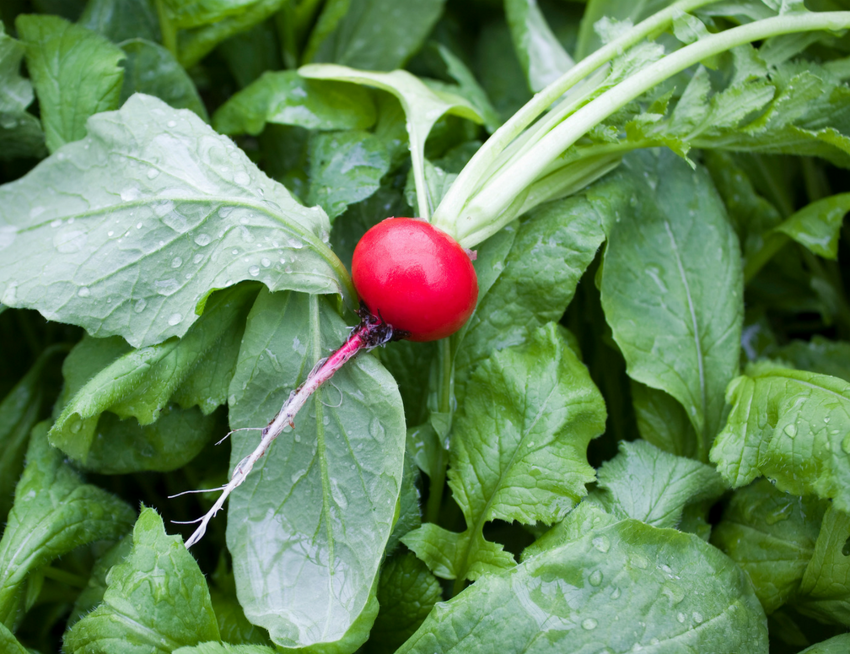
Maturing radishes will poke the top of their roots through the soil surface. Depending on the variety, once the visible part is around a thumbnail in size, they'll be ready to harvest.
Remove the stems and leaves immediately, cutting close to the root top. Although you'll often see bunches of radishes for sale with the leaves attached, this causes the roots to quickly deteriorate and shrivel as the wilting greens suck their moisture up.
Washed and dried, the roots can be kept in plastic bags in the refrigerator for two weeks or more. The leaves are also and can also be kept separately for up to three days.
If you have plenty of spare radish seeds - or if you've let a crop bolt by accident - you can use up the surplus by growing them as microgreens or sprouts. They'll take a bare week to produce masses of mildly spicy leaves perfect for salads or soups.
Although fresh radish roots are a mainstay of crunchy salads, the plant is more versatile than you might think, adding a peppery zing to both raw and cooked dishes.
However, radishes bring other benefits to the garden beyond providing a fast-growing, tasty crop.
Radishes are often underestimated by veggie growers. They might not offer the excitement of exotic spices or the sheer tastiness of a perfect heritage tomato, but they're dependable and far more versatile than most people think. And with such a short time to wait for a harvest, they can fit seamlessly into even the most hectic growing season.