
Welcome to Modern Agriculture!

When winter approaches, many gardeners wonder whether it is necessary to cover their gardens or their garden soil. We've researched this topic to give you accurate answers!
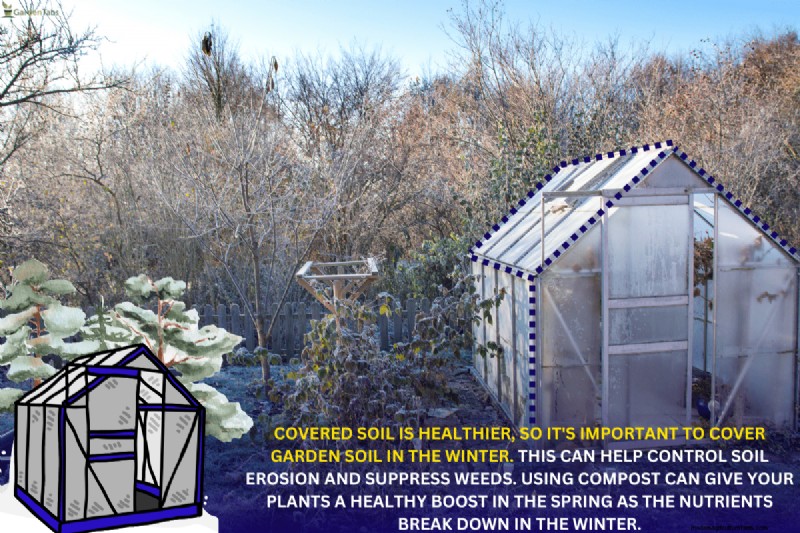
Covered soil is healthier, so it's important to cover garden soil in the winter. This can help control soil erosion and suppress weeds. Using compost can give your plants a healthy boost in the spring as the nutrients break down in the winter.
Read on to learn more about why it's important to cover your garden or garden soil in the winter. We'll also discuss frequently asked questions.
In general, there is no denying that gardens have a certain appeal to people everywhere. There's something about it that brightens up a dark, modern environment. As winter approaches, this can be a difficult time for most gardeners.
Covering the garden or garden soil for the winter saves the hassle of spring weeding and composting. A thin coating can freeze the top layer while protecting beneficial bacteria and insects that stay in the soil.
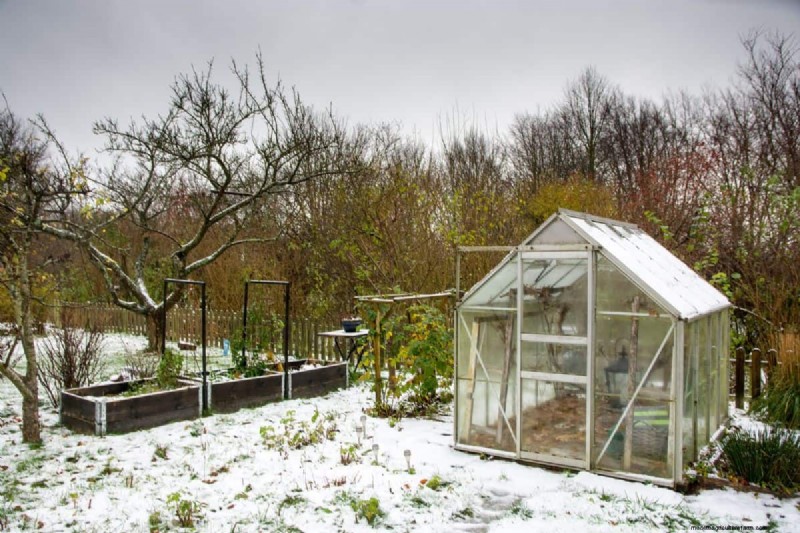
Additionally, it lessens soil erosion brought by wind and snowmelt.
These are the following options you can use to cover up your garden:
Keep garden beds in place while mulching with bark mulch.
You can use organic straw or hay that has not been treated with pesticides. However, if you are unfamiliar with herbicides, avoid using them as they can potentially destroy your crops.
For protection and the spring nutrients the provide, dry leaves make a great cover. By early spring, the leaves will be partially rotted and ready to be composted or left out.
Cover crops are fast-growing plants that are sown in late August or fall to improve the soil, keep weeds out, and protect the soil during the winter.
Covering your annual beds with tarps or cardboard can eliminate most of the weeds in the spring if they have already grown. Tarps can be reused. However, the cardboard will be damaged.
Here are some of the ways you can improve the soil condition in your garden:
Soil erosion is prevented by plant roots. Bacteria feed on rotting plant roots. Instead of cutting the roots of the vegetables each year, just cut off the stems and leave the roots intact.
Cover crops are plants that are sown to cover barren soil rather than being harvested. Frost destroys dead cover crops in winter. Plant matter sown in late summer or fall will remain in place for the winter and will be decomposed by spring planting.
A soil test can tell you if your soil is deficient in nutrients. The test works best in late summer or early fall when your garden plants will absorb most of their nutrient needs for the year.
By using compost and organic additives, you can jumpstart spring. Microbiology will continue to convert organic debris into nutrients throughout the winter. You might make your compost piles out of yard waste, compost from manure, or compost in a trench.
You can just scatter any yard waste on top. Microorganisms can be protected by 1 to 2 inches of compost, allowing the cold to kill off diseases and pests.
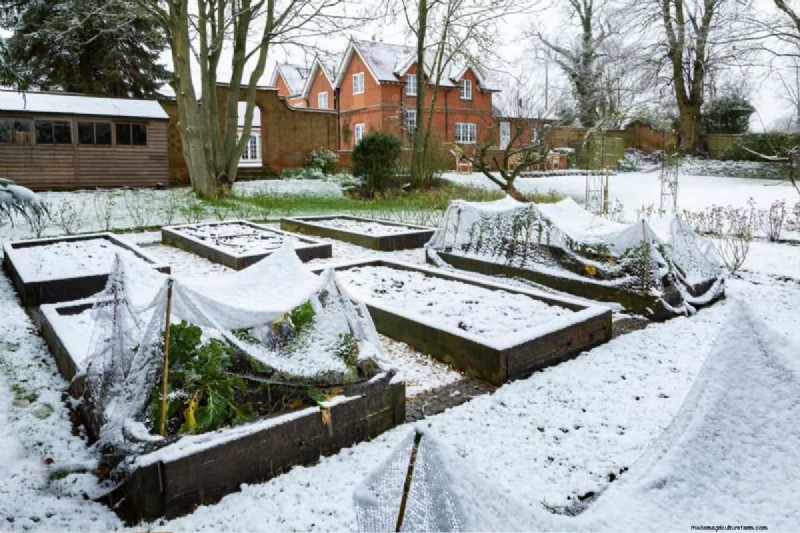
Use mulch, such as plastic sheeting, straw, wood chips, or leaves, to cover the soil after applying compost and additives. Mulch will help hold the compost in place and protect the soil from wind, rain, and melting snow. It also keeps the ground warm.
Here are some effective ways you can prepare your garden beds for winter:
Remove any remaining weeds or plant debris, especially if some pests or diseases may overwinter during the growing season. Once fully occupied, drown out the weeds.
Before winter sets in, take a soil sample to determine the overall health of your soil and the nutrients present. The soil can be affected when compost and additives are added.
After eliminating weeds and roots, many holes can form in the garden bed. Fill up the holes by leveling existing dirt.
Apply a layer of compost that's 2 to 4 inches thick. Your garden beds are prepared for spring, and compost will break down during winter and early spring.
When the ground freezes, it suppresses weeds and prevents erosion while killing any remaining pests and diseases. Microbiology also perishes. Although this is a drawback, it can also dig deeper into the ground.
To make sure your bed is spring-ready, nail the boards back in place and repair any that are rotten or loose. You can also wait until spring if the winter is very harsh on your wood.
Writing about what went well, what didn't, and improvements you'd like to make the next year is an excellent idea. This way, you'll be prepared when the seed catalogs show up.
Fresh grass should be sown, fertilized, and mulched in the fall. During winter, the rhizomes and roots of the grass grow rapidly. Providing your lawn with the right amount of fertilizer will give it the nutrients it needs to thrive.
With proper maintenance, that fall dirt patch will turn into a thick lawn in the spring. Plants convert sunlight into energy through a process known as photosynthesis. To promote new growth into leaves or buds, they use this energy.
In addition, they store energy for use during sleep. There is lesser sunlight for photosynthesis in the winter. Plants concentrate their energy underground, where they develop strong root systems that allow them to withstand harsh conditions for years.
While many crops cannot survive the worst winter conditions, many vegetables can tolerate and even benefit from the milder temperatures of fall and winter. Sunshine is the biggest limitation at this time of year.
Your garden soil should not be left uncovered in winter. Wind, rain, and cold can damage the delicate top layer. It will lose its nutrients and structure and begin to decompose.
When your summer garden is over, nature will take over weeding if you don't provide a cover.

Frost can also affect your soil. Due to the expansion and contraction of soil moisture with freezing and thawing, moist, poorly drained soil can suffer from frost.
Add organic additives to your beds during fall to improve drainage and soil structure and prevent aggressive swell.
The period of full maturity, called the chill period, is necessary for many plants to bear fruit and flower. In the fall, hormones are produced that reduce bud formation. This way, plants won't waste energy during the cold months by creating sensitive new growth.
Other hormones are produced as the weather warms up, which means everything is going well. These signals cause the plant to produce new growth and start flowering.
Most ice fruits require between 700 and 1,000 hours of chilling, while apples can require up to 1,400 hours of chilling.
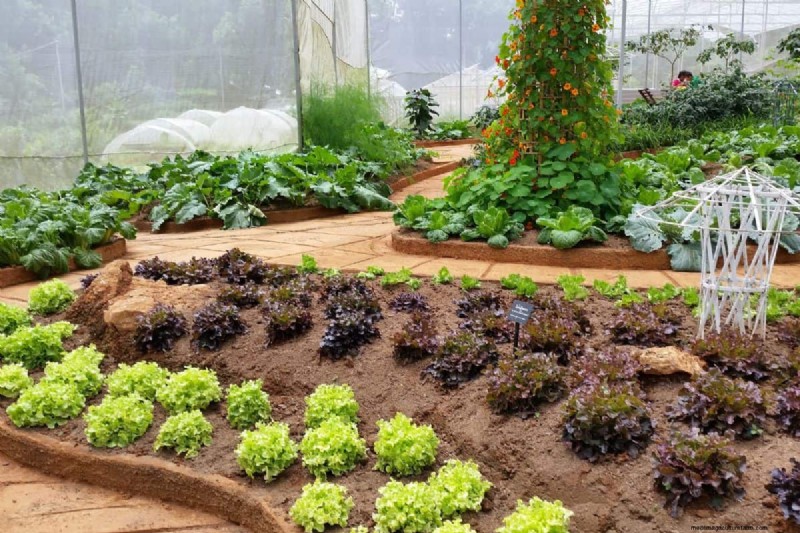
With winter approaching, it's important to cover your garden before the first snow falls. This way, there are fewer problems when planting and growing crops in the spring.
We hope this article has given you an idea of how important it is to cover your garden in the winter. If you want to know more, read our other posts below:
How Do You Prepare Soil For A Roof Garden?
How To Keep Weeds Out Of Your Garden

