
Welcome to Modern Agriculture!

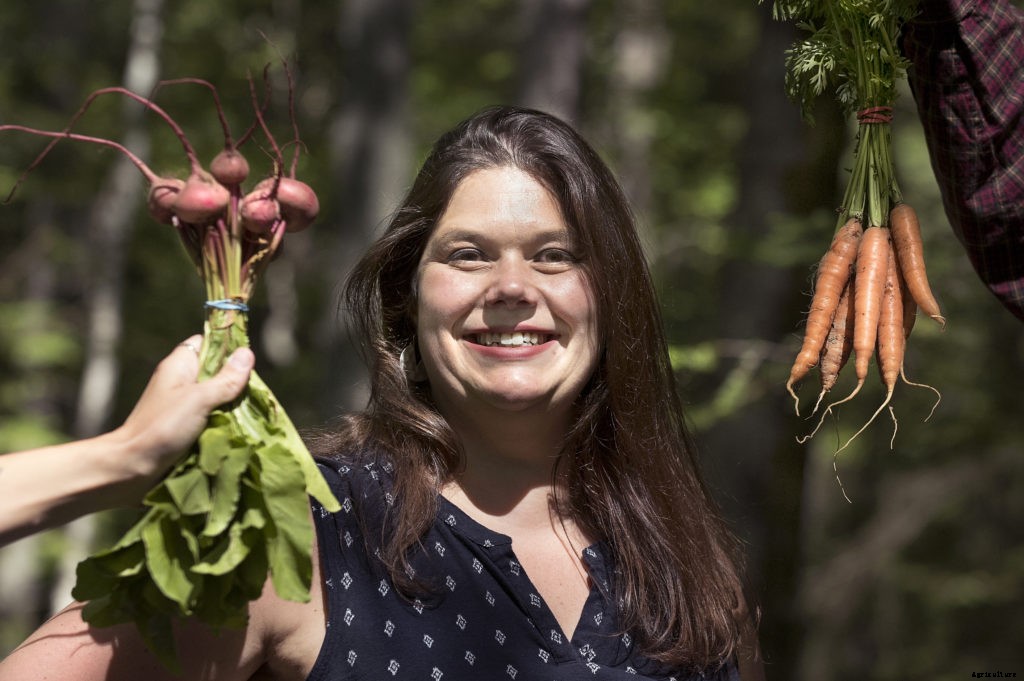
It was a small rectangular plot, cut from my lawn and sort-of tilled by hand — if you can consider a little light digging tilling. In there, I planted my first garden, surrounding it with cheap metal garden fencing.
I can’t remember if I used seeds or seedlings, though I think it might have been seeds. And then I watered it dutifully, awaiting my bountiful harvest. In my mind, I pictured feeding my small family mostly with food grown in that little garden.
But it wasn’t bountiful. In fact, I don’t think I harvested anything that year. What little did actually grow was treated as a salad bar by my dogs. At least they enjoyed it, I suppose.
Another year, another spot outside, I tried again. A few sour blueberries and itty bitty carrots less than an inch long grew.
Eventually, after much trial and error, I built raised beds in a sunny spot beyond the dogs’ reach. In those boxes, I grew tomatoes, cucumbers, broccoli, tomatillos and more. It worked — aside from deer damage (it was their salad bar, that year). The next year, I added a fence (a bit too short though) and a gate. The new apple trees didn’t make it — some infectious thing got to them. Pumpkins grew like wildfire.
And for a time, my setup worked for me.
Moving, though, is time-consuming so there were two years where nothing was planted or grown. In those years, I relied on local farmers for all our produce. Then, during our second summer in Maine, we experimented with container gardening on our porch to limited success. I suspect the soil just wasn’t quite right — it needed amendments to be more … something.
When we joined the Bangor Community Garden, things finally came together.
I learned about soil levels in boxes, how to properly use compost and the importance of real tilling. I already knew to rotate crops, but I also learned about what to stake and what not to. We planted seedlings from local farmers and watched with amazement as they grew. And then I got brave, planting seeds instead of seedlings for most of our plants.
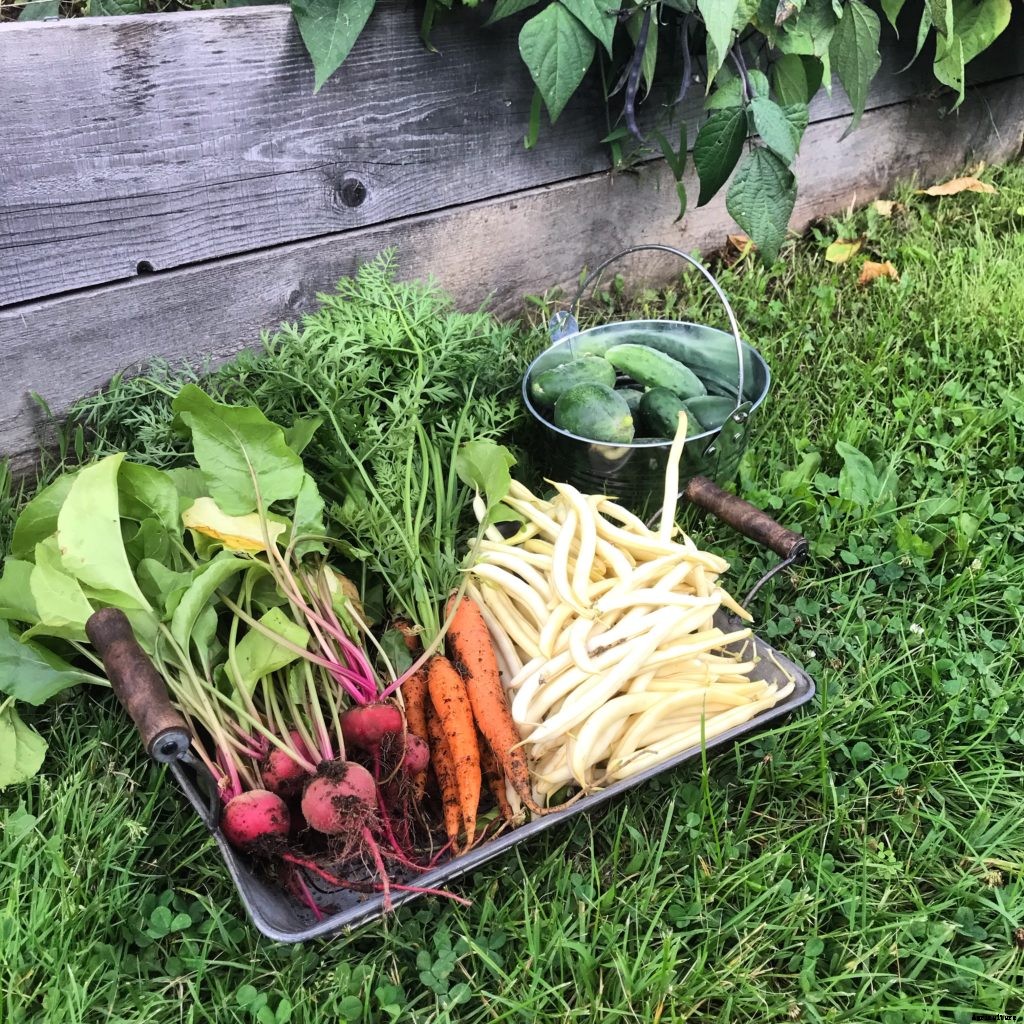
It’s been 13 years since I planted my first kitchen garden. To say I backed into successful gardening is a major understatement. It wasn’t that I didn’t have teachers all around me — it was that back in Connecticut, I didn’t listen enough. Even as my farmer cousins told me again and again to use their nutrient-rich compost instead of my haphazardly made backyard pile, I didn’t listen. And my harvest bore the results.
When I did listen, when Bangor Community Garden Master Gardener Byron Hale showed me, working alongside me, how to till, how to add compost, how to prepare a box for growing, then it clicked.
This year, we tended four boxes, growing vegetables to eat immediately and to save for winter. We’re stocking a freezer and looking forward to enjoying summer’s bounty during the dark days that will come. This is the growing season I’ve always imagined we could have.
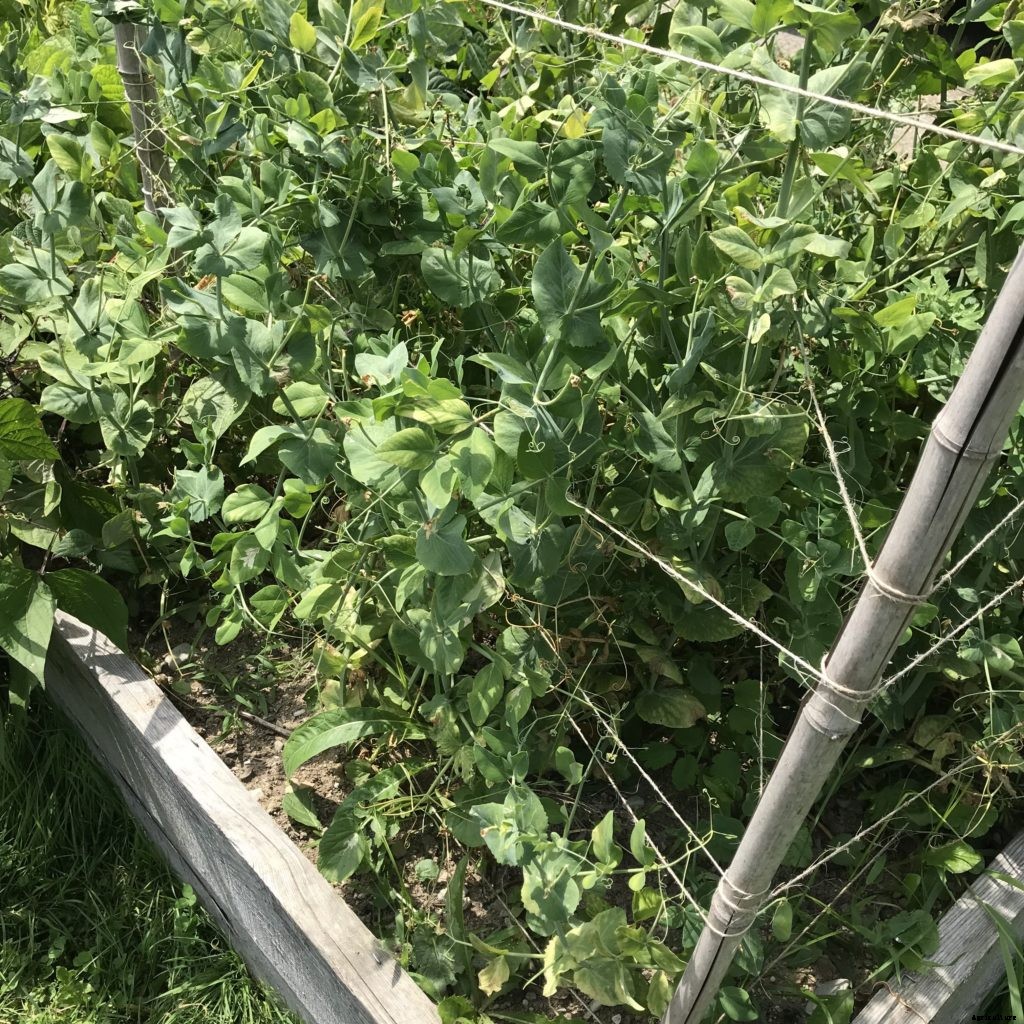
My name is Sarah Walker Caron and I am a food writer who became a food grower through lots of trial and error. If there’s a mistake to make, I’ve probably made it. And over the years, I’ve come to focus on a few guiding principles when planting kitchen gardens.
Farm to Kitchen Table is a weekly column that tackles growing and cooking food. Sometimes, I will write about gardening. Sometimes I will write about eating local. Sometimes I will share a recipe. From sustainable eating to waste reduction to growing your own food, the breadth of topics I’ll cover is wide. But every week, you can count on learning something new in this space. I hope you love it.


