
Welcome to Modern Agriculture!

hello saffron gardeners, Are you planning to perfect soil for saffron? Well, this guide helps with optimal soil preparation. The condition under which saffron, often known as “red gold” or “golden spice,” grows is extremely delicate, and it has a high market value. In order for urban gardeners to effectively plant saffron, they must first ensure that the soil is adequately prepared using the appropriate techniques. This will ensure that the bulbs are robust, that the blooms are appealing, and that a large number of harvests are produced.
Whether you are cultivating in raised beds, containers, or small backyard plots, the subtleties of soil preparation can significantly impact the outcome. Creating the perfect growing environment for saffron in urban settings is the subject of this book, which covers the fundamental procedures that need to be performed in order to accomplish this goal. Drainage and pH balance are two of the phases that are included in this process, along with nutritional content and sustainability. There is the potential to develop this beautiful crop in even the tiniest of locations, provided that the appropriate foundation is utilized.
The cultivation of saffron begins with the initial preparation of the soil, which is especially important in urban environments where space and resources are restricted. In order for saffron plants to flourish, it is essential to have the correct soil, which guarantees healthy bulb growth, optimal drainage, and the availability of beneficial nutrients. Growers in urban areas need to concentrate on developing an atmosphere that is analogous to the natural circumstances that prevail in the Mediterranean region, where saffron is native. It is essential to have a solid understanding of the soil requirements before beginning any planting endeavor, whether it be in containers, raised beds, or tiny plots.
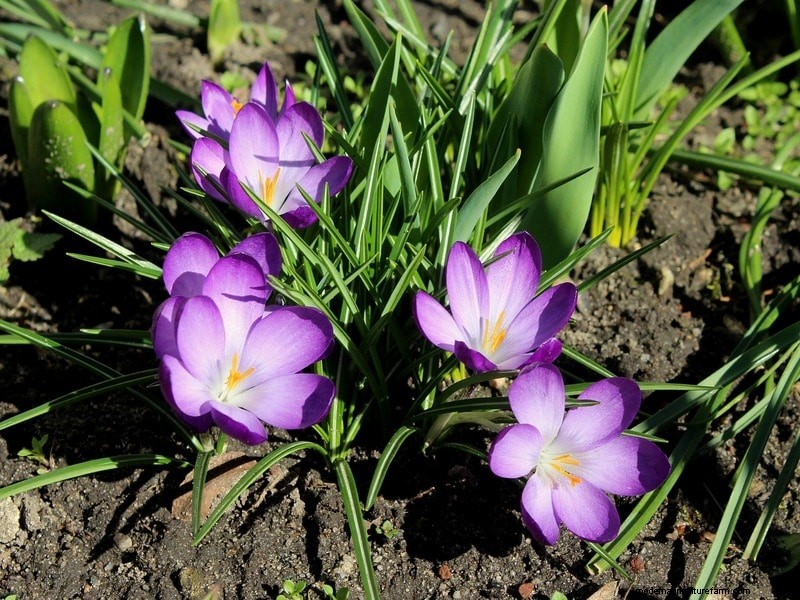
The ideal conditions for saffron cultivation are sandy loam soil that drains well and has a pH that ranges from 6.0 to 7.0. Bulb suffocation can be caused by heavy clay soils or soils that are prone to waterlogging, which can lead to bulb rot. Prior to planting, urban gardeners should do soil tests and make any necessary amendments to the soil. Because of their superior drainage capabilities, pre-mixed potting soils that are developed for cacti or succulents are a great choice for gardens that are located on balconies or rooftops.
In urban locations, where rainwater may pool in containers or compacted soil, proper drainage is an absolute necessity for saffron growing. This is especially prevalent in metropolitan environments. Bulb rot is caused by an excessive amount of moisture, which can render an entire crop useless. Growers in urban areas can increase drainage by incorporating perlite, coarse sand, or gravel into their soil. Pebbles placed at the bottom of containers prevent water from pooling around the roots of the plant, which is another benefit of using this method.
The best soil mixture for growing saffron in urban areas is composed of fifty percent sandy loam, thirty percent compost, and twenty percent perlite or vermiculite. Because of the structure, nutrients, and aeration that this mixture offers, bulbs are provided with everything they require to produce healthy growth. Through the addition of organic matter, compost enhances fertility without oversaturating the soil with nitrogen, which inhibits the growth of flowers and instead encourages the growth of leafy plants.
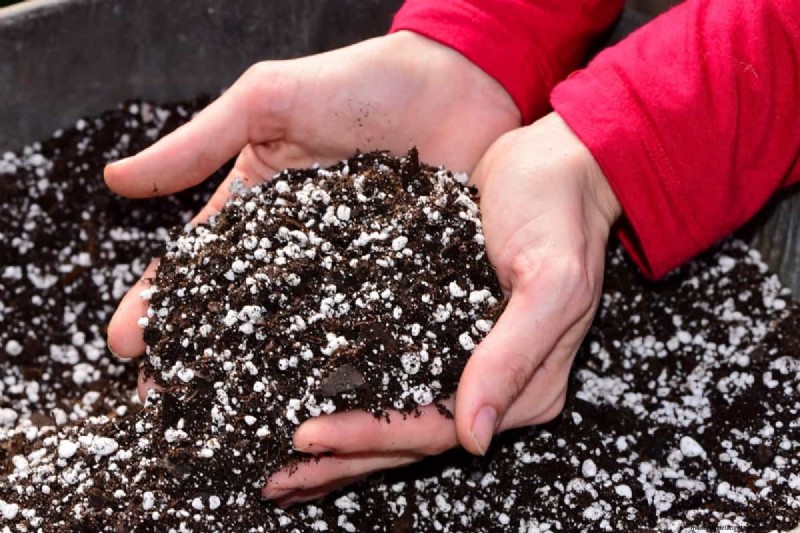 ComponentPercentagePurposeSandy Loam50%Provides structure and drainageCompost30%Adds nutrients and improves soil fertilityPerlite/Vermiculite20%Enhances aeration and prevents waterlogging
The pH of the soil is frequently overlooked by urban farmers, despite the fact that it plays an essential part in the availability of nutrients. Saffron thrives in a pH range that is slightly neutral (6.0–7.0). Lime or wood ash can be added to your soil in order to boost the pH level if it is excessively acidic. In the opposite direction, sulfur or peat moss can bring the pH down if it is excessively alkaline. It is not difficult for urban farmers to complete this stage because simple pH testing kits are not only inexpensive but also commonly available.
When it comes to planting in containers, use pots that are at least 6–8 inches deep and have sufficient drainage holes. To ensure that there is sufficient space for bulbs to be planted three to four inches deep, fill them with the soil mixture that is advised. It is important for urban growers to avoid overcrowding their plants; spacing bulbs four to six inches apart encourages enough airflow and lowers the risk of fungal infections. When it comes to planting in containers, the majority of individuals fail to properly prepare the soil.
Because they offer greater drainage and excellent soil control, raised beds are an ideal solution for urban saffron farming. This is because raised beds are a fantastic alternative. Building beds with a depth of eight to twelve inches and filling them with the appropriate soil combination is the next step. It is recommended to line the bottom with garden fabric in order to avoid the growth of weeds while also retaining the capacity to breathe effectively. Raised beds are an ideal choice for gardens that are established on rooftops or in backyards because of their capacity to withstand the presence of pests such as rodents and other things.
For urban saffron growers, mulching is a practice that is not only straightforward but also highly effective. The application of a thin layer of organic mulch, such as straw or bark chips, assists in the retention of moisture, prevention of weed growth, and regulation of soil temperature. Because saffron bulbs are susceptible to conditions in which they become soggy, you should avoid using heavy mulches that hold extra moisture. Decorative stones or gravel can also be used by urban farmers to add to the aesthetic appeal of their plants.
Despite the fact that saffron does not require large amounts of fertilizer, a balanced approach improves the health of the bulbs and increases blossom production. At the time of planting, make use of a slow-release fertilizer that has a nitrogen, phosphorus, and potassium ratio of 10-10-10. A high-nitrogen feed should be avoided since it promotes foliage growth rather than blooming. In order to incorporate additional nutrients into their crops during the growing season, urban farmers can use diluted seaweed or compost tea as a supplement.
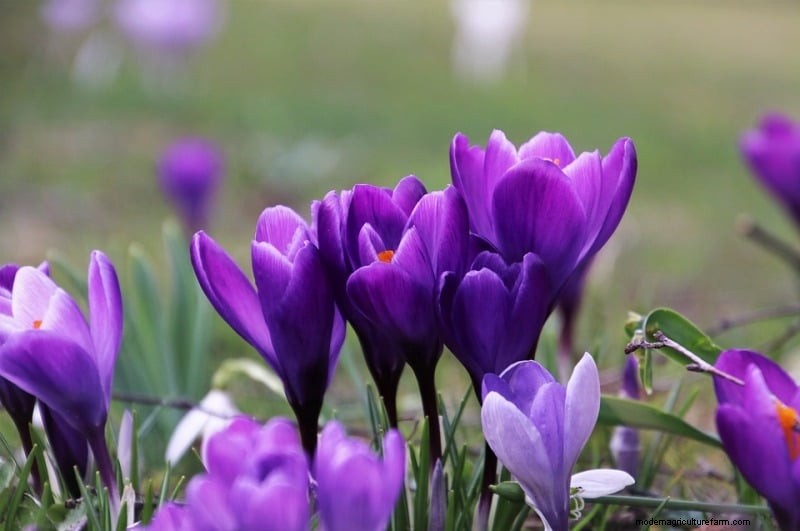
Compression is a common problem in urban soils, particularly when they are contained in containers or on tiny plots of land. This can hinder root growth and drainage. Compost or coconut coir are two examples of organic matter that can be incorporated into the soil mix to alleviate this issue. Additionally, the structure of the soil can be improved, and compaction can be avoided by aerating it on a regular basis by gently loosening it with a fork.
Microclimates are frequently produced in urban contexts as a result of the presence of buildings, pavement, and other structures. This can have an effect on the temperature and moisture levels of the soil. Because they are more likely to dry up fast, balconies or rooftops that face south may require more frequent watering. It’s possible that areas that face north may be cooler and wetter, which will increase the likelihood of fungal problems. Urban producers should modify their soil preparation and maintenance practices to accommodate these unique conditions.
In urban farming, sustainability is of the utmost importance. Following the harvesting of saffron, the soil should be reused for other crops, or new compost should be added to it in preparation for the subsequent planting cycle. Reusing soil is something that should be avoided because, with the right additives, it can still be of benefit. Growers in urban areas who practice sustainability not only save money but also cut down on waste, which is in line with the principles of eco-friendly agriculture.
It is possible for there to be contaminants in urban soils, such as heavy metals or pollutants, which originate from surrounding roadways or industrial areas. Test the soil for the presence of pollutants and take corrective action if necessary before growing saffron. The use of raised beds or containers that are filled with clean soil that has been purchased provides a risk-free alternative for urban farmers who are concerned about the possibility of contamination.
Growers in Ohio have revealed some important findings on the cultivation of saffron, as reported by North Central Sustainable Agriculture Research and Education organization (SARE).
In the summer, saffron bulbs enter a latent state and require soil that is dry and undisturbed. During this time, urban growers should refrain from watering their plants in order to simulate the conditions of natural dormancy. Before replanting bulbs, the soil should be prepared once more in the late summer by gradually loosening it and adding fresh compost or fertilizer that has been recently applied. When it comes to long-term production, consistent seasonal maintenance is essential.
The presence of organic matter is necessary for the enrichment of urban soils, which frequently lack nutrients due to the restricted natural replenishment that occurs in metropolitan areas. Not only does the addition of compost that has been well-rotted or aged manure help the fertility of the soil, but it also improves air circulation and water retention. In the context of urban saffron farming, organic matter serves as a buffer against compaction and pH imbalances, guaranteeing that bulbs receive consistent sustenance throughout the entirety of their life cycle. In order to maintain the soil’s vitality and productivity year after year, it is necessary to regularly replenish its organic content.
Gardens that are located on rooftops or balconies are susceptible to soil erosion that might be caused by wind or high rains. Growers in metropolitan areas should make use of windbreaks such as mesh screens or plant barriers in order to safeguard their saffron bulbs. The addition of a layer of gravel or decorative stones on top of the soil in containers helps to improve drainage while also reducing the amount of erosion that occurs. These precautions guarantee that the soil that has been meticulously prepared will continue to be intact and functioning, thereby giving a solid foundation for saffron plants to develop in spite of the challenges that are posed by the urban environment.
Surfaces that absorb heat, such as concrete and asphalt, are frequently responsible for the high temperature swings that are experienced by urban soils. Saffron bulbs can be stressed by these variations, particularly during times of hibernation or flowering. Growers in metropolitan areas can protect their plants from this issue by insulating their containers with reflective materials or shade cloths. Within raised beds, the addition of a layer of mulch or the utilization of containers with lighter colors helps to regulate the temperature of the soil, a more stable climate in which saffron can flourish.
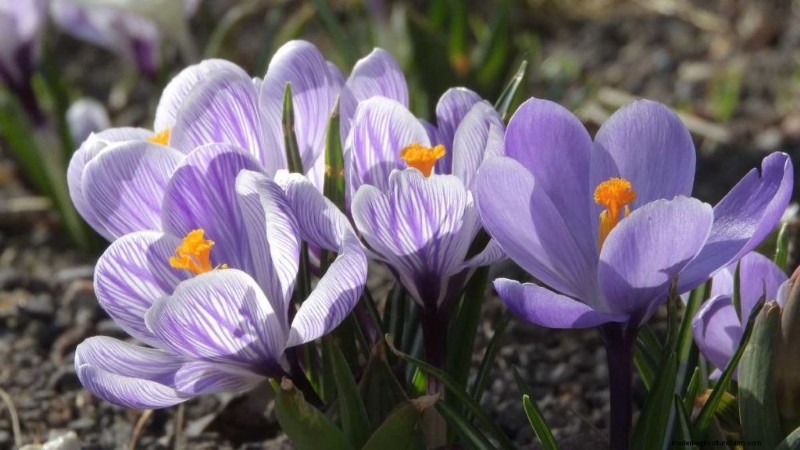
Saffron farming in urban areas is both an art and a science, and the preparation of the soil for this purpose requires careful attention to detail as well as a dedication to the creation of perfect growing conditions. Urban gardeners can overcome space limits and environmental problems to cultivate thriving saffron plants by focusing on adequate drainage, balanced nutrients, and sustainable techniques. This allows them to cultivate saffron plants. Mastering the art of soil preparation is essential to achieving success in gardening, regardless of whether you are a novice who is experimenting with containers or an experienced gardener who is optimizing raised beds.
You may also like this: Is Saffron Farming Profitable?: Breaking Down Costs and Earnings.
Your urban saffron garden has the potential to become a source of beauty, satisfaction, and even profit if you are patient and take care of it. This demonstrates that the “golden spice” can thrive even in the middle of the city.


