Welcome to Modern Agriculture!

Hello indoor gardeners, Are you planning on setting up a succulent garden and confused about cost components? Here we present a complete breakdown of the cost to start an indoor succulent garden. As a beautiful way to bring life and beauty into your house while also enjoying the relaxing effects of gardening, starting an indoor succulent garden is a good way to accomplish both of these goals. Because of their hardiness, low maintenance requirements, and distinctive designs, succulents are an excellent choice for gardeners of all experience levels, from novices to seasoned professionals. With that being said, one of the most frequently asked questions is: How much does it actually cost to begin cultivating a succulent garden inside? Despite the fact that the initial investment may vary depending on factors like the types of plants, the containers, the soil, and the tools, there are numerous ways to grow a flourishing garden without going over budget.
Within the scope of this guide, we will investigate every facet of beginning a succulent garden, including the costs of plants and soil, as well as hidden charges and suggestions for preventing financial strain. The following breakdown will assist you in planning, budgeting, and enjoying your adventure of growing succulents indoors with confidence, regardless of whether you are wanting to cultivate a modest collection or build an intricate display.
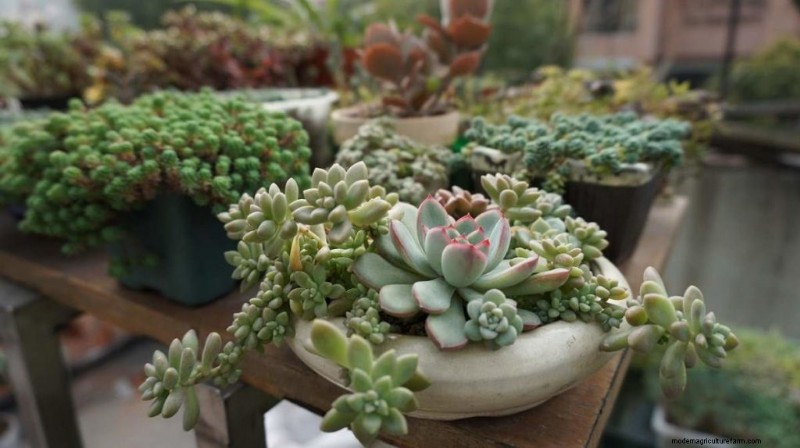
When you want to bring greenery into your house while also enjoying the therapeutic advantages of gardening, starting an indoor succulent garden is a technique that is both economical and gratifying. The overall cost of beginning a succulent garden is contingent upon a number of elements, such as the size of your garden, the kinds of plants you select, and the resources that you make use of. In the event that you are just beginning your succulent gardening endeavors with a modest collection of typical succulents such as jade or aloe, for instance, your expenses will be relatively inexpensive. On the other hand, the costs may drastically climb if you are interested in extremely rare types or attractive pots. Depending on your tastes, the price of an indoor succulent garden for beginners could range anywhere from $35 to $155, on average.
Breakdown of Costs for Different Garden Sizes:
Garden SizeNumber of PlantsEstimated CostSmall (Beginner)5-10 plants$35 – $75Medium (Intermediate)10-20 plants$75 – $150Large (Advanced)20+ plants$150+If you carefully plan your budget and investigate cost-effective solutions, such as propagating plants or using repurposed materials, you can construct a stunning succulent garden without going over budget.
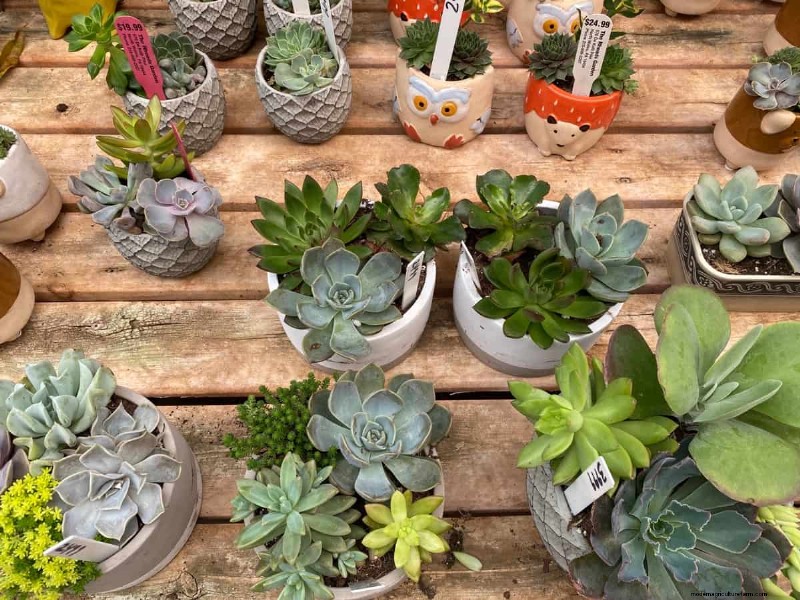
When beginning an indoor garden, one of the most significant expenses is the quantity of succulent plants that are required to be purchased. There is a large availability of common succulent species, such as jade plants, echeverias, and hens-and-chicks, and they are quite inexpensive, with prices normally ranging from $2 to $5 per plant. Because they are simple to care for and can be found easily at local nurseries, garden centers, or even grocery stores, these plants are ideal for anyone who is interested in beginning their gardening journey. On the other hand, the price of a single plant of a rare or exotic succulent, such as a variegated string of pearls or lithops, can range anywhere from ten to thirty dollars. This is since these succulents have a distinctive appearance and are only available in limited quantities. If you are seeking to save money, you might think about purchasing pre-grown succulent arrangements. These arrangements typically consist of numerous plants in a single pot and run anywhere from twenty to fifty dollars. Your inside space will immediately benefit from the instant visual attractiveness that these arrangements bring, in addition to being cost-effective.
Popular Succulent Varieties and Their Prices
Succulent VarietyPrice RangeJade Plant$2 – $5Echeveria$3 – $8Variegated String of Pearls$15 – $30Lithops$10 – $25To thrive, succulents need soil that drains effectively; therefore, the selection of the soil mix is an essential component in determining their level of success. There is a broad availability of pre-made cactus and succulent soil mixtures at garden shops and online retailers, with the average price per bag ranging from $8 to $15. In most cases, a single bag is sufficient for maintenance of a modest indoor garden; nevertheless, larger projects may call for the utilization of many bags. Alternatively, you can make your own soil mix by combining standard potting soil with sand and perlite. This is a more cost-effective choice, as the total cost of the components ranges from approximately $5 to $10. Using this method, you will be able to save money while still being able to tailor the mixture to the requirements of your plants. When it comes to preventing root rot and guaranteeing healthy growth, it is vital to make an investment in the appropriate soil mix. This is true regardless of whether you purchase soil that has already been created or make your own.
Comparison of Soil Mix Options:
Soil TypeCost Per BagBest ForPre-Made Succulent Mix$8 – $15BeginnersDIY Mix (Soil + Sand + Perlite)$5 – $10Custom NeedsThe container or pot that you decide to use for your succulents can have a big impact on the overall appearance of your garden as well as the amount of money that you spend on it. Plastic pots are the most cost-effective option, with prices often ranging from one dollar to five dollars per pot. They have a low weight, are long-lasting, and are fantastic for novices.
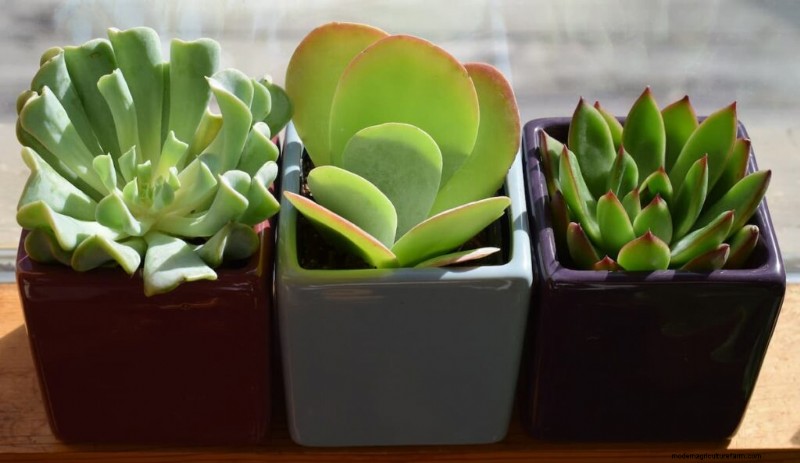
Ceramic containers, on the other hand, have a more decorative and sophisticated appearance, but they come with a larger price tag, with the price of each ceramic container ranging from $5 to $20. Even while hanging planters are another popular option for indoor succulent gardens, particularly for vertical spaces, they are typically more expensive than other options, with each hanging planter costing between ten and thirty dollars. It is essential to check that the containers you choose have drainage holes in order to avoid water from pooling and producing root rot that can be detrimental to your plants. If you are on a tight budget, consider reusing old containers or using recycled materials to create unique and affordable pots.
Pot Material Durability and Price:
Pot MaterialPrice RangeDurabilityPlastic$1 – $5HighCeramic$5 – $20ModerateTerracotta$3 – $15Low (Prone to Cracking)The appropriate equipment can make the process of caring for succulents considerably simpler, despite the fact that succulents are plants that require little maintenance. When it comes to planting, pruning, and maintaining your succulent garden, you will need certain fundamental tools such as trowels, pruners, and watering cans. The price of a small hand trowel can range anywhere from $3 to $10, while the price of pruning shears can be anywhere from $5 to $20, depending on the brand and the quality of the product.
Among the many helpful tools available, a simple watering can can be purchased for anywhere between $5 and $15. In spite of the fact that these instruments are not very expensive, making an investment in high-quality alternatives might end up saving you money in the long run because they deliver durability and dependability. If you are just starting out, you can also utilize common household goods like spoons or scissors as substitutes for specialized instruments, which will further reduce the initial expenditures that you incur.
Tool Brands and Their Price Ranges:
Tool BrandPrice RangeQuality LevelFiskars$10 – $20HighCorona$5 – $15ModerateGeneric/Store Brand$3 – $10BasicEnhancing the visual appeal of your indoor succulent garden can be accomplished by including the addition of accessories such as pebbles, colorful stones, or moss. It is not necessary to wear these accessories; however, they can make a significant difference in achieving a polished and professional appearance. You can use pebbles and gravel to increase drainage and give texture to your arrangement. These materials are inexpensive, often costing between $3 and $10 per bag, and they can be used to do both of these things. With prices ranging from $5 to $15 a bag, decorative stones, such as marbles or colored glass, are a little bit more expensive than other types of stones.
The price of a package of moss, which is typically used as a top dressing for terrariums or decorative pots, ranges from two dollars up to eight dollars. Although these accessories are not necessary for the well-being of your plants, they have the potential to improve the overall appearance of your succulent garden and turn it into a focal point in your home.
Aesthetic Impact of Accessories:
AccessoryCostVisual ImpactPebbles/Gravel$3 – $10NeutralDecorative Stones$5 – $15HighMoss$2 – $8Soft, Natural LookEspecially if your room does not receive enough natural sunlight, lighting is an essential factor to take into mind while cultivating succulents inside. When it comes to thriving, the majority of succulents demand a minimum of six hours of strong, indirect light per day. In the event that your residence does not receive an enough amount of natural light, it is vital to purchase grow lights. LED grow lights are normally priced between $15 and $30, and they are both cost-effective and efficient in terms of energy consumption.
Another option is full-spectrum bulbs, which are able to simulate the effects of natural sunshine. However, these bulbs are typically more expensive, with prices ranging from $20 to $50. When selecting grow lights, it is important to take into consideration the size of your garden as well as the quantity of plants that require illumination. Not only does adequate illumination guarantee healthy growth, but it also helps to prevent problems such as etiolation, which is a stretching that can be caused by insufficient light.
Energy Efficiency of Grow Lights:
Light TypeCostEnergy Usage (Watts)LED Grow Light$15 – $3010-20WFull-Spectrum Bulb$20 – $5025-50WOne of the most essential components of succulent maintenance is watering, and one of the most common mistakes that can result in root rot is overwatering the succulent. To prevent this from happening, it is beneficial to make use of watering supplies that enable exact control. Spray bottles are a cheap choice that may be used for sprinkling leaves or softly watering tiny plants. They normally cost between $2 and $5, and they are great for these purposes. Drip irrigation kits, which can be purchased for anywhere between ten and twenty-five dollars, are a great way to automate the process of watering larger gardens and ensure that they receive consistent levels of moisture. These kits are especially helpful if you have a lot on your plate or if you have more than one plant that has to be cared for. In order to avoid overwatering, it is essential to allow the soil to completely dry out in between waterings. This is true regardless of the method that you choose to use.
Watering Methods and Their Suitability:
MethodCostBest ForSpray Bottle$2-$5Small GardensDrip Irrigation Kit$10-$25Large GardensIn spite of the fact that succulents do not require frequent fertilizer, it is nevertheless beneficial to provide them with nutrients once every few months in order to encourage healthy development and brilliant colors. Succulents are often grown with liquid fertilizers, which normally cost between $5 and $15 per bottle. This is the most frequent type of fertilizer. Another option is to use granular fertilizers, which are mixed into the soil. Granular fertilizers are often more expensive than other types of fertilizers, with prices ranging from $8 to $20 per bag. When fertilizing succulents, it is essential to use a solution that has been diluted in order to prevent the roots from being burned.
It is recommended by many gardeners that fertilizer be used during the growing season (spring and summer) and that it be skipped during the dormant period (autumn and winter). You are able to ensure that your succulents continue to be healthy and flourishing if you include fertilizer as part of your normal care regimen.
Fertilizer Types and Their Benefits:
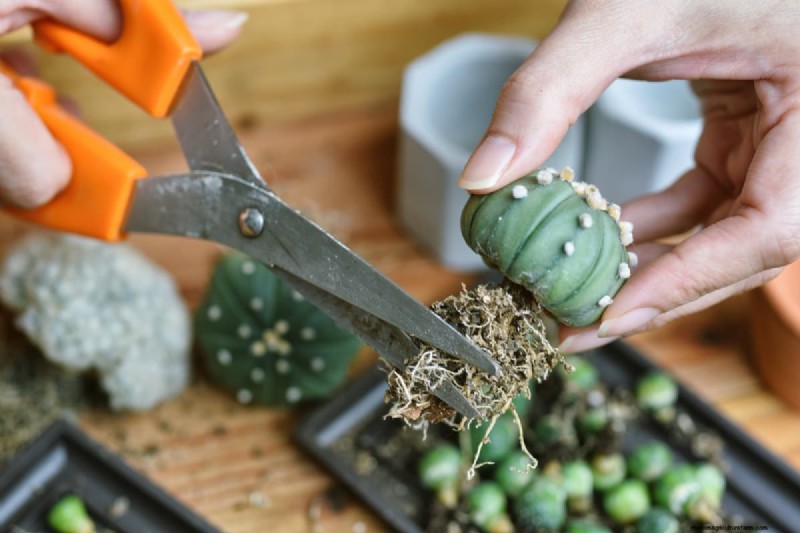
Fertilizer TypeCostBenefitsLiquid Fertilizer$5 – $15Quick Nutrient BoostGranular Fertilizer$8 – $20Slow ReleaseSucculents may be propagated in a cost-effective manner, which allows you to experiment with new species while also expanding your garden. The rooting hormone, trays, and cuttings are the ingredients that are required for propagation. Additionally, the price of a bottle of rooting hormone, which promotes the formation of roots more quickly, is normally between $5 and $10. One can purchase propagation trays for as little as three to eight dollars each. These trays offer a specific location for cuttings to take root and are relatively inexpensive. It is possible to reproduce succulents that have already reached maturity by taking cuttings from the leaves or stems of the plants, which are essentially free. In addition to allowing you to save money, propagation also gives you the opportunity to share plants with your loved ones and friends, which makes it an enjoyable and gratifying component of succulent gardening.
Propagation Success Rates:
Propagation MethodSuccess RateTime to RootLeaf Cuttings70-80%4-6 WeeksStem Cuttings80-90%2-4 WeeksFor those who are interested in beginning a succulent garden, one of the most effective ways to save money is to propagate plants rather than purchasing mature ones. When purchasing mature succulents, the price per plant can range anywhere from $5 to $30, depending on the species and the relative rarity of the plant.
The propagation of succulents from cuttings or leaves, on the other hand, is a substantially more cost-effective method, with expenses ranging from fifty cents to two dollars per plant, taking into account the costs of consumables like soil and rooting hormone. The ability to develop several plants from a single parent plant is another advantage of propagation, which makes it an excellent choice for growing your garden thanks to its versatility. Despite the fact that propagation needs patience because it might take several weeks or months for cuttings to root and thrive, the experience is well worth the effort because of the opportunities for savings and satisfaction.
Savings from Propagation:
MethodCost Per PlantSavings (vs. Buying)Buying Mature Plants$5 – $30N/APropagating Plants$0.50 – $2$3 – $28When it comes to creating an indoor succulent garden, there are a number of hidden expenditures that must be taken into consideration in addition to the obvious expenses such as growing plants, soil, and containers. It is possible, for instance, that you may require pest control solutions in the event that your plants become infested with mealybugs or spider mites. The cost of insecticidal soap or neem oil might range anywhere from $5 to $15. It is possible that you will require replacement plants in the event that some of your succulents do not successfully survive, which will add an additional $5 to $20 to your budget. Damaged pots, broken equipment, or the requirement for more lighting are all examples of what could be considered additional unanticipated costs. You will be able to construct a budget that is more realistic and be able to prevent surprises in the future if you take into account these hidden costs.
Hidden Costs Breakdown:
ExpenseEstimated CostPest Control Solution$5 – $15Replacement Plants$5 – $20Damaged Pots/Tools$5 – $10If you are working with a limited budget, there are a number of ways to cut down on the expenses associated with beginning an indoor succulent garden. Using recycled materials as pots for your plants is one of the easiest methods to do it. Some examples of recycled materials include old containers, jars, and tin cans. You will not only be able to save money, but you will also be able to give your garden a unique and individual touch. One further method for reducing expenses is to cultivate plants rather than purchasing them.
This can result in savings of anywhere from ten to fifty dollars, depending on the quantity of plants that are grown. Shopping at dollar stores, discount stores, or clearance areas of garden centers are all additional options for finding plants and materials at prices that are within your budget. If you are resourceful and investigate these possibilities that are friendly to your wallet, you will be able to develop a stunning succulent garden without significantly exceeding your budget.
Budget-Friendly Resources
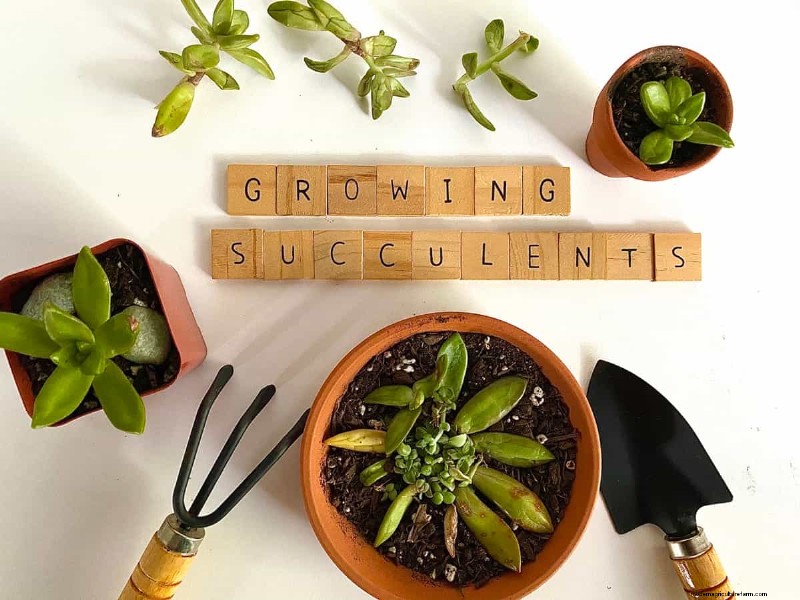
ResourceCostAvailabilityDollar Stores$1-$5WidespreadClearance Sections$3-$10SeasonalRecycled MaterialsFreeAt HomeSmall succulent gardens normally consist of five to ten plants, basic soil, simple pots, and fundamental equipment. These are the components that are required for beginners. Here is a breakdown of the costs:
Beginner’s Garden Checklist:
ItemQuantity NeededEstimated CostPlants5$10 – $25Soil Mix1 bag$5 – $10Pots5$10 – $20Tools2$5 – $10Although it is possible to control the initial setup costs for an indoor succulent garden, there are recurring charges that must be considered when planning the long-term care of the garden. The process of repotting succulents is one of the most significant ongoing expenses, as plants eventually outgrow their containers. In general, the cost of repotting supplies, which may include larger pots and new soil, ranges from ten to twenty dollars per year. The annual cost of fertilizer can range anywhere from $5 to $15, depending on the type of fertilizer and the number of times it is used. This is another unavoidable expense. It is also possible that you will need to replace plants that do not grow or become damaged, which can cost anywhere from ten to thirty dollars per year.
It is important to note that despite these costs, succulents require a comparatively low amount of upkeep in comparison to other houseplants. This makes them an economical and environmentally friendly option for indoor gardening.
Annual Maintenance Costs:
ExpenseAnnual CostRepotting Supplies$10 – $20Fertilizer$5 – $15Replacement Plants$10 – $30An indoor succulent garden is not only a gratifying hobby, but it is also a cost-effective method to enrich your living area with verdant foliage and a sense of flair. You are able to make educated decisions that are in line with your financial strategy and objectives if you have a thorough awareness of the many expenditures involved, which include the acquisition of plants and soil as well as investments in tools and accessories.
The possibilities are virtually limitless, regardless of whether you decide to cultivate your own plants, repurpose things, or spend a lot of money on ornamental pots. It is important to keep in mind that the main delight of succulent gardening resides not only in the initial setup but also in the ongoing care and growth of your plants. You can create a beautiful garden that is sustainable and will provide you delight for many years to come if you lay it out properly and use a little bit of creativity. Now is the moment to prepare yourself, gather your tools, and anticipate the flourishing of your indoor succulent sanctuary.