
Welcome to Modern Agriculture!

There are several reasons why tomato plants are so popular among gardeners; nonetheless, they are unexpectedly fragile and susceptible to a wide range of problems. Should you ever find yourself wondering, what is killing my tomato plants, and what are the solutions to these problems? You are not the only one who has done so. In addition to illnesses like early blight and root rot, there are a multitude of other factors that can cause damage to your crop. Some of these factors include bothersome pests like aphids and tomato hornworms.
It is also possible for environmental stressors like excessive watering, inadequate drainage, or severe temperatures to have an adverse effect. The majority of these problems can be recognized and handled if one is equipped with the appropriate information and resources, which is the good news. Over the course of this article, we will investigate the primary factors that are causing your tomatoes to struggle and offer solutions that are both natural and practical to assist your plants in thriving.
Tomato plants are routinely attacked by a wide variety of pests, which can have a detrimental impact on their health by causing wilting, damage to the leaves, and even the loss of mature fruit. Recognizing these pests at an early stage is essential to ensuring a good harvest and the preservation of crops. For example, tomato hornworms, aphids, and whiteflies are among the most common pests that cause damage to plants. Each of these pests leaves behind a distinct trace of their presence. Aphids, for instance, tend to gather on stems and leaves, where they consume sap and generate sticky honeydew that promotes the formation of sooty mold. Aphids are particularly responsible for this phenomenon. Whiteflies, on the other hand, create symptoms of wilting and yellowing of foliage because they feed on the undersides of leaves.
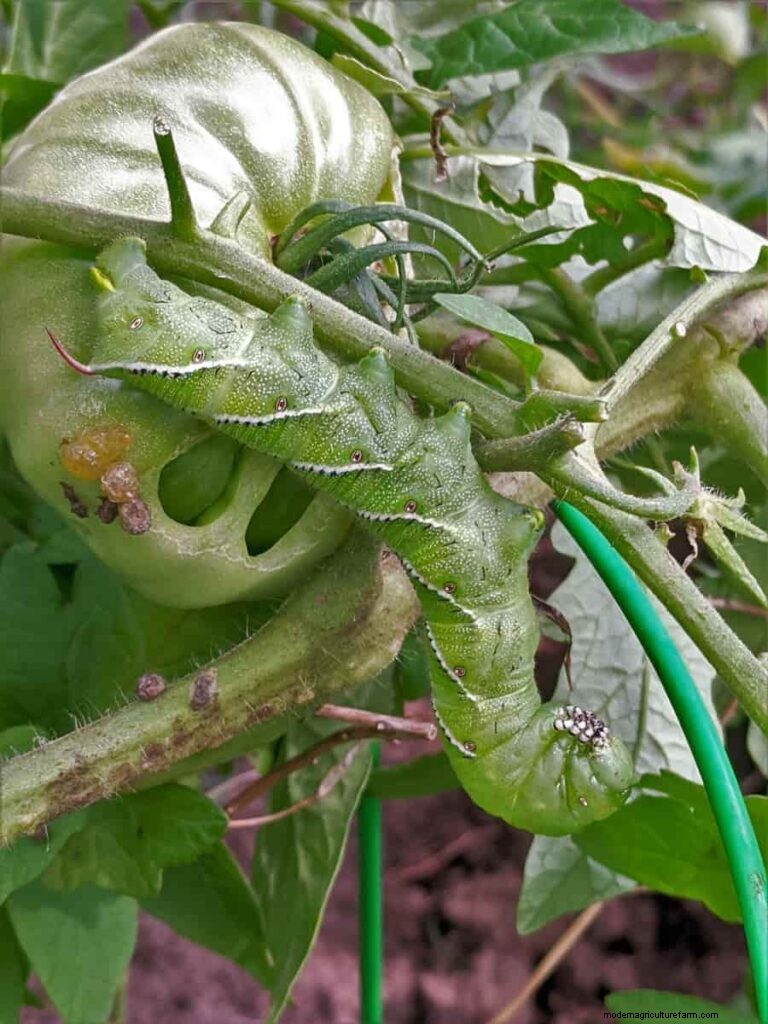
Both cutworms and spider mites are responsible for the production of fine webbing and bronze discoloration on leaves. Cutworms cut stems at the soil level. The flea bugs’ tiny holes in the leaves cause the leaves to grow at a slower rate. These unpleasant visitors not only cause the plant to become weaker, but they also make it more susceptible to diseases such as bacterial canker and fungal infections. There is a thorough table that can be seen below that details pests that will destroy your tomato plants, the specific damage that they cause, and the management measures that can be used to combat them.
Pest NameAffected Plant PartSymptoms ObservedControl MethodAphidsLeaves & stemsYellowing leaves, sticky residueInsecticidal soap, neem oilWhitefliesUnderside of leavesWilting, black sooty moldYellow sticky traps, biocontrolTomato HornwormFoliage & fruitsLarge holes in leaves, missing fruitHandpicking, Bt spraySpider MitesLeavesFine webbing, bronzing leavesWater spray, miticidesCutwormsStems near soilSevered stems at baseCollars around stemsFlea BeetlesLeavesSmall holes, stunted growthRow covers, pyrethrin spraysTomato plants are susceptible to being ravaged by pathogens that are hiding in the soil, and these pathogens frequently spread undiscovered until it is too late to stop them. Wilting, root rot, and stunted growth are just some of the destructive impacts that these diseases cause when they target roots and stems. These diseases thrive in soil that is either poorly drained or polluted. In the case of fusarium wilt, for instance, the vascular system of the plant becomes clogged, which results in the leaves turning yellow and eventually collapsing. Root-knot nematodes, on the other hand, cause thick knots to form on the roots of the plant, which prevents the plant from taking in water and nutrients.
The disease known as verticillium wilt causes dark streaks to appear on stems and slows down overall growth. Pythium rot causes the roots to become soft and mushy, which ultimately leads to the collapse of the plant. Bacterial canker causes black patches to appear on the leaves and causes the fruits to lose their size. Young seedlings are susceptible to damping-off, which is caused by Rhizoctonia, which causes brown lesions along the soil line. In soils that have poor drainage or when tomatoes are grown in containers that do not have adequate drainage, these diseases are especially problematic. The following table provides a summary of common diseases that kill tomato plants, including the symptoms of these diseases and the preventative actions that gardeners can take to safeguard their plants at the same time.
Disease NameAffected Plant PartSymptoms ObservedPrevention TipsFusarium WiltRoots & stemsYellowing leaves, wiltingRotate crops, use resistant varietiesVerticillium WiltVascular systemBrown streaks in stems, stunted growthSolarize soil, improve drainageRoot Knot NematodesRootsSwollen knots on roots, stunted plantsAdd organic matter; use nematode-resistant varietiesBacterial CankerLeaves & fruitsDark spots on leaves, shriveled fruitAvoid overhead watering; sanitize toolsPythium RotRootsSoft, mushy roots, plant collapseImprove drainage, avoid overwateringRhizoctoniaStems near soilBrown lesions, damping-offUse sterile potting mix; space plants properlyThe development of tomato plants can be hampered by adverse weather conditions, which can ultimately result in stress and a drop in their yield. It is possible for leaves, flowers, and fruits to be damaged by sudden temperature changes, frost, or extended heat waves, which can result in a reduction in overall productivity. For instance, abrupt frost exposure can cause harm to sensitive leaves and stems, while persistent heat stress can cause blossoms to fall off and fruits to become sun-scalded. By creating conditions that are moist, overwatering generates circumstances that suffocate roots and promote fungal infections. On the other hand, drought causes leaves to become dry and brittle and stunts growth.
Another typical problem is wind damage, which can cause the plant to break stems and shred leaves, causing it to become even more stressed. When there is an excessive amount of rain, the soil might get soggy, which increases the likelihood of root rot and fungal diseases. Mold growth and black spots on leaves are common symptoms of humidity problems, particularly in plants that are housed in containers and have inadequate airflow. When it comes to keeping healthy tomato plants, it is essential to have a solid understanding of these environmental issues and to put mitigation techniques into action. The table that follows provides a summary of possible causes of sudden wilt and death in tomatoes, as well as the effects of these causes and the practical solutions to them.
Environmental FactorImpact on PlantObservable SymptomsMitigation StrategiesFrostLeaves & stemsBlackened leaves, wilted stemsCover plants; use frost clothsHeat StressFlowers & fruitsBlossom drop, sunscalded fruitShade plants, mulch soilDroughtEntire plantDry, brittle leaves, stunted growthWater deeply; use drip irrigationWaterlogged SoilRootsYellowing leaves, root rotImprove drainage, reduce wateringWind DamageStems & leavesBroken stems, torn foliageUse windbreaks, stake plantsHumidity IssuesLeaves & fruitsMold growth, fungal spotsIncrease airflow, prune excess foliageTomato plants can become weakened when they do not receive the critical nutrients they need, which makes them more susceptible to being affected by diseases, pests, and environmental stress. A plant’s health is directly influenced by a number of nutrients, including nitrogen, phosphorus, potassium, calcium, magnesium, and iron. Phosphorus deficit, on the other hand, causes leaves to have a purple appearance, while nitrogen deficiency causes the foliage to be pale yellow, especially on older plants. In plants that are lacking in potassium, the edges of the leaves become brown, while in fruits, the blossom end rot is caused by a lack of calcium.
Interveinal chlorosis is caused by magnesium deficiencies, and immature leaves that are deficient in iron turn yellow with green veins. Because of inadequate fertilization or a lack of soil nutrients, these deficits frequently manifest themselves in tomato plants that are grown in containers. Finding the precise deficiency and applying the proper fertilizer or soil amendment are both necessary steps in the process of restoring equilibrium. In the following, you will find a breakdown of nutrient deficiency signs in tomato plants, including their symptoms and potential ways to restore the health of the plant.
Nutrient DeficientSymptoms ObservedAffected Plant PartsSolutionNitrogenPale yellow leavesOlder leavesApply balanced fertilizerPhosphorusPurple-tinged leavesEntire plantAdd bone meal or rock phosphatePotassiumBrowning leaf edgesOlder leavesUse potassium-rich fertilizersCalciumBlossom end rotFruit tipsAdd lime, maintain consistent moistureMagnesiumInterveinal chlorosisLower leavesApply Epsom saltsIronYellowing between veinsYoung leavesAdjust soil pH, apply chelated ironGardeners frequently have a difficult time determining the reason why their tomato plants are not succeeding. Diseases, pest infestations, environmental stress, and dietary deficits are only some of the possible causes. The reasons might vary greatly. Especially when seedlings are moved from indoor surroundings to outdoor beds, transplant shock is a common contributing factor. Failure to correctly control this shock might result in the plant drooping, yellowing, or even dying. Root rot and fungal diseases are other problems that can be caused by excessive watering and poor soil drainage.
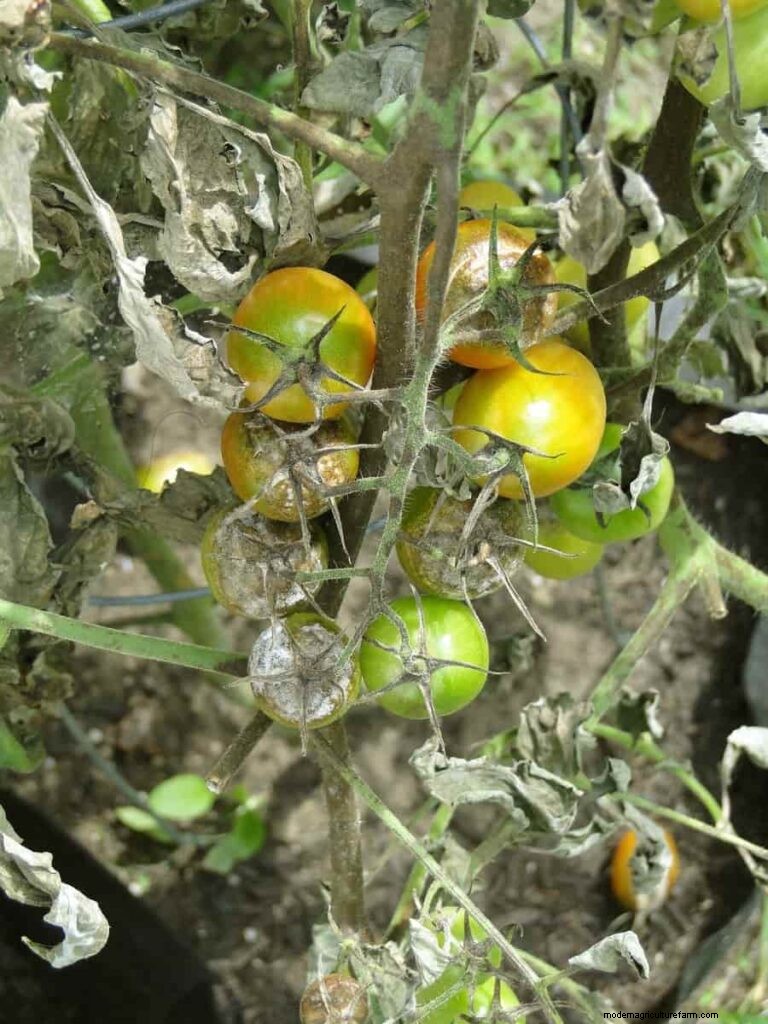
Inadequate sunlight, which inhibits fruit production, and excessive heat during the summer months, which causes withering and blossom drop, are two other variables that contribute to the problem. The disease known as late blight, which is characterized by black patches and shriveled leaves, has the potential to spread fast in humid environments. On the other side, aphid infestations cause plants to become subdued because they feed on sap and spread viruses. The right planting practices, natural prevention of blossom end rot in tomatoes, and organic cures for common tomato plant illnesses should be the primary areas of concentration for gardeners in order to prevent these concerns. The table that follows provides a summary of the potential causes of tomato plant decline as well as the solutions to those problems.
Issue IdentifiedPossible CausesSymptoms ObservedSolutionsWiltingRoot rot, verticillium wilt, heat stressWilting, collapsed stemsImprove drainage, shade plants during heatYellowing leavesNutrient deficiency, overwateringPale or discolored leavesApply balanced fertilizer, adjust wateringBlack spotsLate blight, fungal diseasesDark lesions with yellow halosUse neem oil; introduce beneficial insectsBlossom end rotCalcium deficiency, inconsistent wateringSunken black spots on fruit tipsAdd lime, maintain consistent moistureAphid infestationPests feeding on sapSticky residue, curled leavesUse neem oil, introduce beneficial insectsWhen it comes to the care of tomato plants, one of the most common mistakes that gardeners make is to overwater them. Roots can be suffocated by an excessive amount of moisture in the soil, which can result in root rot and other fungal infections. Yellowing of the leaves, wilting despite the presence of wet soil, and roots that are soft and mushy are all signs of overwatering. Inadequate drainage makes these problems worse, particularly in the case of potted plants, where there is no way for water to leave. Root rot symptoms in potted tomato plants typically include a putrid odor emanating from the soil as well as a reduction in the plant’s growth.
To solve these issues, it is necessary to make adjustments to watering procedures and to improve the drainage of the soil. The addition of perlite or sand to the soil mixture helps improve drainage, and making sure that the containers have sufficient drainage holes can prevent waterlogging. In addition, the implementation of watering tomato plants without overwatering tips, which include utilizing drip irrigation and checking the moisture content of the soil before watering, can assist in the maintenance of appropriate soil conditions. The following table provides a summary of the symptoms of overwatering as well as some practical solutions.
Issue IdentifiedSymptoms ObservedPossible CausesSolutionsRoot RotMushy roots, foul-smelling soilOverwatering, poor drainageImprove drainage, reduce watering frequencyWiltingWilted leaves despite wet soilWaterlogged rootsAllow soil to dry, aerate soilYellowing LeavesUniform yellowing, drooping foliageExcess water, lack of oxygen in rootsRepot with fresh soil; ensure proper drainageFungal DiseasesPowdery mildew, leaf spotsHigh humidity, soggy soilIncrease airflow, prune excess foliageStunted GrowthSlow development, small fruitsOxygen-deprived rootsRepot with fresh soil, ensure proper drainageFruit CrackingSplit skins on ripening fruitsInconsistent wateringMaintain even moisture levelsTomatoes are susceptible to multiple fungal infections, which thrive in environments that are warm and humid. Among the most frequent fungal illnesses that gardeners come across, early blight, late blight, and powdery mildew are among the most common. Early blight identification on tomato plants refers to the process of recognizing dark lesions with yellow halos on older leaves. On the other hand, late blight manifests itself as patches that are black, saturated with water, and rapidly diffuse. Powdery mildew, on the other hand, is characterized by the formation of a white, powdery coating on the leaves.
Not only can these diseases cause damage to the foliage, but they also have an impact on the quality and tomato fruit yield. Gardeners should place an emphasis on prevention and early intervention in order to combat fungal infections successfully. It is possible to lessen the possibility of spores spreading by removing sick plant portions, enhancing air circulation, and avoiding watering plants from above. Moreover, organic treatments such as neem oil and fungicides based on copper can be of assistance in the management of epidemics. The following table provides a summary of diagnosing fungal diseases in tomato plants, including the symptoms of these diseases and the management techniques that are available.
Disease NameSymptoms ObservedAffected Plant PartsPrevention and Control MethodsEarly BlightDark spots with yellow halosOlder leavesRemove infected leaves; use fungicidesLate BlightBlack, water-soaked spotsLeaves, stems, fruitsApply copper spray; improve air circulationPowdery MildewWhite, powdery coating on leavesLeavesPrune for airflow; use neem oilSeptoria Leaf SpotSmall, circular spots with gray centersLower leavesRemove debris, apply organic fungicidesFusarium WiltYellowing leaves, wiltingEntire plantRotate crops, use resistant varietiesVerticillium WiltBrown streaks in stems, stunted growthVascular systemSolarize soil, improve drainageCurling of the leaves of tomato plants might be a cause for concern; nevertheless, it is typically an indication of stress brought on by pests, infections, or weather conditions. The tomato plant leaves curling causes refer to a number of factors, including viral infections, pesticide drift, severe heat, and inconsistent watering. Herbicide exposure, for instance, can cause leaves to curl upward, while viral infections, such as the tomato yellow leaf curl virus, can cause leaves to twist and curl in addition to causing growth to be restricted.
Infestations of aphids, which produce leaf deformation and restrict plant development, and excessive heat, which causes physiological leaf roll as a defensive response, are two other impacts that can occur. It is necessary to identify the underlying source of these issues and then implement specific measures in order to find a solution to them. For example, providing shade during hot weather and using insecticidal soap to remove aphids are both effective ways to alleviate stress. The following table provides a listing of the causes of leaf curling as well as the solutions to these problems.
Cause of Leaf CurlingSymptoms ObservedAffected Plant PartsSolutionsHerbicide DriftUpward curling, twisted leavesLeavesAvoid herbicides nearby; flush soil with waterViral InfectionsDistorted, curled leavesLeaves, entire plantRemove infected plants, control aphidsHeat StressPhysiological leaf roll, upward curlingLeavesProvide shade, mulch soilAphid InfestationSticky residue, curled leavesLeaves, stemsUse insecticidal soap; introduce predatorsWater StressCurling, wiltingLeavesMaintain consistent wateringTransplant ShockLeaf curling, yellowingEntire plantHarden off seedlings, water consistentlyYet, many gardeners suffer with soggy soil or growing mediums that are too compacted, despite the fact that proper soil drainage is essential for healthy tomato plants. Inadequate drainage not only results in root rot, but it also reduces the amount of oxygen that is available to the roots, which results in impaired growth and yellowing of the leaves. The process of fixing soil drainage problems for tomato plants begins with gaining an understanding of the composition of the soil and making any necessary amendments accordingly. For instance, clay-rich soils tend to hold on to an excessive amount of water, whereas sandy soils tend to drain away water too rapidly.
Organic matter, such as compost or coconut coir, can be brought into the soil by gardeners in order to increase drainage. Another great approach is to use raised beds, which offer improved drainage and aeration than other types of beds. When it comes to plants that are grown in pots, it is necessary to make sure that the containers have sufficient drainage holes and to use potting mix that drains well. A table that provides a summary of common drainage problems and the remedies to those problems can be found below.
Issue IdentifiedSymptoms ObservedPossible CausesSolutionsWaterlogged SoilYellowing leaves, root rotPoor drainage, heavy clay soilAdd organic matter; use raised bedsStunted GrowthSlow development, small fruitsOxygen-deprived rootsAerate soil, repot with fresh mixRoot RotMushy roots, foul-smelling soilOverwatering, compacted soilImprove drainage, reduce wateringNutrient LeachingPale leaves, weak stemsSandy soil, excessive drainageAdd compost; use balanced fertilizerSoil CompactionHard, cracked soilFoot traffic, heavy rainfallLoosen soil, mulch surfaceAlgae GrowthGreen slime on soil surfacePoor drainage, high humidityScrape off algae, improve airflowWhen tomato plants do not produce fruit while having healthy foliage, it is one of the most frustrating issues that gardeners face. This problem may be brought on by a variety of factors, including insufficient pollination, nutritional imbalances, and environmental stress, among others. Tomato plants not producing fruit troubleshooting is frequently used to identify issues such as insufficient sunlight, excessive fertilizer with nitrogen, or extremes in temperature that hinder fruit set and flowering.

When tomatoes are grown in greenhouses or when there is little activity from bees, there is a high likelihood of pollination problems occurring. By gently shaking plants or by distributing pollen with a small brush, it is possible to increase the amount of fruit that is produced. Intake of nutrients that are not in balance, particularly an excessive amount of nitrogen, encourages the growth of lush foliage at the price of fruit development. Altering the amount of fertilizer that is applied to plants and ensuring that they receive at least six to eight hours of sunlight each day are both ways to encourage fruiting. In the following table, the potential causes of low fruit output are listed, along with potential solutions to the problem.
Issue IdentifiedSymptoms ObservedPossible CausesSolutionsPoor PollinationFlowers drop without fruitingLack of pollinators, high humidityHand-pollinate, attract beesExcess NitrogenLush foliage, no fruitOver-fertilization with nitrogenUse balanced fertilizer; reduce nitrogenTemperature StressBlossom drop, no fruit setExtreme heat or coldShade plants, protect from frostInsufficient LightLeggy growth, weak stemsLess than 6 hours of sunlightRelocate plants, use reflective mulchWater StressWilting, flower dropInconsistent wateringMaintain even moisture levelsPest DamageChewed flowers, missing budsTomato hornworms, aphidsHandpick pests; use organic spraysWhen it comes to controlling pests that pose a threat to tomato plants, neem oil is an all-natural and highly effective remedy. The life cycle of insects such as aphids, whiteflies, and spider mites is disrupted as a result of its dual role as a growth inhibitor and a repellent. Using neem oil to protect tomato plants from pests is becoming increasingly popular among organic gardeners due to the fact that, when used correctly, it is safe for beneficial insects to consume through its application. For instance, applying neem oil on leaves that have been impacted might prevent fungal diseases like powdery mildew while also decreasing the likelihood of aphid infestations.
It is recommended that neem oil be used either in the early morning or late evening to ensure that it does not harm pollinators or beneficial insects. This will allow the oil to be as effective as possible. It is possible to get uniform coverage by combining it with water and a few drops of dish soap. Applications made on a regular basis every seven to fourteen days can help keep insect numbers under control. Neem oil is effective against a wide variety of pests, and the following table provides information on how to apply it.
Pest NameSymptoms ObservedAffected Plant PartsNeem Oil Application TipsAphidsSticky residue, curled leavesLeaves, stemsSpray undersides of leaves; repeat weeklySpider MitesFine webbing, bronzing leavesLeavesApply evenly; focus on infected areasWhitefliesWilting, black sooty moldUnderside of leavesUse in evening; avoid direct sunlightTomato HornwormLarge holes in leaves, missing fruitFoliage, fruitsSpray thoroughly; reapply as neededPowdery MildewWhite, powdery coating on leavesLeavesMix with water;Flea BeetlesSmall holes, stunted growthLeavesFocus on young plants; repeat treatmentTomato plants can be harmed by an excessive amount of rain, which can result in fungal infections, overly damp soil, and fruit of lower quality. The term excessive rain impact on tomato plants refers to a condition that frequently manifests itself as deteriorated fruits, rotted roots, and shedding leaves. Roots become more susceptible to diseases such as Phytophthora and Pythium when they are suffocated by the conditions that are brought on by heavy rains. In addition, the spread of fungal spores is facilitated by splashing water, which makes it more probable that diseases such as blight and leaf spot would manifest themselves.
Mulching, which helps improve drainage and reduces soil splashing, is one of the preventative measures that gardeners may take to mitigate the effects of these issues. Grow tomatoes in containers or in raised beds to reduce waterlogging. This is another way to avoid waterlogging your tomatoes. In the event that heavy rain is forecasted, it is possible to protect plants from excessive moisture by covering them with tarps or row covers prior to that downpour. A table that outlines the repercussions of excessive rain and the strategies that can be used to mitigate them can be seen below.
Issue IdentifiedSymptoms ObservedPossible CausesSolutionsRoot RotMushy roots, foul-smelling soilWaterlogged soilImprove drainage; use raised bedsCracked FruitsSplit skins on ripening fruitsInconsistent watering due to rainMulch soil, maintain even moistureFungal DiseasesBlack spots, powdery mildewSplashing water, high humidityPrune for airflow, apply fungicidesNutrient LeachingPale leaves, weak stemsExcess water washing away nutrientsAdd compost; use balanced fertilizerBlossom DropFlowers falling off without fruitingSudden temperature changes during rainProtect plants with row coversSoil ErosionExposed roots, compacted soilHeavy rainfall washing away topsoilMulch surface, stabilize soilPlants that produce tomatoes are susceptible to a wide range of diseases; however, organic remedies provide solutions that are both safe and effective for addressing these problems. In order to treat bacterial and fungal infections, organic remedies for common tomato plant diseases include the utilization of natural items such as copper sprays, baking soda solutions, and compost tea. Certain fungicides, such as those based on copper, have the ability to reduce early blight and septoria leaf spot. Additionally, powdery mildew can be prevented by combining baking soda with water.
A significant part of disease prevention is played by cultural practices such as crop rotation, correct spacing, and the removal of sick plant detritus. Sprays are also an important component of this process. The immune system of the plant can also be strengthened by the introduction of helpful bacteria through the use of compost tea. A table that provides a summary of common ailments, organic treatments for those diseases, and preventative measures is presented below.
Disease NameSymptoms ObservedOrganic Treatment OptionsPreventive MeasuresEarly BlightDark spots with yellow halosCopper spray, remove infected leavesRotate crops, improve air circulationLate BlightBlack, water-soaked spotsCopper spray, prune affected areasAvoid overhead watering, space plantsPowdery MildewWhite, powdery coating on leavesBaking soda solution, neem oilAvoid overhead watering; space plantsSeptoria Leaf SpotSmall, circular spots with gray centersRemove debris; use compost teaMulch soil, sanitize toolsFusarium WiltYellowing leaves, wiltingSolarize soil, use resistant varietiesRotate crops, improve drainageVerticillium WiltBrown streaks in stems, stunted growthRemove infected plants, solarize soilUse sterile potting mix; space plantsThe cultivation of tomatoes in containers is a challenging endeavor for many gardeners, who regularly face challenges such as inadequate drainage, a lack of fertilizer, and transplant shock. Among the reasons you keep killing your potted tomato plants are inadequate pot size, an absence of proper sunlight, and an excessive amount of watering. For example, the use of large pots that do not have proper drainage might lead to the soil being damp and rot the roots, whilst the use of small containers can restrict the growth of roots.
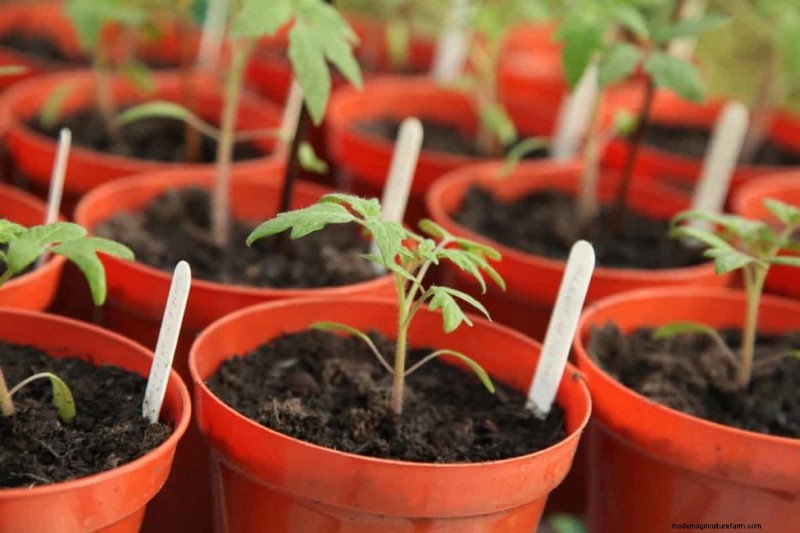
In order to ensure the success of potted tomatoes, it is essential to select a container that is at least five gallons in capacity and has drainage holes. By utilizing a premium potting mix that has been improved with compost, it is possible to acquire the nutrition that is necessary for plant growth. Watering and fertilizing the plant on a consistent basis with a fertilizer that is well-balanced are also necessary for maintaining plant health. You may find a table that outlines common mistakes and provides advice on how to avoid making them below.
Mistake IdentifiedSymptoms ObservedPossible CausesSolutionsOverwateringYellowing leaves, root rotPoor drainage, excessive wateringUse well-draining soil; water less frequentlyPoor DrainageMushy roots, foul-smelling soilLack of drainage holes, compacted soilDrill holes, add perlite or sandInsufficient LightLeggy growth, weak stemsLess than 6 hours of sunlightPlace in full sun; use grow lightsNutrient DeficiencyPale leaves, stunted growthLow-quality soil, lack of fertilizerUse nutrient-rich potting mix and fertilize regularlyTransplant ShockWilting, yellowing after repottingDisturbed roots, sudden environmental changeHarden off plants, handle roots gentlySmall Container SizeStunted growth, root-bound plantsRoots outgrowing potUse larger pots; repot as neededGetting a better understanding of what is killing your tomato plants and fixes is the first step toward being a more effective gardener. In order to restore the health of your garden, it is necessary to address a variety of issues, including but not limited to resolving nutritional deficits, combatting fungal infections, and safeguarding your plants from pests.
By putting into action the advice and methods described in this article, such as enhancing the drainage of the soil, employing neem oil as a pesticide, and making sure that your tomato plants receive the appropriate amount of water, you will be able to cultivate an environment in which they will thrive. The difficulties of withering leaves, black spots, or stunted growth can be avoided by exercising patience and care, which will allow you to reap the benefits of a plentiful harvest in the near future. Happy gardening to you!


