Welcome to Modern Agriculture!

Learn which seeds to direct sow 2-4 weeks before your last frost date, including root crops, greens, and herbs, plus planting tips.
As your last frost date approaches, the garden begins to feel alive with possibility.
The 2-4 weeks before your average last frost date is a productive planting window for many cool-season crops. While frost is still possible, these vegetables tolerate chilly temperatures and benefit from being planted before warmer weather arrives.
In this guide, you’ll learn which seeds to direct sow during this window and how to time planting for strong, steady growth.
Your average last frost date serves as a practical reference for managing frost risk while expanding spring planting.
To find yours, enter your ZIP code at PlantMaps.com or Garden.org, then count backward to determine when to plant. While this date is only an estimate, it provides a helpful reference for planning.
At this stage of the season, pay close attention to:
If the soil has drained and warmed to at least 50°F, many of these crops can be planted safely.
For help creating a complete planting plan, see: How to Create a Seed Starting Schedule Based on Your Last Frost Date.
Crops planted during this window thrive in cool to mild spring temperatures.
Seeds direct sown 2-4 weeks before frost:
Early planting supports steady growth and helps crops develop before heat stress sets in.
The following crops can be planted directly into the garden once the soil has drained and is workable. Many of these plants tolerate cool temperatures and even light frosts, making them well suited to early spring planting. Always check your seed packet for specific planting depth, spacing, and timing recommendations.
Root vegetables establish best when planted directly in the soil where they will grow. Early planting allows roots to develop slowly and evenly, resulting in better texture and flavor.
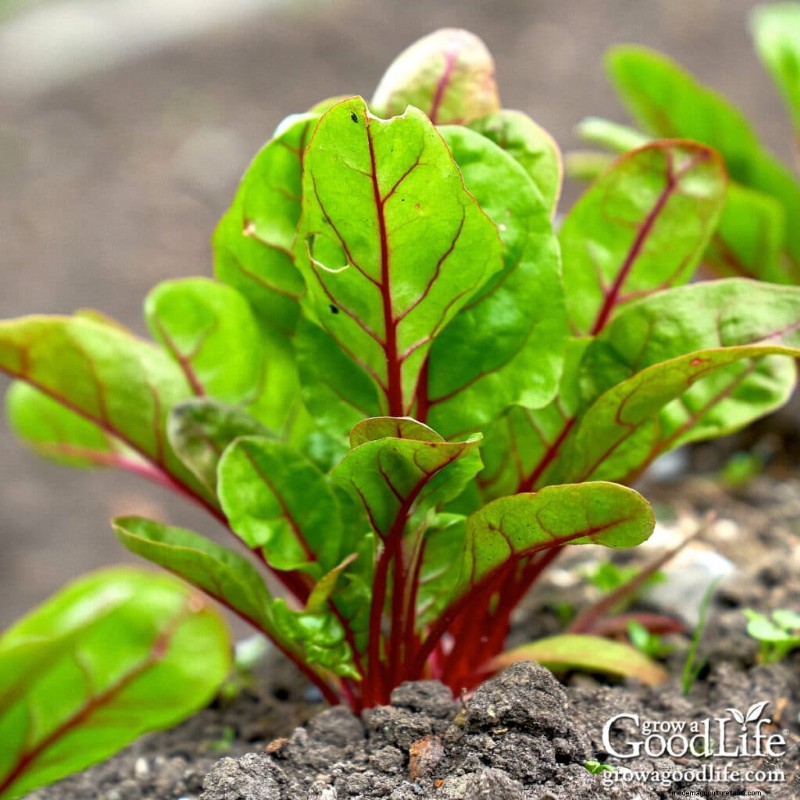
Beets grow well in cool weather and produce both tender roots and nutritious greens. Early planting encourages steady growth before warm temperatures arrive, which can cause roots to become tough. Because beet seeds are actually clusters of seeds, thinning is usually necessary for proper spacing.
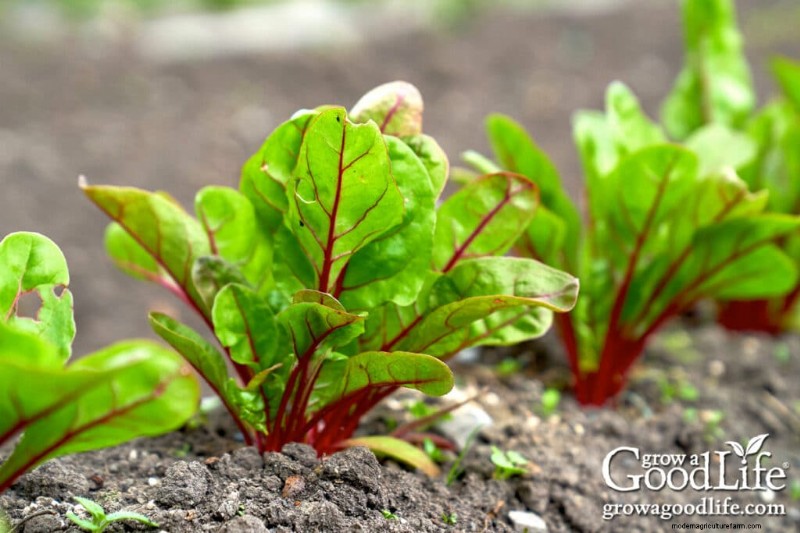 Direct sowing beets early allows roots to develop steadily and produce both tender greens and flavorful roots.
Salsify, sometimes called oyster plant for its mild, oyster-like flavor when cooked, is a cool-season root crop well suited to early spring planting. It has a long growing season and develops best in cooler climates, making it an excellent choice to direct sow 2–4 weeks before your last frost date. Slow germination is normal, so patience and consistent moisture are important.
Leafy greens thrive in cool spring weather and can tolerate light frosts once established. Planting during this window helps produce tender leaves before rising temperatures trigger bolting.
Kale is cold hardy and grows reliably in early spring. Direct sowing now produces sturdy plants that establish well in cool soil. Early planting encourages tender, flavorful leaves before summer heat slows growth.
Collards tolerate cool temperatures and develop excellent flavor when grown in early spring. Direct sowing allows plants to establish strong roots before warmer weather arrives. Cooler conditions also help prevent stress that can lead to tough leaves.
Endive prefers cool weather and benefits from early planting to prevent bitterness. Direct sowing during this window encourages steady growth and well-formed heads. Consistent moisture helps support even leaf development.
Several herbs can be planted outdoors during this window and thrive in cool spring conditions. Early planting helps establish strong plants before heat causes rapid growth or bolting.
Cilantro grows best in cool weather and bolts quickly as temperatures rise. Planting now promotes leafy growth and delays flowering. Succession sowing every few weeks helps extend the harvest.
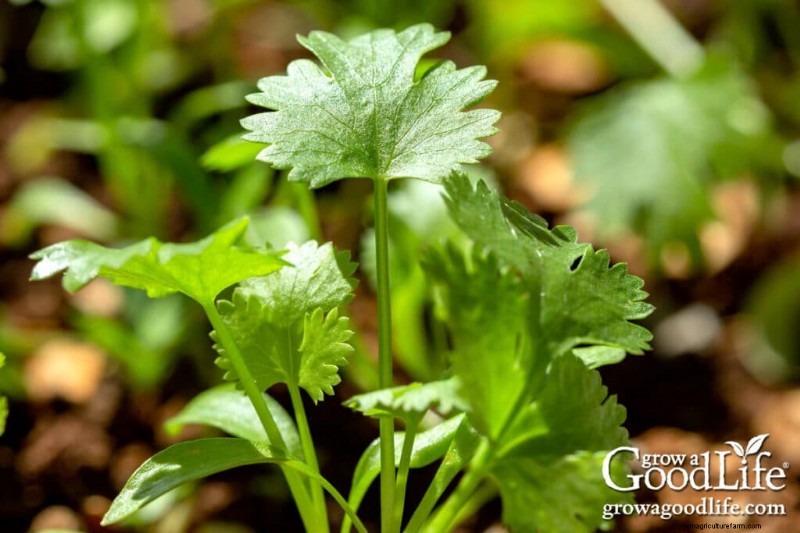 Cilantro grows best in cool weather and benefits from early direct sowing before warm temperatures cause bolting.
Lemon balm is cold tolerant and easy to grow from seed. Early planting allows plants to establish before vigorous summer growth begins. Once established, it spreads readily and benefits from early spacing and control.
Parsley germinates slowly but grows steadily once established. Early planting gives it time to develop deep roots before summer heat arrives. Cool temperatures encourage strong leaf production and better flavor.
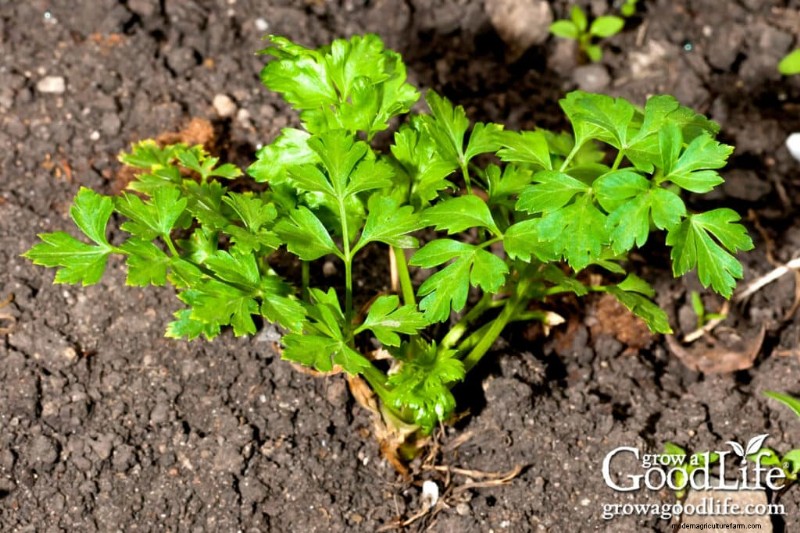 Parsley germinates slowly but benefits from early direct sowing so plants can establish before summer heat.
Your seed packet provides essential information for successful direct sowing.
Before planting, review:
As planting season ramps up, paying attention to weather forecasts and soil conditions becomes especially important.
Keep these tips in mind:
If you’re new to direct sowing or want a refresher on planting methods, spacing, and soil preparation, see: How to Direct Sow Seeds.
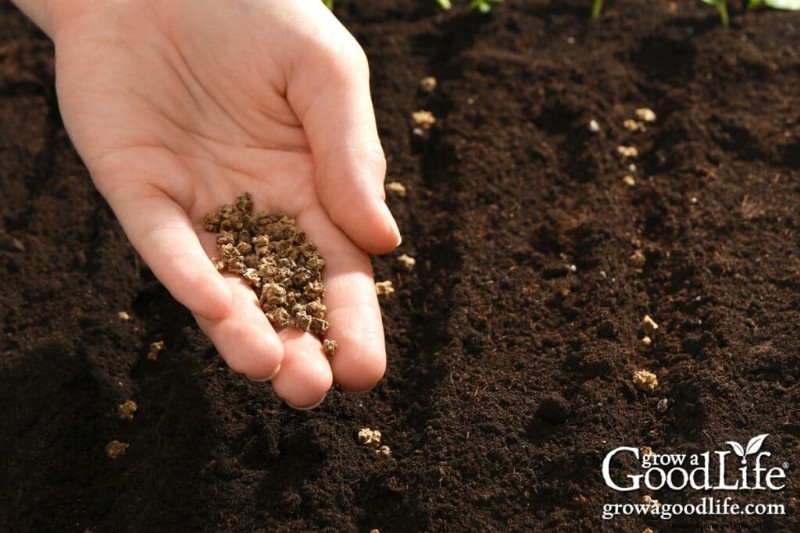 Beet seeds can be sown directly in the garden a few weeks before the last frost for early spring harvests.
Timing is flexible, but conditions matter.
Focus on soil readiness and weather conditions for best results.
As you approach your last frost date, the focus shifts fully to preparing the garden for summer crops.
Now is also a great time to begin hardening off your indoor seedlings. Start by setting them outside for short periods on mild days, then bring them back indoors at night. Gradually increasing their exposure helps plants adjust to sun, wind, and temperature changes.
Once your last frost date has passed and the soil continues to warm: Seeds to Direct Sow After Your Last Frost.
This includes beans, squash, cucumbers, melons, and other heat-loving vegetables that thrive in summer conditions.
Planting during this stage of the season bridges the gap between cool-season crops and summer favorites. With thoughtful timing, you’ll keep your garden productive as the seasons shift.