Welcome to Modern Agriculture!

Learn which seeds to direct sow after your last frost date, including beans, squash, cucumbers, and melons, plus planting tips.
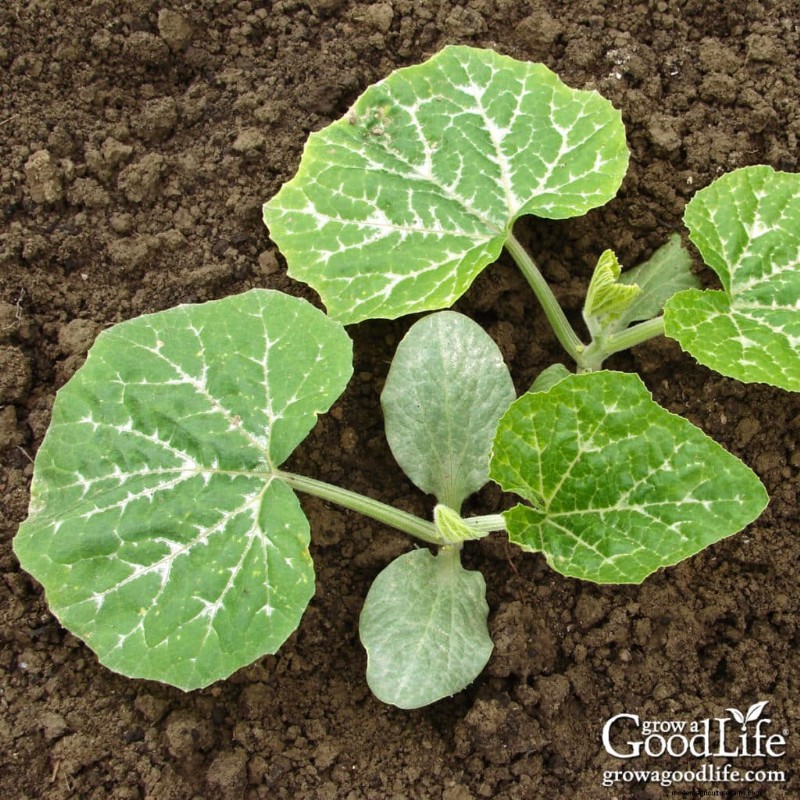
Once your last frost date has passed, planting season shifts into full swing.
This is the time to sow warm-season crops that thrive in heat and need warm soil to germinate and grow. These vegetables are sensitive to frost and should only be planted outdoors after all danger of freezing temperatures is behind you.
In this guide, you’ll learn which seeds to direct sow after your last frost date and how to time planting for strong, productive summer growth.
Your average last frost serves as a reliable reference point for planting frost-sensitive crops outdoors.
To confirm your timing, enter your ZIP code at PlantMaps.com or Garden.org. While this date is an estimate, it provides a reliable reference for planning warm-season planting.
Before sowing, make sure:
If frost risk lingers, it’s best to wait a little longer or be prepared to protect young seedlings.
For help building a complete planting plan, see: How to Make a Seed Starting Schedule Based on Your Last Frost Date.
Warm-season crops require higher soil and air temperatures to germinate and grow properly.
Seeds planted after your last frost:
Planting too early can stunt growth, delay harvests, kill frost sensitive plants, or cause seed failure. Waiting until after frost helps ensure faster germination, healthier plants, and more reliable harvests.
The following crops should be planted outdoors after all danger of frost has passed and once the soil has warmed. Always follow seed packet instructions for planting depth, spacing, and timing.
Beans are one of the easiest warm-season crops to grow from seed. They germinate quickly in warm soil and establish strong root systems when planted directly in the garden after frost. Beans prefer steady moisture and full sun, and once established, they grow rapidly. Because they fix nitrogen in the soil, they also contribute to overall garden health.
Bush beans grow compact, self-supporting plants that do not require trellising. They mature quickly and produce a concentrated harvest, making them a good choice for small gardens or succession planting. Planting small amounts every couple of weeks helps ensure a steady supply throughout the season. Bush beans are also less susceptible to wind damage than climbing varieties.
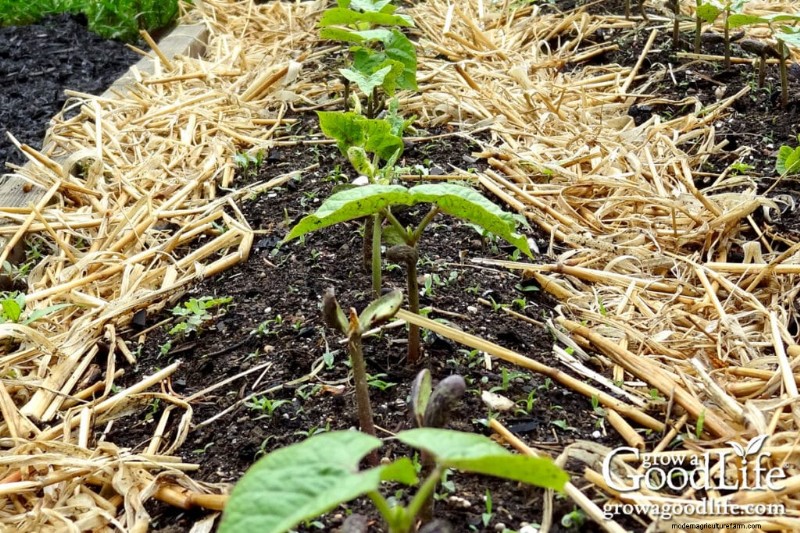 Bush beans germinate quickly in warm soil and are one of the easiest crops to direct sow after frost.
Pole beans grow as climbing vines and benefit from trellising, fencing, or other vertical supports. While they take slightly longer to begin producing, they continue to yield over a longer period than bush beans. Growing vertically saves space and improves air circulation around the plants. Pole beans are ideal for gardeners looking for extended harvests through midsummer.
Corn is a warm-season crop that requires warm soil and consistent moisture to grow well. It is sensitive to cold and should only be planted after the risk of frost has passed. Because corn is wind-pollinated, planting in blocks rather than long single rows improves pollination and ear development. Steady warmth during early growth leads to stronger stalks and better yields.
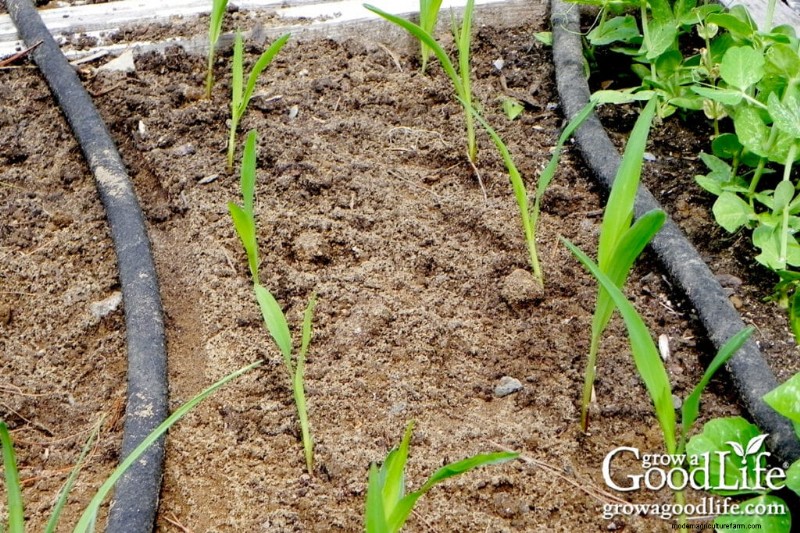 Corn thrives when planted after frost and benefits from warm soil and steady early growth.
Cucurbits are heat-loving crops that grow quickly once soil temperatures rise. These plants develop extensive root systems and perform best when direct sown rather than transplanted. Warm soil supports rapid germination and strong early growth.
Giving cucurbits an uninterrupted start helps them handle the demands of vigorous vine growth later in the season.
Cucumbers grow best when planted in warm, well-drained soil after frost. Direct sowing helps avoid transplant shock and encourages strong root development. Once established, cucumber vines grow quickly and benefit from consistent warmth and moisture. Healthy early growth leads to better flowering and fruit production.
Summer squash is fast-growing and begins producing early when planted in warm conditions. Direct sowing after frost allows plants to establish quickly and grow without interruption. These plants produce continuously over the season when conditions are favorable. Warm soil supports rapid germination and steady leaf and fruit development.
Winter squash needs a long, warm growing season to fully mature. Direct sowing after frost allows vines to grow steadily and develop strong root systems. These plants spread widely and benefit from consistent warmth throughout the season. Planting at the right time helps ensure fruits reach full size before cooler weather arrives.
Pumpkins produce large, vigorous vines and require ample space to grow. They are sensitive to cold soil and benefit from being planted after frost. Warm conditions during early growth support healthy vines and strong flowering. Proper timing helps pumpkins mature fully before fall harvest.
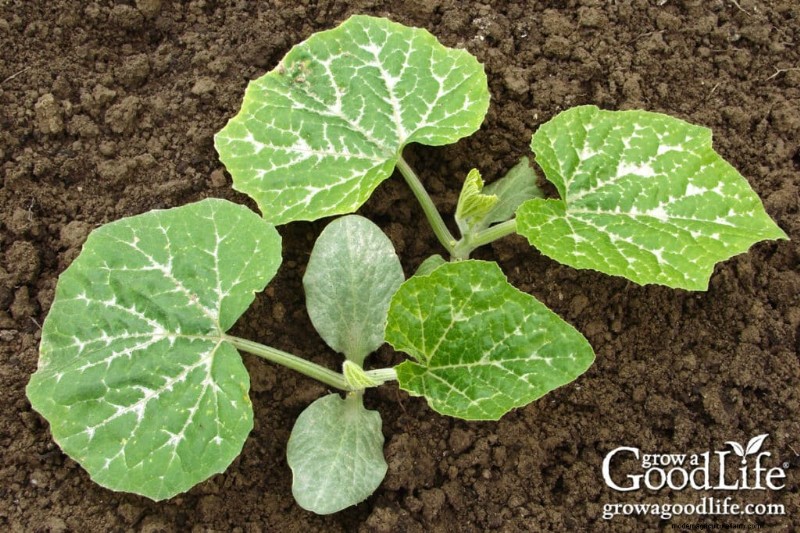 Pumpkins grow fast once the soil warms and prefer to be planted directly in the garden.
Zucchini is one of the most productive warm-season vegetables and grows quickly in warm soil. Direct sowing after frost encourages rapid germination and healthy plant development. Once established, plants produce steadily throughout the summer. Warm temperatures help support continuous flowering and fruit set.
Melons thrive in warm soil and require consistent heat throughout the growing season. They are sensitive to cold and should be planted only after frost danger has passed. Direct sowing allows roots to establish deeply, supporting vigorous vine growth. Warm temperatures are essential for proper flowering and fruit development.
Cantaloupe grows best when planted after frost, once soil temperatures have warmed. Warm conditions support strong vine growth and encourage healthy flowering. Consistent heat throughout the season helps fruit develop sweetness and flavor. Direct sowing ensures plants grow without the stress of transplanting.
Watermelon requires consistently warm conditions and a long growing season to thrive. Planting after frost ensures soil temperatures are high enough for reliable germination. Strong early growth supports vigorous vines and successful fruit set. Warm nights are especially important for steady development and sweetness.
Seed packets provide essential guidance for successful planting.
Before sowing, review:
These details are especially important for warm-season crops.
Summer planting relies on warm soil, consistent moisture, and proper spacing to support vigorous growth. Warm-weather planting comes with different considerations than early spring sowing:
If you’re new to direct sowing or want to revisit planting methods, spacing, and bed preparation, see: How to Direct Sow Seeds.
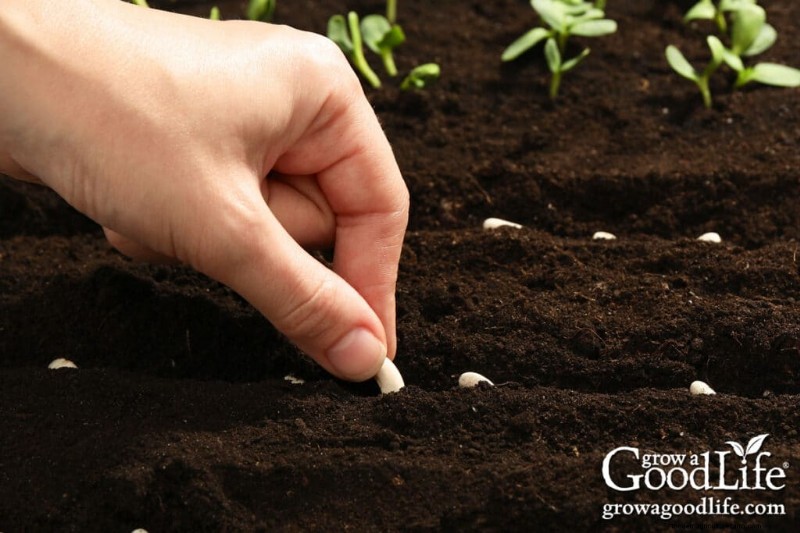 Direct sowing beans after frost encourages strong root development and quick establishment.
Some warm-season crops can also be started indoors, but direct sowing works well once the frost risk has passed.
Choose the approach that best fits your climate, garden space, and schedule.
At this point, your garden is fully planted for the season.
From here, your focus shifts to:
Planting warm-season crops marks a rewarding milestone in the gardening year. With frost behind you and summer ahead, your garden is ready to thrive.
Enjoy the sunshine, the soil, and the season you’ve planned so carefully.