Welcome to Modern Agriculture!

Learn which seeds to start indoors 8–10 weeks before your last frost date, including herbs and cool-season crops that benefit from an early head start.
If you’ve already started a few slow-growing seeds and are wondering what’s next, this is the window you’ve been waiting for.
The 8–10 weeks before your average last frost date marks a welcomed expansion of the indoor seed-starting season, when a handful of cool-season crops and hardy herbs can be started indoors.
In this guide, you’ll learn which seeds to start indoors during this window, why this timing works well for these crops, and how to keep your seed-starting schedule moving forward without starting too much too soon.
All seed-starting schedules are based on one key piece of information: Your average last frost date.
This date tells you when it’s typically safe to plant tender crops outdoors in spring. To find yours, enter your ZIP code at PlantMaps.com or Garden.org, then count backward 8–10 weeks to determine when to start seeds indoors.
If it’s still a little early for your area, go ahead and save this post for reference. Timing varies by region, and this guide will be ready when you are.
For a step-by-step explanation of how frost dates work and how to build a complete planting plan, see: How to Create a Seed Starting Schedule Based on Your Last Frost Date.
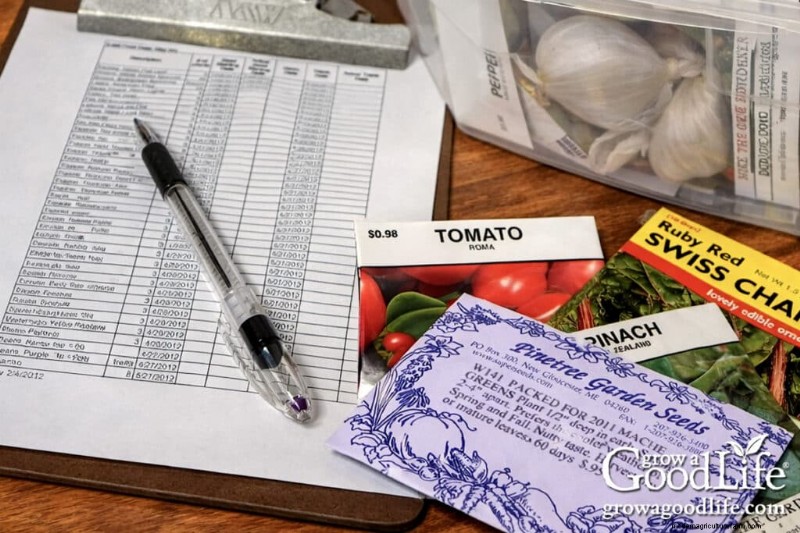 A simple seed starting schedule helps you plan exactly when to sow each crop based on your last frost date.
This window bridges the gap between very early seed starting and peak seed-starting season.
Seeds started during this time:
These crops don’t need as long indoors as onions or celery, but they still benefit from a head start before being moved into the garden.
The following crops are well suited to starting indoors during this stage of the season. Each benefits from consistent warmth and moisture as it develops healthy roots and foliage.
These cool-season vegetables grow best when given time to establish indoors before transplanting into the garden.
Artichokes are long-season plants that benefit from an early indoor start, especially in cooler climates. Starting seeds indoors helps ensure strong plants capable of producing buds later in the season.
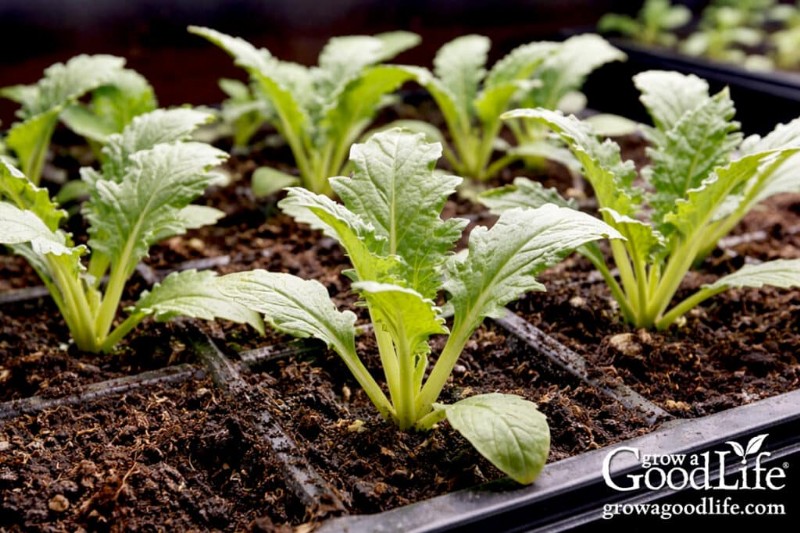 Artichokes need a long growing season, making them ideal candidates for starting indoors 8–10 weeks before frost.
Endive prefers cool growing conditions and grows steadily once established. An indoor start allows you to transplant strong seedlings into the garden as soon as conditions are suitable.
Many culinary herbs grow slowly at first and benefit from the controlled environment of indoor seed starting.
Chives are hardy perennials that germinate reliably indoors. Starting them early helps establish strong clumps that can be harvested lightly in their first season.
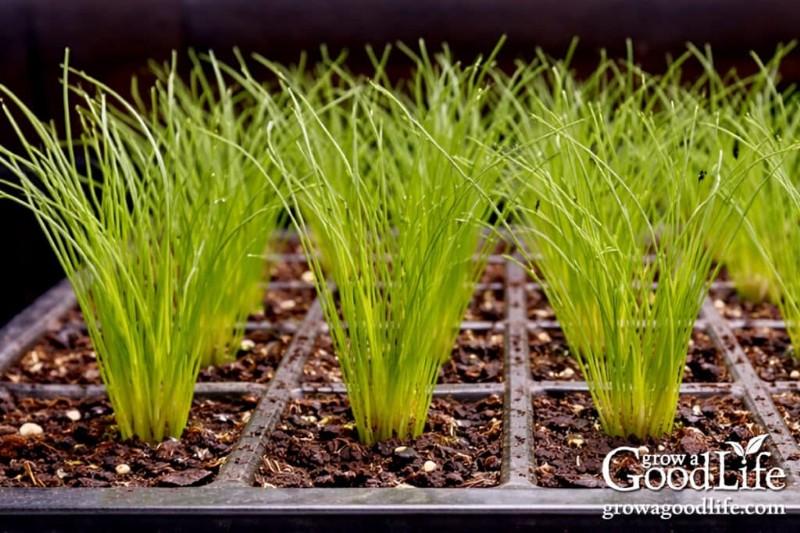 Chives germinate reliably indoors and grow in tidy clumps, making them easy to start under lights 8–10 weeks before your last frost.
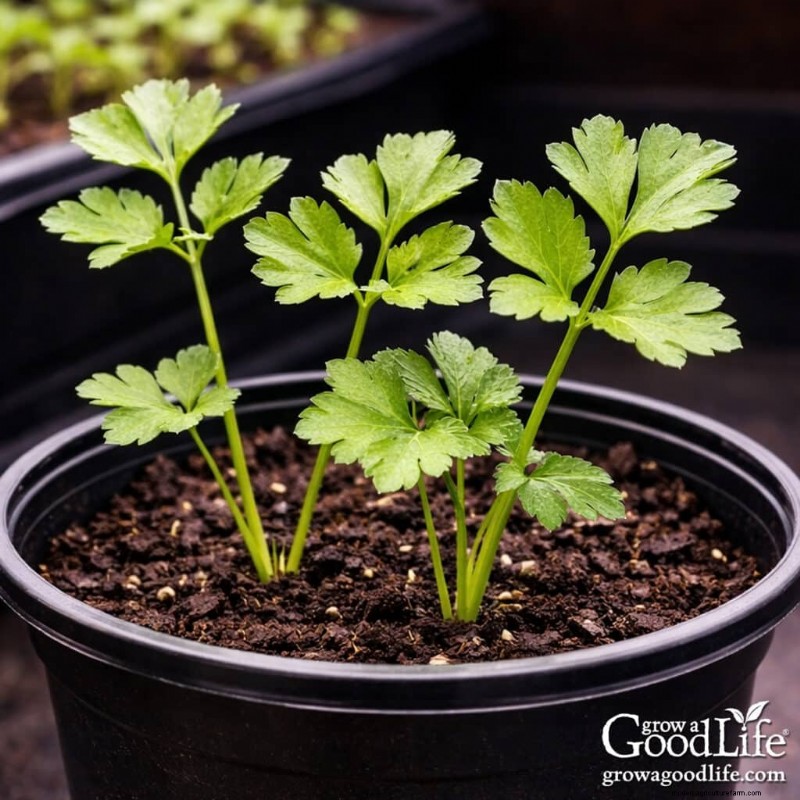
Parsley seeds can be slow to germinate. An indoor start gives seedlings time to develop strong roots before being transplanted into the garden.
Your seed packet is one of the best resources for successful seed starting. Before planting, take a moment to review the information on the packet, including:
Because some of these seeds germinate slowly, patience and consistent moisture are especially important.
To grow strong, healthy seedlings during this stage of seed starting:
A simple grow light setup and steady care will keep your seedlings growing evenly and on schedule.
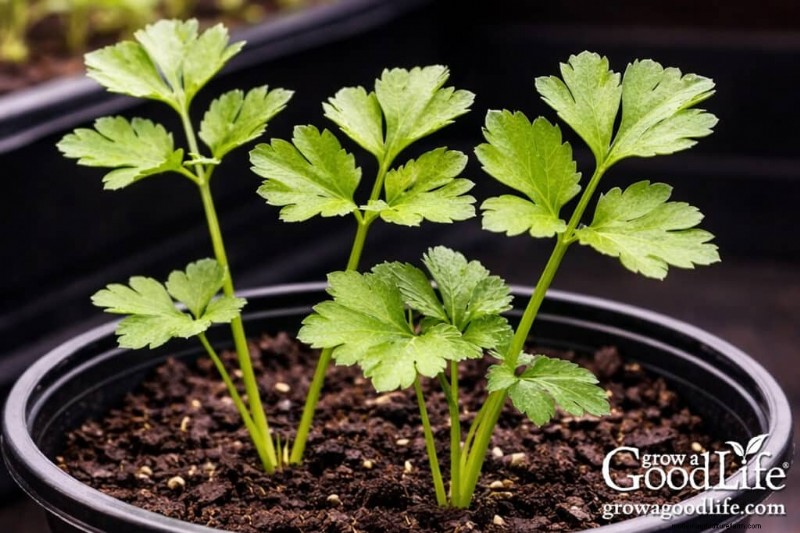 Potting up parsley seedlings gives them room to grow strong roots before transplanting outdoors.
Helpful resources:
There is some flexibility built into this stage of seed starting.
If you’re unsure, it’s generally better to wait until you’re closer to the 8–10 week mark than to start too early without adequate light.
As your last frost date approaches, the seed-starting season begins to ramp up quickly.
Next in the indoor seed sowing schedule: Seeds to Start Indoors 6–8 Weeks Before Your Last Frost.
This is often considered peak seed-starting season and includes many popular garden vegetables and herbs.
Each step in the seed-starting process builds on the last. By starting only what’s appropriate for each window, you’ll keep your seed-starting season organized, manageable, and enjoyable one tray at a time.