Welcome to Modern Agriculture!

The consequences of improper fertilization rarely become obvious the week you make a mistake. For months the plants may appear healthy, but eventually growth stalls, leaves yellow at inappropriate times, and the bed that once thrived falls silent.
By the time symptoms surface, the soil has already lost vital components: salt buildup, depleted microbial life, locked‑out nutrients, and pH imbalances. Each imperceptible mistake compounds over years. Avoiding the habits below can give your soil a fighting chance to recover before the next season.
“If a little works, more must work better” is the most common assumption in gardening. It can scorch roots, harm earthworms, and turn living soil into a chemical blend. Excess synthetic fertilizer draws moisture away from roots via osmosis, much like salt curing meat.
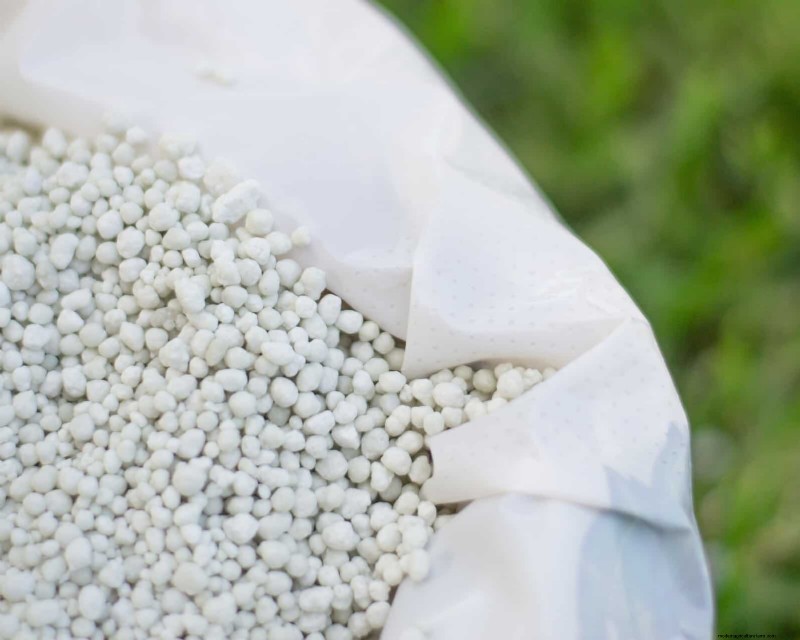
The damage is invisible at first. Over time you’ll notice beds drying faster, leaves crisping at the edges, and a thin white crust on the surface—evidence of salt accumulation and chemical drying of the root zone.
Save this article & also instantly unlock today's gardening deals!
Dry soil cannot buffer concentrated fertilizer. Granules sit directly against root hairs and pull the last bits of moisture from the plant—fast‑track scorched tomatoes or a flower border in summer.
Water deeply the day before any feeding. Plump, active roots dilute the fertilizer and carry it gently to where it belongs.
Many gardeners unknowingly apply fertilizer twice in a season. A spring feed followed by an unplanned June addition can double the intended dose, over‑nourishing the bed.
A simple calendar note can prevent months of corrective work.
If you also feed indoor plants on instinct, consult our guide to 18 houseplant fertilizer mistakes that damage your plants.
Adding nutrients without a soil test is gardening blindfolded. Your soil might already be overloaded with phosphorus from years of bone meal or manure. Piling more offers no benefit, pushes excess into runoff, and locks out zinc and iron.
Most extension offices offer basic tests for under $20. Results reveal what’s missing, what’s already present, and what should never be added again.
For faster results, try the MySoil Soil Test Kit, which returns a full nutrient and pH report with feeding recommendations.
Composted manure is excellent in moderation, but repeated heavy use builds phosphorus to levels that require cover cropping seasons to reduce.
Excessive phosphorus binds with iron and zinc, preventing uptake even when tests show richness. Pale veins in tomatoes after years of manure amendments may signal an over‑application, not a deficiency.
A high‑nitrogen lawn blend on a vegetable garden yields leafy plants without fruit. A bloom booster on a lawn leaches straight into stormwater. Each plant family has its own ideal ratio; the bag you reach for matters as much as timing.
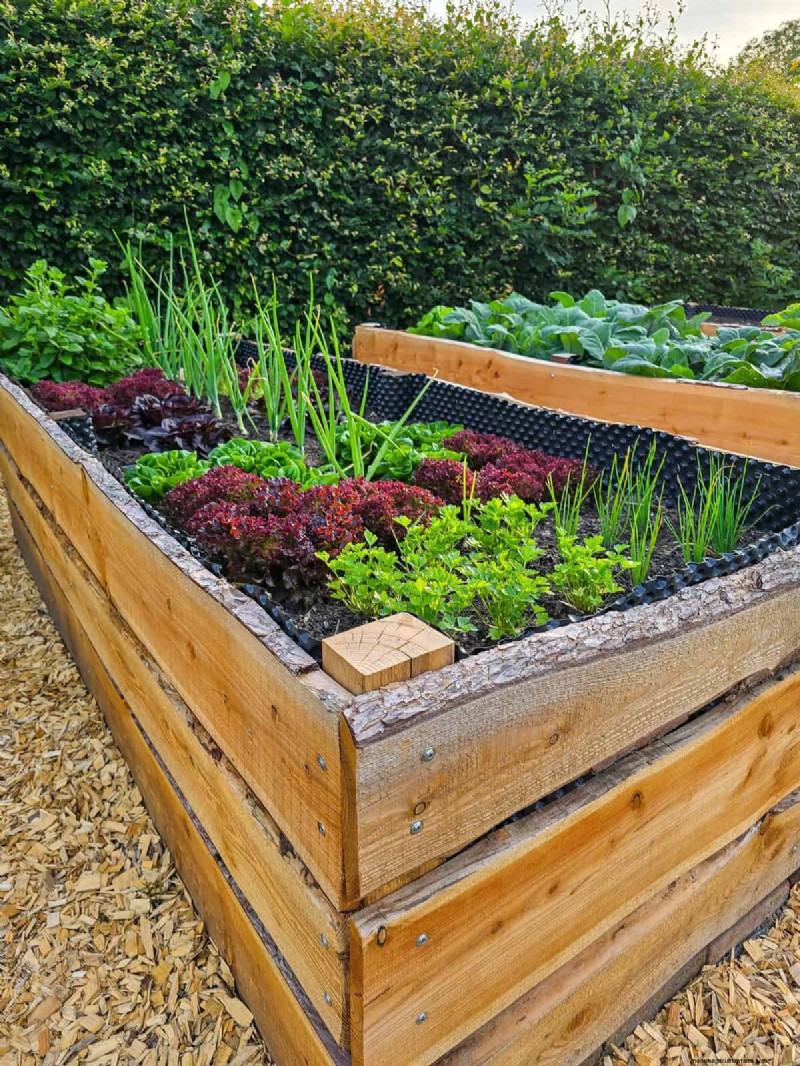
Match the formula to the goal: leafy greens need nitrogen; flowering and fruiting plants benefit from balanced or higher‑phosphorus blends; lawns thrive on slow‑release nitrogen with minimal else.
| Plant Type | Suggested N‑P‑K Profile | Why It Works |
|---|---|---|
| Lettuce, kale, spinach | Higher nitrogen (e.g., 10‑5‑5) | Promotes leaf production |
| Tomatoes, peppers, squash | Balanced or higher P‑K (e.g., 5‑10‑10) | Supports flowering and fruiting |
| Lawn grass | Slow‑release nitrogen (e.g., 20‑0‑5) | Steady leaf growth without bloom focus |
| Roses, flowering shrubs | Balanced (e.g., 10‑10‑10) plus organic matter | Even growth and bloom support |
A storm can wash a fresh application straight off the lawn and into the nearest storm drain. The plants receive almost nothing, and local watersheds suffer downstream algal blooms.
Check the forecast for at least 48 hours after any planned application. A gentle drink helps fertilizer move into the root zone; a downpour sends it elsewhere.
Roots absorb little below about 50°F. Spring fertilizer on cold soil sits idle, leaches with snowmelt or rain, and feeds weeds that awaken first.
Wait until soil temperature stays consistently warm. A cheap soil thermometer pays for itself the first season you use one.
Did You Know? Researchers tracking nutrient losses on excessively fertilized vegetable plots found that irrigation timing influenced leaching more than fertilization rate. Watering schedule, not bag size, determines how much nitrogen actually reaches the plant.
See more: Why Does Your Garden Fall Apart by Mid‑July? Probably One of These 13 Mistakes
Slow‑release fertilizer keeps working for months. What you applied in spring often remains active when you reach for the bag again in fall. Adding new feed atop leftovers can push nitrogen beyond plant needs, flushing out calcium and magnesium.
A late‑summer soil test tells you if anything is still active; if so, skip the fall application entirely.
Foliar feeding is efficient when applied at the right time. Bright, hot afternoons turn droplets into tiny magnifying lenses on leaf surfaces, scorching foliage and stressing the plant more than the nutrients help.
Apply early morning or early evening when temperatures are mild. Leaves stay open, stomata absorb nutrients, and no scorch occurs.
Convenient, but broadleaf herbicides in these products can drift onto tomatoes, beans, hydrangeas, and other broadleaf plants. Damage appears as leaf curling—easily misdiagnosed as disease.
Keep weed‑and‑feed products well away from beds you care about. If you’ve used them on a lawn, never compost those clippings near vegetables.
Pouring granular fertilizer directly against a plant’s base concentrates salts where the most active feeder roots live. The plant draws in too much too fast, burns stem tissue, and wilts within days—often mistaken for disease.
Place granular fertilizer in a ring six to eight inches from the stem. Water gently afterward; roots will reach the food on their own schedule.
Silent over decades, this mistake ruins soil. Synthetic fertilizer feeds plants but does nothing for the living web beneath them. Without compost, mulch, or cover crops, microbial populations crash and earthworm tunnels disappear.
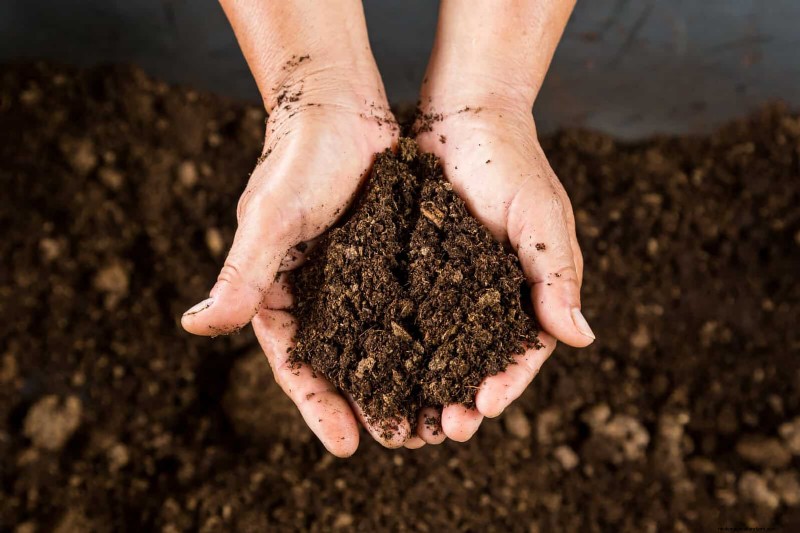
Soil lacking organic matter loses water‑holding capacity, nutrient cycling, and erosion resistance. Adding a few inches of finished compost every two years rebuilds what synthetic fertilizer cannot. Many gardeners discover free fertilizer alternatives at home that quietly perform the same role.
Most fertilizer damage is reversible if caught early. Deep watering can leach excess salts. Cover crops pull down accumulated phosphorus, and a consistent compost habit rebuilds the microbial community within one to two years.
The real cost is the time spent feeding soil that was never hungry. A soil test next season, a calendar reminder, and a gentler hand with the bag protect what you’ve built for the long haul.
Written by
Anne Moss
Anne Moss is the founder of GardenTabs and principal of Moss Digital Publishing, where she’s spent over a decade building practical, reader‑first content. Alongside guiding the site’s editorial direction, she contributes guides aimed at helping everyday gardeners get clear, usable answers.
Meet the GardenTabs team →

Editorial oversight
GardenTabs content is reviewed by Steve Snedeker, a seasoned gardener with decades of hands‑on landscaping experience.