
Welcome to Modern Agriculture!


Glen is an exceptional gardener with over 15 years of hands-on experience in garden maintenance, design, and landscaping services. When he’s not working on beautifying a client’s garden, he is busy creating helpful content for this blog.
Latest posts by Glen Chandler (see all)
Planting bell peppers in Georgia can be a rewarding experience if you know the right timing. The best time to plant your bell pepper seeds is after the last spring frost, typically around mid‑April. Trust me, you don’t want to rush; a late frost can wreak havoc on your fledgling pepper plants!
It’s like wearing shorts in January—not a great idea. I always check the local frost calendar and wait for two consecutive nights above 50°F before I even think about sowing.
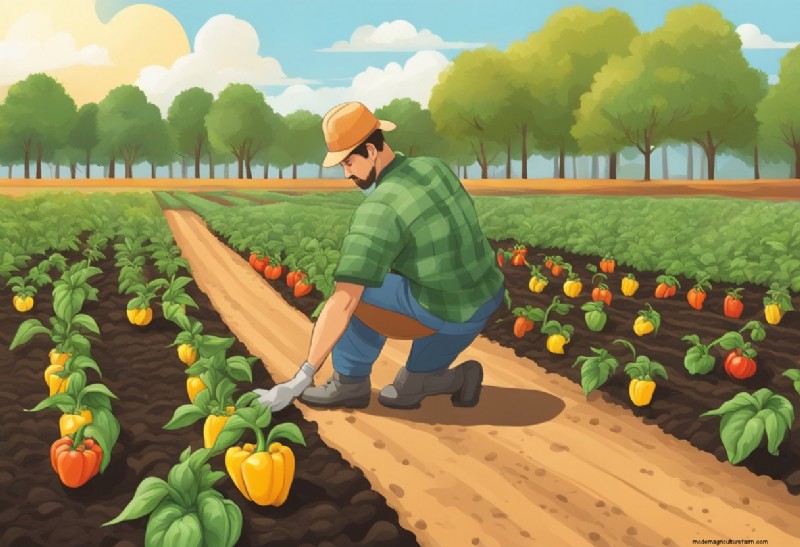
Using my trusty trowel, I’ve found that peppers thrive in the warm Georgia climate, but they need a head start indoors. Start your seeds about 8 weeks before you plan to transplant them outside. That way, by the time the weather warms up, your plants will be ready to flourish.
I usually sow them in peat‑based starter mix, keep the trays at 70°F, and give them 12‑14 hours of fluorescent light each day.
Georgia’s growing season is perfect for peppers, but be mindful of the summer heat. Peppers love warmth, yet extreme temperatures can be a bit much. Keep an eye on the weather, and make sure your garden gets plenty of morning sun while avoiding the harsh afternoon rays.
Your pepper plants will thank you! When daytime highs climb above 95°F, I provide a 4‑hour afternoon shade using a light cloth to prevent blossom drop.
Cultivating peppers in Georgia requires careful attention to soil composition, appropriate temperatures, and systematic watering and fertilization strategies. These are the key factors that will drive your pepper plants towards success. I test my soil every spring with a handheld pH meter and adjust with lime or sulfur as needed.
Peppers thrive in loamy soil with good drainage. In my experience, mixing compost or aged manure into your garden beds enhances soil quality. I add about 2‑3 inches of compost per square foot and work it 6 inches deep before planting.
🪴 Optimal pH: Keep the soil pH between 6.2 and 7.0 for the best results.
Soil temperature is crucial. Peppers prefer soil temperatures between 70°F and 85°F. Planting should occur in late April or early May to avoid frost damage. I use a soil thermometer and only transplant when the 10‑cm depth reads at least 68°F.
🌱 Starting seeds indoors 6-8 weeks before the last average frost date ensures healthy transplants. I typically begin in late February or early March. After germination, I thin seedlings to one per cell to give each enough root space.
Transplanting should be done once the danger of frost has passed and soil temperatures are adequate. I harden off seedlings for 7‑10 days by placing them outside for increasing periods each day before the final move.
💥 Quick Answer
Plant in full sun to enhance growth.
Space transplants about 18 inches apart to allow ample room for growth. Ensure that your garden gets a minimum of 6 hours of sunlight daily. I also stagger rows by 24 inches so air can circulate and reduce disease pressure.
🚰 Consistent watering is vital when cultivating peppers. Aim for 1-2 inches of water per week. I find drip irrigation to be effective, as it keeps the soil uniformly moist without waterlogging. I set the timer for 30 minutes in the early morning.
To lock moisture, use mulching around your plants. I spread a 3‑inch layer of shredded hardwood mulch, which also suppresses weeds and keeps soil temps steady.
🤎 Using a balanced fertilizer during planting helps boost growth. I recommend a mix with equal parts nitrogen, phosphorus, and potassium (10-10-10). Aged manure or organic compost can serve as excellent supplementary nutrients. I apply 1 cup per 10‑square‑foot bed at planting.
Periodic fertilization, every 3-4 weeks, can maintain nutrient levels. Always follow instructions on fertilizer packages to avoid over‑fertilization, which can harm plants. I switch to a low‑nitrogen formula once the first fruits appear to encourage color development.
Growing peppers in Georgia means managing a few challenges like pests and timing the harvest just right. I keep a notebook of daily observations so I can spot trends early, especially during heat spikes.
Deploy pest and disease management techniques to keep your bell peppers, habanero peppers, and jalapeno peppers thriving. Row covers and shade cloth are terrific for preventing insect invasion early on. Trust me, aphids can be relentless.
Keeping weeds under control with mulch not only retains soil moisture but also deters unwanted insects. I also spray a neem oil solution every 10 days if I notice spider mites.
Crop rotation is a game‑changer. Rotating your peppers helps prevent disease build‑up in the soil. If you see foliage turning yellow or spot molds, act fast. Continuous monitoring and organic insecticides make a real difference. I rotate peppers out of the same bed for at least three years.
Nothing beats the sight of ripe red, yellow, or green pepper hanging heavy on a plant. By carefully monitoring your pepper’s maturity, you’ll know when to harvest.
Typically, bell peppers can be harvested 75-84 days after planting. I start checking color and firmness at day 70 to gauge early ripening.
Pick in the early morning when the peppers are crisp; it’s easier and the veggies stay fresh. Use sharp scissors or a knife to cut them clean. I also leave a short stem attached to prolong storage life.
Store peppers in the refrigerator to keep them fresh. If you’ve got a surplus, freezing or canning are fantastic options. They retain flavor and nutrients, making them perfect for enjoying year‑round. I blanch them for 2 minutes before freezing to preserve color.
Even seasoned gardeners slip up now and then. Below are the pitfalls I’ve learned to sidestep.
Many gardeners sow seeds as soon as the soil is workable, but peppers need warm soil. I’ve lost seedlings when the soil stayed below 60°F at night. Waiting until the soil consistently hits 68°F saves you a lot of heartache.
It’s easy to think more water means healthier plants, yet soggy roots invite root rot. I measure water with a rain gauge and keep weekly totals under 2 inches during cooler weeks.
Skipping a soil test can leave you with hidden pH or nutrient issues. I run a quick DIY test each spring; adjusting with lime or sulfur keeps the pH in that sweet 6.2‑7.0 window.
Following a month‑by‑month checklist keeps your pepper patch thriving from seed to storage.
Start seeds indoors in late February, transplant after the last frost (usually April 15). Apply a starter fertilizer at planting and begin weekly inspections for aphids.
Provide afternoon shade when temperatures exceed 92°F, and mulch heavily to retain moisture. Fertilize with a low‑nitrogen formula every 3 weeks to boost fruit set.
Harvest the final crops before the first frost, usually by early November. Compost spent plants, and if you want a winter garden, move a few seedlings to a sunny indoor window.
Choosing the right neighbors can improve pepper health and yield.
Basil, oregano, and thyme repel many pests that target peppers. I plant a 12‑inch border of basil on the sunny side of the row and notice fewer aphids.
Nasturtiums attract aphids and whiteflies away from your peppers. I sow them in a staggered pattern every 4 feet, and they act as a visual distraction.
Planting low‑growing marigolds or alyssum reduces weed pressure and adds a splash of color. I keep them under 6 inches tall so they don’t shade the pepper foliage.


