The Wildlife and Countryside Act 1981 is an Act of Parliament designed to protect native species of animals and plants in England and Wales. It also covers nature conservation, the countryside, National Parks and Public Rights of Way.
Why was the Wildlife and Countryside Act 1981 introduced?
The Wildlife and Countryside Act 1981 was introduced to strengthen laws protecting native species of plants and animals, to protect important wildlife and conservation sites, and to provide safeguards against the spread of invasive non-native species.
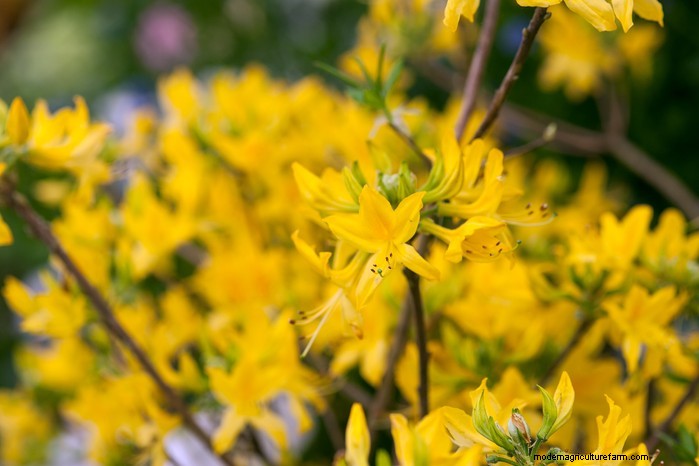
Rhododendron luteum (Schedule 9 plant). Torie Chugg
Schedule 9 is the part of the Wildlife and Countryside Act 1981 that lists non-native species already established in the wild which pose a threat to wildlife and habitat conservation. It also controls reintroduction programmes of some native species, such as the barn owl.
The section of particular relevance for gardeners is the list of plant species that are illegal to plant or otherwise cause to grow in the wild in England and Wales. There's similar legislation for Scotland and Northern Ireland.
A selection of the most common Schedule 9 species are listed below.
Schedule 9 plant list
These are the Schedule 9 plants you're most likely to come across. A full list of plants can be found on the Government website.
The letters after the plant indicate whether it's on Schedule 9 in England and Wales (E&W), Northern Ireland (NI) or the Republic of Ireland (RI). In Scotland, it's an offense to plant any non-native plant in the wild or to cause it to grow in the wild. The law in Scotland is also more restrictive about invasive species growing in gardens.
Aquatic plants
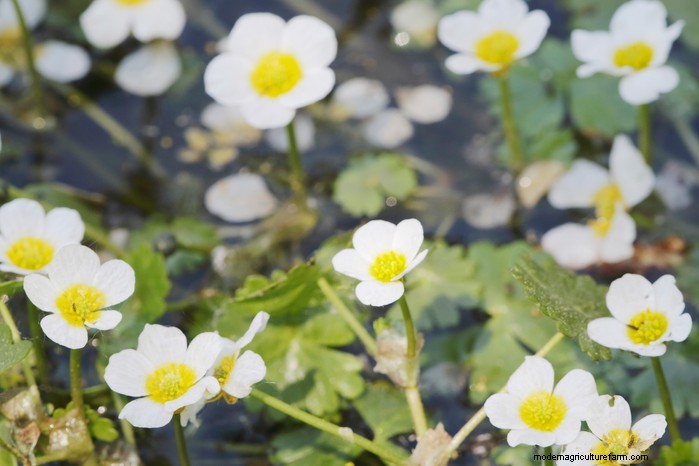
Water crowfoot. Getty Images
Aquatic plants can be particularly problematic as they're easily transferred from pond to pond (for example, on the feet of birds or with other aquatic plants) and can become extremely invasive in the wild. By choosing native pond plants, you can eliminate these risks.
- Waterweeds (Elodea spp.) E&W, NI, RI – waterweeds are oxygenators, but they grow and spread very vigorously. Instead choose native oxygenators such as hornwort
- Fringed waterlily (Nymphoides peltata) NI, RI – in place of fringed waterlily, there are many other waterlilies to choose from. Only one of these, Nymphaea alba, is native to the UK, and it's suitable only for larger ponds
- Water lettuce (Pistia stratiotes) E&W, NI, RI (now banned from sale in NI) – water lettuce is an evergreen floating perennial
- Water soldier (Stratiotes aloides) NI – generally thought to be native to East England and introduced elsewhere, water soldier is a floating plant with white flowers. Alternative floating plants to water lettuce and water soldier include frogbit and common water crowfoot
In addition, the following aquatic plants have been banned from sale in the UK:
- Water fern (Azolla filiculoides)
- Parrot's feather (Myriophyllum aquaticum)
- Floating pennywort (Hydrocotyle ranunculoides)
- New Zealand Pygmyweed (Crassula helmsii)
- Water Primrose (Ludwigia peploides, Ludwigia grandiflora, Ludwigia uruguayensis)
Trees and shrubs
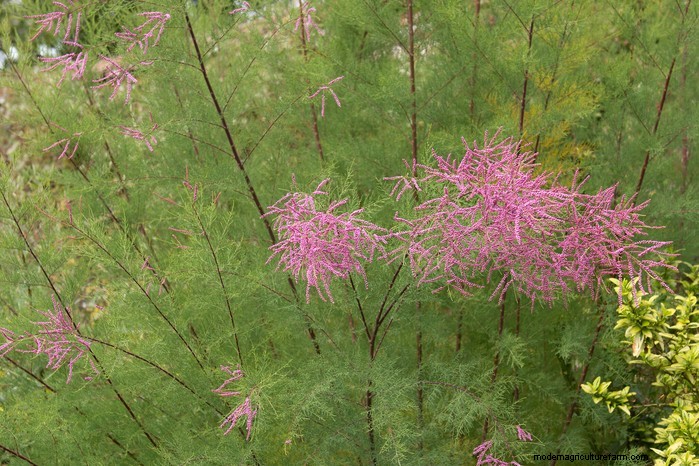
Tamarix ramosissima 'Pink Cascade'. Sarah Cuttle
- Hippophae rhamnoides (sea buckthorn) NI, RI – in place of sea buckthorn, try salt-tolerant coastal favourites, such as tamarisk (though it's considered invasive in the US), elaeagnus, and other plants suitable for coastal gardens
- Rhododendron luteum (yellow azalea) E&W
- Rhododendron ponticum E&W, RI
- Rhododendron ponticum × Rhododendron maximum E&W, RI – all three Schedule 9 rhododendrons can be replaced with less invasive species of azalea and rhododendron
Climbers and wall shrubs
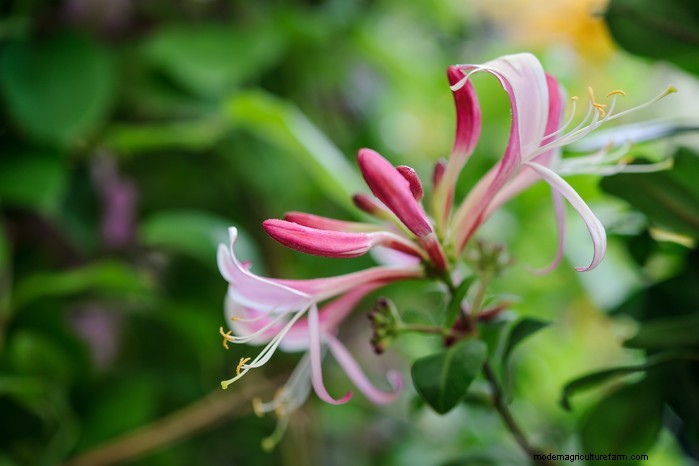
Lonicera periclymenum 'Serotina'. Jason Ingram
- Cotoneaster horizontalis E&W – there are several other less popular cotoneaster species that are also on the Schedule 9 list, so it's best to check before you buy, to ensure the cotoneaster species you've chosen isn't considered invasive
- Lonicera japonica (Japanese honeysuckle) NI – in place of Japanese honeysuckle, consider Lonicera periclymenum, our native honeysuckle and a magnet for wildlife
- Parthenocissus quinquefolia (Virginia creeper) E&W – Chinese Virginia creeper (Parthenocissus henryana) is a more compact species, making it more suitable for smaller spaces
Ground cover
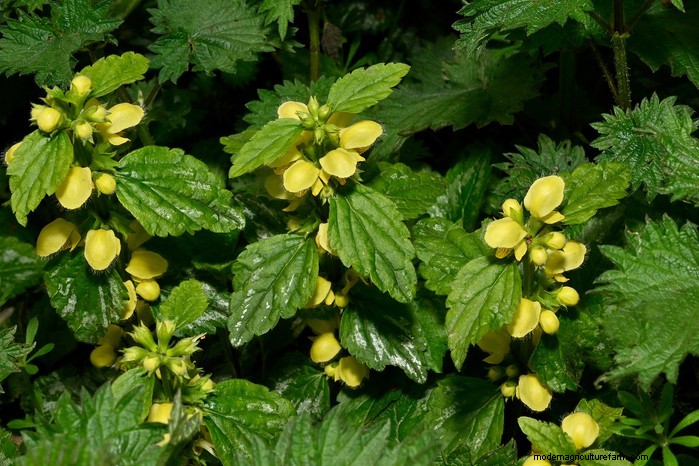
Native yellow archangel. Getty Images
- Pirri-pirri bur (Acaena spp.) NI
- Allium paradoxum (few-flowered leek) E&W, NI, RI
- Allium triquetrum (three-cornered garlic) E&W, RI
- Carpobrotus edulis (Hottentot fig) E&W, NI, RI
- Lamiastrum galeobdolon subsp. argentatum (variegated yellow archangel) E&W
Alternatives to these invasive ground-cover plants include primrose, wood sorrel, wood anemone, yellow archangel, ground ivy and wood forget-me-not.
Other plants
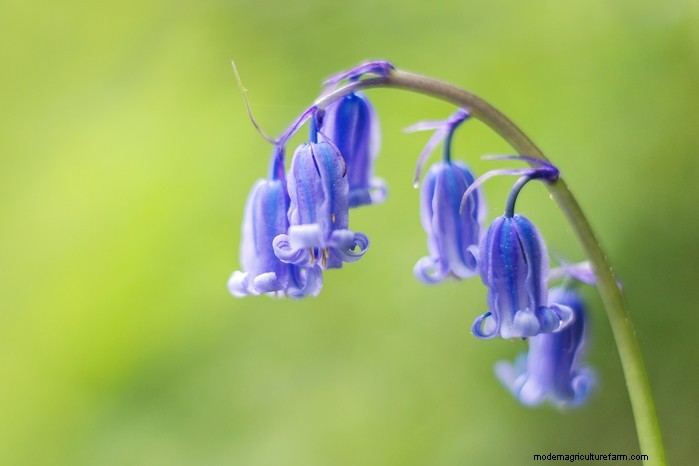
English bluebells. Getty Images
- Hyacinthoides hispanica (Spanish bluebell) NI, RI – choose native bluebells (Hyacinthoides non-scripta) or other woodland plants to grow instead of planting invasive Spanish bluebells
- Crocosmia × crocosmiiflora (montbretia) E&W – cultivated varieties of Crocosmia are less likely to become invasive, so these are your best option instead of montbretia
- Fallopia japonica (Japanese knotweed) E&W, NI, RI – there are many ornamental plants that could take the place of Japanese knotweed – if you can manage to get rid of it
- Gunnera manicata (Brazilian giant rhubarb) RI – both Gunnera manicata and Gunnera tinctoria are now banned from sale in the UK under EU Regulations on Invasive Alien Species (see below). But there are several compact gunnera that are more suitable for growing in gardens
- Rosa rugosa (Japanese rose) E&W – rather than growing Japanese roses, choose other rose species or varieties that are less invasive
- Rubus spectabilis (salmonberry) NI, RI – some Rubus species can be invasive and too vigorous for smaller gardens. If you'd like to grow berries to harvest, try raspberries, thornless blackberries or loganberries and, for winter stem and summer foliage colour, choose Rubus cockburnianus 'Golden Vale', which can be grown in a large container
- Smyrnium perfoliatum (perfoliate alexanders) E&W – if you're a flower arranger looking for chartreuse flowers and foliage, why not grow Bupleurum rotundifolium 'Griffithii', Chrysanthemum 'Tula Green' or Gladiolus 'Evergreen' instead?
What is the EU Regulation on Invasive Alien Species?
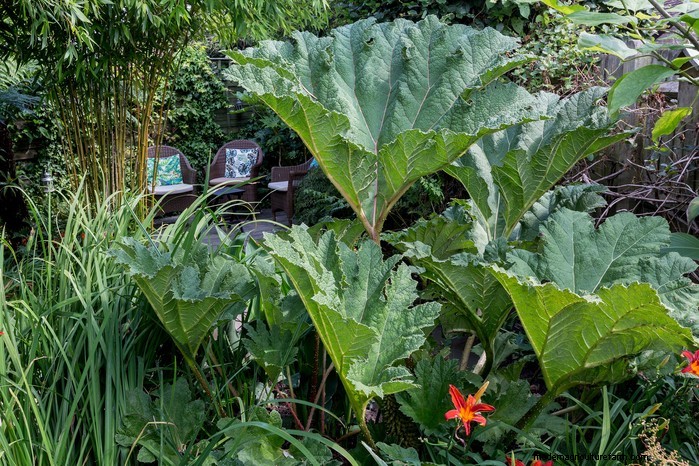
Gunnera manicata (on the EU Regulation on Invasive Alien Species list). Paul Debois
This is a list of invasive non-native plants that are considered of concern because of their invasiveness and ability to spread and establish in European countries, including the UK. It's illegal to import, keep, propagate, transport, sell, grow or cultivate these species, or permit them to reproduce. These regulations also apply to any live part of the plant (eg. seeds or cuttings) and hybrids or varieties of the species that might survive and reproduce.
Does it apply here?
The regulations are currently in force in the UK.
Plants list
Most of the species on the list are not ones you're likely to come across as garden plants. Here are the most often planted species (not including those already listed in Schedule 9 above). A full list can be found on the Government website.
- Ailanthus altissima (Tree of Heaven)
- Pennisetum setaceum (Fountain Grass)
- Gunnera tinctoria (Giant Rhubarb)
- Heracleum mantegazzianum (Giant Hogweed)
- Impatiens glandulifera (Himalayan Balsam)


