
Welcome to Modern Agriculture!

Plenty of flower and vegetable seeds can be sown or planted in the UK in November. Sowing in November gives you a head start on the gardening year ahead, bringing flower and vegetable harvest times forward, while taking up soil space that would otherwise remain empty. Sowing in November also takes the pressure off spring sowing – spring is a busy time of year, so sowing as much as you can in November will save valuable time when temperatures increase again, enabling you to grow more of what you love. One of the best flowers to sow in November is sweet peas, as they'll flower earlier than spring-sown sweet peas. Spring bulbs can also be planted this month – the best bulbs to plant in November include tulips and alliums.
November is also a great time to plant bare-root fruit trees. These trees are dormant when planted but have the full season to grow as soon as temperatures increase in spring. Trees such as apple, pear, cherry and plum, along with blackcurrant, raspberry and gooseberry, can be planted now.
Find below which vegetables, fruits, flowers, shrubs and trees we recommend sowing or planting in November.
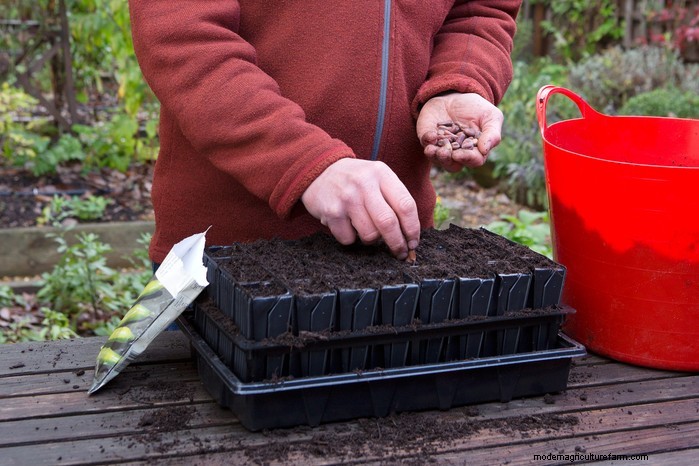
Sowing broad beans. Sarah Cuttle
When to harvest: May to August
How to grow: broad beans can be sown in the ground in autumn or alternatively in pots, for transplanting later. Sowing broad beans in November can bring your harvest forward by a few weeks, while having roots in the ground will aid soil structure and prevent leaching of soil nutrients in autumn rains.
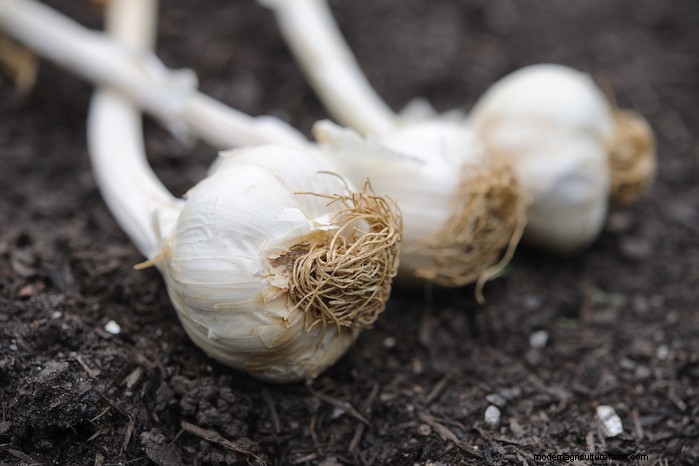
Planting garlic. Jason Ingram
When to harvest: June to August
How to grow: plant garlic in the autumn for early summer crops. Garlic produces better bulbs after a period of cold, so November is the perfect time to plant. If you have heavy soil, plant the cloves in modules. In the ground, plant cloves 15cm apart, with the pointed end facing up and the tip 2.5cm below the soil surface.
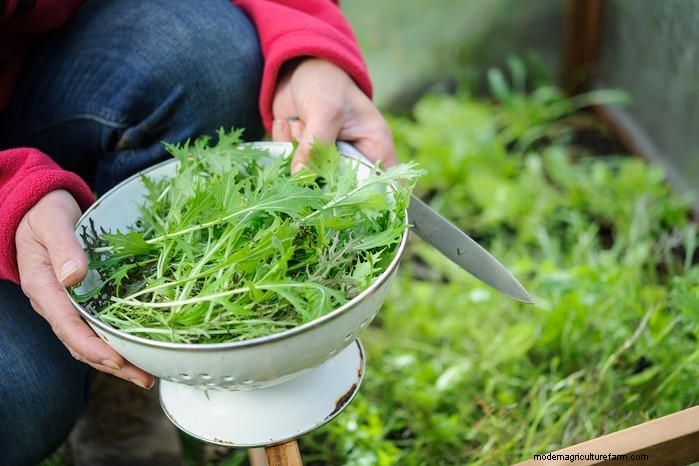
Harvesting winter salads. Jason Ingram
When to harvest: April to December
How to grow: salad leaves like mizuna, mustard and spinach are an easy win. Try sowing indoors on a bright windowsill for winter pickings, or raise them in a greenhouse.
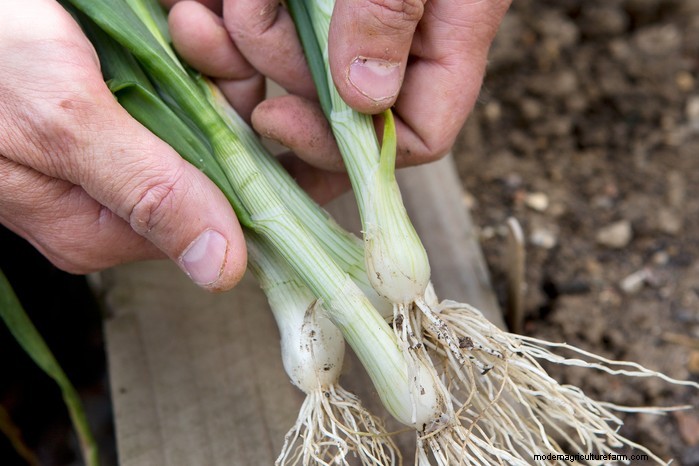
Spring onion 'Performer'. Sarah Cuttle
When to harvest: April to October
How to grow: hardier varieties of spring onion, such as 'Performer', can be sown in autumn for winter and spring harvests. They do well in pots, making protecting the young plants easier, too. Protect in a greenhouse or with cloches.
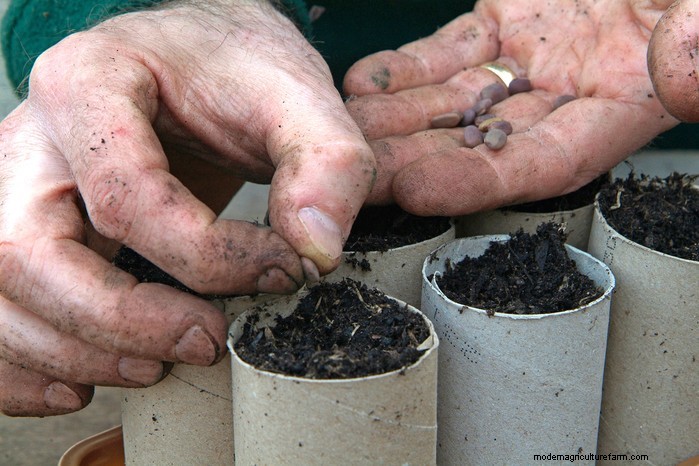
Sowing peas indoors. Tim Sandall
When to harvest: June to October
How to grow: sow first early peas like 'Meteor' and 'Kelvedon Wonder' in autumn to overwinter, providing harvests in early summer. Protect the peas from slugs, birds and mice by growing in covered containers.
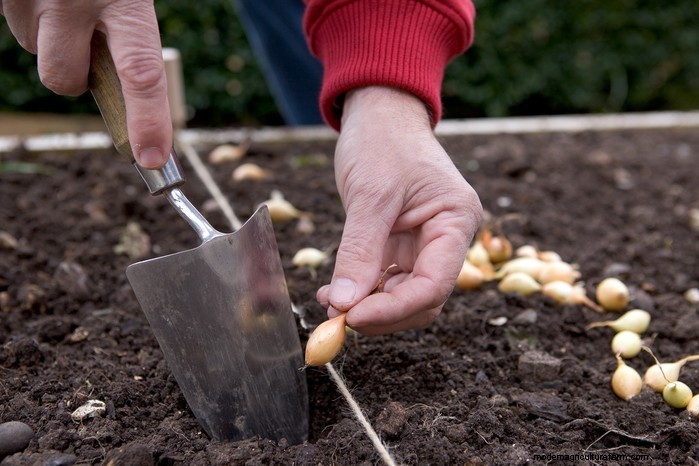
Planting onions in a row. Sarah Cuttle
When to harvest: June to September
How to grow: plant onions sets between September and November, in well drained soil. They grow best in a warm, sunny spot. Plant each bulb so that the tip is just showing, with 10-15cm between each bulb. Leave 30cm between rows. Shallot bulbs can be planted in the same way, but 15-20cm apart, and they can be planted up until December. Cover with fleece or netting to stop birds pulling up the bulbs.
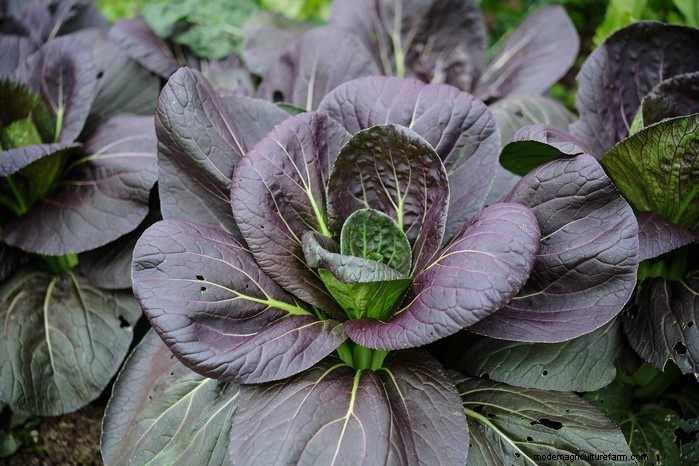
Pak choi 'Rubi F1'. Jason Ingram
When to harvest: May to November
How to grow: sow pak choi under cover, either beneath cloches or in the greenhouse, for young leaves that can be used in salads in late winter. Seed should be sown thinly, about 2cm deep.
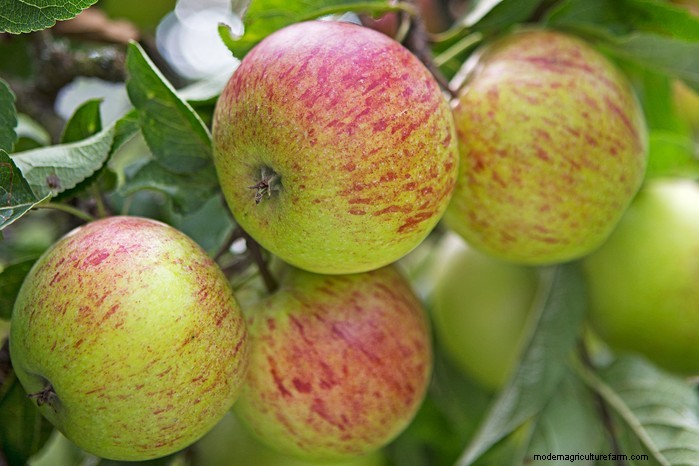
Apple 'Worcester Pearmain'. Sarah Cuttle
When to harvest: August to November
How to grow: bare-root apples can be planted now, along with container-grown trees. However, bare-root trees are cheaper to buy, and you'll find a wider range of varieties to grow. Make sure you choose the right rootstock for the type of tree you want to grow – for example, espalier apple trees are usually grown on an MM106 rootstock.
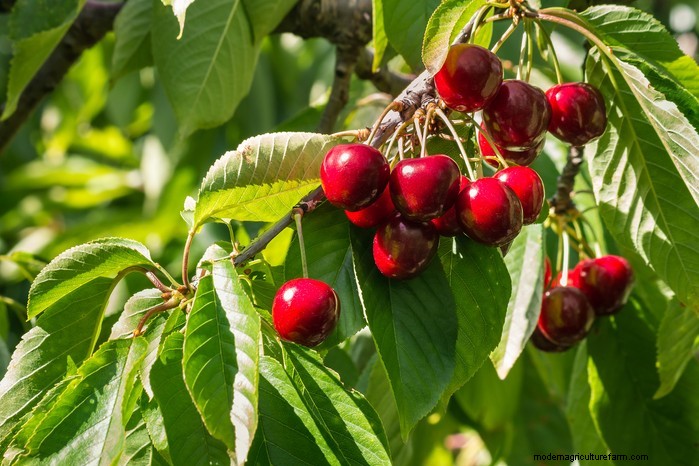
Ripe cherries hanging on a cherry tree branch. Getty Images
When to harvest: June to August
How to grow: a huge variety of cherries are available to buy bare-root. Again, check which rootstock they're growing on before planting – espalier and fan-trained cherry trees are usually grown on Gisela 5 rootstock.
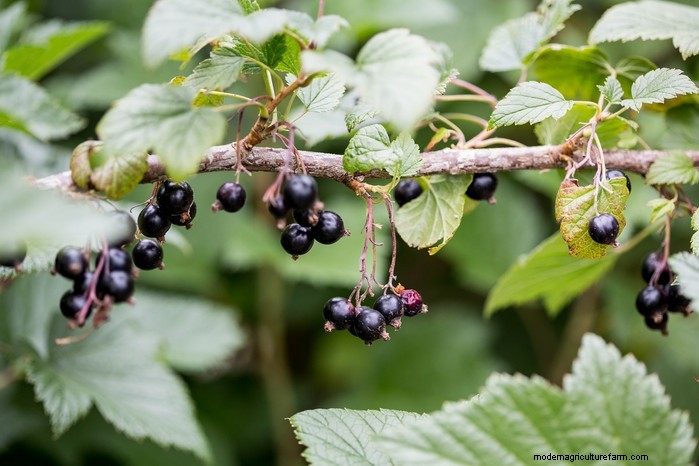
Blackcurrants. Paul Debois
When to harvest: June to August
How to grow: blackcurrants are available to buy bare-root, meaning there's plenty of variety to choose from at a cost-effective price. Plant them as soon as they arrive and they'll start to grow when temperatures increase again in spring.
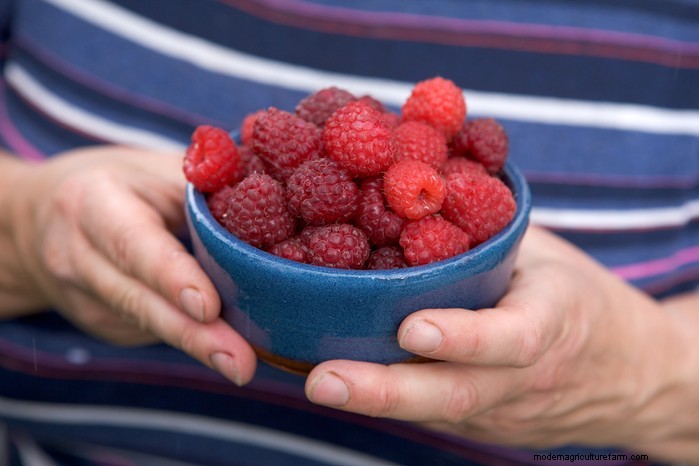
Harvesting raspberries. Sarah Cuttle
When to harvest: June to October
How to grow: raspberries are best planted in autumn. Choose from a variety of cultivars and plant in well-prepared soil in full sun to partial shade.
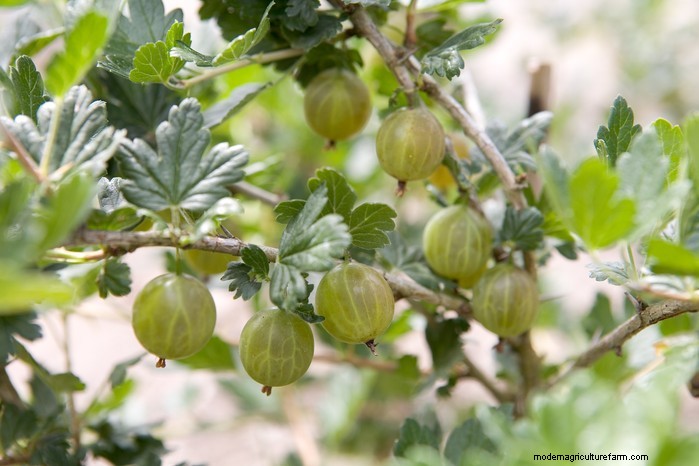
Gooseberry bush. Sarah Cuttle
When to harvest: June to August
How to grow: plant bare-root gooseberries between October and March in moist, well-drained soil. Planting in November will give gooseberry plants time to establish before the growing season. Avoid planting when the soil is frozen or waterlogged. Plant the bare-root gooseberry so that the soil mark on the stem is level with the soil surface.
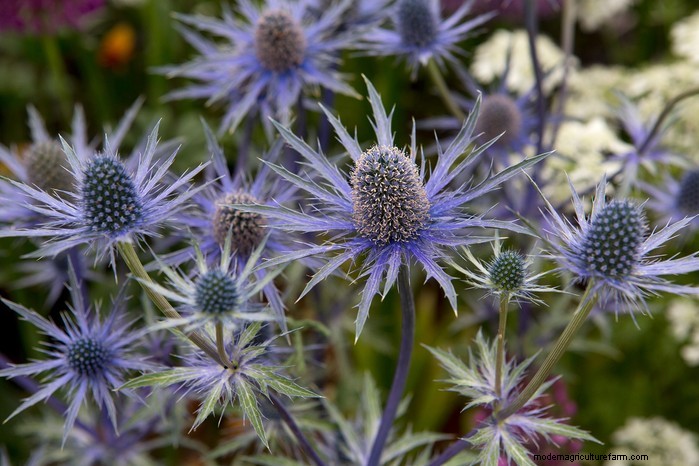
Eryngium × zabelii 'Jos Eijking'. Sarah Cuttle
Flowers: August to October
How to grow: eryngiums are bee-friendly perennials that require a period of cold in order to germinate. Sow the seeds in pots, trays or modules and place in an unheated greenhouse or cold frame over winter. They'll germinate in spring.
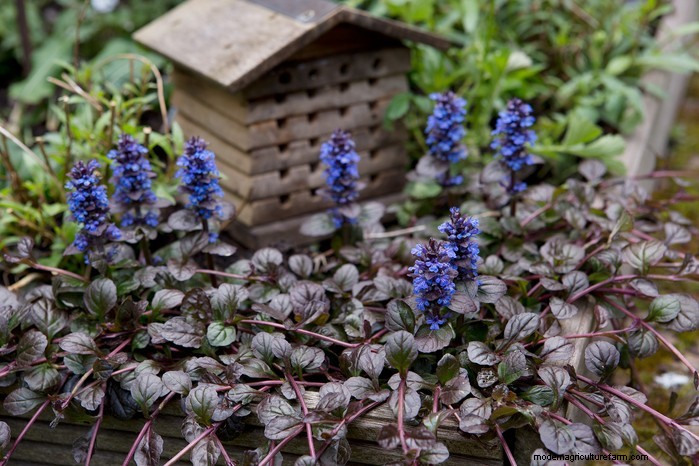
Ajuga reptans. Sarah Cuttle
Flowers: April to May
How to grow: bugle, Ajuga reptans, is a fantastic UK native and a useful groundcover plant in sun or partial shade. You could also try sowing the showier native Ajuga genevensis, which doesn't spread as quickly. Both provide evergreen colour.
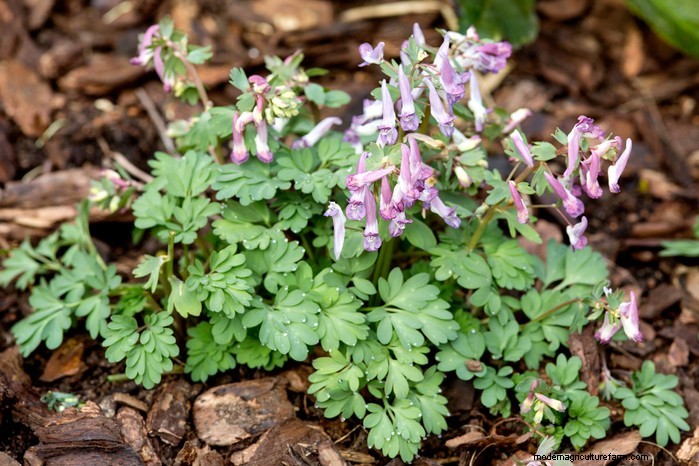
Corydalis solida. Paul Debois
Flowers: March to April
How to grow: also native to the UK, Corydalis solida is a pretty perennial that enjoys a cool, moist spot in dappled or partial shade. Fresh foliage emerges in spring, and is followed by blooms that can vary in colour, from purple to white.
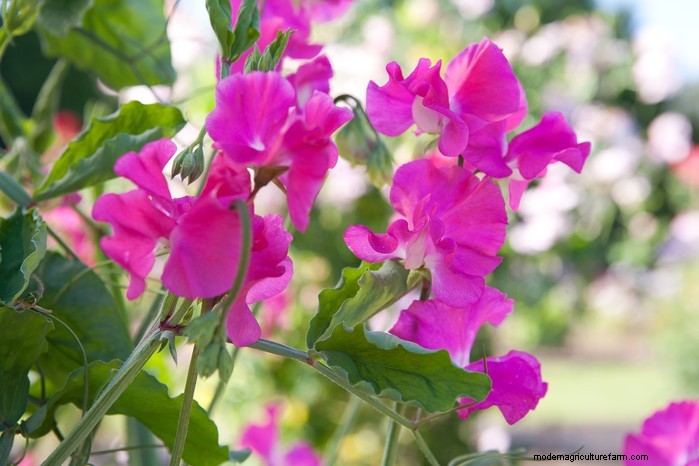
Pink sweet peas. Sarah Cuttle
Flowers: June to September
How to grow: sweet peas can be sown in autumn or spring, with autumn-sown sweet peas flowering much earlier than spring-sown ones. Find out more about growing sweet peas from seed.
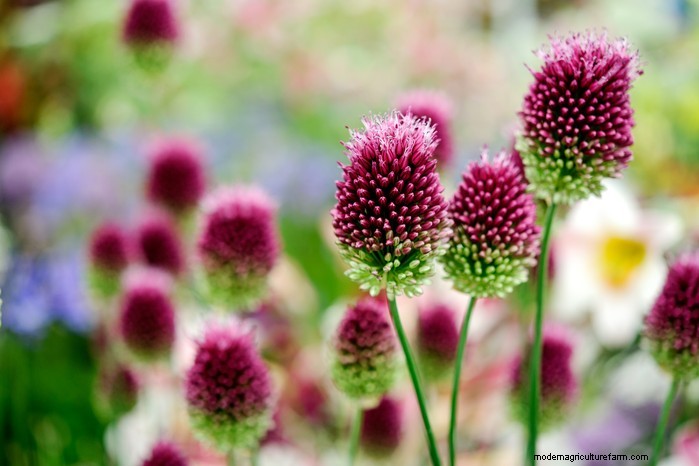
Allium sphaerocephalon. Jason Ingram
Flowers: July to August
How to grow: these striking alliums are a hit with bees and other pollinators. They're usually grown by bulb, but it is possible (and cheaper) to grow them from seed. Sow Allium sphaerocephalon any time of year, ideally in containers, as they take a long time to germinate. They need a period of cold to germinate successfully.
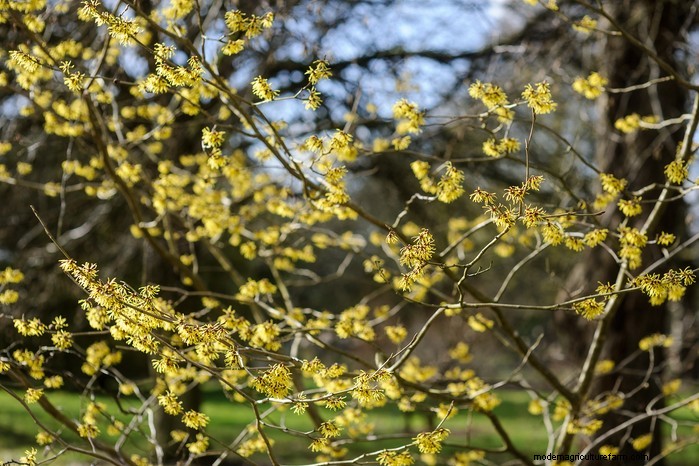
Hamamelis x intermedia 'Westerstede', witch hazel. Jason Ingram
Flowers: February to March
How to grow: witch hazel provides bright flowers on bare branches in late winter to early spring and vibrant autumn colour with leaves turning orange and red. Late autumn is a good time to plant this deciduous shrub, but avoid any days when the soil is frozen or waterlogged. Choose a sunny spot and plant so the top of the rootball is level with the surrounding soil.
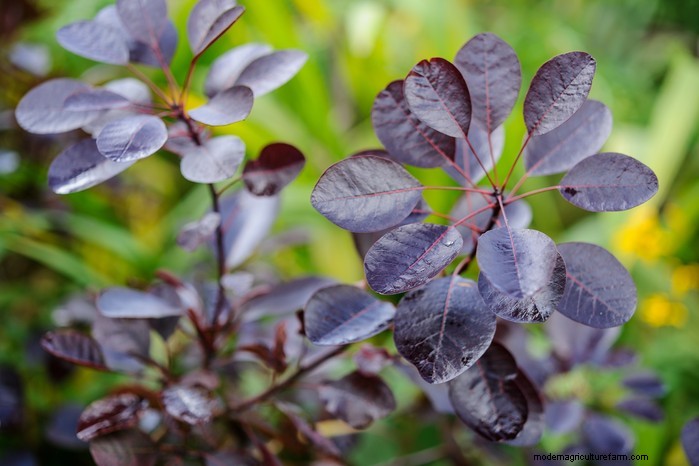
Smoke bush (Cotinus coggygria). Jason Ingram
Flowers: July to August
How to grow: cotinus is a striking shrub to add to the border, with fluffy flowers in the summer and most varieties displaying striking autumn colour. Leaf colour ranges from green through to the purple of varieties like 'Purpureus Group' and 'Royal Purple'. Plant in a warm, sunny spot and water well after planting.
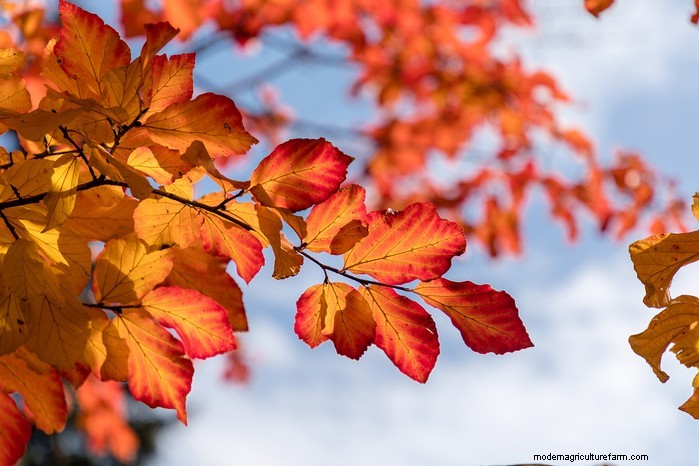
Parrotia autumn leaves. Getty Images
Flowers: January to February
How to grow: Parrotia persica can grow to 8m tall, making it a good choice for a large garden, where its colourful autumn foliage will brighten borders, turning from yellow to orange and red before falling. It has a spreading habit and can be grown as a large shrub. Plant it in a sunny spot and make sure it has room to grow.


