Welcome to Modern Agriculture!

More and more people are switching to plant-based diets to improve their health and help protect the environment. But they still need to meet their daily nutritional requirements, and this is where mushrooms play a role.
They’re tasty, nutritious functional foods with high-quality proteins that require minimal space, water and energy to grow.
But can mushrooms replace meat?
Read on to learn more about using mushrooms as an alternative to meat and 10 of the best mushrooms to use as meat substitutes.
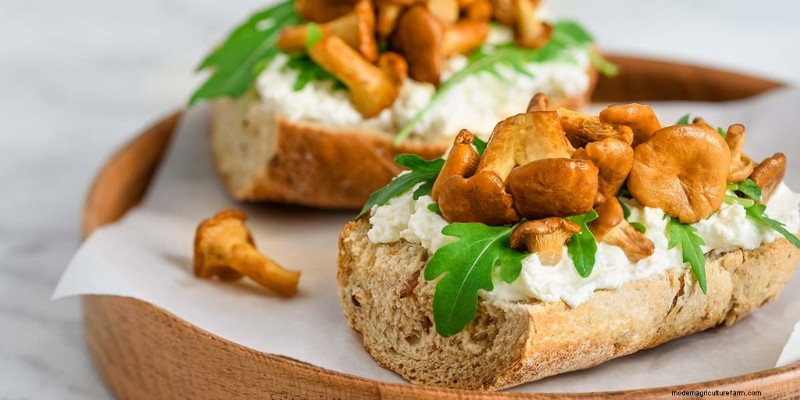
The umami taste, meaty texture, vitamin and mineral content, and protein and amino acid profile make mushrooms a great alternative to meat.
Mushrooms are not vegetables, they’re the fruiting bodies of fungi, and their nutritional profile is closer to animals than plants.
Thus their proteins are rich in essential amino acids not found in many plant-based foods, making them valuable as part of a vegetarian or vegan diet.
Mushrooms alone are not a nutritional substitute for meat as they do not contain as much protein and have less iron, zinc and vitamin B12 than meat.
But when combined with another good source of protein, you’ll get all the protein you need, plus additional beneficial nutrients and active compounds not found in meat.
Another bonus of replacing meat with mushrooms is that mushrooms are low-fat and cholesterol free.
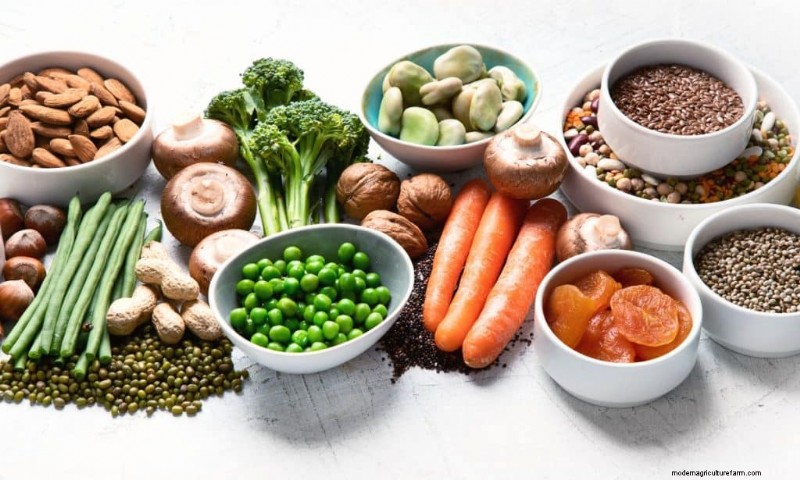
The amount of protein they contain is the most obvious difference in mushrooms vs. meat.
Meat contains significantly more protein than mushrooms, and you would have to eat a substantial amount of mushrooms if they were your only source of protein.
For example, a 3.5 oz (100g) serving of chicken, one of the highest protein-content meats, contains 1.09oz (31g) of protein, while a 3.5 oz (100g) serving of oyster mushrooms contains 0.12oz (3.3g) of protein.
But when you combine mushrooms with other high-protein foods like beans, lentils, tofu or chickpeas, it’s easy for people on plant-based diets to meet their protein requirements.
Our article, “Do Mushrooms Have Protein? The Answer May Surprise You!” has more information and lists 9 well-known gourmet mushroom species with the most protein.
Mushrooms are extremely versatile as meat replacements as they absorb flavors from things around them and add a rich, umami taste to savory dishes.
And, if you’re wondering, “Which mushroom is best for a meat substitute?” The answer will depend on the dish you’re making and the type of meat you want to replace.
When correctly prepared and cooked, many mushrooms have a meat-like texture, but they’re not the same, so it’s good to know which to substitute for different meats.
Yes, you can substitute mushrooms for ground beef, and some of the best mushrooms to use are fresh or dried shiitakes.
Another popular method is to use a combination of finely diced cremini mushrooms with rehydrated dried shiitake mushrooms.
The rehydrated shiitakes have stronger, richer umami flavors and a chewy texture, similar to ground beef.
Some people also use finely diced portobellos as a substitute for ground beef, but they contain more water than the others, and you’ll need to cook off the excess water.
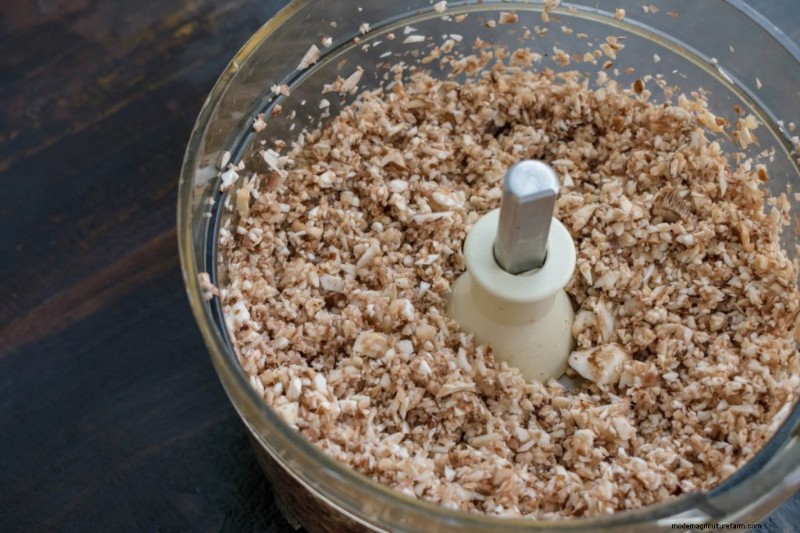
Several types of mushrooms make great chicken substitutes, including white button and cremini mushrooms.
But you can also use slightly more exotic species, like oyster mushrooms and chicken of the woods mushrooms, instead of chicken.
When torn into strips, the slightly fibrous texture of oyster mushrooms is very similar to pulled chicken, but for a real treat that tastes just like chicken, try strips of chicken of the woods.
The portobello mushroom’s large size, earthy, meaty taste, and dense, steak-like texture make them a popular beef substitute.
Grilled portobello mushroom caps have rich, intense, umami flavors and make wonderful substitutes for burger patties and steaks.
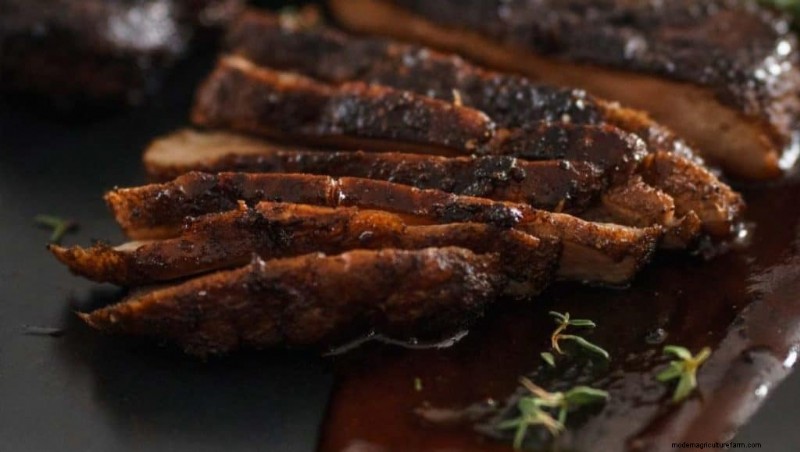
Lion’s mane are also meaty mushrooms and popular as a steak replacement. Try the easy recipe below to make mouthwatering lion’s mane mushroom steaks.
 https://wickedkitchen.com/lions-mane-mushroom-recipe-steaks/
This mushroom meat substitute recipe adapted from Wicked Kitchen uses searing in a hot pan and pressing to create crispy, meaty mushroom steaks.
Ingredients:
Instructions:
Below, in no particular order, are 10 delicious mushroom species that you can use as substitutes for all sorts of meat:
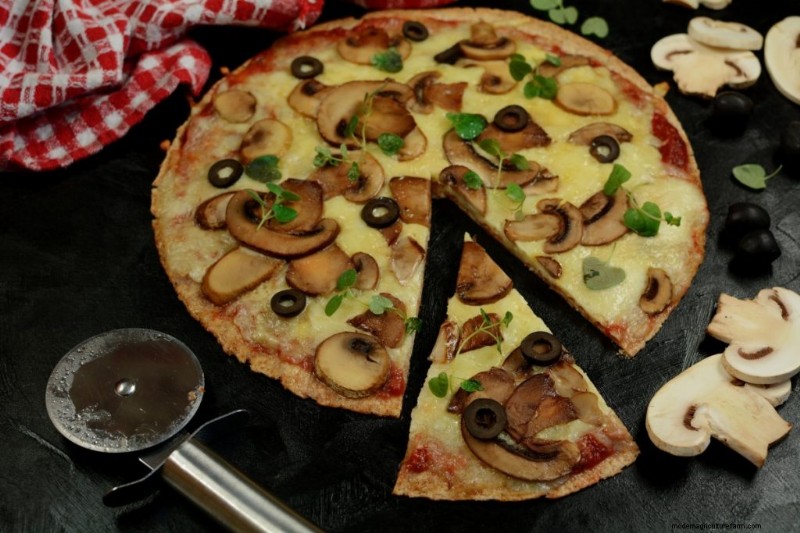
White button mushrooms (Agaricarus bisporus) are available in most grocery stores and are some of the most consumed mushrooms worldwide.
Although not the meatiest mushrooms, they have a mild flavor and firm texture, and with the right seasoning, they make a great meat substitute, especially in recipes using chicken.
Button mushrooms are affordable, fast-cooking and very adaptable. You can cook them in several ways and use them in most dishes.
When compared to meat, people consider them most like chicken.
Here are some popular ways to use button mushrooms in place of meat:
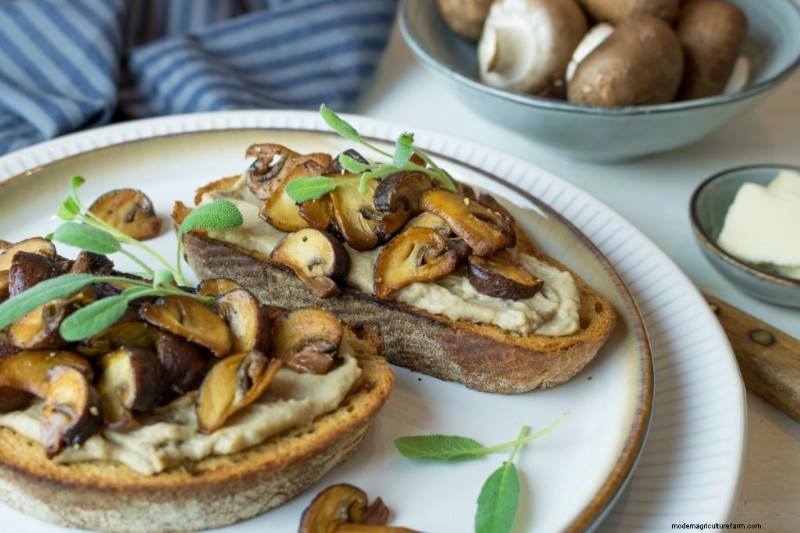
Cremini mushrooms (Agricarus bisporus) are button mushrooms that growers have allowed to mature a little more before harvesting.
They have light brown, rounded caps, short thick stems and stronger flavors than button mushrooms, although they’re still mild and earthy.
Like button mushrooms, creminis are very versatile, and people often use them to replace chicken and beef in recipes, and they’re particularly good in sauces and stews.
Here are some popular ways to use cremini mushrooms in place of meat:
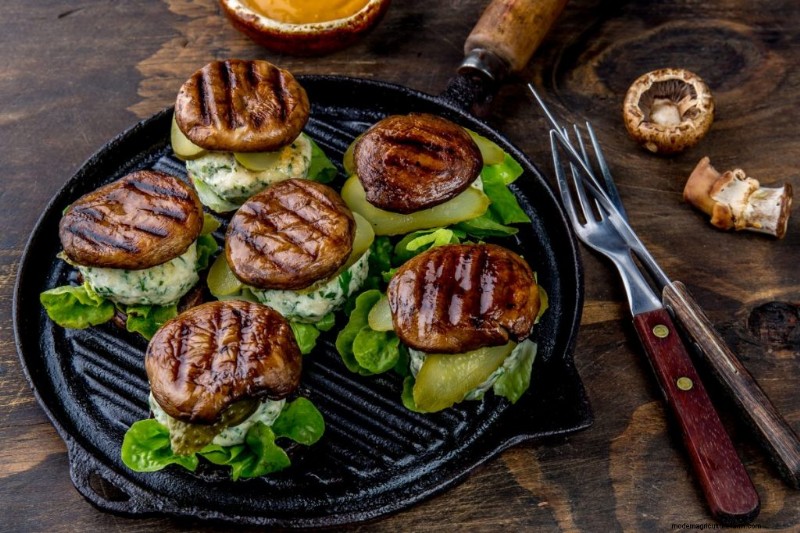
Portobello mushrooms are also Agaricarus bisporus, but they’re the fully mature version of this species.
These mushrooms have large flat caps with dark gills and deep, rich earthy flavors. They are also commonly found in supermarkets and very popular as a beef replacements.
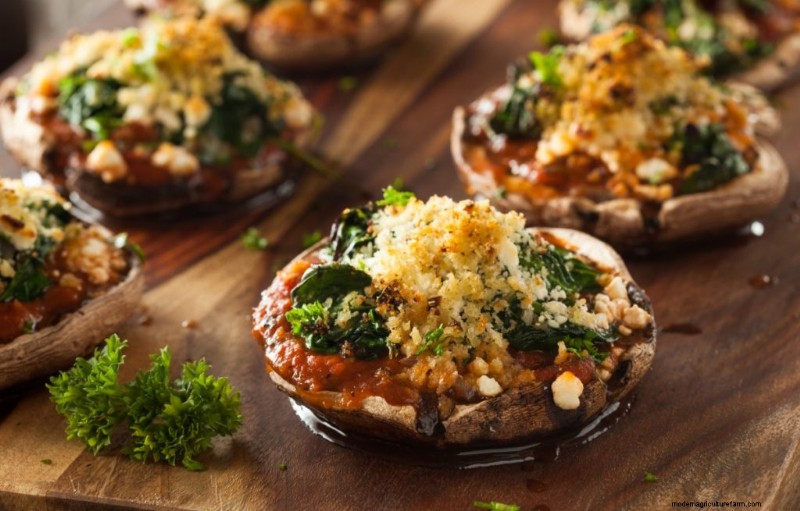
Iconic portobello burgers, sandwiches and steaks are widely enjoyed, but these mushrooms are also excellent when stuffed and grilled or roasted.
Their large cap and rich flavors provide endless options, and you can use your creativity when marinating and stuffing them.
Here are some popular ways to use portobello mushrooms in place of meat:
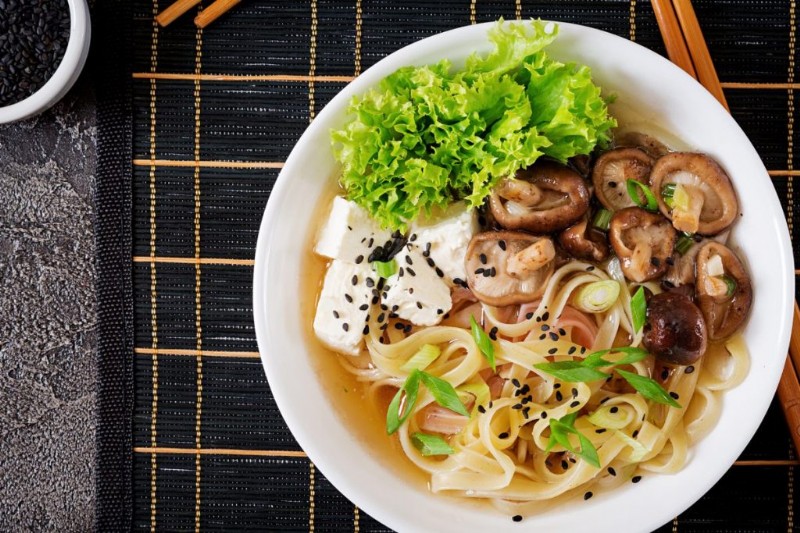
Shiitake mushrooms (Lentinula edodes) are popular edible and medicinal mushrooms that you’ll sometimes find fresh in grocery stores but more commonly dried.
They have a richer, more intense flavor than button or cremini mushrooms and are an excellent meat substitute.
People consider them most like pork, turkey or duck, and they’re often used as a bacon substitute or to make mushroom jerky.
To make shiitake bacon, people marinate shiitakes in a mixture of soy sauce, maple syrup, smoked paprika and pepper and then sautee or bake them until crispy.
Here are some popular ways to use shiitake mushrooms in place of meat:
There are several varieties of oyster mushrooms (Pleurotus ostreatus), but you’ll generally only find pearl oyster mushrooms in grocery stores.
Fresh blue, yellow and pink oyster mushrooms are often only found at farmer’s markets as they don’t travel well.
They all have slightly different flavors, although still subtle with earthy notes.
All oyster mushrooms are a versatile meat substitute as their slightly fibrous texture mimics several types of meat, including pulled pork, chicken and seafood.
Many people describe the oyster mushroom’s flavor as being like seafood, and they’re a popular substitute for white fish.
You can easily use oyster mushrooms instead of fish for your next fried fish and chips night.
Depending on what size pieces you want, you can use the whole cap or tear them into smaller chunks or strips, then dunk them in batter and fry.
Here are some popular ways to use oyster mushrooms in place of meat:
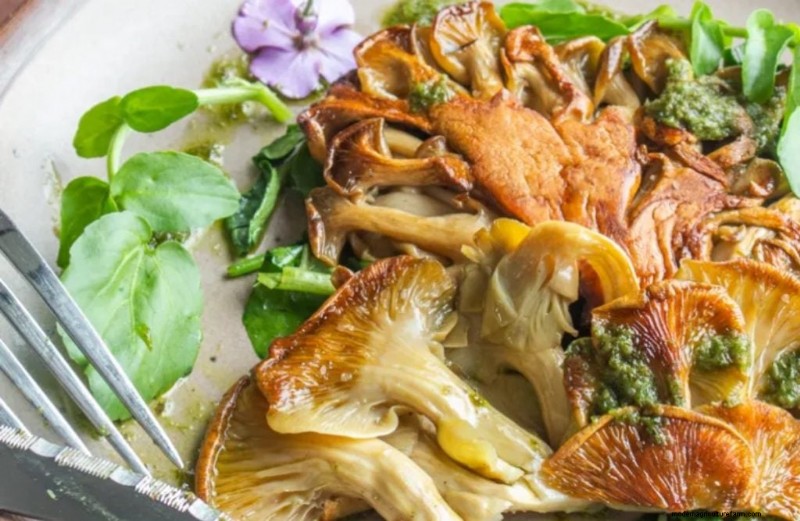
King oyster mushrooms (Pleurotus eryngii) are the largest species of oyster mushroom and differ from other oysters as they grow individually and have thick stems and small caps.
Unlike other oyster mushrooms that have large caps and almost no stem, people prize king oysters for their thick stems that retain their texture well when cooked.
Their delicious and intensely umami flavor and ability to absorb sauces means you can use them as a substitute for seafood, chicken, pork and beef.
Here are some popular ways to use king oyster mushrooms in place of meat:
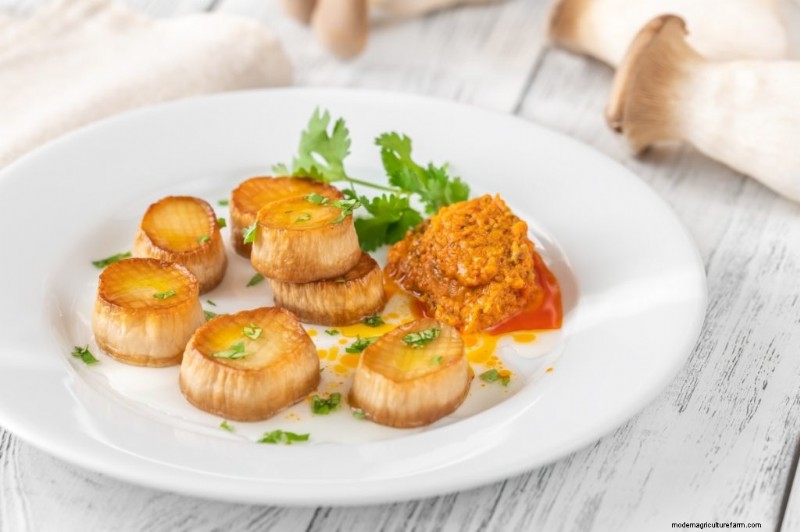
Chanterelle mushrooms are actually several different species of mushrooms in the Cantharellus, Gomphus, Polyozellus, and Craterellus families.
But, these white, yellow or orange mushrooms are close enough in appearance and taste that people use the name chanterelle for all of them.
Chanterelles are mycorrhizal, making them difficult to cultivate, so foragers harvest most chanterelles seasonally in hardwood forests.
They have a unique sweet, nutty, slightly peppery taste and, when correctly prepared, make an excellent substitute for seafood and work exceptionally well with creamy sauces.
When compared to meat, people consider them most like a crab.
Here are some popular ways to use chanterelle mushrooms in place of meat:
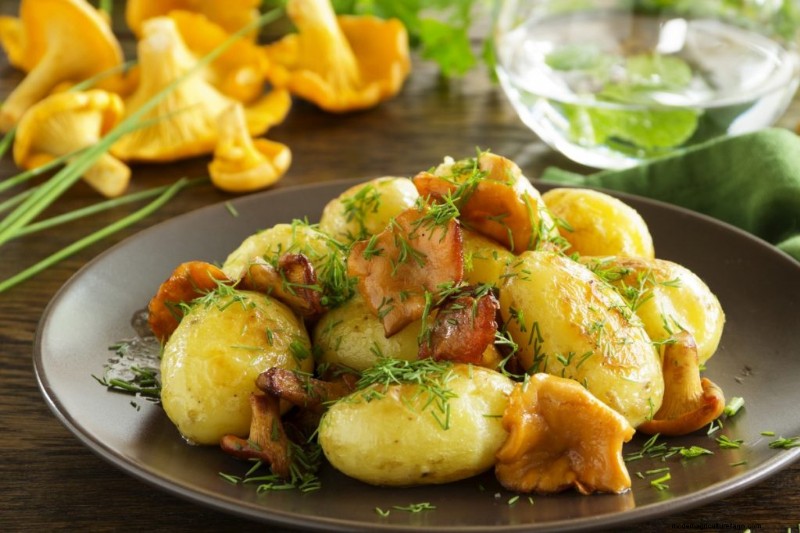
Lion’s mane mushrooms (Hericium erinaceus) have teeth or needles instead of gills that cascade downwards as they grow, giving them a shaggy look.
But underneath their hairy exterior, they have a soft, chewy texture with an internal structure similar to a cauliflower.
When cooked, their teeth create a meat-like texture, and people describe their mild, slightly sweet flavor as similar to crab or lobster.
Lion’s mane mushrooms are a perfect substitute for meatier shellfish like lobster or crab, but you can also use them instead of clams and shrimps.
And, although they’re mild and seafood-like, lion’s mane absorbs flavors well, and people also use them as a substitute for steak.
Here are some popular ways to use lion’s mane mushrooms in place of meat:
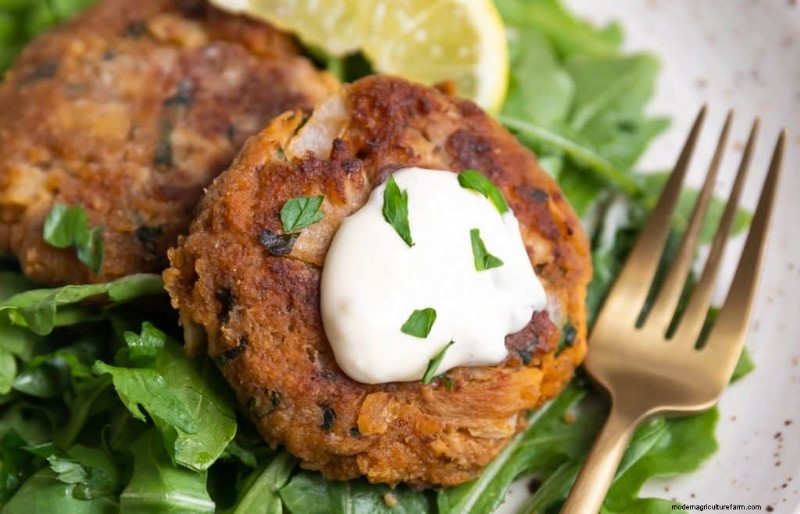 https://www.mushroomcouncil.com/recipes/lions-mane-mushroom-crab-cakes/
Chicken of the woods (Laetiporus sulphureus, cincinnatus and gilbertsonii) are bright yellow to orange bracket fungi that grow at the base of dead or dying hardwood trees.
They’re fan-shaped with pores instead of gills and are best eaten when young as they become hard and woody as they mature.
As you may have guessed from their name, the taste and texture of these mushrooms can be very similar to chicken breast, and they make an excellent chicken substitute.
They are one of the most challenging mushrooms to cultivate, and most people forage for chicken of the woods, but you may find some at your local farmer’s market.
You can use chunks or strips of chicken of the woods as a substitute for chicken in any recipe.
Here are some popular ways to use chicken of the woods mushrooms in place of meat:
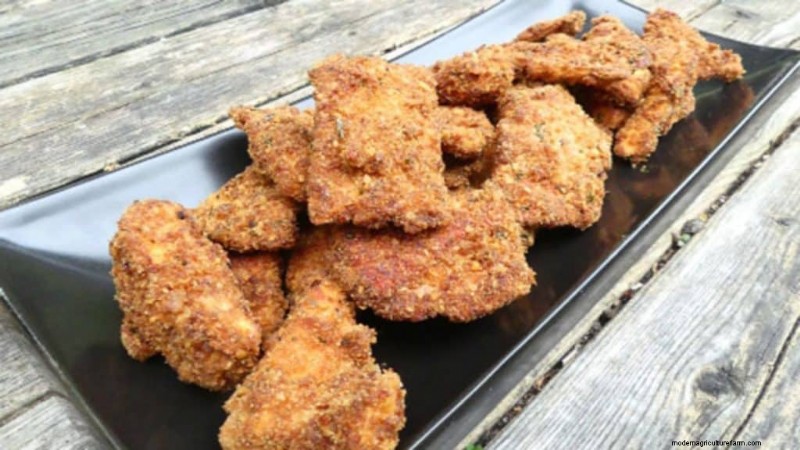 https://www.ediblewildfood.com/deep-fried-chicken-of-the-woods.aspx
Maitake mushrooms (Grifola frondosa) are bracket fungi that grow at the base of hardwood trees and have several names, including hen of the woods.
This can sometimes be confusing, but they’re not the same as chicken of the woods mushrooms, and the two species look very different.
Maitake mushrooms are a light brown color and are called “hen of the woods” because a cluster of maitake looks similar to the ruffled feathers of a sitting hen.
Maitake is not as well known in the West as some of the other mushrooms we’ve discussed, but in China and Japan, they’re prized for their delicious taste, unique texture and medicinal properties.
Maitake are juicy, meaty mushrooms similar to dark chicken meat.
Clusters of hen of the woods can get very large, and a popular way to prepare them is to make juicy mushroom steaks using the entire cluster.
Here are some other ways to use maitake mushrooms in place of meat:
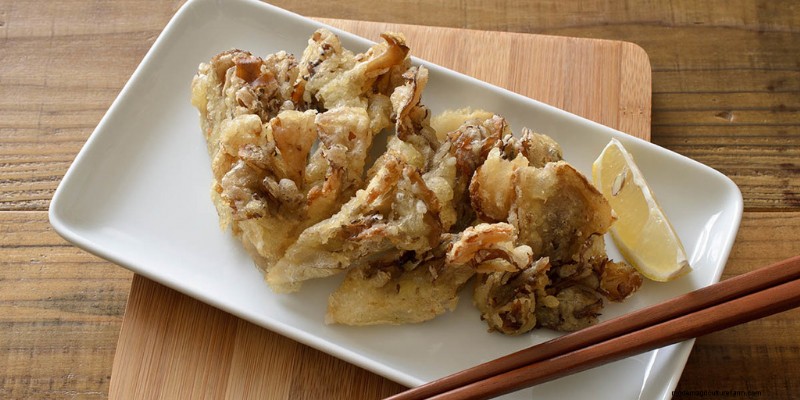
Mushrooms are extremely versatile. You can cook them in several different ways, and although they all taste good, not all methods are equal.
We love sauteed mushrooms, as cooking them this way enhances their rich, umami flavors.
But according to a 2017 study by scientists from the Mushroom Technological Research Center of La Rioja, sauteeing is not the healthiest way to cook mushrooms.
The scientists used white button, shiitake, oyster and king oyster mushrooms for the study, as they’re some of the most consumed mushrooms worldwide.
The results showed that grilling and microwaving were the healthiest ways to cook mushrooms.
Frying and boiling reduce the amount of proteins and antioxidant compounds in the mushrooms, while microwaving or grilling causes no significant losses in nutritional value.
Brushing a little olive oil on your mushrooms while grilling is not a problem as there’s not enough oil to cause nutrient losses through leaching, and it adds flavor, healthy fats and antioxidants.
But, even if sauteed and boiled mushrooms lose a few nutrients, they’re still healthy, functional foods that add loads of flavor to your meals.
We’ve put together 30 Of The Best Mushroom Recipe Ideas and 25 Of The Best Vegan Mushroom Recipes to help inspire you.
No matter which of the tasty mushrooms above you plan on using as a meat replacement, there are a couple of things to consider when selecting fresh mushrooms.
Always choose firm, plump mushrooms with smooth, dry caps, and avoid any wrinkled or slimy mushrooms.
Discoloration or dark spots on a mushroom’s cap and stem indicate that it’s old and won’t last long.
If possible, smell the mushrooms. They should have a mild, earthy smell that’s almost undetectable. Strong-smelling mushrooms may have already gone bad.
It’s best to use fresh mushrooms as soon as possible, but if necessary, you can store them in the fridge, and they’ll last up to a week if stored correctly.
The best way to store mushrooms is in a breathable bag or container on a shelf in your fridge, not in the crisper drawer.
Our article, “How to Store Mushrooms: The Best Methods to Keep Them Fresh,” has more information for you.
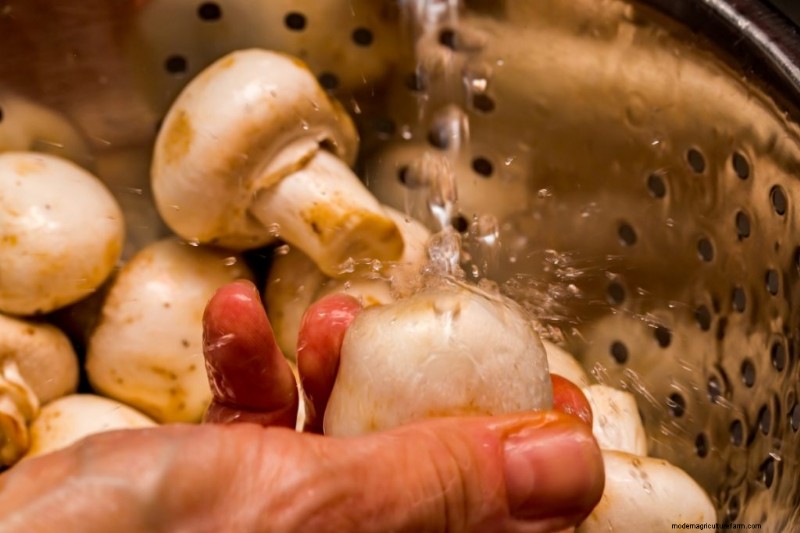
When you’re ready to prepare your meal, it’s time to clean your fresh mushrooms. Depending on the type of mushroom and cultivation method, they may only need a quick brush.
But, for mushrooms with gills and foraged mushrooms, a quick rinse under running water is usually best to remove any insects, dust or substrate debris.
Our article, “How to Clean Mushrooms: A Step-by-Step Guide.” has step-by-step instructions on cleaning different mushroom species.
Researchers have discovered that it’s not only mushrooms that contain complete proteins but also fungal mycelium.
And with increasing interest in sustainable protein sources, several innovative companies have developed mycelium-based meat replacements.
One of these is MyBacon, a delicious bacon substitute from My Forest Foods made using sliced and seasoned farm-grown mycelium.
The secret that makes mycelium such a great meat replacement is the texture, and Meati produces mycelium-based steaks and chicken cutlets using mycelium as a blank canvas that they then marinate to create fiber-rich meat replacements.
Prime Roots, a company run by meat lovers, has taken it a step further than bacon and cutlets. They use a fungus called koji, with other plant-based products, to create deli meats like smoked turkey, ham, salami, pepperoni, and pate.
Quorn is another company creating meat replacements using a fungus called Fusarium venenatum that they grow using fermentation to get Mycoprotein.
Discover more fantastic products made from mushrooms and mushroom mycelium.
Nutritious gourmet mushrooms add rich umami flavor to meals and provide several health benefits. The fact that they’re so sustainable to produce is an added bonus.
We hope the information above has given you some ideas and new ways to use mushrooms as meat replacements in your favorite dishes.
One of the best ways to ensure a constant supply of fresh mushrooms is to grow your own at home, and oyster mushrooms are the ideal place to start.
Our introductory course to growing oyster mushrooms at home shows you how to grow them using simple methods and minimal equipment.
And you can also visit our Mushroom Growing Hub, where you’ll find more information on growing and selling mushrooms.