
Welcome to Modern Agriculture!

Whenever someone asks us what’s a good vegetable for beginning gardeners, we always answer with lettuce (and radishes). Lettuce is easy to grow, delicious to eat in salads and on sandwiches, and, if you harvest it properly, it keeps coming back again and again for multiple harvests!
If you’re a first-time lettuce grower and curious about when and how to harvest your lettuce plant, let us guide you! No matter if you’re growing leaf lettuce varieties, crisphead lettuce, romaine lettuce, or iceberg lettuces—we’ve got you covered.
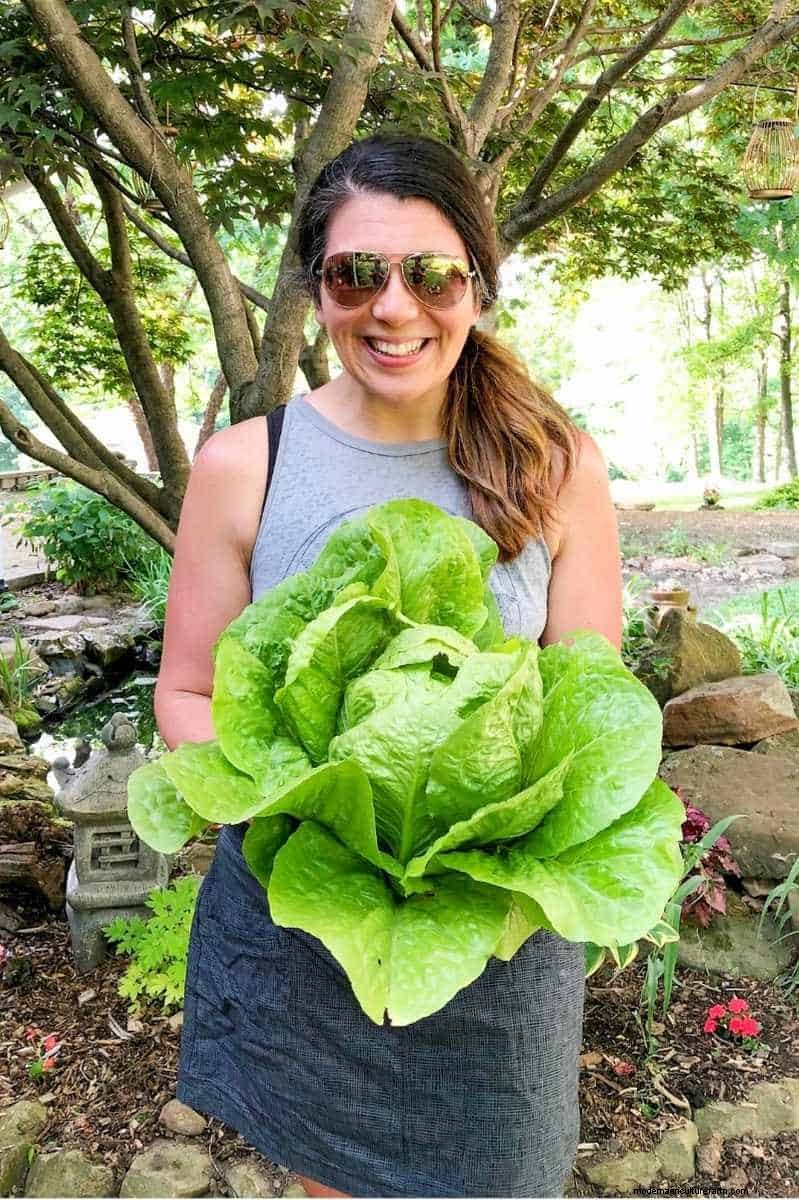
Like spinach and cilantro, all lettuce—but particularly loose leaf lettuce—is ready to harvest as soon as the leaves are big enough to enjoy.
Head lettuces (like romaine, bibb, Boston, butterhead, or iceberg) can be harvested at the leaf stage, but most folks wait until the plant has formed a head of lettuce and then they harvest the entire plant.
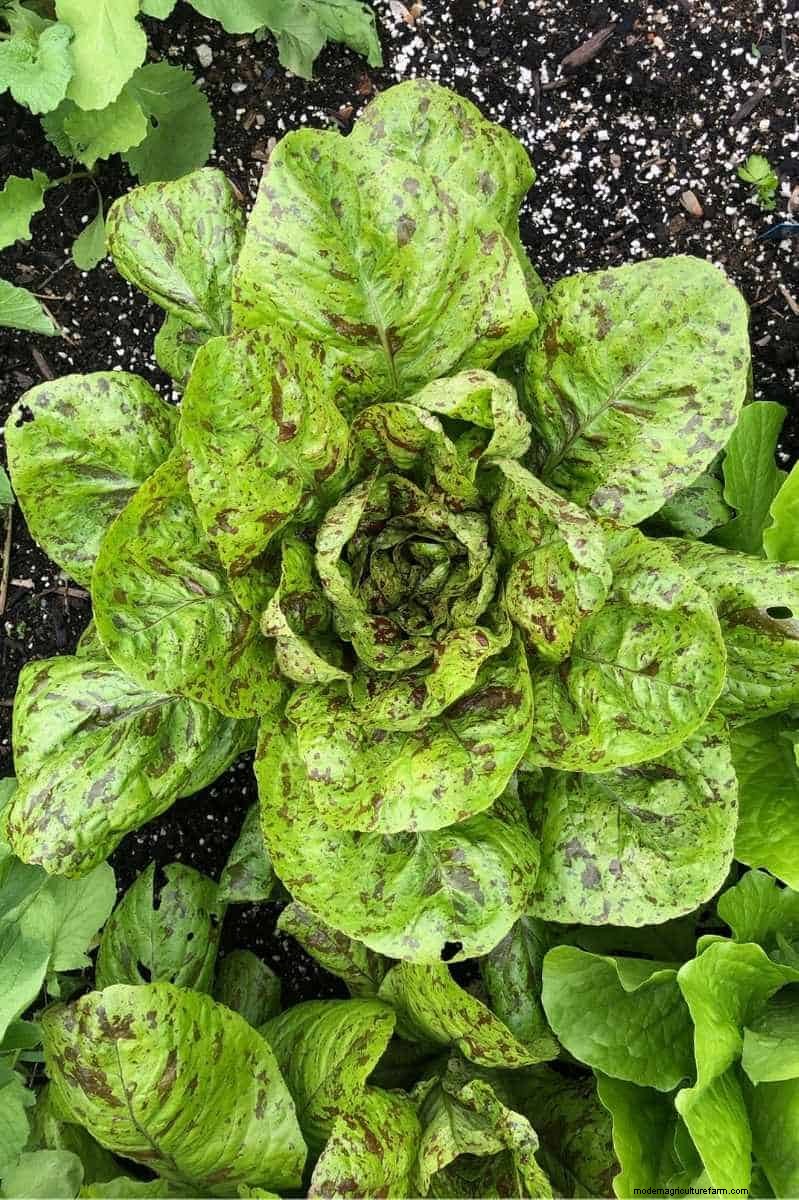
You want to harvest lettuce during the coolest part of the day to prevent the leaves from wilting. For many folks, this is either early in the morning or in the evening.
If you must harvest during the hottest part of the day, make sure to immediately cool the lettuce by sticking it in the refrigerator.
How you harvest your lettuce will depend a little on what type of lettuce you have and the maturity level of the lettuce you are harvesting.
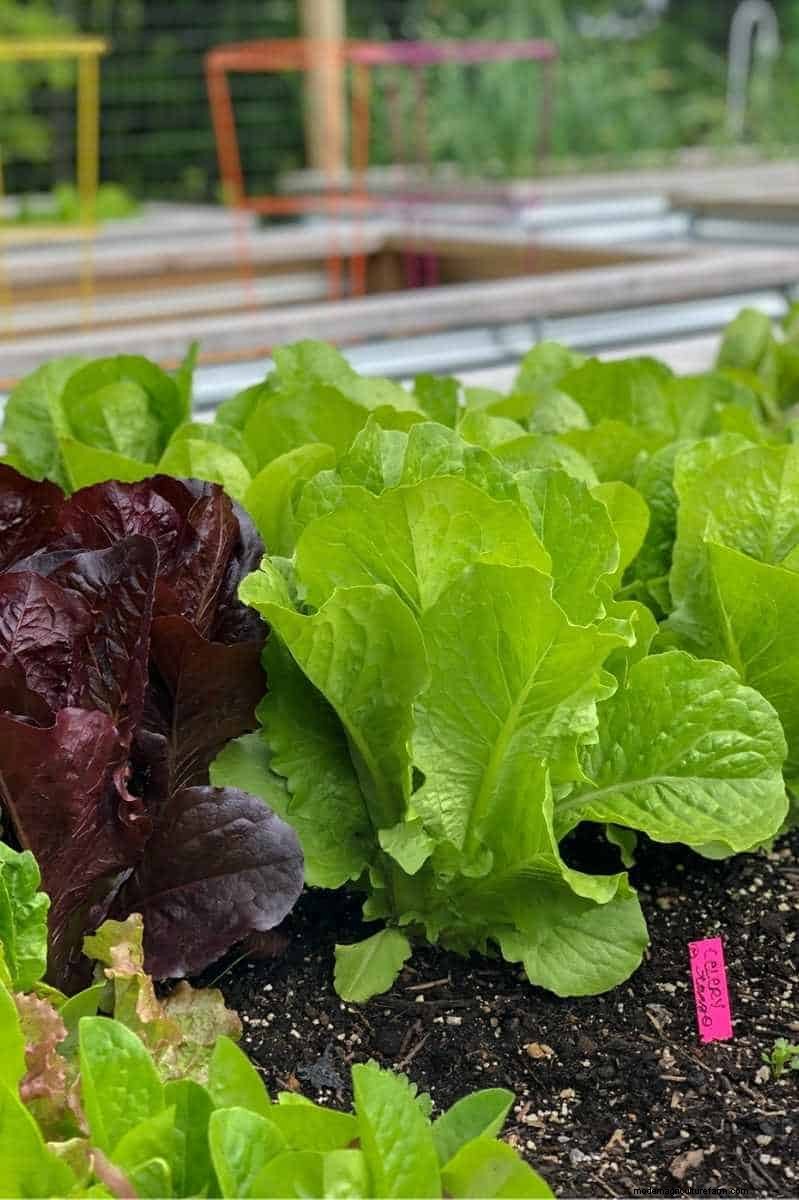
Lettuce is a great cut-and-come-back crop! Depending on your growing season and the type of lettuce you grow, you can harvest from the same lettuce plant for many months.
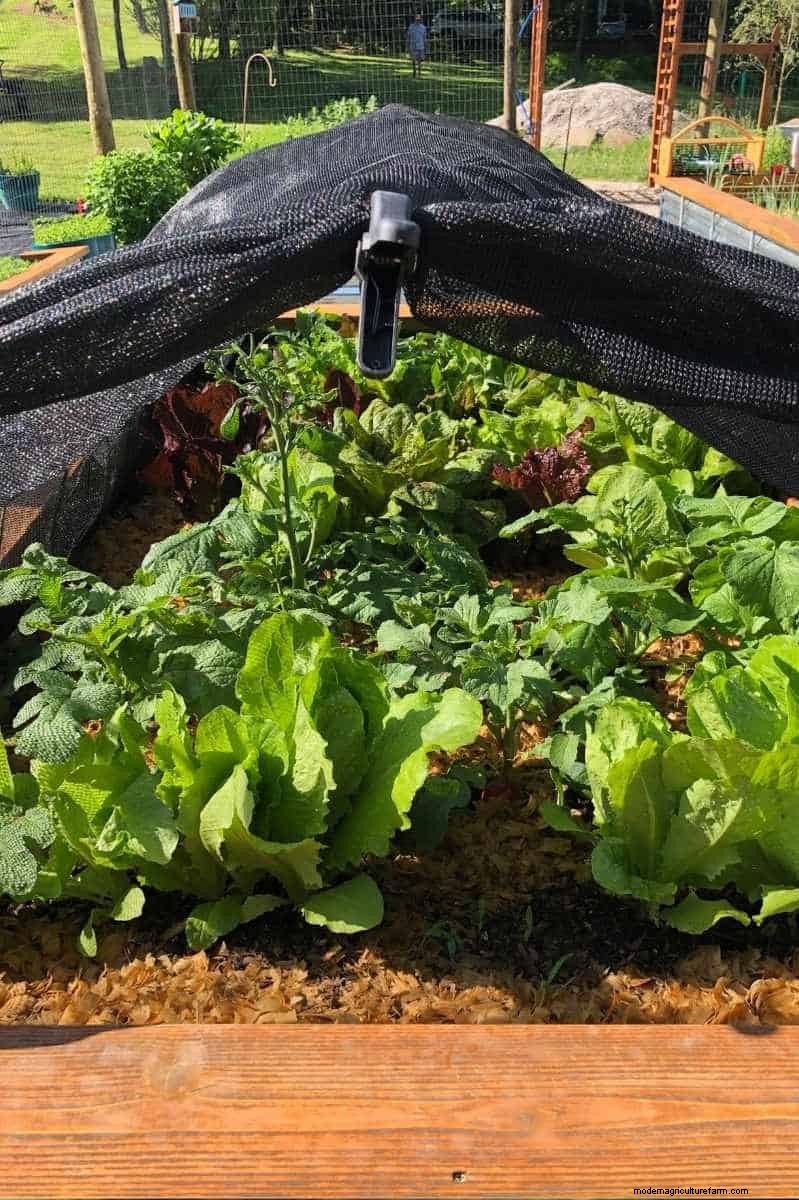
Lettuces are cool season crops and prefer cool weather. When the weather gets too warm, lettuce will bolt and go bitter. In mild climates, you can get by with lettuce growing in the ground for the entire growing season. In places where summers get hot, lettuce will need partial shade during the hottest part of the day—and even then, will still eventually bolt.
Sow new lettuce seeds every 10-14 days throughout the spring and early summer to ensure a continuous harvest of lettuce.
Lettuce goes bitter thanks to summer heat. The heat of summer sends the lettuce into bolting and flowering, and that process produces bitter lettuce. Even if your lettuce hasn’t flowered yet, you might have bitter lettuce as it prepares to bolt.
If you live in a climate with hot summers, bolting lettuce is just par for the course, but there are a few ways to slow the bolting:
Lettuce needs cool, moist conditions to keep it fresh for as long as possible. The refrigerator has the cool part down, but not the moist. You can wrap clean lettuce in a damp (but not wet) dish towel and store it in an airtight container. Or, you can use what we use—the amazing VejiBags! They keep lettuce fresh for 10-14 days!
Yes! Romaine lettuces that you buy from the grocery store are perfect for regrowth at home. When you cut off the lettuce, make sure to leave about 1-2 inches on the stub. Then place the stub in a low-ball glass with about an inch of water in a sunny windowsill. Within 2-3 days, you should start to see new growth coming out of the middle of the rosette! Change the water every couple of days.

Once the new growth is between 1-2″ tall, it’s time to pot up. Place the lettuce in rich, moist soil with the entire original plant underground. Water it, and get ready to harvest a brand new head of romaine lettuce in a couple of weeks!
Few things are better than a huge, fresh salad from the garden in the springtime! But don’t let salads be the only way you use lettuce—here are some of our favorite lettuce recipes (salad and not) for you to test out:
Growing lettuce is a wonderful experiment in various flavors, textures, and colors, and now, no matter what lettuce variety you’re growing, you know the perfect way to harvest it. Enjoy!


