Welcome to Modern Agriculture!

Are you watching in horror as your vegetable prices keep rising? In the U.S., food costs are 30% more than they were in 2019. It’s getting hard for average people to feed themselves and their families. That’s why this is the year to start budget vegetable gardening.
Budget vegetable gardens can save you a lot of money at the grocery store. Their purpose is to produce tons of healthy and cost-saving food with minimal time, cost, and effort.
The first step is setting up healthy garden beds, a compost system, and a thriving garden ecosystem in your garden. The next step is choosing low-maintenance plants that are packed with nutrients and calories and have a long growing season. These crops will feed you and your family throughout the year.
Let’s dive into the 9 veggies that are fit for the job and the 7 that are not. By choosing the right plants, you’ll make budget vegetable gardening a fun and fruitful activity for your family.
Bush Bean
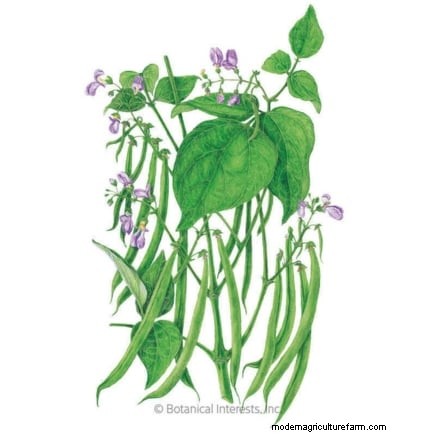
Blue Lake 274 Bush Bean Seeds
Bell Sweet Pepper
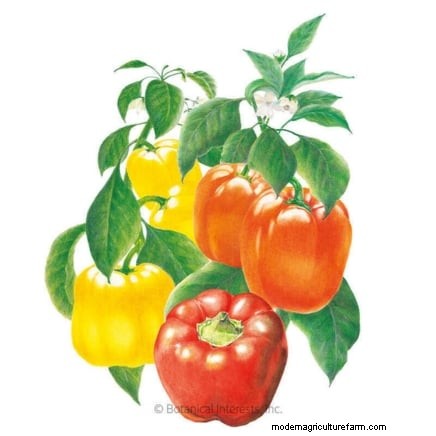
Sweet Bell Blend Sweet Pepper Seeds
Lettuce
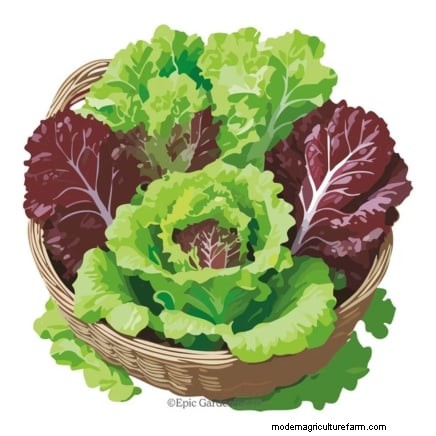
Heirloom Gardens Mix Lettuce
https://www.youtube.com/watch?app=desktop&v=-ChvENNYOFo
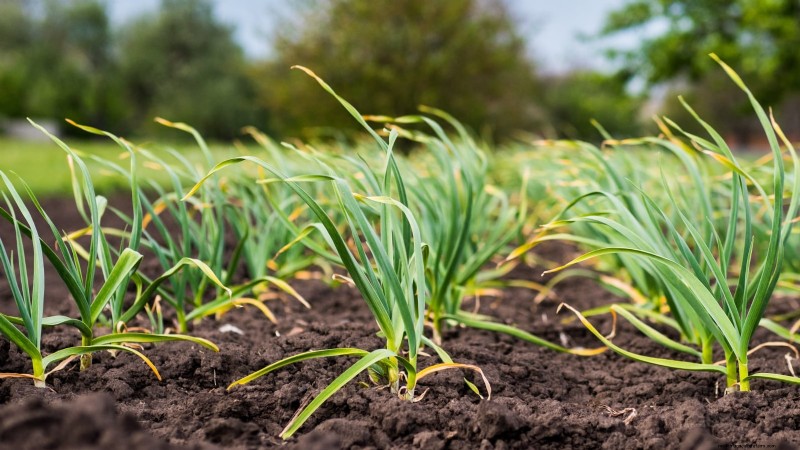 Cultivating your own means skipping the high store prices.
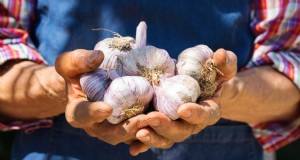
In a budget vegetable garden, you’re looking for high-yielding and easy-to-grow plants. The first one that comes to mind for me is garlic. There are several varieties to choose from, each with unique flavor profiles, color variations, and sizes.
Garlic can be insanely expensive in the store. My local organic grocer was selling them for $7 a pound. Because I use garlic in almost every meal, the cost adds up quickly.
Once you harvest your plants, you can store the bulbs away for many months after drying them. Garlic is easy to grow and maintain and takes up very little space. When you factor in its delicious edible foliage, it’s hard not to love this cost-saving vegetable.

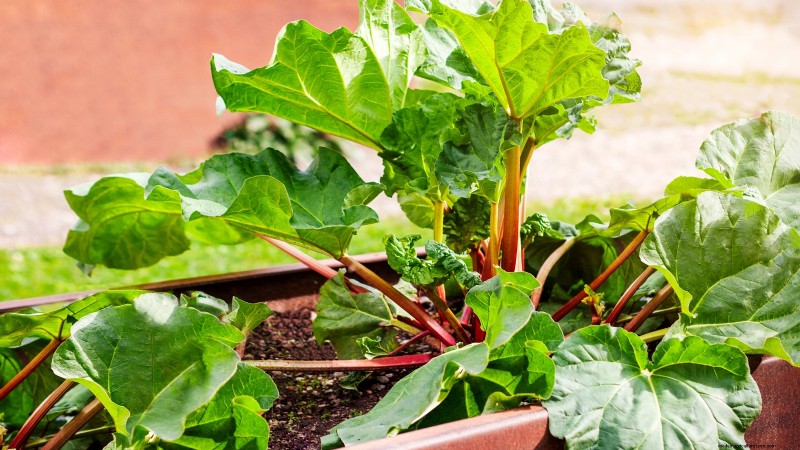 It’s a fun challenge but not a must-have.
If I had to choose one vegetable to skip in my budget garden, it’s rhubarb. First off, there are only a small number of uses for it. When I was young, my family would harvest a few stalks for making a pie, and that’s pretty much it.
Besides lacking uses, it takes up a lot of garden space and is hard to grow unless you live in a cold climate.
By all means, take it on as a fun, cold-hardy crop. But if you love rhubarb pie once in a while, you’re better off buying it at the store.
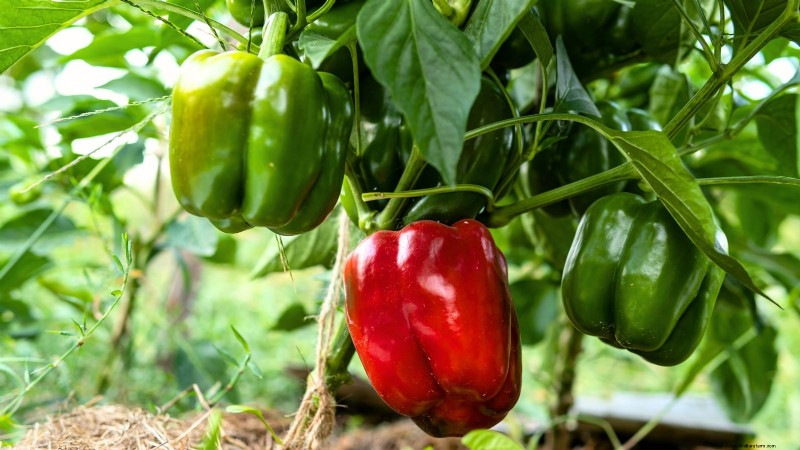 Once they start producing, you’ll have plenty to enjoy.
If you’re like me, you’ve been shocked to see how expensive bell peppers are at the grocery store. At my local grocery store, they’re selling for over $4 a pound. Considering how many awesome dishes like muhammara and ratatouille call for them, they can drain your wallet quickly.
Bell peppers are easy to grow from seed. In about 60 to 90 days, they’ll mature and produce tons of fruit. You’ll get plenty of juicy peppers throughout the growing season.
Whether you’re pickling them, stewing them, or grilling them, you’ll find hundreds of delicious uses for them in your meals. You’ll save a ton of money by growing these amazing crops in your garden this year.
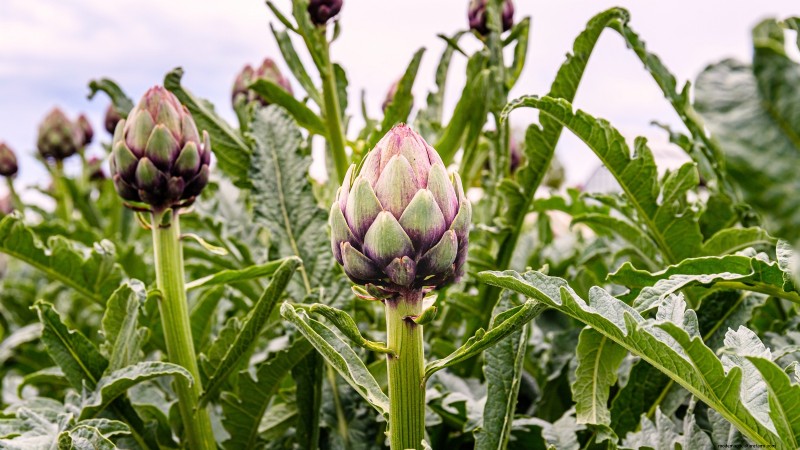 A few florets per plant might not be worth it.
Artichokes are probably my favorite vegetable, but they are not ideal for budget-friendly gardening. I would skip growing them if we’re talking about saving time, money, effort, and space.
These plants take up a lot of space. Each plant can be up to 5 feet tall and wide. What makes them even less appealing is the fact that you’ll only get a few florets per plant.
If you love them like me and have the patience and space, go ahead and have fun growing them this year. Otherwise, hunt for deals at your local grocery store or farmers’ market.
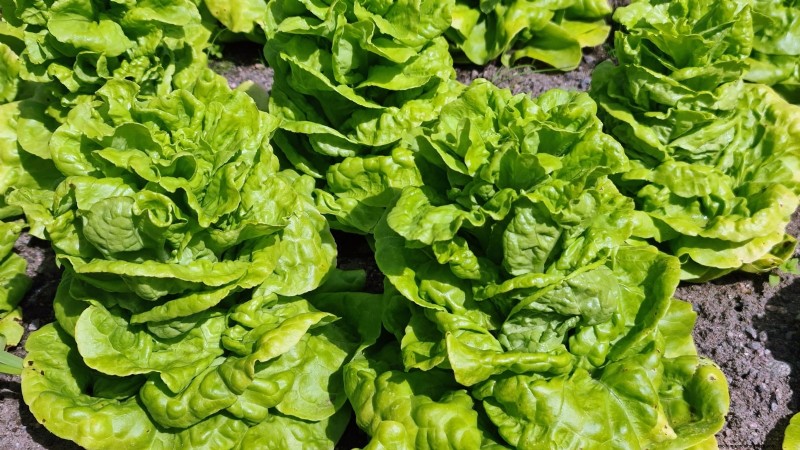 Once you start growing, you’ll never go back to store-bought.
Lettuce is severely over-priced at the grocery store, and you can barely find the most nutrient-dense varieties. Thankfully, this staple crop is easy to grow and produces tons of delicious foliage.
Plant several varieties in succession to enjoy bountiful crops throughout the year. Experiment with classics such as iceberg or heirloom mixes with exciting flavor profiles.
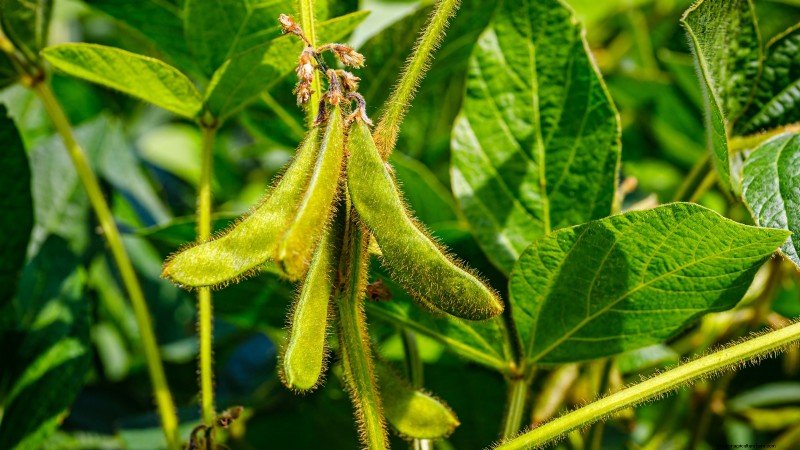 These plants need heat and patience but yield just a little.
Edamame, or soybeans, are a global staple vegetable, but I find little use for them in my budget garden. Besides being harder to cultivate, these plants barely produce enough pods to last a few days.
They’re notoriously tricky in colder climates without long periods of heat. Once they germinate, it takes them over 80 days to start producing their edible pods.
If you love freshly picked edamame, they’re a great legume to grow for fun. But if you’re looking to save money, you might as well buy them at the store.
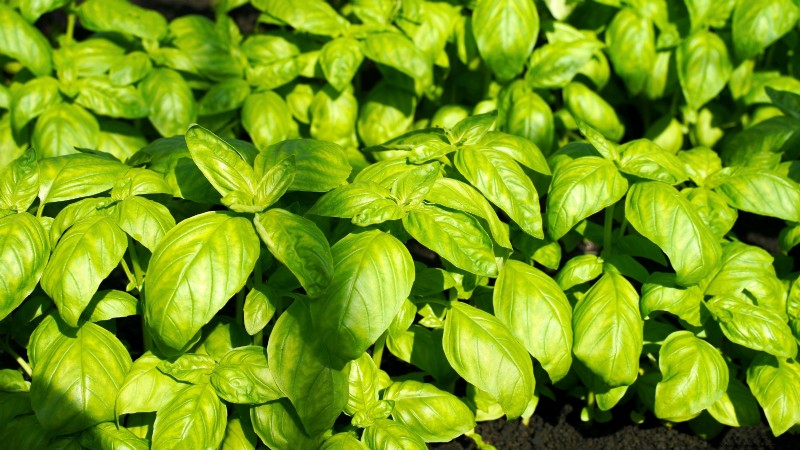 It easily thrives year after year.
Once you’ve got basil growing in your garden, you’ll have delicious harvests year after year. This plant is incredibly easy to grow from seed and propagate through cuttings.
Unless you pay an arm and a leg at the farmer’s market, it’s hard to find more than 1 or 2 varieties in the store. Because it’s so easy to grow, compact, and versatile, it’s hard not to love growing this cost-saving plant.
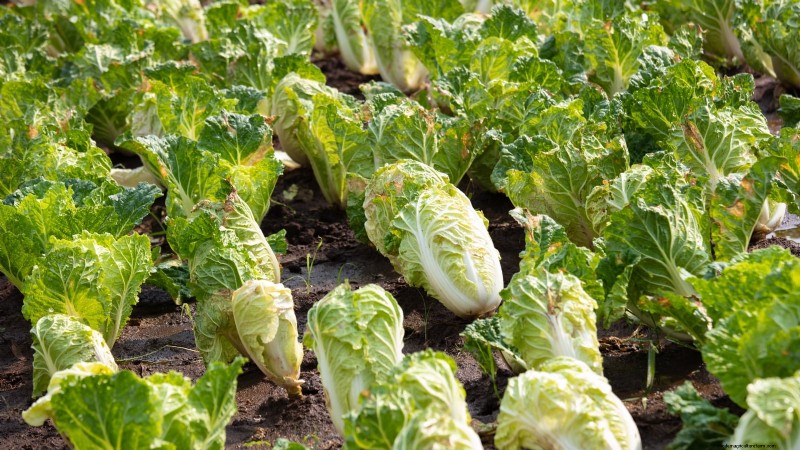 Growing certain greens can lead to constant pest problems.
Napa cabbage is great for dishes like kimchi and adding juicy greens to soups, but it’s notoriously susceptible to pests. The most common culprit in this vegetable’s destruction is the common earwig.
I’ve lost many crops to this pest. Plus, the amount of time and money it takes to keep pests at bay makes it less appealing to grow.
If you love the flavor of napa cabbage, it might be better to buy it at the market. You won’t have to worry about troublesome infestations taking up your time.
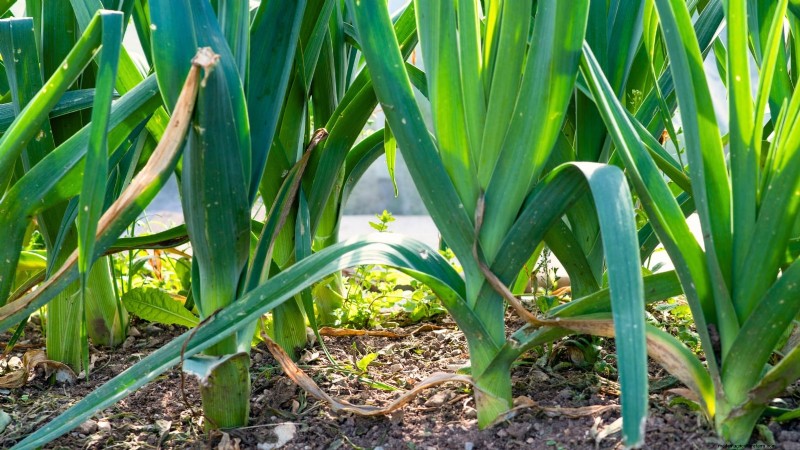 This simple crop has a sweet onion flavor.
Leeks are amazing vegetables that have a deliciously sweet onion-like flavor. They’re easy to cultivate in a variety of climates and take very little maintenance and care.
They’re usually fairly expensive at the grocery store. Store-bought leeks barely have the delectable white bulbous base that you can get with home-grown varieties.
Leeks are easy to grow from seed and come in many varieties. They’re versatile in many dishes from around the world. This makes them one of my favorite vegetables for a cost-saving garden.
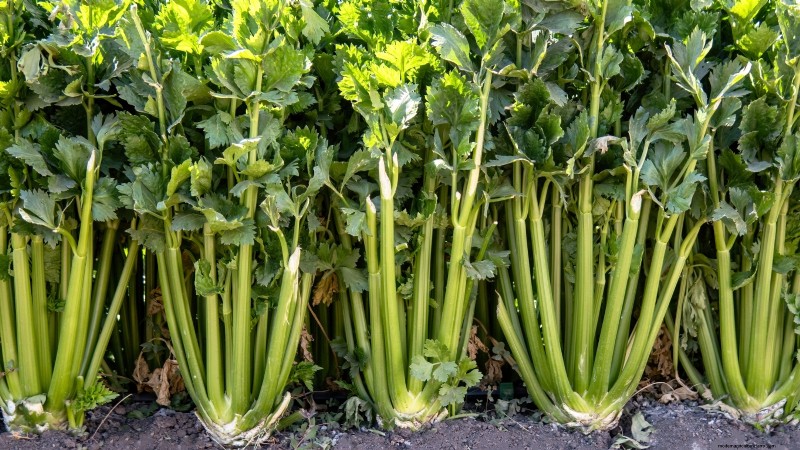 This plant takes too much effort for little reward.
I would recommend skipping celery plants for your budget vegetable garden for many reasons. First, they’re fairly difficult to grow. It takes a lot of care to germinate its seeds. Once you’ve got young seedlings, the most delicate change in temperature can damage them.
Celery is still relatively affordable at the store. Considering how difficult and time-consuming it is to grow at home, it makes more sense to buy it at the store. In terms of flavor, there’s not much of a difference between store-bought and homegrown stalks.
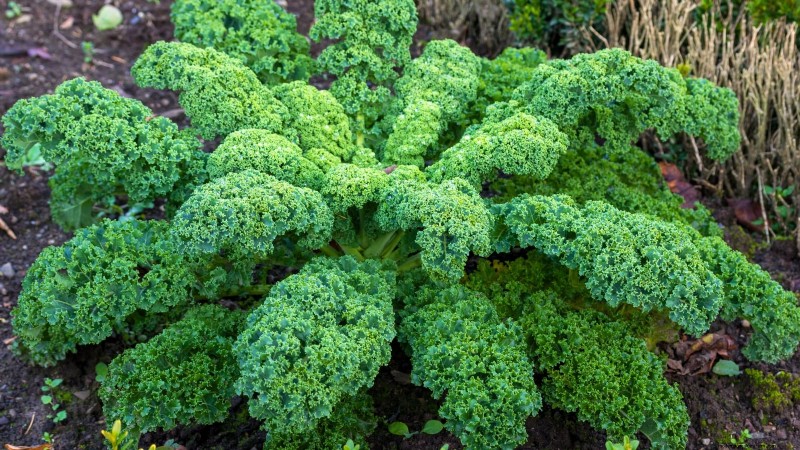 Growing this leafy green is easy, fast, and rewarding.
I love growing kale for many reasons. It’s easy to grow, nutritious, and easy to prepare in many styles. Sow your kale seeds directly into the ground during the early spring through summer. Within 45 to 100 days, you’ll have more nutrient-dense foliage than you can handle.
Besides being an easy and versatile leafy green, kale comes in many varieties. You can grow flat-leaf, curly-leaf, and giant dinosaur kales that are great for stewing.
Because of its boom as a healthy ingredient, it’s usually expensive to buy at the market. You’ll save a ton of money by growing it yourself.
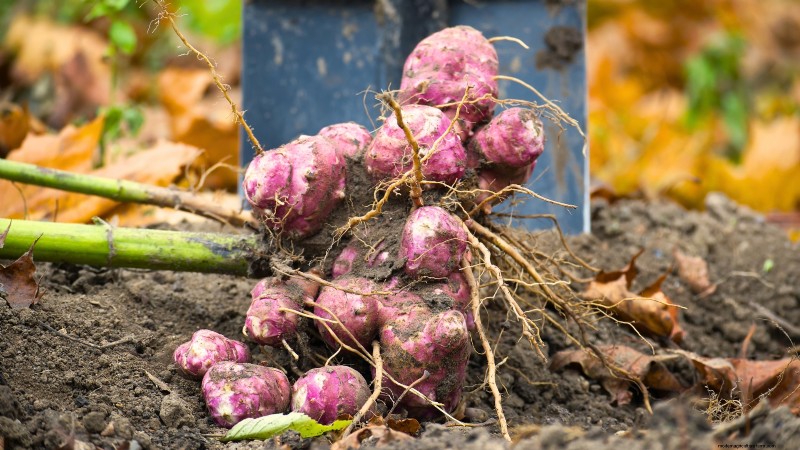 It’s a survival crop, but not everyone’s first choice in the kitchen.
Jerusalem artichokes, also known as sunchokes, are incredible root vegetables for survival gardens. However, most people simply don’t like them.
They’re an acquired taste and most of the time, they’re the last dish to be enjoyed at a meal. If you’re creating a garden to feed your family, try growing more delicious species instead.
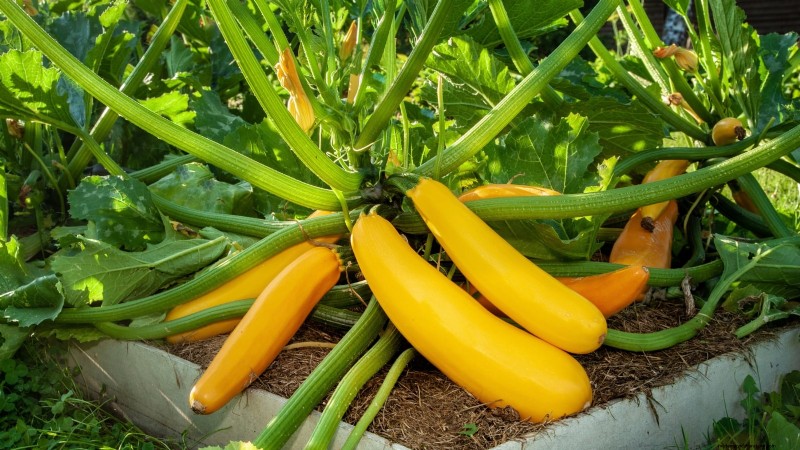 Add this one to your garden for reliable harvests.
Summer squash is a diverse garden mainstay that pairs well with crops like corn and beans. It provides great shade to your garden and is easy to start from seed. Once it’s growing, you won’t have to worry too much about maintaining it.
Squash can be expensive at the grocery store. You also won’t get the same varieties as you can grow at home. It’s also one of the most versatile and well-loved vegetables you can grow.
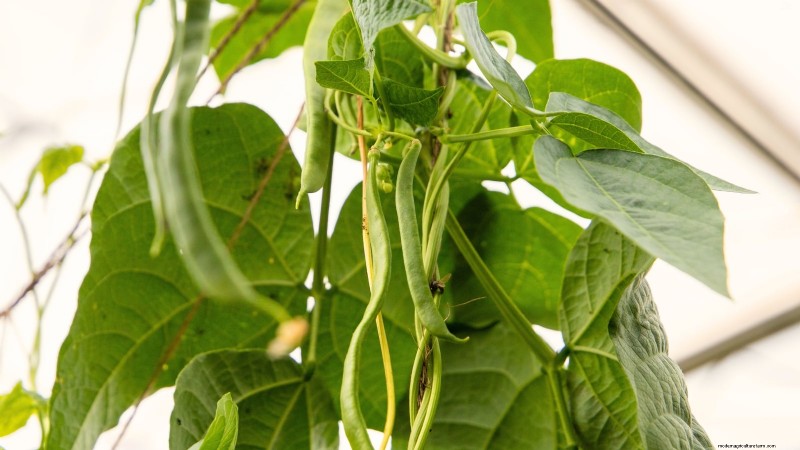 They’re easy to grow and so rewarding with bountiful harvests.
Green beans like ‘Blue Lake’ 274 blush beans are super fun to grow and harvest. They’ll give you tons of healthy pods you can add to a variety of dishes. From casseroles to international dishes such as Armenian fasulye, there’s almost no limit to what you can cook with them.
Besides giving you bountiful harvests and tasting amazing, green beans add nitrogen to your soil. They grow well on tall crops like corn and sunflowers and are incredibly easy to start from seed. If you love eating fresh green beans, you’ll save money by growing them on your own.
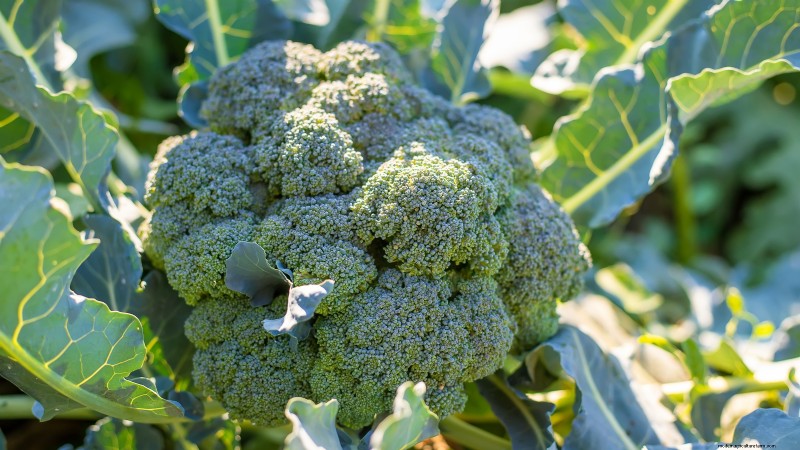 Enjoy multiple harvests and flavorful meals without the store prices.
Broccoli is one of my favorite cost-saving plants. I eat a lot of it, in stir-fries, salads, or grilled after sitting in a ginger, garlic, and soy marinade for hours. If you keep up with pests and give it enough aeration, it’s really easy to grow.
You may get up to 3 or even 4 heads on each plant. It lasts a long time in the refrigerator and almost every part of the plant is edible.
Store-bought broccoli can add up, especially if you love it like me. If it’s organic or heirloom, you’ll be paying an arm and a leg. Grow multiple varieties in your garden and try successive planting for the best results.
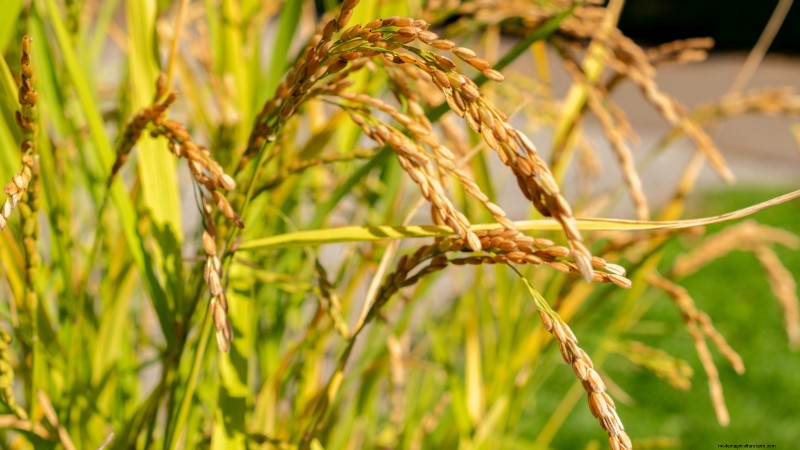 Growing this crop takes time and space you might lack.
Rice may be one of the most challenging crops to grow if you don’t have the right environment. Plus, the amount of time and labor it takes to harvest makes it less ideal for a budget vegetable garden.
This Asian grain is one of the world’s top food crops. However, to grow the most popular types well, it takes a ton of water. It has a long growing season and a very short harvesting season. Plus, you’ll need a lot of space in your garden to harvest enough to feed a family.
High-quality store-bought rice is still relatively cheap. If you’re interested in growing rice at home, by all means, go for it. However, it’s not essential to save money at the grocery store.