Welcome to Modern Agriculture!

Victory gardens go back to World Wars I and II when millions turned to growing food at home in a feat of patriotism and self-reliance. The movement began in 1917 when the federal government formed the U.S. National War Garden Commission to distribute information on the importance of growing food, how to garden, what to grow, and even offering seed packets.
Victory gardens provided fresh food to fill shortages and reduce demand during wartime. Labor, machinery, and transportation limitations created a need for local food, and Americans responded by growing the bulk of the fresh supply. In 1944, the Department of Agriculture set a goal of 22 million victory gardens to release other supplies and agricultural resources to troops, workers, and allies (whose farmland turned into battlefields). Ornamental beds, vacant lots, schoolyards, public parks, and the White House front lawn under Eleanor Roosevelt became garden sites.
Victory gardeners grew a variety of nutritionally dense crops and used successional planting for continual harvests. They incorporated pollen and nectar-rich blooms, practiced crop rotation, and took notes to track success for future rounds. Here, we’ll celebrate how victory gardens influence our own resilient landscapes with crops that stand the test of time. Grow those you enjoy, and skip the ones you don’t to make the most of your growing space and yield.
Pepper
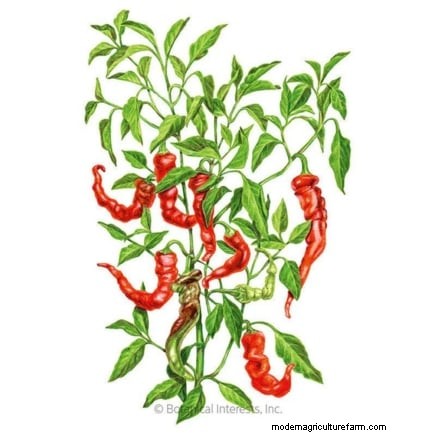
Jimmy Nardello Sweet Pepper Seeds
Cherry Tomato
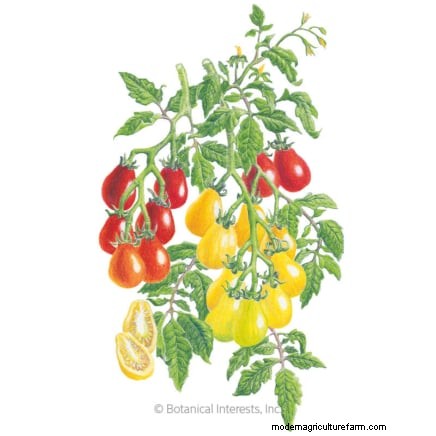
Red & Yellow Pear Cherry Tomato Seeds
Carrot
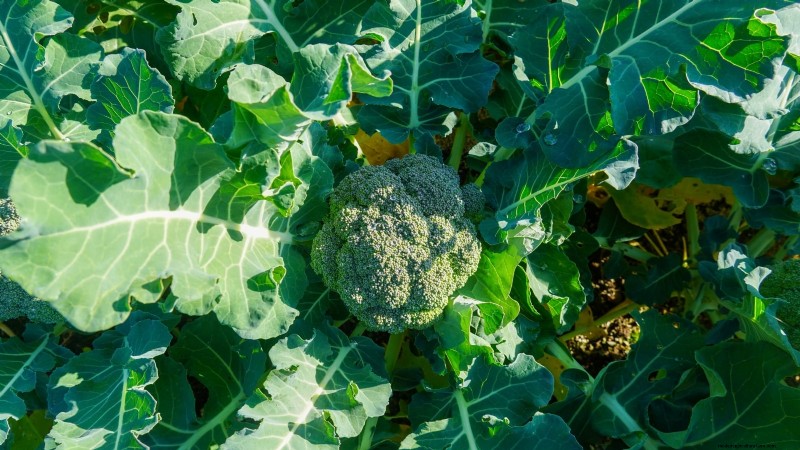 ‘Di Cicco’ is a nutritious Italian heirloom with small blue-green heads, maturing quickly in 48 days.
Broccoli packs the nutrition needed in a victory garden and is easy to grow in the cool season. ‘Di Cicco’ is an Italian heirloom broccoli from 1890 with numerous blue-green, small- to medium-sized heads. It matures quickly, in only about 48 days, with a central three-inch crown and numerous smaller florets.
For a delicate twist, try ‘Rapini,’ a broccoli raab (Brassica rapa subsp. rapa). Stems and small crowns are tender, mild, and slightly peppery. They reach only 12 to 14 inches tall and are ready in 45 days. In addition to the florets, the leaves of both broccoli and broccoli raab are edible, fresh, and cooked.
Start broccoli seeds indoors four to six weeks before the final frost in cool climates. In mild climates, sow them in the fall for a winner/early spring harvest. Another round in late summer produces a yield in the fall before frost.
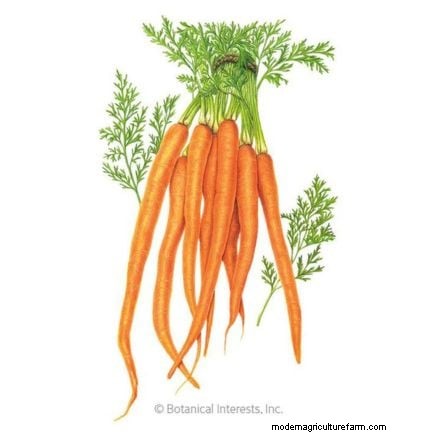
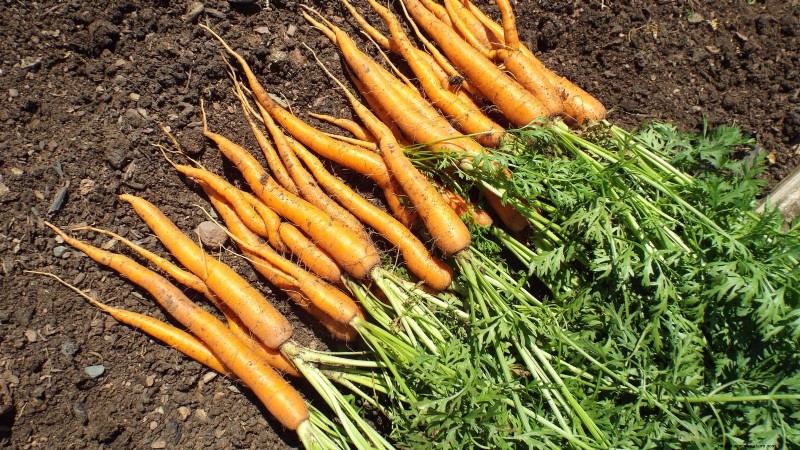 ‘Tendersweet’ grows in cool seasons, has sweet red-orange roots, and thrives in successive plantings.
Carrots are easy growers wherever you have space in the garden. In warm climates, they grow in the cool seasons of spring and fall and are heat-tolerant, able to withstand cool-to-warm transitions. In areas with cool summers, do successional sowing every few weeks for a continual harvest through the first frost.
‘Tendersweet’ is a classic carrot with a wonderfully sweet flavor and long, slender roots. In rich red-orange, they’re as pretty as they are tasty, fresh, or cooked, and hold their color.
Direct sow seeds to avoid disturbing the taproot at transplanting. Aim to sow two to four weeks before the final frost, with soil temperatures above 45°F (7°C). Scatter seeds on the soil surface and spread lightly to ensure soil contact.
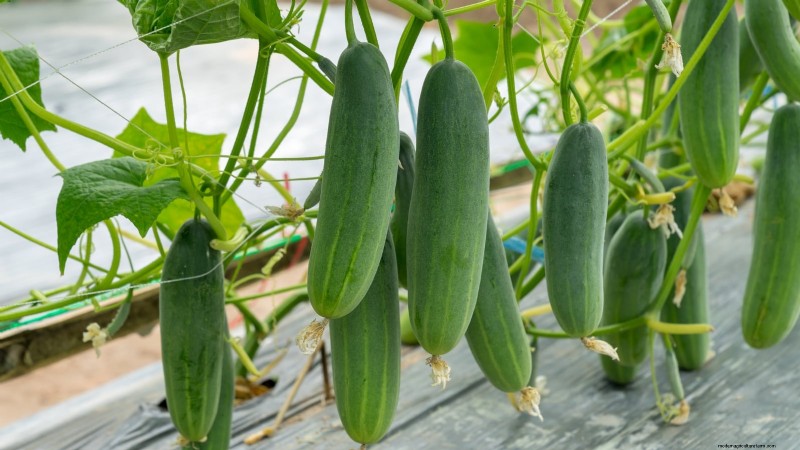 ‘Marketmore’ produces crisp, dark green cucumbers on high-yield vines, thriving throughout warm summer seasons.
Cucumbers are a summer must-have for their cool, crisp, hydrating qualities. Opt for a climber with a support trellis or a space-saving compact variety, both with high yields throughout the warm season.
‘Marketmore’ is a 1968 introduction out of Cornell with uniform six to eight-inch fruits, even under variable weather conditions. The dark green cucumbers are crisp, flavorful, and resist the cucumber mosaic virus.
Heirloom varieties bring history and good performance to the edible landscape. ‘White Wonder’ is an 1893 heirloom that starts a bright, pale green and matures to ivory white. The vines are fast-growing and heat-tolerant. ‘Lemon’ from 1894 bears round fruits in sunny yellow with a light flavor.
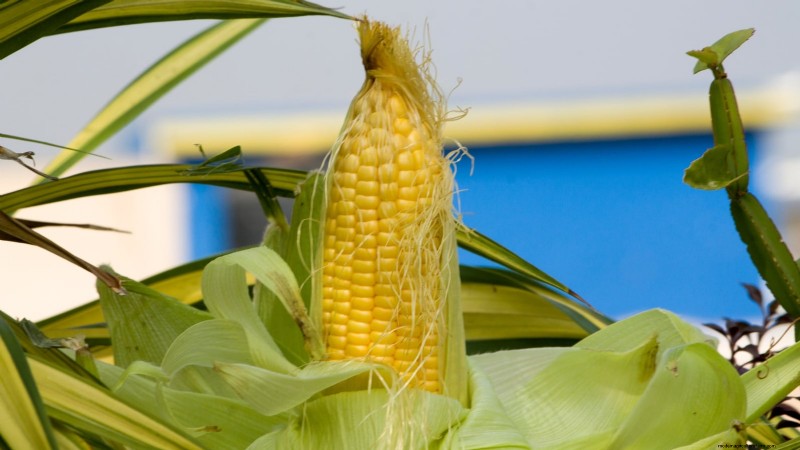 ‘Golden Bantam’ sweet corn has two flavorful ears per stalk, ideal for boiling, roasting, or freezing.
Introduced by Burpee in 1902, ‘ Golden Bantam’ was the first yellow-kerneled variety to be popular beyond its white corn predecessors. The yellow corn became the variety to beat with sweet kernels on five-foot stalks.
‘Golden Bantam’ often bears two sturdy ears per stalk. Its classic corn flavor remains when boiled or roasted and freezes well on the cob.
‘Golden Bantam’ is an early sweet corn that performs well in cold spring soils. Direct sow it early in the season after the final frost when the soil warms above 60°F (16°C).
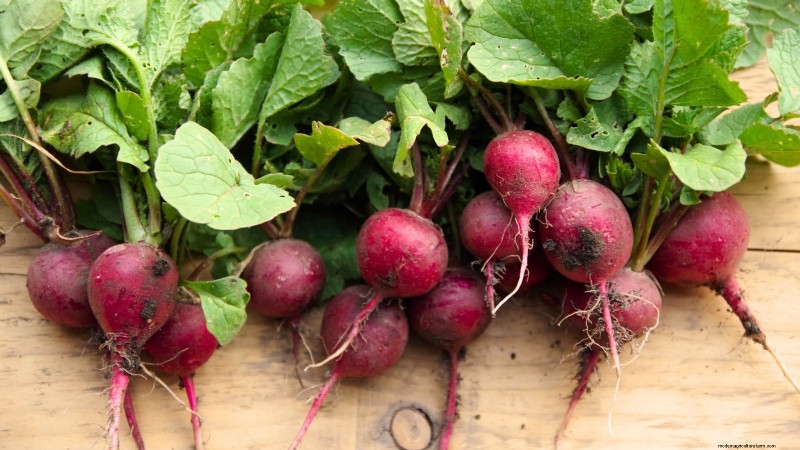 ‘Cherry Belle’ matures in 24 days, thrives in succession plantings, and pairs well with carrots.
A gardener and chef favorite, ‘Cherry Belle’ radishes produce bunches of bright red globes with white flesh and a crisp flavor. The Holland heirlooms won the All-America Selections award in 1949 for their fast growth, easy care, and flavorful roots. Crisp, crunchy, and colorful, ‘Cherry Belle’ dresses up a salad.
Sow these in the cool temperatures of spring and fall. ‘Cherry Belle’ matures in about 24 days and is well-suited to successional plantings every one to two weeks for a continual crop through late spring and early summer. Harvest the little belles when the roots are about 1’ in diameter.
Radishes are quick-growing and pair well in the carrot patch. Scatter both carrot and radish seeds for a complimentary planting. Harvest the speedy radishes before the carrots are ready, thinning the crop and aerating roots simultaneously. Their compact stature makes them a good choice for containers and raised beds. If you have leftover seeds, sow them in bare beds to stabilize soils as a placeholding cover crop to lessen soil compaction and improve aeration.
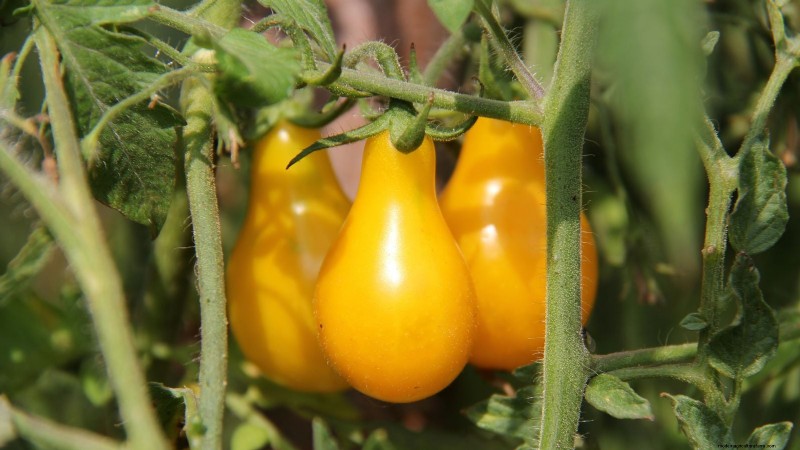 ‘Yellow Pear’ is an indeterminate heirloom producing tangy, golden, pear-shaped tomatoes all summer.
No victory garden would be complete without a selection of tomatoes. Heirloom ‘Yellow Pear’ produces masses of one-to-two-inch pear-shaped golden tomatoes. Pretty and flavorful, the little pears are tangy and emerge prolifically throughout the summer.
‘Yellow Pear’ dates to Europe in the 1700s and maybe earlier. American colonists used them for pickling, canning, and flavoring soups, plus they’re delicious right off the vine.
Many strains of yellow pear tomatoes are available today and are easy-to-grow, vigorous, and heavy producers. Heirloom yellow pears are indeterminate, with long vines that yield fruits all season. When it’s time to harvest, pick the tomatoes early and let them ripen indoors. They’ll be just as tasty and less susceptible to splitting and pest damage than on the vine.
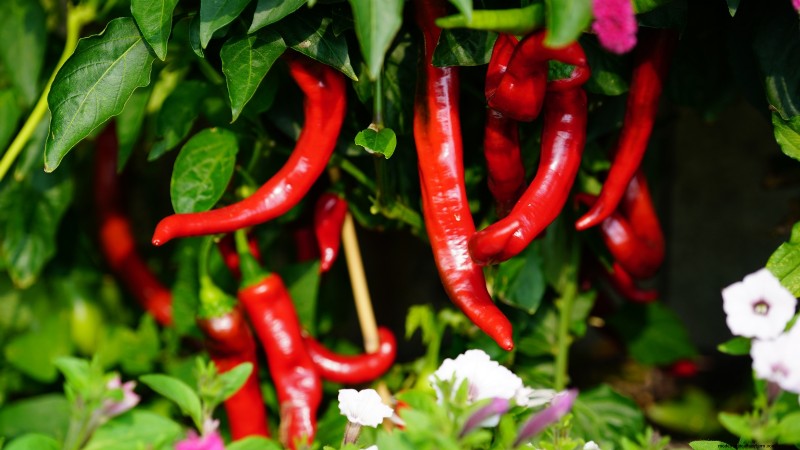 ‘Jimmy Nardello’ Italian heirloom peppers are sweet, mildly spicy, and perfect for frying or fresh salsas.
Reliable and sweet ‘Jimmy Nardello’ pepper hails from the Basilicata region of Italy. Mr. Nardello’s mother and father brought seeds to the U.S. when they immigrated in 1887.
The Italian peppers have a sweet, mildly spicy flavor with a hint of roasted apples. The plants produce five- to ten-inch-long glossy red peppers, perfect for frying, cooking, or adding to fresh salsas.
The well-adapted heirloom grows across various climates in the warm season. Start seeds indoors eight to ten weeks before the final frost date. Move seedlings outdoors when days are warm (70°F or 21°C) and nights are above 55°F (13°C). Due to the prolific growth and loads of peppers, plants may need staking or caging.
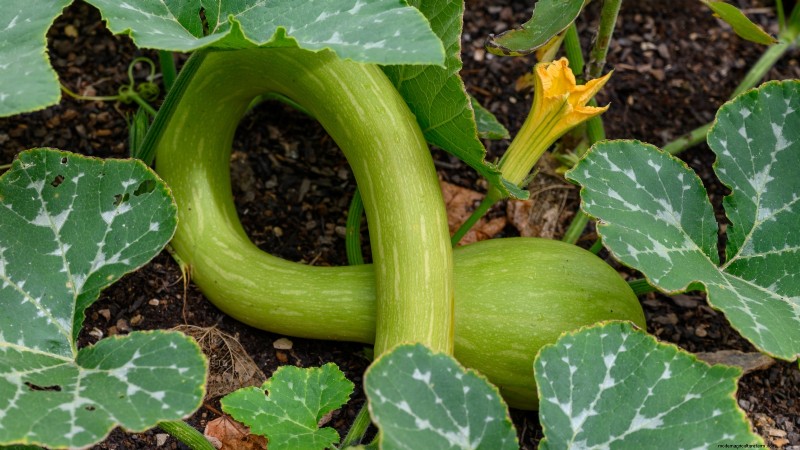 ‘Tromboncino’ grows long, tender green fruits in summer, developing butternut-like characteristics in fall.
‘Tromboncino’ is another Italian heirloom, this time a favorite squash. Also called ‘Zucchino Rampicante,’ long fruits mature in autumn, though they’re equally tasty harvested young, green, and tender in the summer. They provide a flavorful stand-in for summer squash and develop butternut characteristics in the fall.
Grow the vigorous vines on a trellis or arch to watch the long and narrow fruits develop. As they hang, the unique squash is a conversation piece that reaches up to three feet long if left on the vine.
C. moschata is more resistant to squash vine borer infestations than other species. Its thick, smooth stems make them less accessible during egg-laying and larval cycles. You may have more success with C. moschata varieties over traditional summer squashes.
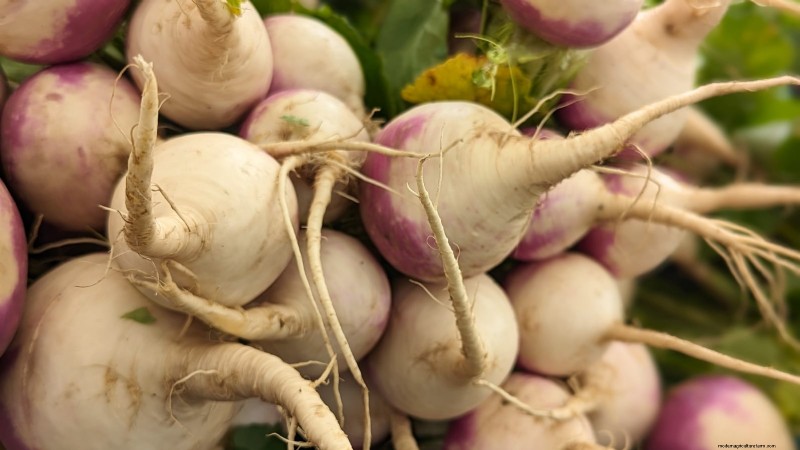 ‘Purple Top White Globe’ has tasty roots and greens, aerates the soil, and doubles as a cover crop.
Turnips are a centuries-old root vegetable and a hearty stand-in for potatoes. In addition to the nutritious roots, the vitamin-packed greens are edible. They grow well in the ground, containers, and raised beds and make an easy companion to beets.
‘Purple Top White Globe’ adds visual interest with purple shoulders above the soil and creamy white skin beneath. Roots reach two to six inches in diameter, depending on picking time (about 50 days). Use them mashed, roasted, as fries, or for fresh eating. The European heirloom has leaves as tasty as the roots.
As a bonus, the root vegetables serve to aerate the soil as they develop. If you have extra seeds, sow them as a cover crop to nourish and hold soils in the “off” season when beds are bare.
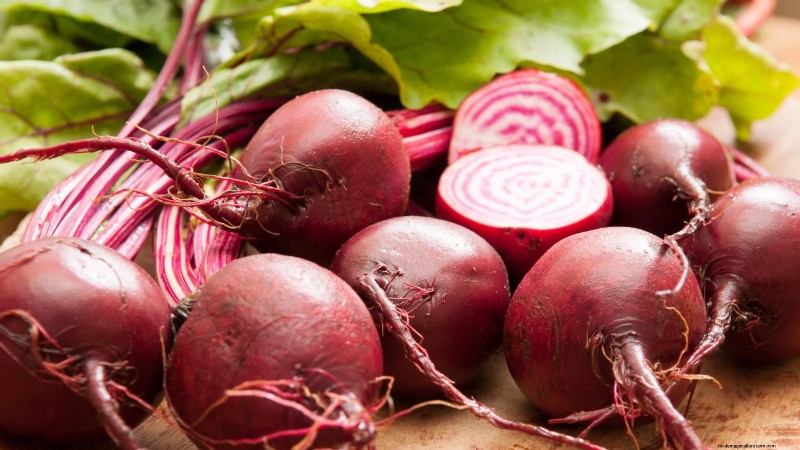 ‘Chioggia’ features pink-and-white striped roots, a mild sweet flavor, and is packed with nutrients.
Not your average beet, this 1800s Italian heirloom bears the name of an island fishing village in Northern Italy near Venice. A candy-striped variety, ‘Chioggia’s’ interior has a peppermint swirl of white and pinky-red rings. It has a mild, sweet, and slightly peppery flavor. The roots and their leafy greens are rich in vitamins and minerals, including A, C, iron, potassium, and folic acid, with antioxidant benefits.
The beets are slightly flattened globes. Harvest them early at one to three inches for the best flavor and texture. The roots have pink, orange, and red-hued skins, and the flesh is relatively free of bleeding and staining.
‘Chioggia’ is an early producer maturing in 55 days. The cold-tolerant, frost-hardy root vegetables grow best in the cool weather of fall and spring. Direct sow seeds two to four weeks before the last frost. In warm climates, sow them in the fall for a winter harvest.
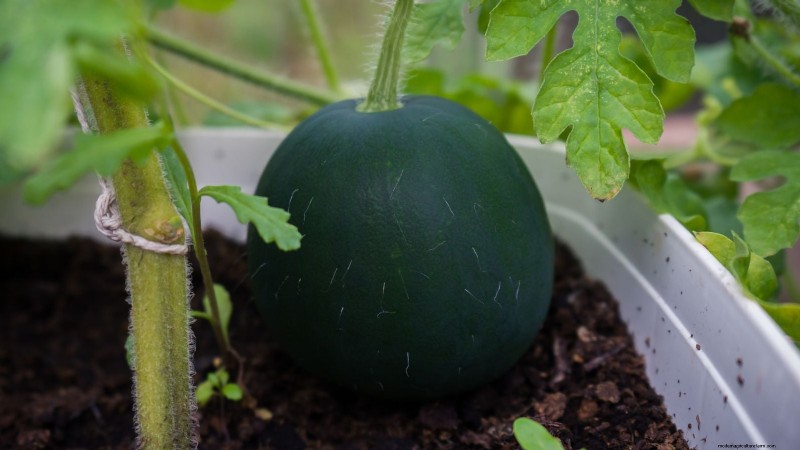 ‘Sugar Baby’ is a compact, six-to-ten-pound melon with deep red, juicy flesh and sweet flavor.
Sweet, delicious, and small enough to fit in an ice box, ‘Sugar Baby’ packs all the juicy flavor in a compact form. The rounds have firm, dark skin and weigh six to ten pounds.
Woodside Seed Growing Company of Rocky Ford, Colorado, introduced ‘Sugar Baby’ in its 1958 seed catalog. Amateur breeder Mr. Hardin of Oklahoma selected it from an heirloom Japanese variety, ‘Tough Sweets.’ ‘Sugar Baby’ is an improved dwarf variety with deep red flesh and mottled black-green skin.
In addition to its sweet flavor, ‘Sugar Baby’ is an early maturing melon, ready about 80 days after planting. Wait to sow seeds until at least one or two weeks after the final frost.
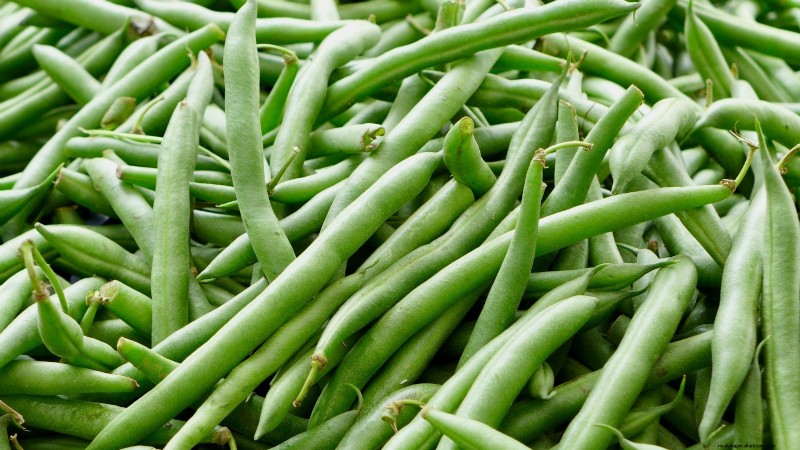 ‘Contender’ bush beans mature in 50 days, producing flavorful five-inch pods in continuous harvests.
Bush beans move from spring to summer to fall with harvests throughout the season. ‘Contender’ is compact and bushy, versatile in small spaces and pots without the need for support.
The favorite from 1949 is an early bean, ready in under 50 days. Known for its excellent flavor, disease resistance, and high yield, ‘Contender’ is hardy and reliable. It produces loads of five-and-a-half-inch-inch pods in short order.
Bush beans have a delicate root system and are best direct-sown with adequate spacing for ample air circulation. Harvest the pods regularly to keep them producing.
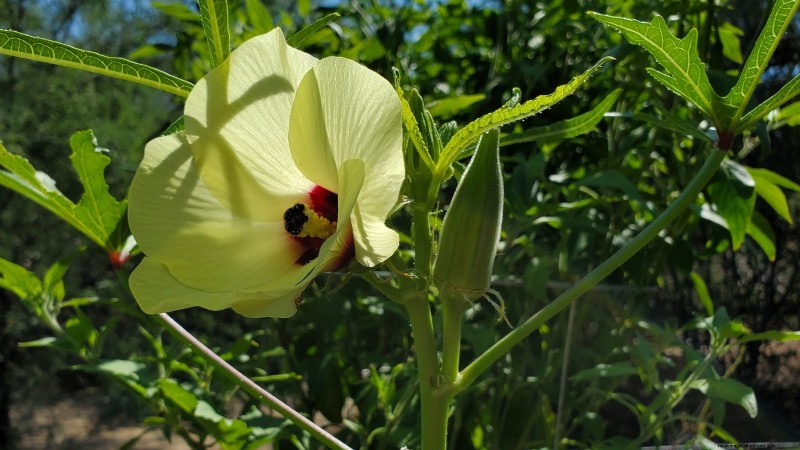 ‘Clemson Spineless’ has tender green pods, grows best in warmth, and prefers sandy, well-drained soil.
Okra is highly ornamental with small, hibiscus-like flowers, attractive palmate leaves, and striking seed pods. Enjoy the pods fresh, cooked, or pickled. Freeze them to store for winter vegetable soups.
‘Clemson Spineless,’ while introduced by the University in 1939, built upon forty-year heirloom selections of Mr. Thomas Davis of Lancaster, South Carolina. The selection has ribbed velvety green pods free of spines. Harvest them when they’re five inches or smaller (they keep growing but become tough and sinewy).
Okra grows best in full sun in warm to hot conditions. Germination is highest when soil temperatures are 70°F (21°C) and higher. The heritage crop tolerates various soil types, preferring sandy loams with good drainage.
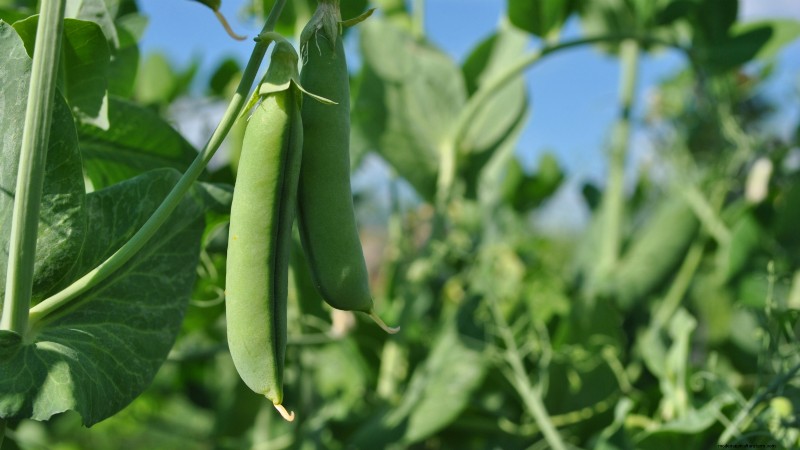 ‘Sugar Daddy’ has stringless, disease-resistant vines producing sweet, three-inch snap pea pods.
Snap peas thrive in the cool season and add vertical interest on a trellis or arch. With easy access, snap them fresh as you stroll the garden or use them in salads, stir-fries, or steamed. Place seeds directly at the base of a growing structure four to six weeks before the last frost.
‘Sugar Daddy’ isn’t an heirloom, but its compact growth, nutrition profile, and delicious snacking make it worth growing in our modern victory gardens. The compact vines reach two to three feet high, ideal for small spaces and containers with only a small trellis or fence for support.
The sweet pods are stringless on short vines with improved disease resistance. The slender three-inch pods are ready in about 60 days.
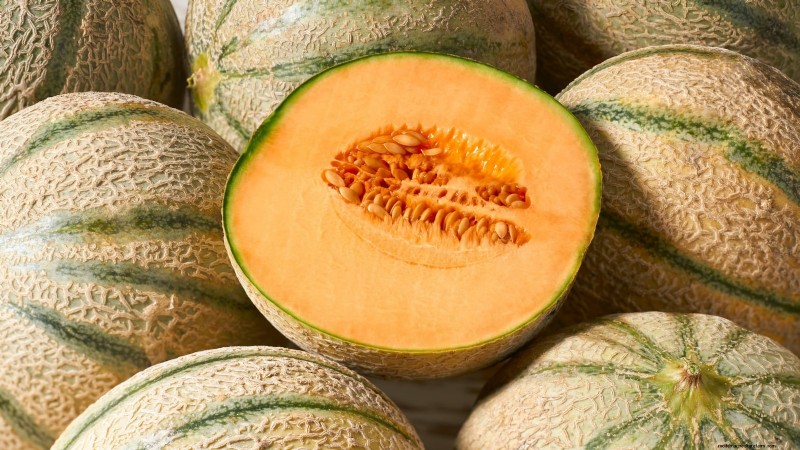 ‘Hearts of Gold’ muskmelon has sweet, aromatic orange flesh, growing well in short-season climates.
This popular old-time melon (also called muskmelon) boasts deep orange flesh and a tangy, sweet flavor and aroma to match. The round melons weigh two to three pounds and grow six inches in diameter. Skins are heavily netted, and rinds are thin for good eating.
‘Hearts of Gold’ is a late 1800s variety with productive fruiting. It’s a good option for areas with short growing seasons. Start seeds indoors two to four weeks before the last frost date and move plants outdoors one to two weeks following. For longer growing seasons, direct sow seeds one to two weeks after the final frost.
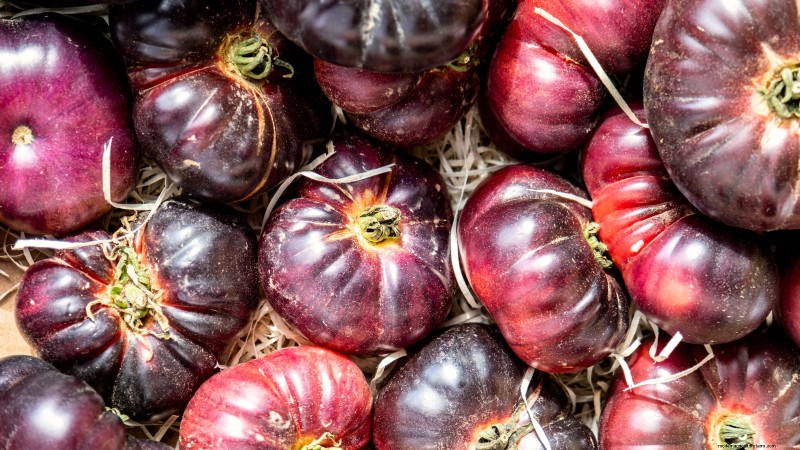 ‘Cherokee Purple’ has dusky rose-purple fruits, rich sweet flavor, and indeterminate vines reaching nine feet.
‘Cherokee Purple’ has shiny, dusky rose-purple fruits with pinkish-red flesh and a rich, sweet flavor. Large and juicy, they’re one of the best purple beefsteak tomatoes available.
The heritage selection dates to Tennessee pre-1890 with Cherokee ties. Seed Savers Exchange introduced ‘Cherokee Purple’ in 1991 from heirloom tomato expert Craig LeHollier.
‘Cherokee Purple’ resists cracking and defects and is a productive fruiter. Long vines are indeterminate and reach up to nine feet. Use a trellis, cage, or stakes.to support the rambling stems.
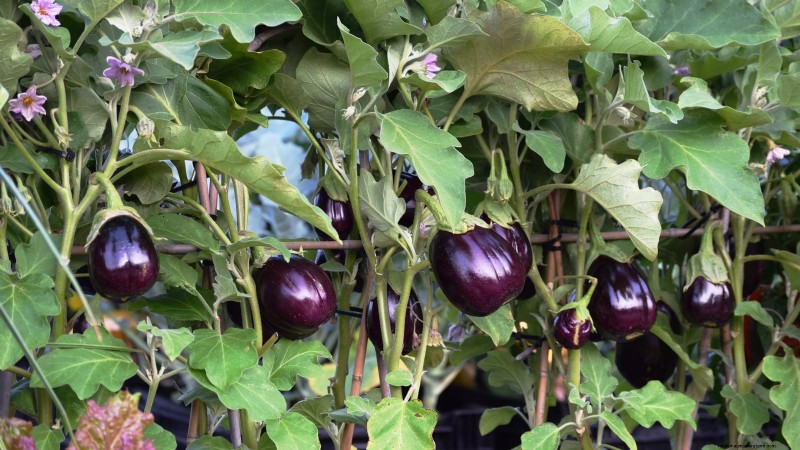 ‘Black Beauty’ produces large, tender-skinned eggplants, growing well in containers or garden beds.
These beauties enhance the victory garden with shiny, dark purple fruits and leafy stems with lavender blooms. ‘Black Beauty’ is a Burpee 1902 introduction and a longtime favorite for its large eggplants and delicate flavor.
‘Black Beauty’ originates from an 1880s cross between ‘Black Pekin’ Chinese eggplant and ‘Large Early Purple.’ The fruits are one to three pounds and have tender skin with no need for peeling.
Start seeds indoors 10-12 weeks before your final frost and move seedlings outdoors one to two weeks after the frost. To direct sow, wait until soil temperatures warm to 70°F (21°C) for best growth. These compact growers do well in containers.