Welcome to Modern Agriculture!

Cabbage can be a rewarding yet demanding addition to any home garden. With the right timing, soil, and care, you’ll enjoy crisp, flavorful heads that are perfect for salads, stir‑fries, or fermented dishes.
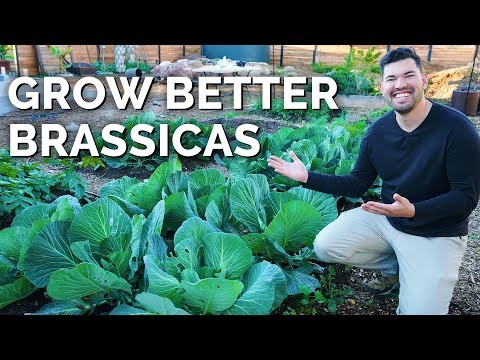
Brassica oleracea encompasses the familiar round green and purplish‑red heads sold in supermarkets, but it also includes varieties such as Brussels sprouts, savoy, Napa, bok choy, and many others. All of these thrive in cool temperatures, full sun, moist soil, and ample nutrients. Cabbage can be started from seed or purchased as young plants, giving growers flexibility in timing.
While a true biennial plant would flower in its second year, most gardeners harvest the head in the first year, treating the crop as a cool‑season annual. Typical harvest windows fall between 60 and 100 days after sowing.
| Stage | Key Notes | Seed Selection & Timing |
|---|---|---|
| Seed Selection | Choose a variety that matches your climate and desired harvest period. | For a summer harvest, sow 8–10 weeks before the last frost; for fall, sow mid‑summer. |
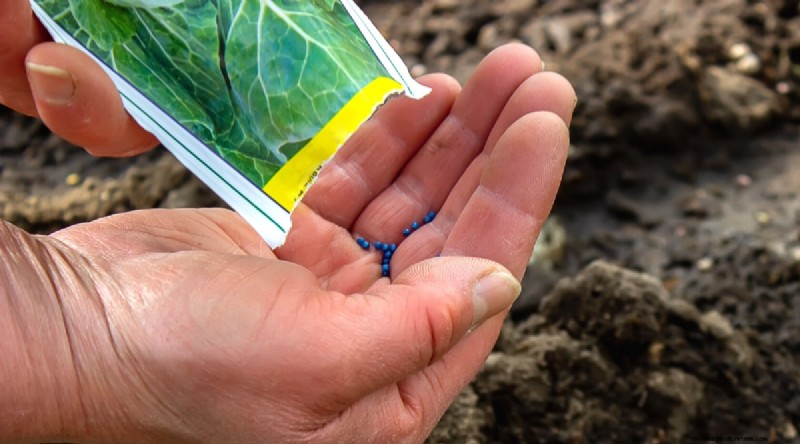
| Sowing | Plant in rich, moist, well‑drained soil, ¼ inch deep or surface‑level with a light covering. | Maintain moisture and warmth; optimal germination temperature is ~75 °F. |
| Germination | Seeds sprout in 4–6 days when conditions are warm and moist. | |
| Cotyledons | First delicate leaves appear 6–10 days after sowing. | |
| True Leaves | Oval, slightly wavy leaves emerge 10–14 days after cotyledons. | |
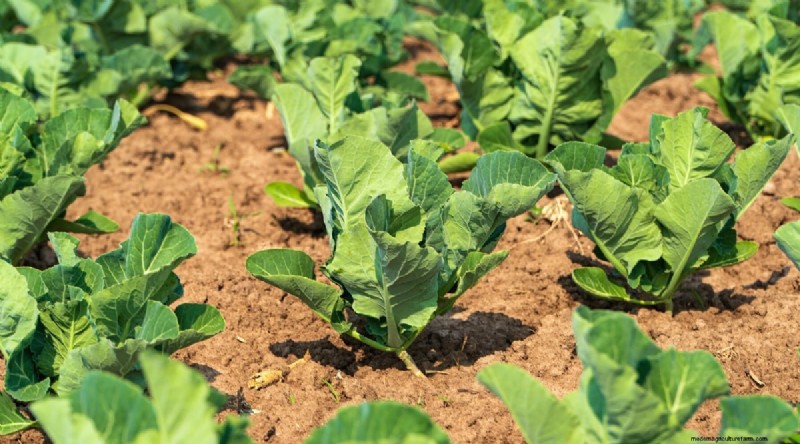
| Vegetative Growth | Robust rosette forms; head begins to develop. | Provide steady water (1–2 inches/week) and light (6–8 hours sun). |
| Head Formation | Leaves tighten into a dense, round shape; head size ranges 6–12 inches. | Apply a balanced, organic fertilizer midway through growth. |
| Harvest | Cut the head at the base with a sharp knife when firm and solid. | Store in the refrigerator up to 2 weeks or use fresh. |
Varieties differ in head shape, color, maturity time, and disease resistance. Common options include:
Seeds are hardy for up to four years when stored cool and dry. Replace older packets for best germination.
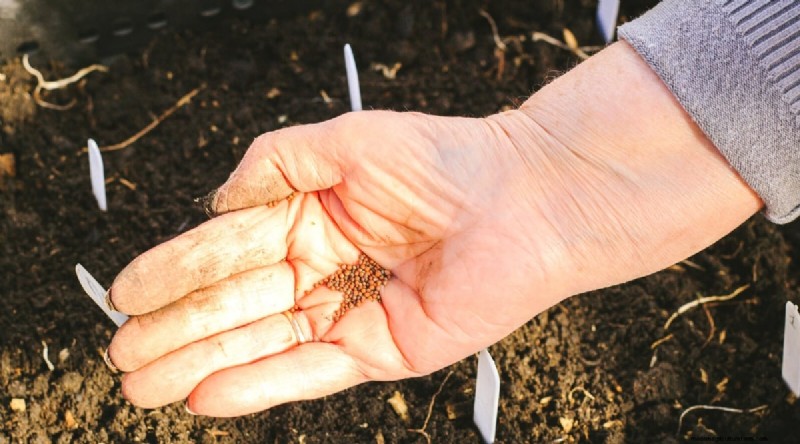
Indoor seed starts provide controlled conditions; outdoor starts require careful moisture and temperature maintenance. Two popular methods:
Keep the seedbed ¼ inch deep, and maintain warmth and moisture throughout the 4–6 day germination period.
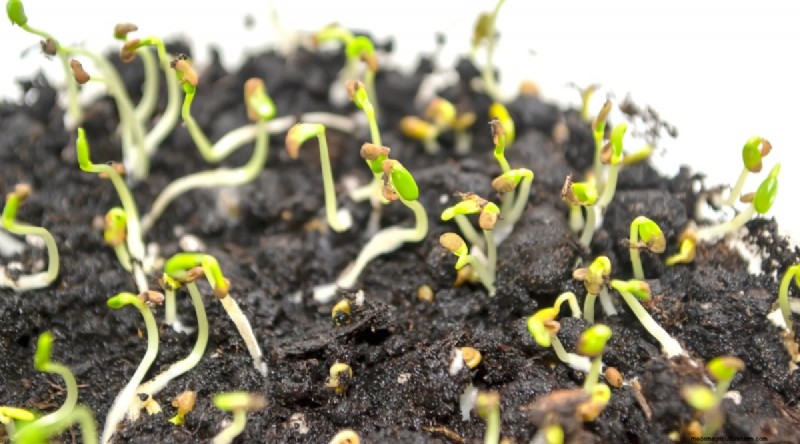
After germination, cotyledons emerge 6–10 days later. They remain for up to two weeks, then are replaced by true leaves. Adequate light prevents leggy growth.
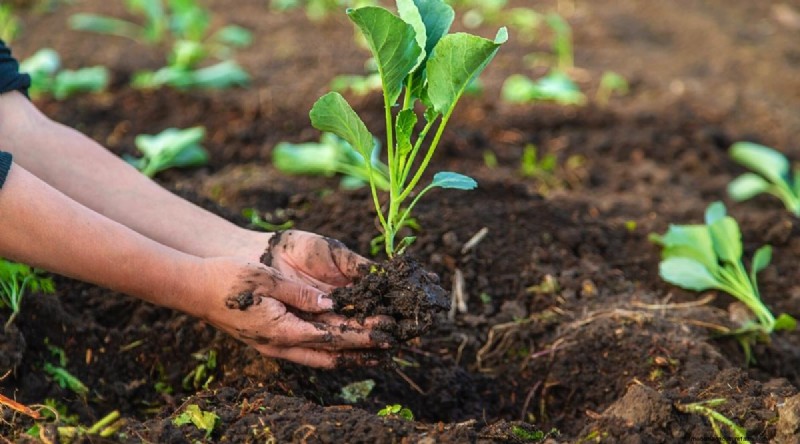
Once seedlings have 3–4 true leaves, thin them to 12–24 inches apart. Rows should be at least 3 feet apart to ensure optimal airflow and reduce disease pressure.
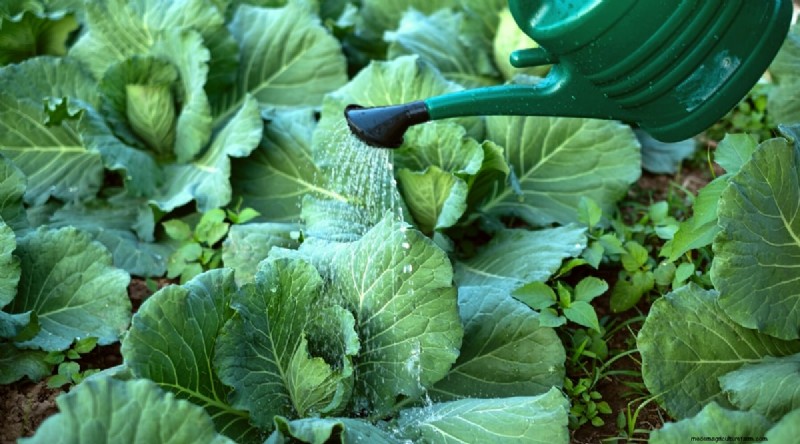
During this phase, focus on steady water and nutrient supply. Over‑watering or abrupt watering changes can split the head, creating entry points for pests. Maintain a consistent soil moisture level and apply organic fertilizer around the base when the rosette is well established.
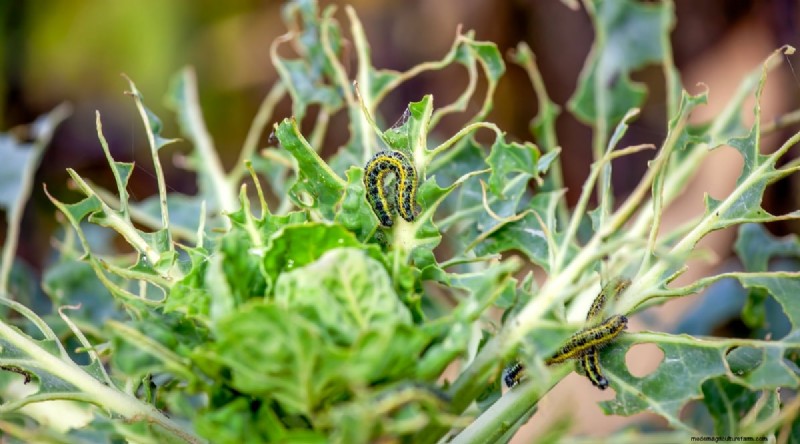
Common threats include:
Regular scouting, early intervention, and maintaining cleanliness (removing diseased material rather than composting) are key. Insecticidal treatments should be applied judiciously to avoid harming beneficial insects.
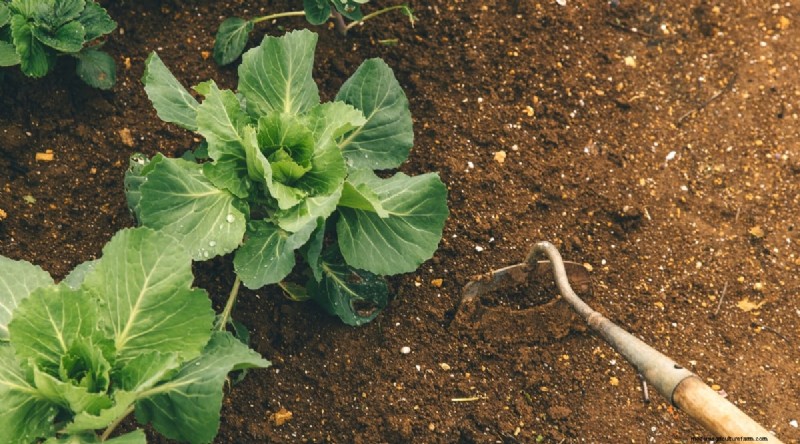
Implement annual crop rotation to prevent pathogen buildup. Keep beds weed‑free and avoid waterlogging. Companion plants such as beans, borage, chives, marigold, mint, onions, and thyme can deter pests, improve soil quality, and attract pollinators.
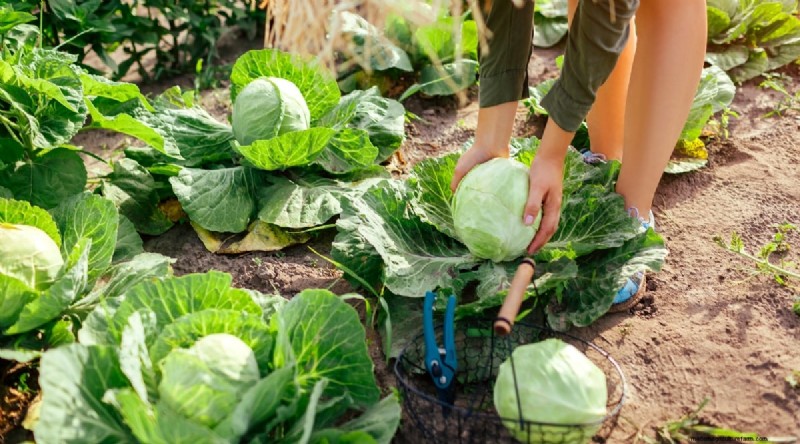
Heads mature when 6–12 inches across, firm, and densely packed. Cut the entire head at the base with a sharp knife. Leave the base in the ground if the plant remains healthy; it may produce a second, smaller head later in the season. Store harvested heads in an airtight plastic bag in the refrigerator for up to two weeks. Fresh heads can be used raw in salads, cooked in stir‑fries, or fermented into sauerkraut or kimchi.
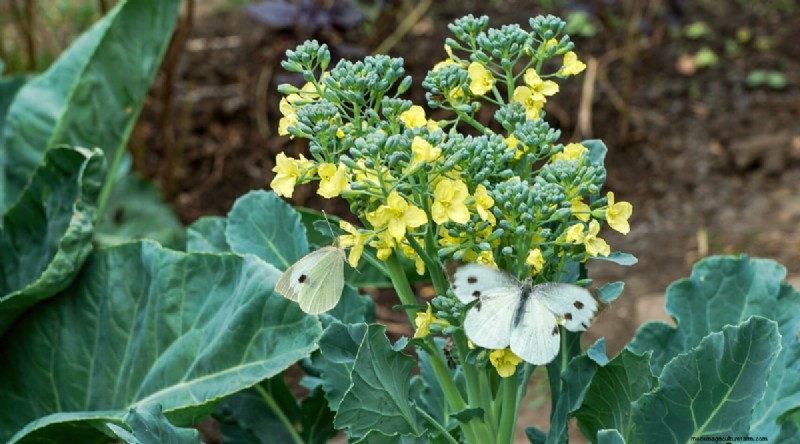
Most growers harvest before flowering. If a plant survives into the second year, it will produce a yellow flower stalk in spring, attracting cabbage butterflies and serving as a host for future caterpillars. After flowering, the plant sets seed and dies.
With thoughtful site preparation, consistent care, and vigilant pest management, growing cabbage can be both satisfying and productive. Enjoy the satisfaction of harvesting your own fresh, homegrown heads and exploring their many culinary uses.