
Welcome to Modern Agriculture!

Have you considered cultivating your own crisp green beans but worry about limited space? Container gardening lets you harvest fresh beans right on your patio or balcony, freeing up valuable yard area and simplifying care.
Growing vegetables in pots is cost‑effective, low‑maintenance, and gives you full control over soil, moisture, and light conditions. With the right containers, you can nurture a thriving bean crop in a fraction of the space a traditional garden requires.
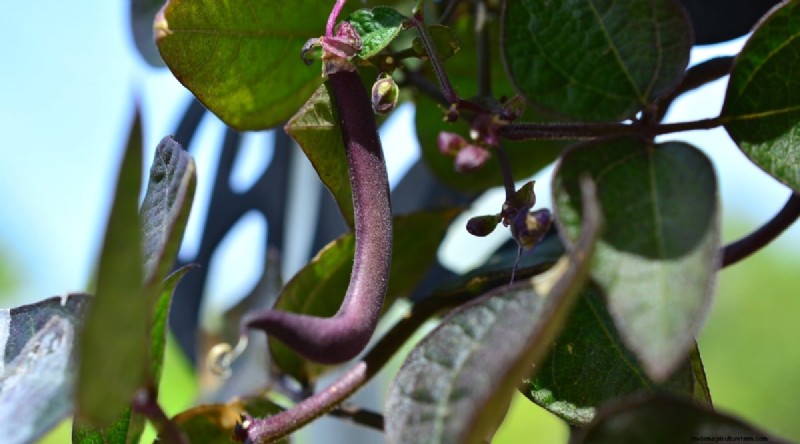
Beans come in two main growth habits: bush and pole. Bush beans form compact plants that don’t need support, while pole beans climb tall and require a trellis or stake.
Choose from a range of flavors and colors. For a classic heirloom with disease resistance, pick ‘Kentucky Wonder’. If you prefer a refined French‑style haricot vert, try ‘Tavera Filet’. For a splash of color, ‘Trionfo Violetto’ delivers lavender flowers and deep purple beans that turn green when cooked.
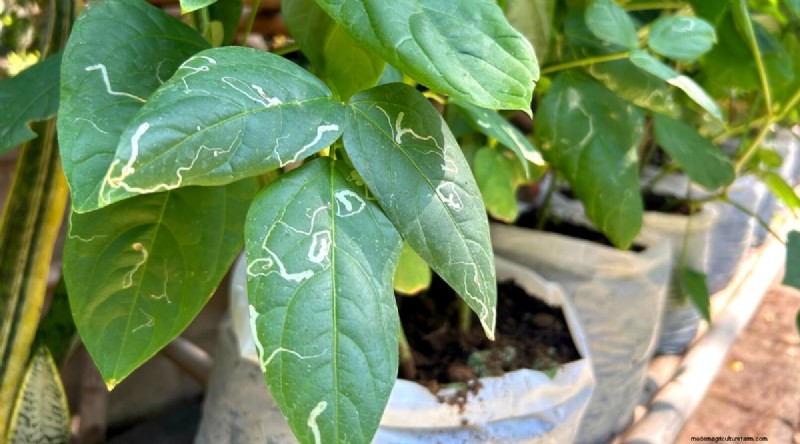
Fabric grow bags are a lightweight, breathable option that encourages healthy root development. A 5‑gallon bag can hold about a dozen seeds with sufficient space for airflow.
Raised beds also work well, offering more room for root expansion. When using pole varieties, pair your container or bed with a sturdy trellis—tubes, tomato cages, or a tipi‑style support make harvesting a breeze.
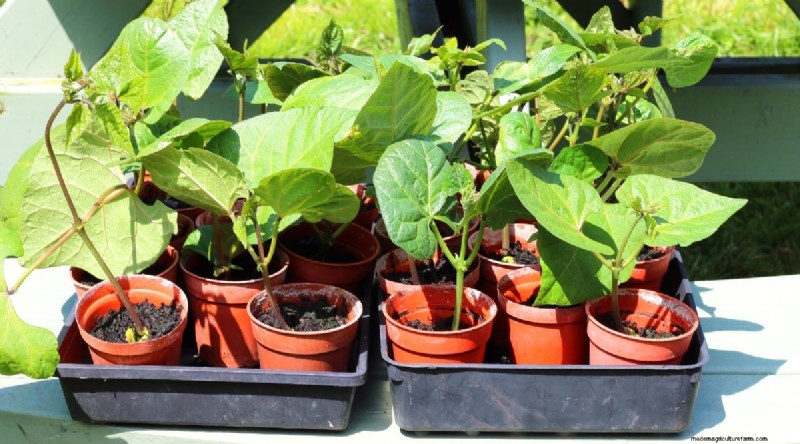
Beans thrive on full sun but can tolerate partial shade. Aim for 4–5 hours of direct morning light to avoid scorching while still promoting vigorous growth. If afternoon heat is intense, move pots to a shaded spot or use a sun‑screen.
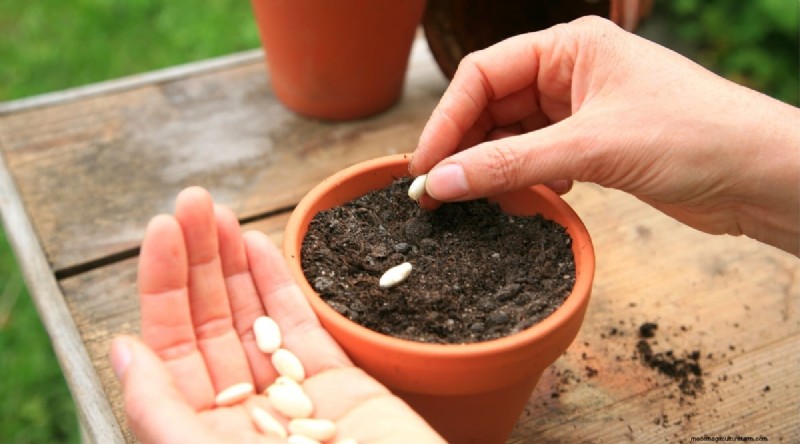
Opt for a well‑draining, loamy potting mix with a slightly acidic to neutral pH (6.0–7.0). Mix in compost or well‑rotted manure to enrich nutrients without overwhelming the plant.
Plant directly in the container once soil temperatures reach 55 °F (13 °C) and daytime temperatures are between 65–85 °F (18–29 °C). For pole beans, set up the trellis first, then sow seeds about 1 in (2.5 cm) deep. For bush beans, plant 1 in deep and 2 in (5 cm) apart, spacing rows 18 in (45 cm) apart.
Thin seedlings to one plant every 6 in (15 cm) after emergence, and water immediately. Re‑seed every two weeks during the growing season for continuous harvest.
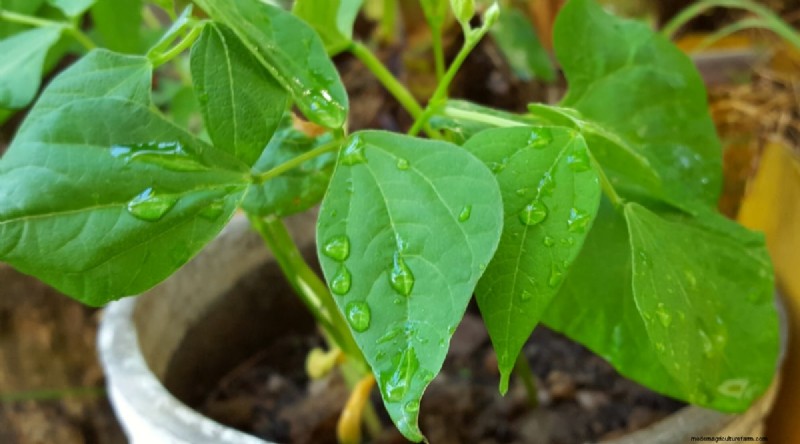
Keep soil consistently moist, especially during germination. Provide about 2 inches (5 cm) of water per week. Allow the top ½ in (1.25 cm) of soil to dry before the next watering to prevent root rot.
Ensure containers have drainage holes and consider a drip tray to collect excess moisture. During the first week, water 2–3 times per week; afterward, adjust based on weather.
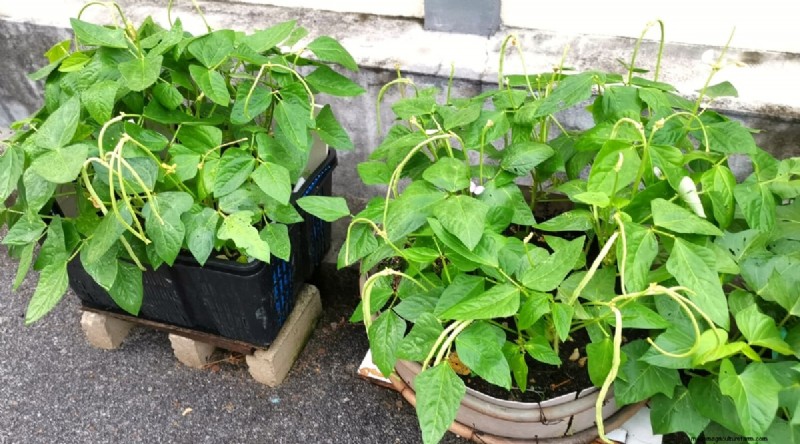
Beans fix atmospheric nitrogen, so they need minimal fertilizer. If you notice stunted growth midway through the season, top‑dress with a slow‑release fertilizer low in nitrogen (e.g., 5–10–10) or sprinkle compost.
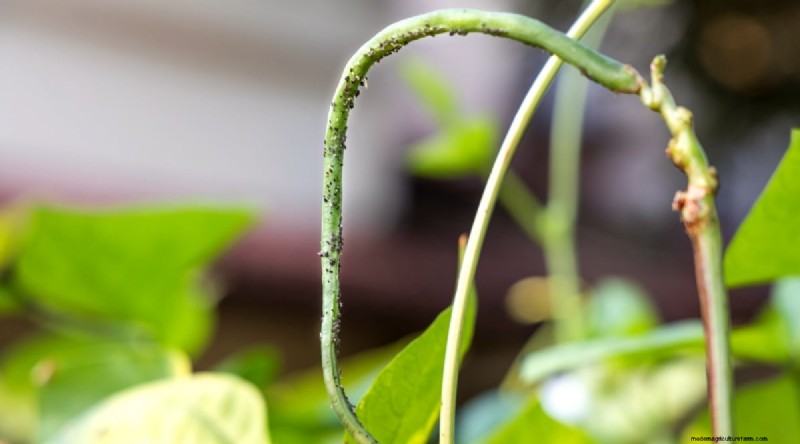
Common pests include bean leaf beetles, aphids, leafhoppers, whiteflies, and thrips. Inspect leaves regularly for damage or insect activity.
First line of defense is a strong water spray to dislodge insects. Follow with a gentle mist of insecticidal soap (avoid dish soap). For persistent infestations, use neem oil or pyrethrin applied in the evening to protect pollinators.
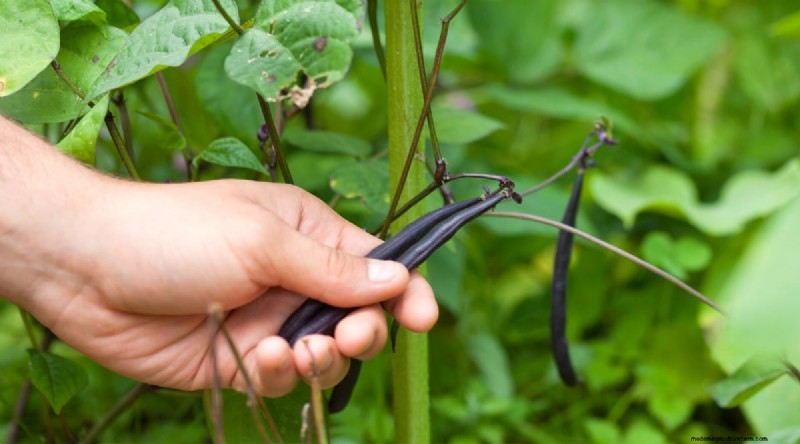
Harvest when beans are plump, firm, and before they bulge or become stringy. This encourages further production, similar to deadheading flowers.
Most varieties take roughly 50 days from planting to harvest. Continue picking weekly from midsummer until early autumn, then re‑plant or shift to a fall crop in August.
Once you master container bean cultivation, explore other vegetables—herbs, lettuce, or tomatoes—using the same portable, low‑maintenance approach.


