Welcome to Modern Agriculture!

While many gardeners prioritize early‑spring carrot plantings, fall‑season carrots often deliver the sweetest, most tender harvests. Cooler temperatures boost sugar conversion and texture, and reduce common problems such as pest pressure.
Accurate timing is crucial. Planting too early exposes seedlings to summer heat stress; planting too late means roots won’t mature before the first frost.
Optimal timing varies by region. Below we outline the ideal planting windows for a fall harvest based on your local climate.
Little Finger Carrot
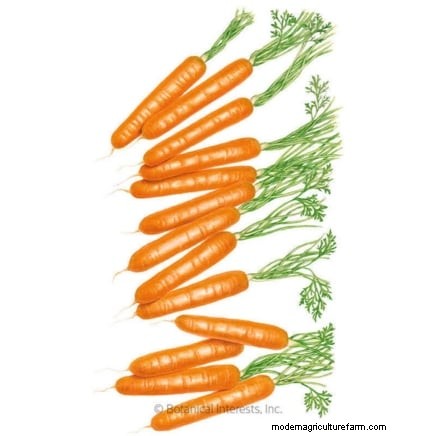
Little Finger Carrot Seeds
Danvers 126 Carrot Seeds
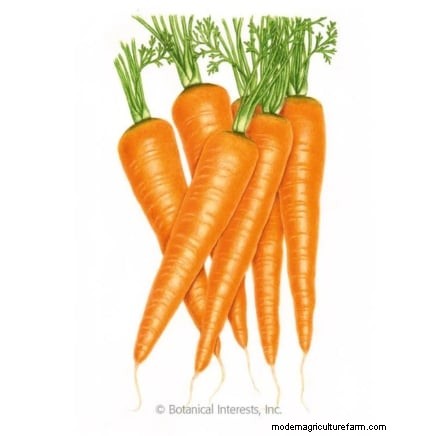
Shin Kuroda Carrot
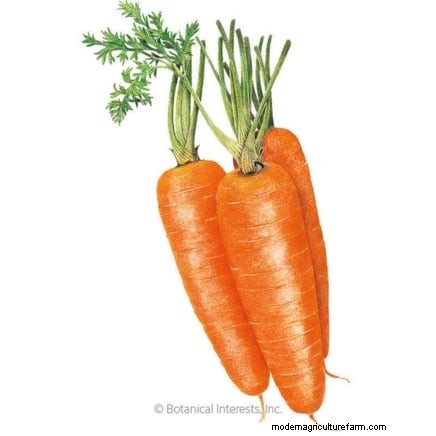

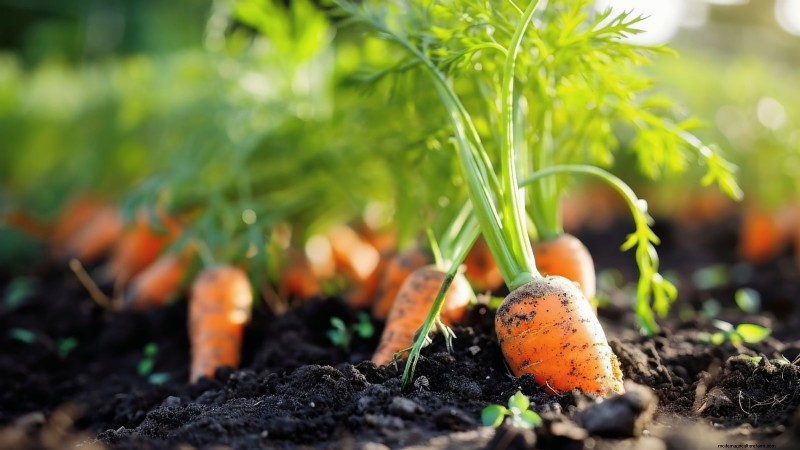
Carrots harvested in the cooler months are naturally sweeter and more tender.
Cool weather prompts carrots to convert starches into sugars, enhancing flavor. This process often gives fall carrots a richness that outshines many store‑bought varieties. A light frost at the right time can further elevate sweetness.
Texture improves as well; cooler conditions reduce the risk of woody cores or tough exteriors, resulting in consistently tender roots.
In many regions, fall carrots can remain in the ground through winter, allowing you to harvest fresh carrots on demand. This extended season relieves the need to process an entire crop immediately, and cooler temperatures suppress many pathogens, helping the crop stay healthy.
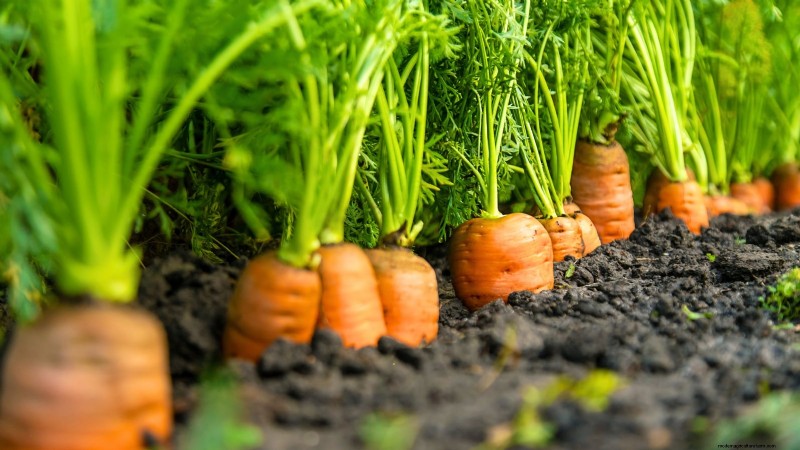
Start with the seed packet’s suggested planting window and your local frost dates.
Count back from your average first frost date. Most varieties require about 70 days from seed to harvest; quick‑maturing types such as ‘Little Finger’ mature in roughly 60 days.
For instance, in a region where the first frost falls in mid‑October, you should plant by early August to allow a full growth cycle.
Add a two‑week buffer to accommodate slower fall growth, ensuring roots reach full size even if conditions are less than optimal.
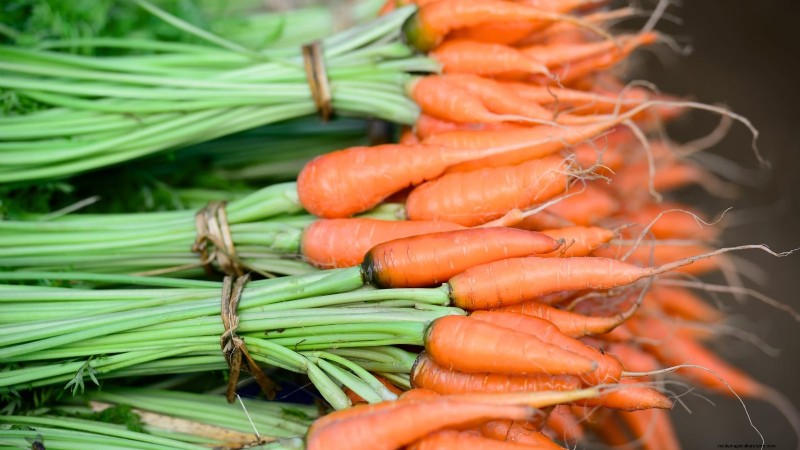
Consider your local climate before planting.
In northern zones, plant in mid‑ to late July to account for shorter growing seasons and earlier frosts. Zones 6‑7 offer more flexibility, allowing planting from late July through early August.
In zones 8‑10, planting can extend into September or even October, depending on variety. The milder winters and longer seasons grant the longest windows. Coastal areas also allow delayed planting, but always verify local frost dates for precision.
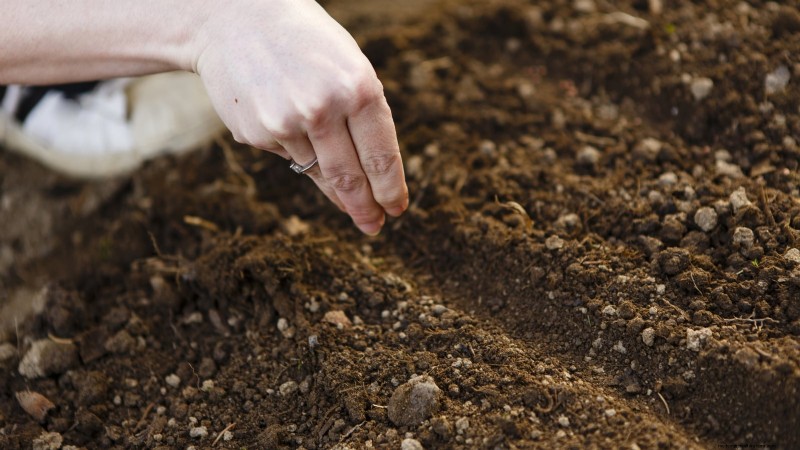
Ensuring well‑draining, loose soil is critical.
Incorporate fresh compost to enhance structure and fertility. Review previous crops and amend soil to balance nutrients and texture. Slight compaction can lead to cracked or misshapen roots.
Optimal drainage and minimal root resistance are essential, especially in rain‑heavy areas. Raised beds can further improve drainage and reduce waterlogging.
Carrots thrive in slightly acidic to neutral soils. Test the pH and adjust accordingly. Remove weeds and debris that could harbor pests or diseases, ensuring a clean, disease‑free planting zone.
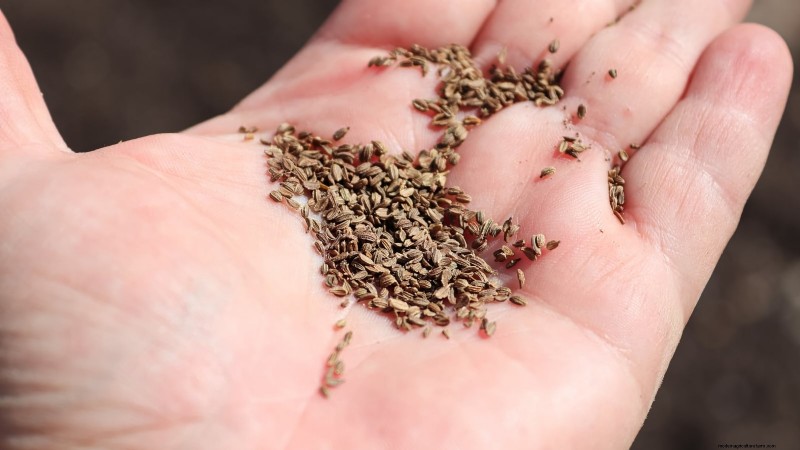
Succession planting extends your harvest window.
Plant seeds about half an inch deep to protect them in drier late‑summer soils. Keep soil consistently moist during germination, and consider light mulch or shade cloth to regulate moisture and temperature.
Although trays are an option, direct sowing is preferable; carrots struggle with transplant shock.
Implement succession planting every two weeks for a month to stretch your harvest. Adjust timing to avoid late sowing in your climate.
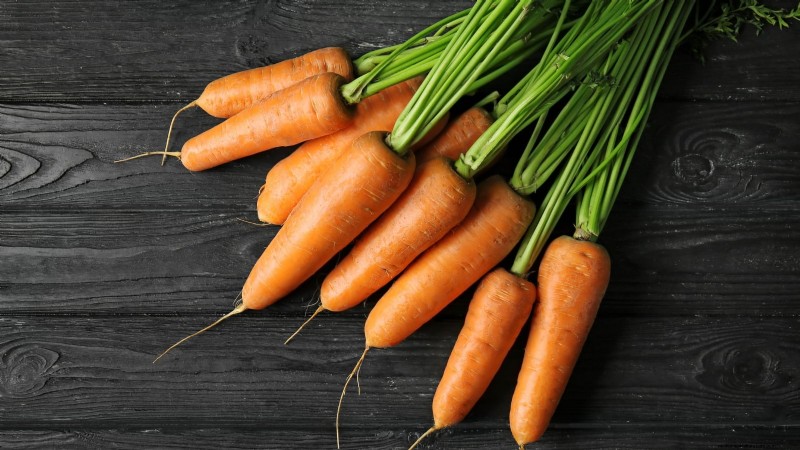
Select varieties best suited to your region.
With numerous options, choosing the right variety is key. In warmer regions, opt for heat‑tolerant types such as ‘Shin Kuroda’, which resist premature flowering amid late‑summer temperature swings.
Varieties boasting thicker shoulders and dense flesh perform best for fall; they retain quality during extended harvests and store well for winter enjoyment.
For a splash of color, try less common varieties like the vibrant ‘Atomic Red’.
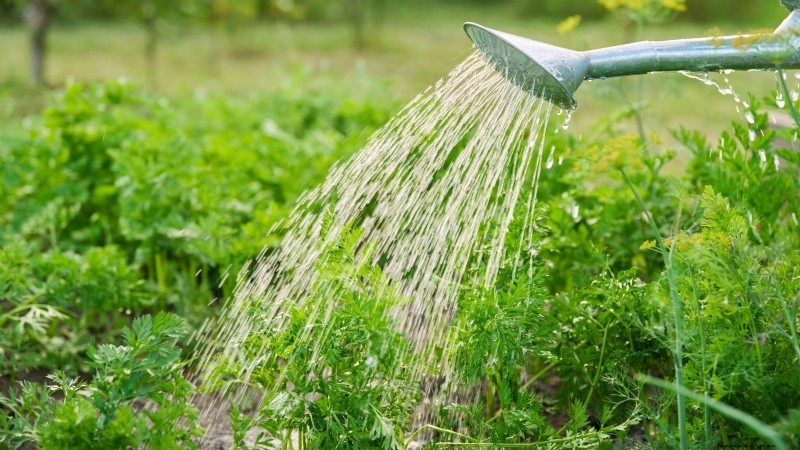
Regular, deep watering supports carrot establishment.
Care parallels that of spring carrots: regular watering for uniform growth, tapering as temperatures decline. Overwatering becomes a risk when evaporation slows.
Pest pressure remains lower in fall, but remain vigilant. Row covers can protect young plants, and removing debris deters pests attracted to moist soil.
Track weather forecasts and be ready to shield plants from unexpected early frosts that could damage young seedlings.
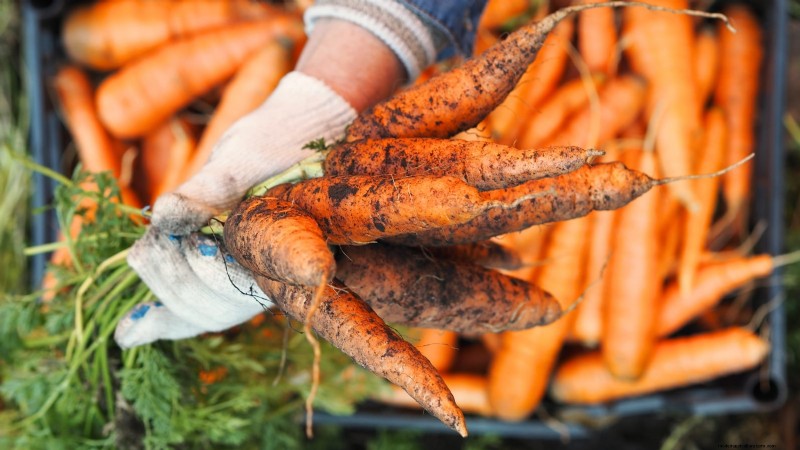
Harvest timing is as critical as planting.
Harvest when roots reach desired size, but you can leave them in the ground until the soil becomes hard. Mulch to protect against freezing; a light frost can even enhance flavor.
Harvest before hard freezes that could compromise quality. In mild climates, carrots may remain in the ground throughout winter with proper protection. Store harvested carrots in the refrigerator or packed in damp sand; they can last for months.
Though spring plantings are viable, a fall harvest typically delivers superior flavor and extended storage potential.