Welcome to Modern Agriculture!

Fresh, fragrant herbs elevate any dish from tasty to gourmet. Growing them in your garden not only beautifies the space but also supplies your kitchen with vibrant, ready‑to‑use flavor.
Most herbs thrive in full sun and well‑drained soil. They can flourish in raised beds, containers, or directly in the ground for a cottage‑style garden. Their blossoms attract pollinators, but those blooms can change the taste of the foliage. To keep your herbs healthy, tender, and flavorful, pinch off the flowers as soon as they appear.
Why Pinch Your Herbs?
Pinching encourages vigorous, bushy growth. By removing the tip of a stem, you redirect energy from top growth to lower nodes where new leaves and branches emerge. The result is a denser plant with more usable leaves, greater strength, and improved tolerance to wind and rain.
Pinching also preserves flavor and extends the harvest window. When a herb bolts, its energy shifts to flower and seed production, often making the leaves bitter, smaller, and less tender. Removing the blooms keeps the plant in vegetative growth longer, giving you a richer, more consistent supply.
Images:
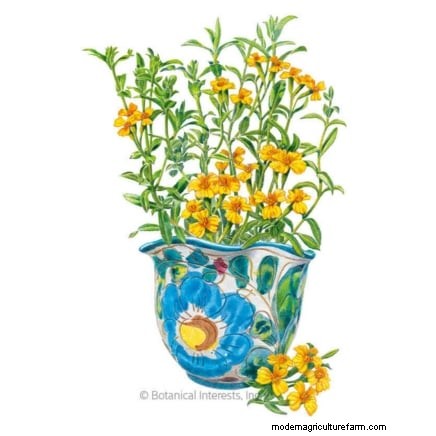
Begin pinching when your herb has three to four sets of true leaves. Pinch only the topmost leaf cluster to avoid stunting growth. Repeat the process when each branch develops another three sets of leaves, creating a neat, shrubby shape.
After shaping, focus on removing flower buds as soon as they form. Don’t wait for the plant to bolt—early intervention preserves flavor and encourages continued growth.
For tender stems, use your thumb and forefinger. For tougher stems, a small pair of scissors or harvesting snips works best. Snips offer clean, precise cuts that minimize damage.
Remove buds just above a healthy set of leaves or a leaf node. This promotes branching below the cut and prevents a bare stem. Follow these steps:
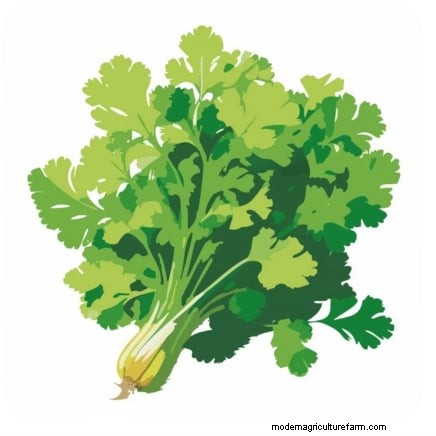
For herbs that flower from a basal rosette (e.g., cilantro, dill), pinch the entire flowering stem as close to the base as possible.
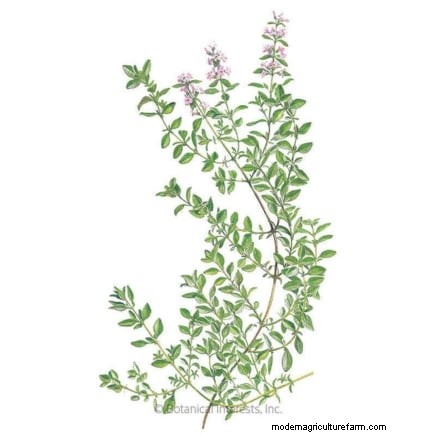
Pinch off blooms whenever you see them forming—early and often. Herbs like basil bolt quickly and need frequent attention, while oregano and thyme rarely flower and can be harvested more often. Regular inspections make pinch‑and‑harvest routine and keep your herbs in peak condition.
Daily garden strolls can spot surprise blooms before they compromise flavor.