![Best Perennial Vegetables for a Thriving Garden | [Year]](https://modernagriculturefarm.com/article/uploadfiles/202211/2022111617035629_S.jpg)
Welcome to Modern Agriculture!

Do your strawberries look wilted or lifeless after spring’s harvest? Strawberry plants vary by type, and what appears to be a decline can often be reversed with the right care.
Successful rejuvenation hinges on the variety you’re growing. June‑bearing plants benefit from a vigorous pruning approach, while everbearing and day‑neutral varieties call for gentler maintenance. Adapting your strategy to the specific type is the key to a healthy, juicy crop.
If your patch is truly dying, there is still hope. With proper watering, fertilizing, and a touch of expertise, strawberries can bounce back and thrive again.
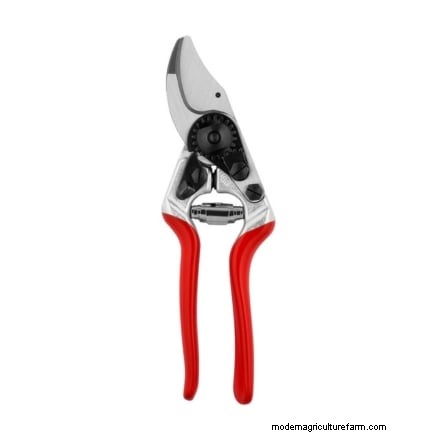
Felco Ergonomic Hand Pruner
Organic Fertilizer
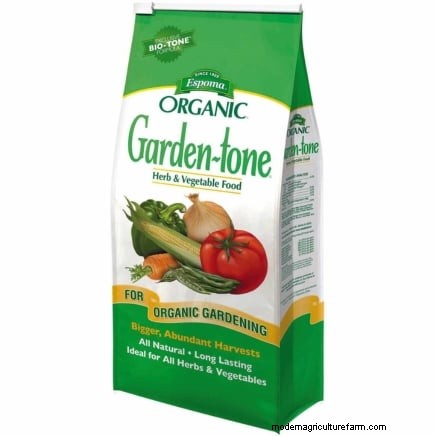
Espoma Garden-tone Organic Plant Food
Strawberry Seeds
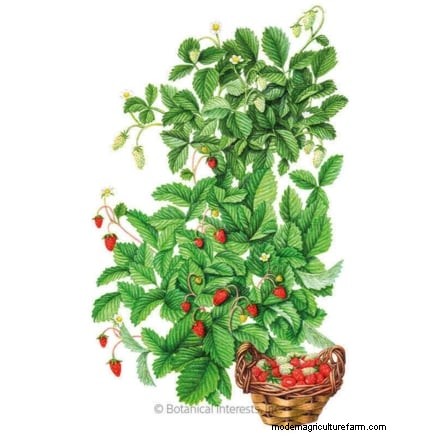
Red and Yellow Wonder Blend Strawberry
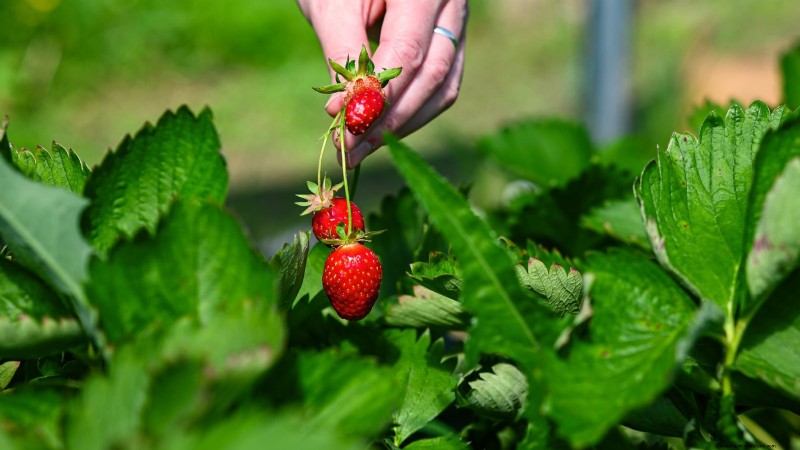
Some varieties produce twice, offering unexpected mid‑summer rewards.
There are three main strawberry types:
A June‑bearing patch bursts with fruit around June, then stores energy for the next season. After flowering, it begins sending out runners that root to create new plants.
Everbearing varieties yield two harvest windows—June and late summer—and produce fewer runners than their June‑bearing counterparts.
Day‑neutral strawberries flourish as long as temperatures stay moderate and sunlight is abundant. They produce fruit steadily from spring through fall, though very high or low temperatures can pause their output.
Renovation is a proven method to restore vigor to a struggling patch. By selectively removing spent foliage and encouraging new growth, you can revive both June‑bearing and other varieties—though the technique differs.
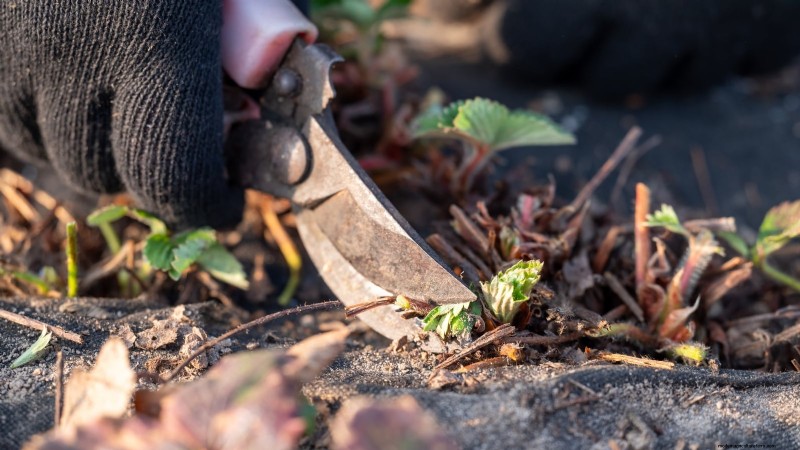
June‑bearing plants respond well to a post‑harvest renovation. After harvesting all fruit, wait roughly two weeks before trimming.
Remove every old leaf and spent stem, preserving the crowns—the partially buried growth points that produce new shoots. If the patch is large, a lawn mower on a high setting can clear leaves quickly; for smaller areas, use pruners or hedge clippers. Clear all debris to reduce rot and pest risk.
Following the cut, water thoroughly and apply a balanced fertilizer to promote fresh leaf and runner development.
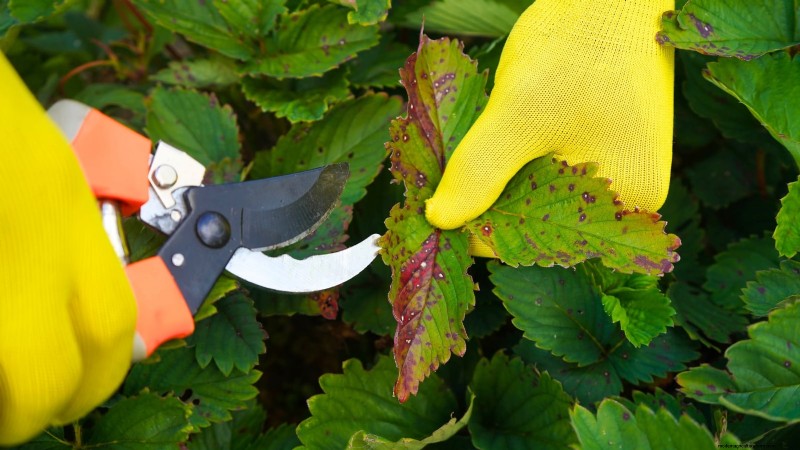
Everbearing varieties need their foliage intact throughout summer. Trim only dead or diseased leaves; avoid cutting flowering stems that may still be fruiting.
Provide ample water, mulch to retain moisture, and apply fertilizer as needed to support continuous growth.
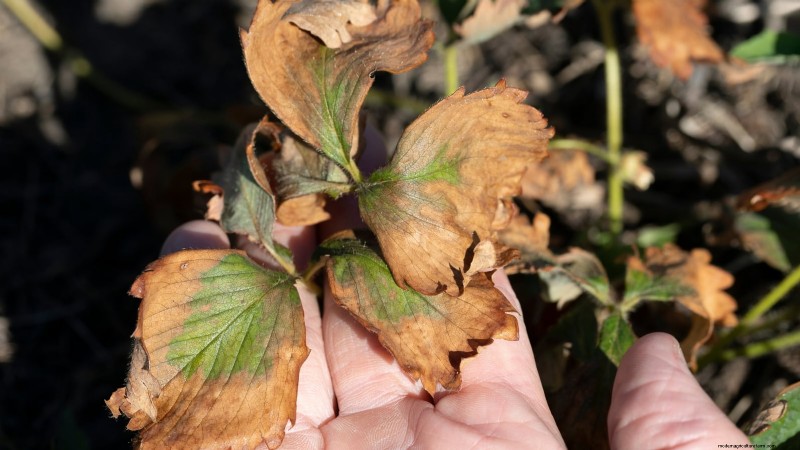
Day‑neutral plants also require gentle care. Harvest ripe fruit, then snip off any dead, dying, or diseased leaves. Limit removal to no more than one‑third of the total foliage to preserve photosynthetic capacity.
Regular fertilization or compost addition will supply the nutrients necessary for their extended fruiting season.
Ongoing maintenance—consistent watering, fertilizing, and pruning—ensures a healthy patch beyond the renovation period.
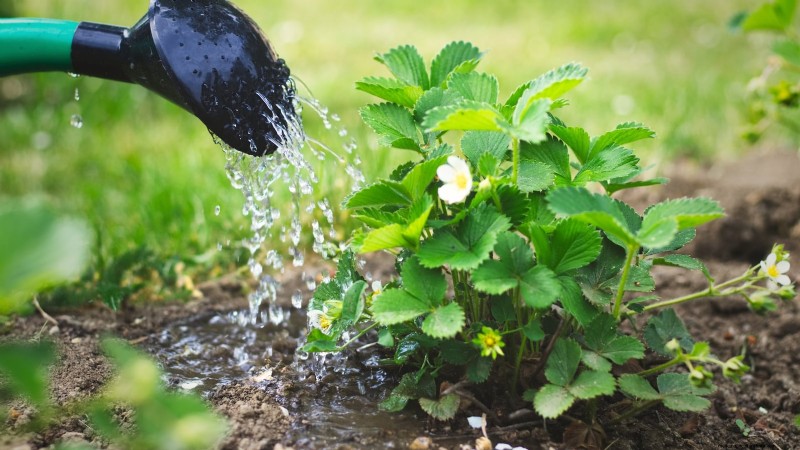
Strawberries need a moist, well‑drained soil. Keep the ground damp but avoid waterlogging. Loamy soil with a pH of 5.6–6.5 is ideal.
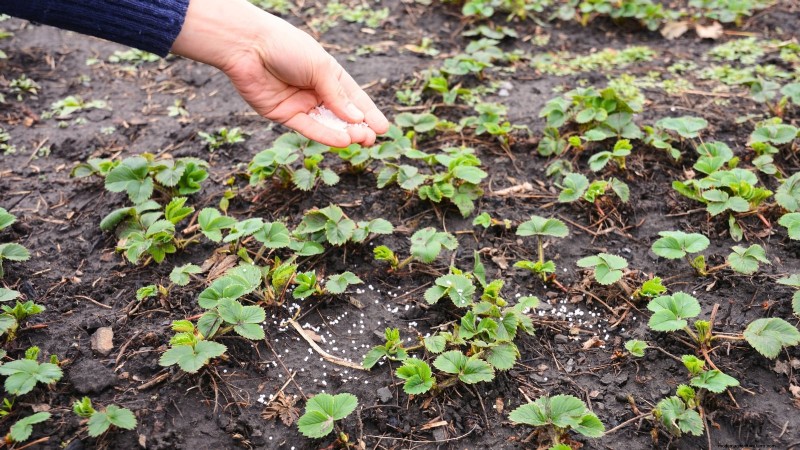
Nitrogen fuels leaf growth, while phosphorus and potassium support roots, flowers, and fruit. Compost is an excellent organic fertilizer—apply 1–2 inches of compost and water in. Liquid or granular fertilizers can be used when quick nutrient replenishment is needed.
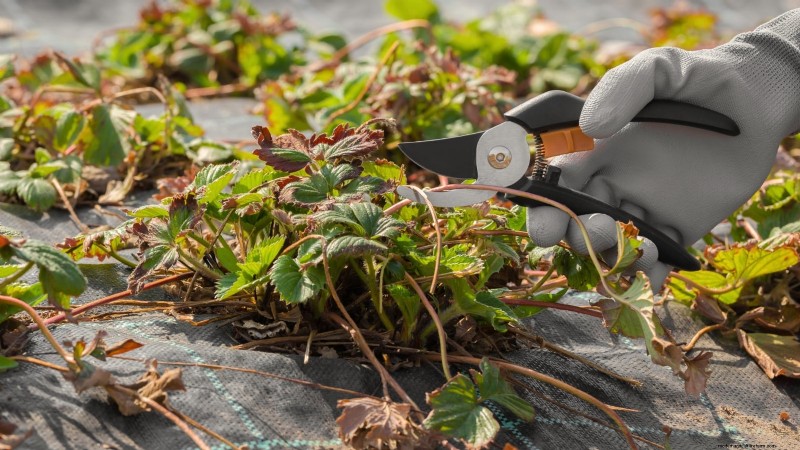
Remove any leaves with spots or fungal marks promptly to prevent disease spread. Clear rotting fruit, spent stems, and unwanted runners that clutter walkways.
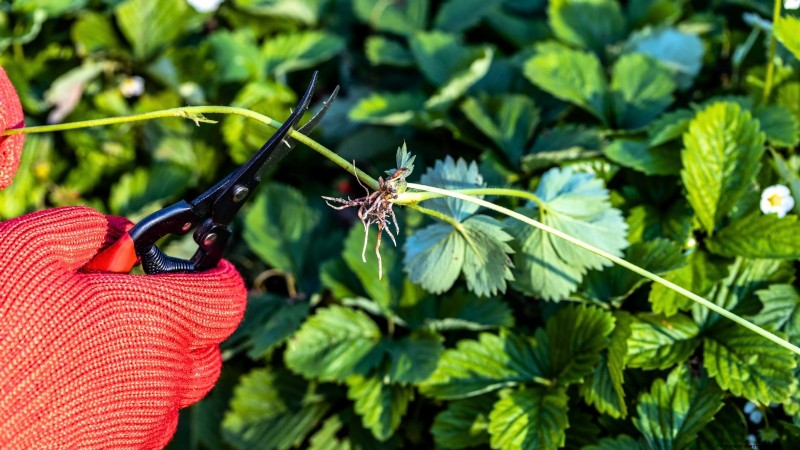
Runners are a natural propagation tool. In spacious gardens, use the matted row system to let runners fill the area; in smaller spaces, harvest runners, plant them in pots or raised beds, and later separate the new plants.
Flowers may fade when temperatures become too extreme. High heat can kill opened blossoms, but new ones will appear next season.
A lack of water is the most common cause of a dying strawberry patch. Ensure consistent moisture, especially during heat waves.
Reviving a struggling patch hinges on steady watering, adequate fertilization, and timely pruning. For June‑bearing plants, a post‑harvest mow can jumpstart recovery.


