Welcome to Modern Agriculture!

Peppers make the perfect potted plants. They are colorful and eye‑catching enough to serve as an ornamental highlight while delivering a punch of flavor to your favorite dishes. I’m proud of my own pepper plants, which I display in matching, showy pots along the front porch.
Growing peppers in containers gives you the flexibility to keep them a step or two away from the kitchen—or wherever they can receive the heat and light they need for a bountiful harvest.
Container growing is an ideal solution for patios, balconies, or limited spaces. You can even bring the pots indoors to extend the season. Ready to grow your own? Let’s dig in!
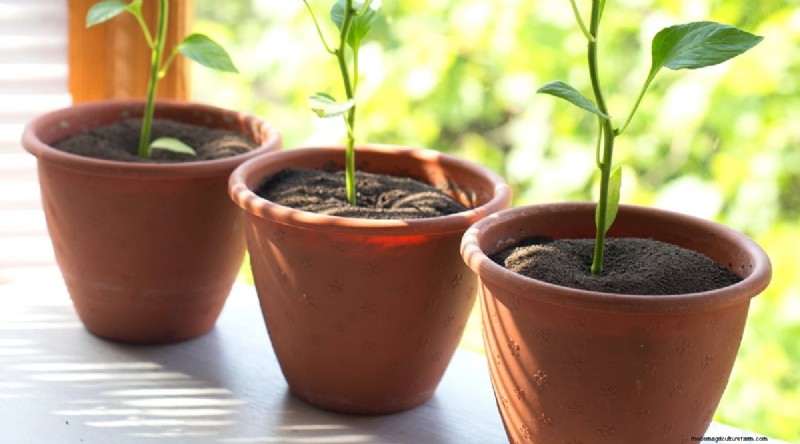
Pick a pot that is at least 12 inches (30 cm) in diameter and 10 inches (25 cm) deep. A 5‑gallon (19 L) pot is optimal for a single pepper plant, but a smaller 3‑gallon pot can work for seedlings. Peppers need room to expand their shallow roots and benefit from good drainage.
Key considerations:
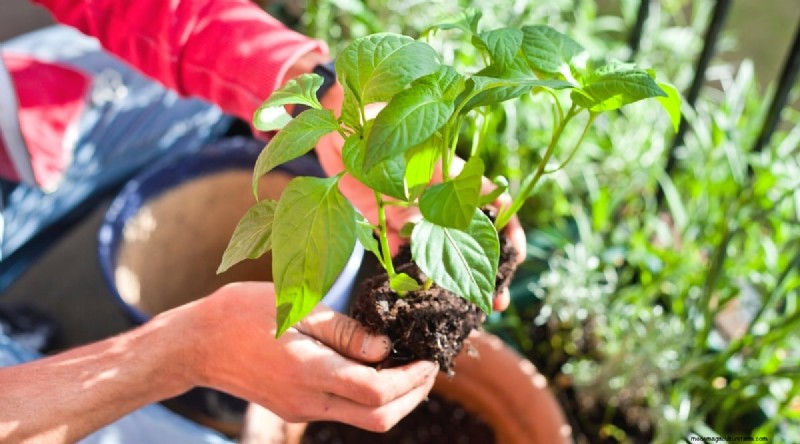
Peppers thrive in warmth and plenty of sunshine. Most gardeners start seeds indoors 8–10 weeks before the last expected frost. In USDA zones 9–11, direct sowing in spring is also viable.
When seedlings reach a few inches tall and have at least two true leaves, they can be transplanted or up‑potted. Wait until temperatures consistently hit 65 °F (18 °C) or higher. Ideal growing temperatures for Capsicum species are 70–80 °F (21–27 °C). Early exposure to temperatures below 50 °F (10 °C) can stunt growth, while sustained heat above 90 °F (32 °C) may cause stress—shade during hot spells if necessary.
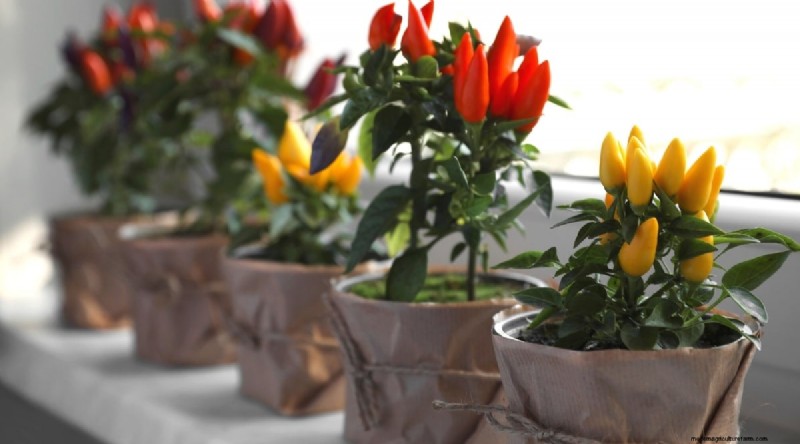
Position your containers where they receive 6–8 hours of direct sunlight daily. A south‑facing wall can provide extra warmth in cooler climates. The flexibility of containers allows you to rotate pots for optimal light or move them indoors when temperatures become extreme.
Monitor for sunscald: yellow or scorched leaves signal the need for shade. Conversely, leggy growth and minimal fruiting suggest insufficient light. Keep sweet and hot varieties separate to avoid cross‑pollination when harvesting seeds.
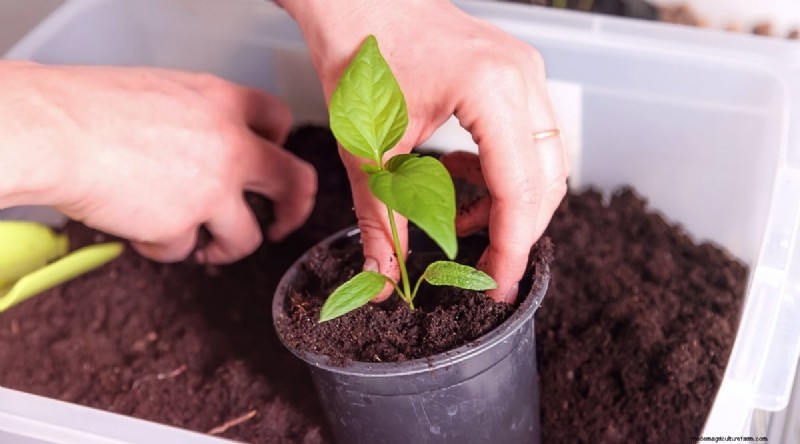
Fill the pot with a high‑quality loamy potting mix that includes perlite or vermiculite for drainage. If the mix feels too heavy, mix in horticultural sand. Layer a few inches of compost to boost nutrients. After planting, top off the soil with a light mulch layer—leaving a gap around the stem—to retain moisture and moderate temperature swings.
Peppers come in a spectrum of colors, heat levels, and sizes. Below are a few popular container‑friendly varieties:
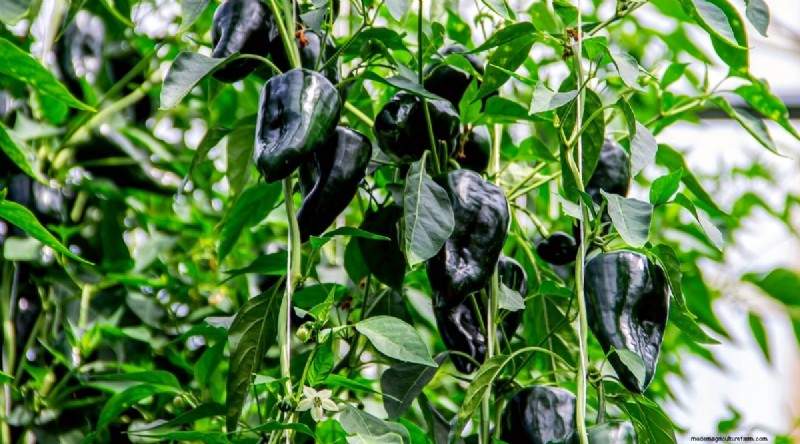
These Mexican‑style peppers are prized for chile rellenos. They grow to 3–4 inches (7–10 cm) long, are harvested green for a mild flavor, or left to ripen red for more heat. Maturation takes 70–90 days.
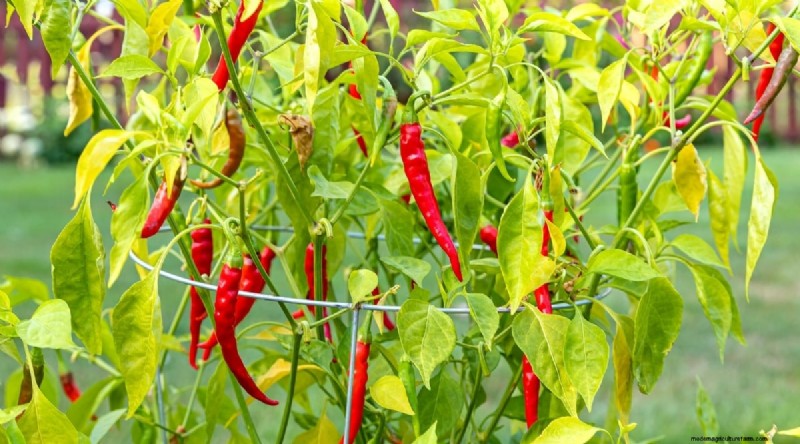
Cayennes are long, bright red fruits ideal for drying or pickling. They add a clean heat to dishes and can be harvested when fully mature.
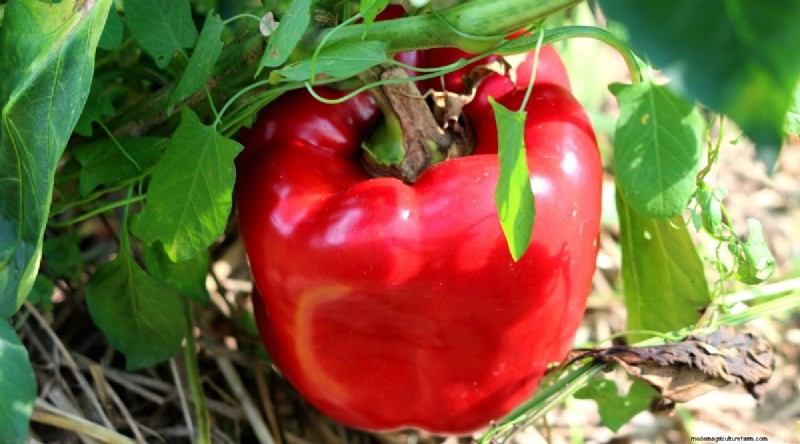
These sweet bell peppers are popular with children. They reach 3.5–4 inches (9–10 cm) and offer a crisp, sweet flavor. They mature around 70 days after transplanting and perform well even in short seasons.
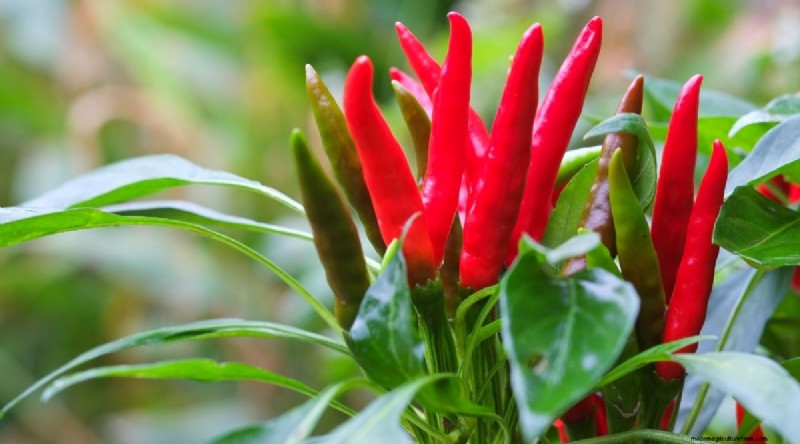
Santakas combine ornamental beauty with heat—40–50 kS (thousand Scoville units). Originating in Japan, they produce tear‑drop fruits that turn bright red when ripe.
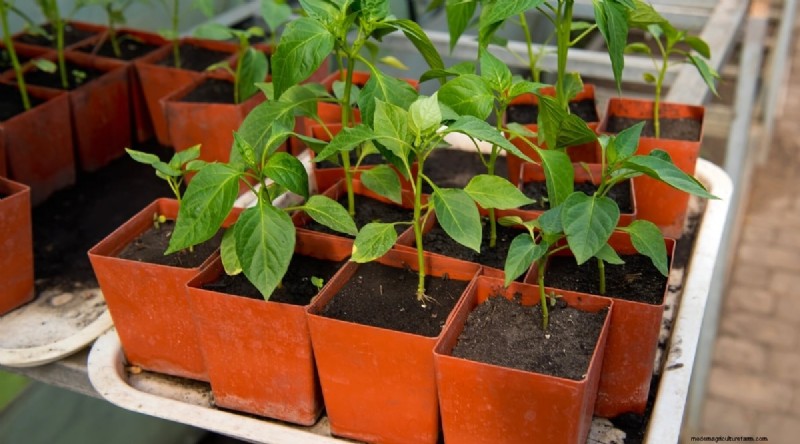
Starting from seed is rewarding but time‑intensive. Sow indoors 8–10 weeks before the last frost, or sow outdoors in warm soils (≥70 °F). Plant seeds ¼ inch (6 mm) deep, spacing them 6 inches (15 cm) apart. Germination takes 10–25 days; a heat mat speeds the process.
Thin seedlings to the strongest plant every 12 inches (30 cm) to give each a healthy start. When the plant has two true leaves and temperatures are ≥70 °F, transplant it outdoors. Use one 5‑gallon pot per plant or space plants 2–3 ft (60–90 cm) apart in raised beds.
Nursery plants are a convenient alternative for short seasons. Look for a sturdy, bushy plant at least 12 inches (30 cm) tall, free of flowers, so the plant can focus on root development. Harden off seedlings by exposing them to outdoor conditions gradually before planting.
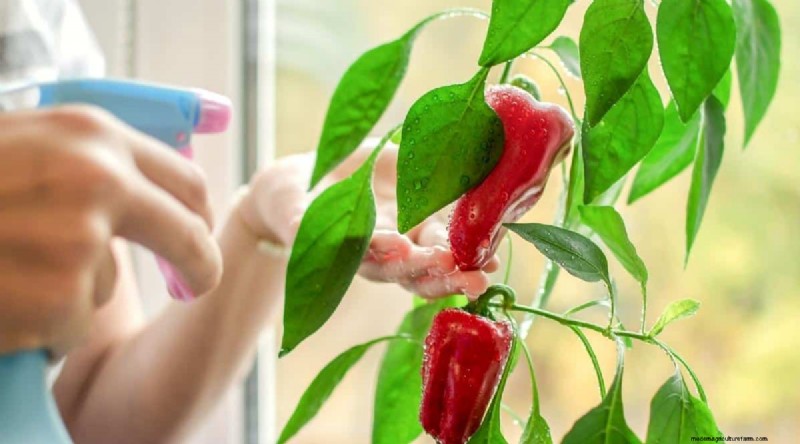
Peppers have shallow root systems and require regular moisture. Aim for 1–2 inches (2.5–5 cm) of water per week, adjusting for weather and container size. Keep the top 2 inches moist but avoid waterlogging, which can trigger blossom end rot.
Signs of thirst include curled leaves and slowed growth. To revive a thirsty plant, submerge the pot in a shallow tray of water so roots absorb moisture from below. If the plant is wilted from excess water, allow the top 2 inches to dry, ensure drainage holes are clear, and consider repotting.
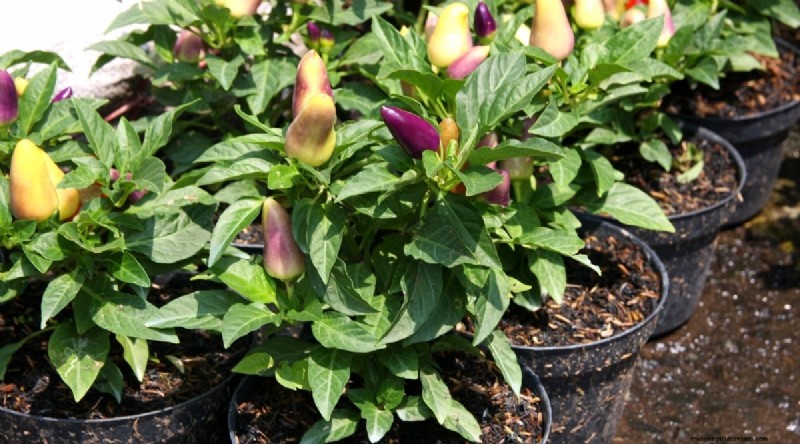
Incorporate a balanced, organic fertilizer (e.g., 10–10–10) at planting and repeat every two weeks or when the plant begins to flower. Low‑nitrogen formulations favor fruit set over leafy growth.
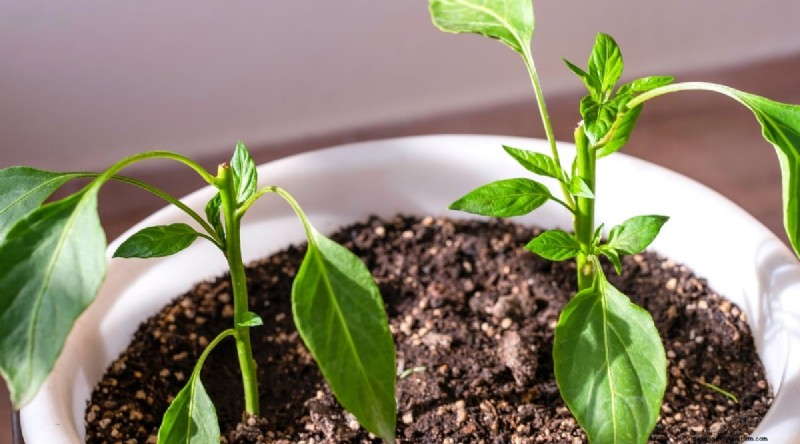
Topping—removing the terminal bud—encourages side shoots and can increase yield. However, pruning may delay fruiting, so it’s best reserved for growers with a longer season. Regardless of pruning, staking is essential; pepper stems are fragile. Use a soft fabric tie or tomato cage to support heavy fruit.
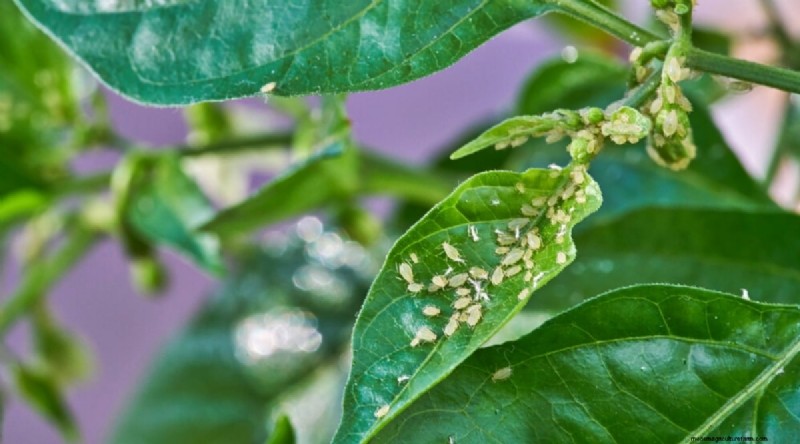
Aphids suck sap, causing leaf distortion. A direct hose spray can dislodge them. For persistent infestations, consider a systemic insecticide or neem oil.
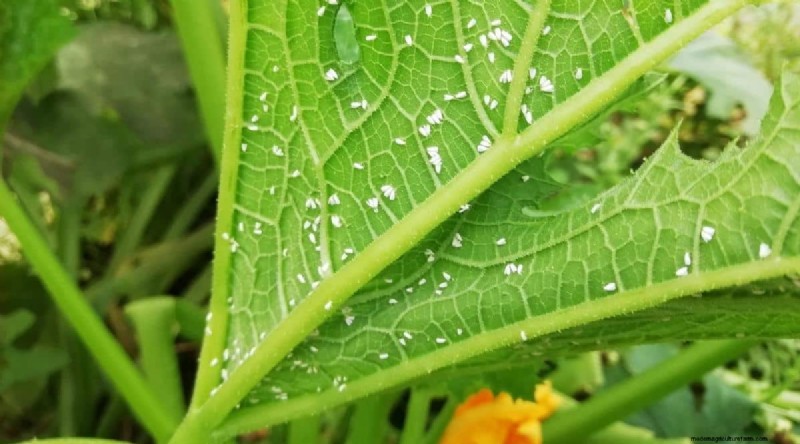
Whiteflies congregate on leaf undersides, leading to wilting and yellowing. Spray with soapy water or use yellow sticky traps to reduce numbers.
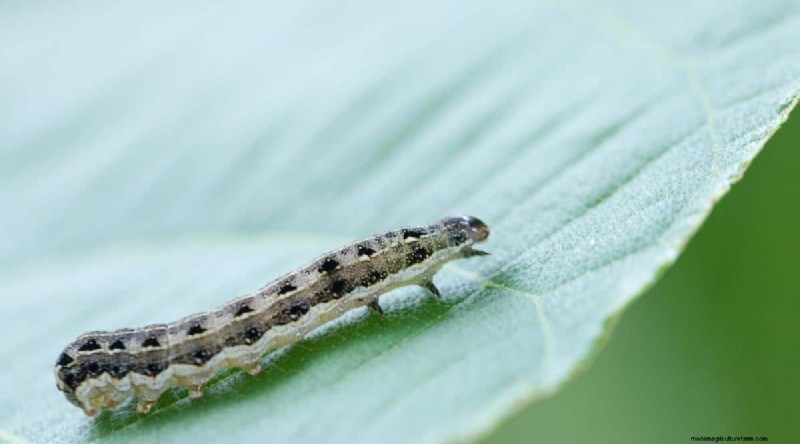
Cutworm larvae chew on leaves and stems. Manually remove them or use a soapy water solution to kill the larvae.
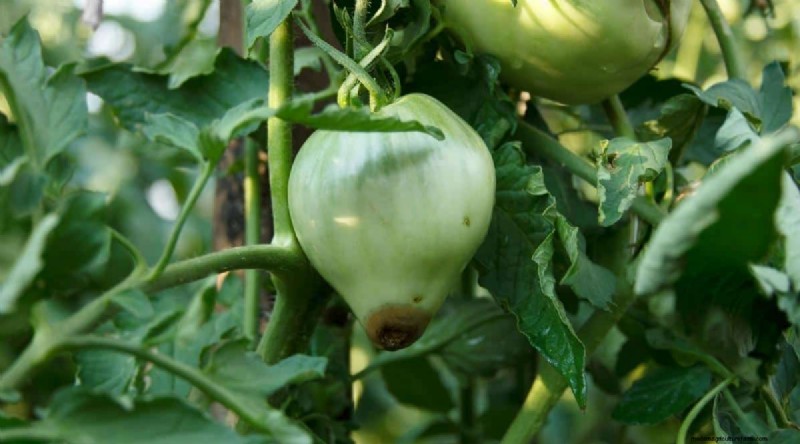
Inconsistent watering prevents calcium uptake, resulting in a soft, brown spot at the fruit’s blossom end. Maintain a steady watering routine to prevent this issue.
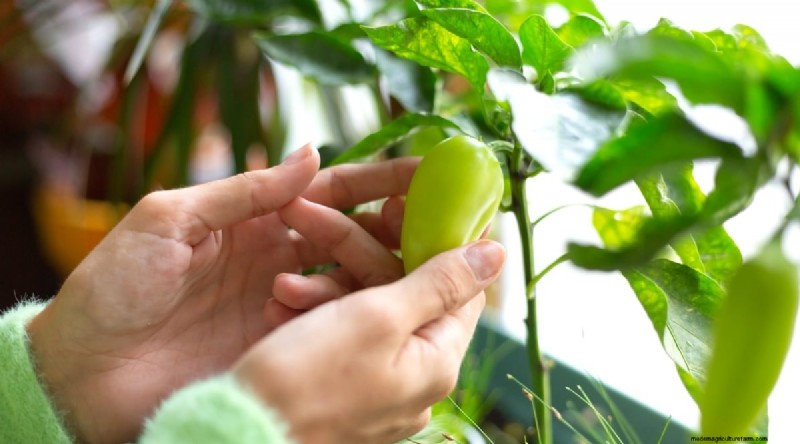
Harvest peppers once they reach the desired size and color. Green peppers offer a milder flavor; fully ripe peppers—red, yellow, purple, or brown—provide sweeter or hotter tastes depending on the variety. Sweet peppers typically ripen in 70–90 days; hot varieties may take 150 days or more.
Use clean scissors or sharp shears to cut the pepper, leaving a short stem attached. Sanitize tools between plants to prevent disease spread. Wash hands after handling hot peppers to avoid irritation from capsaicin.
Regular harvesting encourages the plant to set more fruit. In cooler climates, bring containers indoors to continue harvesting during winter.
Peppers thrive in small gardens thanks to their shallow roots and compact size. Provide good drainage, ample sun, consistent moisture, and support for stems. Watch for pests, prune when needed, and harvest often for the best flavor.
Beyond their culinary value, pepper plants add vibrant color to any patio or balcony. Experiment with heat levels and flavors to keep your garden exciting. Enjoy the process—and the bounty!
Remember: peppers love heat, sun, and freely draining soil. Snip often, or enjoy the aroma from fresh, ripe fruit.