
Welcome to Modern Agriculture!

The summer sun is rising, the garden beckons, and space is often at a premium. When you’re juggling seeds and plants, knowing which species thrive together can maximize yield and minimize trouble. Tomatoes and carrots—two beloved staples—are a classic example of successful companion planting.
Tomatoes and carrots are compatible companions. Their growth cycles overlap enough for mutual benefit: tomatoes shade carrots from heat, while carrot roots aerate the soil for tomato vines.
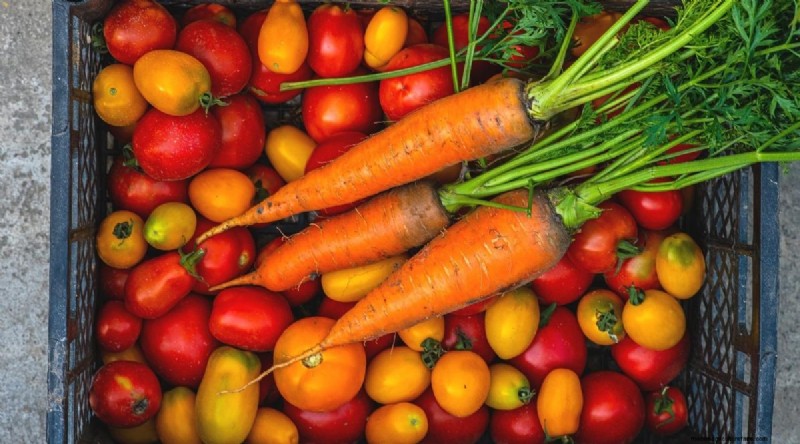
Companion planting relies on complementary traits. Tomatoes, a warm‑season annual, can shade cool‑season carrots during the hottest months, reducing leaf scorch. In return, carrot roots create micro‑channels that improve soil structure, allowing tomato roots to spread more freely. Some gardeners even report sweeter tomatoes when grown next to carrots.
Beyond physical benefits, tomatoes release certain allelopathic compounds that deter pests such as carrot weevils and wireworms. Likewise, carrots can help suppress tomato‑specific pests like hornworms and flea beetles. While they do not share the same disease spectrum, their presence can reduce overall pest pressure.
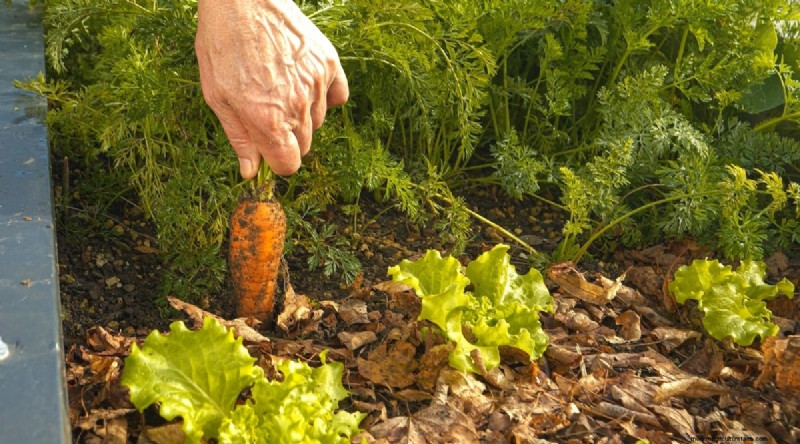
Both tomatoes and carrots enjoy a wide array of companion partners. Below is a concise reference list.
| Tomato Companion Plants | Carrot Companion Plants |
|---|---|
| Basil, Chives, Borage, Coriander | Leeks, Celery, Lettuce, Onion, Rosemary, Parsley, Sage, Spinach |
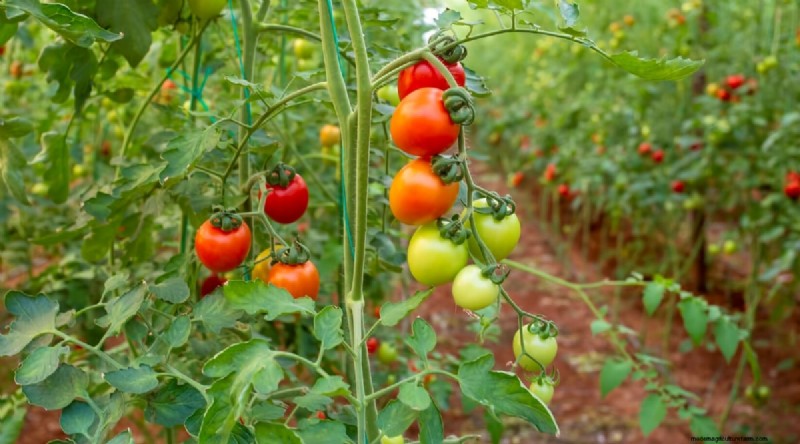
Tomatoes are versatile, ranging from compact dwarf types perfect for containers to sprawling indeterminate varieties that yield fruit all season. They come in colors from red to yellow, orange, green, and even multicolored stripes. Starting from seed is economical and gives the widest variety; otherwise, young transplants purchased in spring are a convenient alternative.
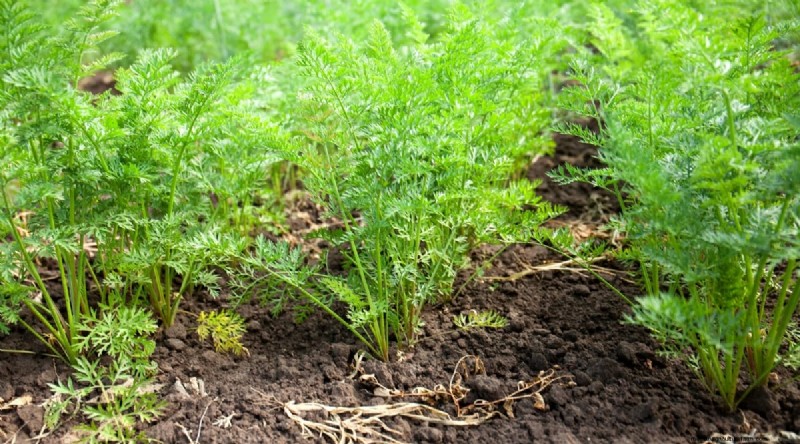
Carrots are a cool‑season crop best started directly from seed in the garden. They require a consistent moisture regime for 1–2 weeks of germination, after which patience pays off with sweet, crisp roots. A diversity of colors and shapes—round, skinny, or heirloom varieties—adds visual interest to the bed.
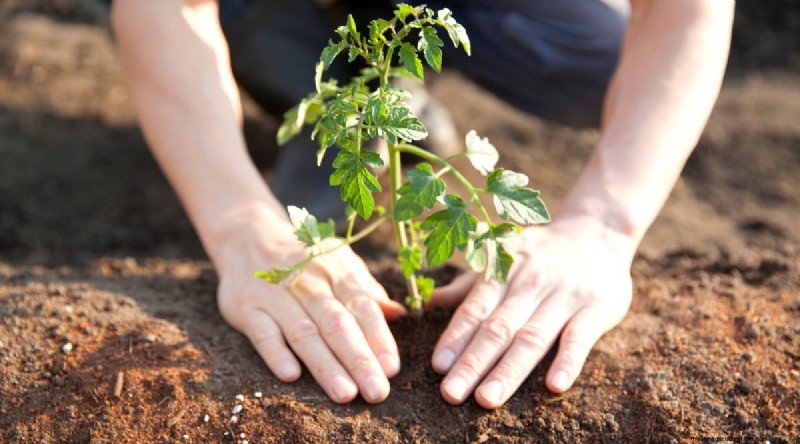
Optimizing the overlap of their growing periods is key. Tomatoes, sensitive to cold, should be transplanted outdoors after the last frost. Carrots, however, should be sown directly as soon as the soil can be worked—early spring or late summer for a fall crop. In a spring carrot run, plant carrots first, spacing tomatoes 12–18 inches apart. For a fall carrot crop, seed carrots into the active tomato canopy and keep the soil moist under the heat of tomato growth.
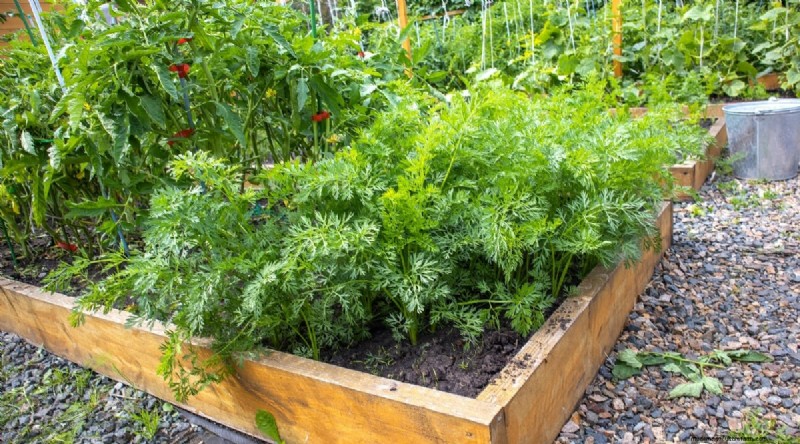
Raised beds, traditional rows, or large containers are all suitable. A raised bed offers excellent drainage and easy soil preparation, making it ideal for both crops. If container gardening, use a pot wide enough to accommodate both plants—preferably 20–24 inches deep for carrots and 18–24 inches for tomatoes.
Although tomatoes and carrots share many needs, their ideal temperature ranges differ. Below is a side‑by‑side comparison.
| Feature | Tomatoes | Carrots |
|---|---|---|
| Light | Full sun, 6–8 hrs/day | Full sun, 6–8 hrs/day |
| Water | Regular, consistent moisture | Regular, consistent moisture |
| Temperature | 65–85 °F (18–29 °C) | 60–75 °F (15–24 °C) |
| Soil | Rich, moist, well‑drained; pH 6.2–6.8 | Rich, moist, well‑drained; 12‑inch depth; pH 6.0–7.0 |
| Nutrients | Add compost at planting; fertilize 5–6 weeks after fruit set | Low‑nitrogen fertilizer 5–6 weeks after sowing |
| Mulch | Light mulch to retain moisture | Light mulch to keep even moisture |
| Space | 1–3 ft between plants | 2–3 in between carrots; 12 in from tomato row |
| Support | Cage or stake | None needed |
| Season | Spring planting; harvest summer; die at frost | Spring or summer sowing; harvest 55–100 days after seed |
| Harvest | Ripen individually 50–80 days after planting | Top visible and full size; pull whole root |
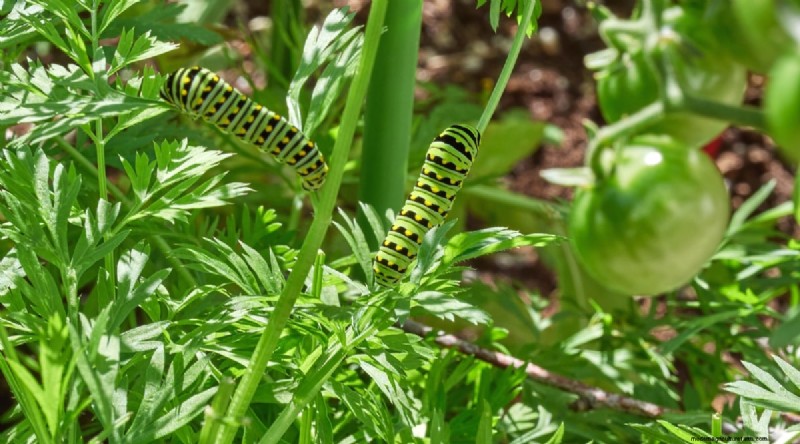
Carrots and tomatoes rarely share pests, which can be an advantage. Still, vigilance is essential. Common tomato threats include hornworms, flea beetles, cutworms, blossom end rot, and blight. Typical carrot issues are weevils, wireworms, nematodes, caterpillars, and blight. Integrated pest management—crop rotation, row covers, and companion plants—keeps these problems at bay.
In short, tomatoes and carrots can coexist successfully. By aligning planting times, maintaining proper spacing, and monitoring for pests, you’ll enjoy a double harvest: juicy tomatoes throughout summer and crisp carrots in early summer or fall. Your garden will thrive, and your confidence in companion planting will grow.


