Welcome to Modern Agriculture!

With summer on the horizon, May is the perfect window for planting frost‑sensitive crops. Southern growers should focus on heat‑tolerant varieties, while the North can finally introduce a wider range of warm‑weather vegetables.
Below are the top nine plants to direct‑sow in May—each chosen for its ease of growth, yield potential, and suitability to a variety of zones.
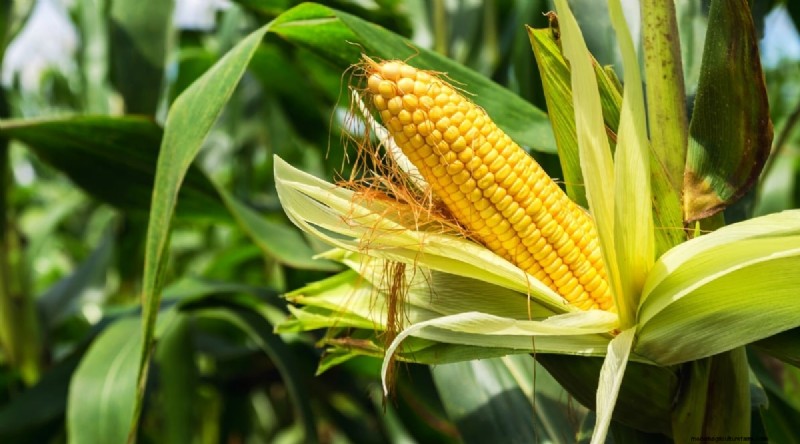
Once the last frost has passed, corn is ready to be sown straight into the soil. This warm‑weather staple thrives when soil temperatures reach 75–90°F.
Corn obliges itself to long daylight hours and a minimum of 65°F soil. It’s a fun family project for kids and can produce sweet ears as early as July. In northern regions, some growers transplant from seed trays two weeks after the last frost, warming the soil with black plastic mulch or fabric.
To keep your raised beds free for other crops, plant corn in a dedicated sunny strip. For a continuous supply, stagger plantings every 12 days and maintain a minimum of 12 days and 25 feet between sweet corn and popcorn varieties to prevent cross‑pollination.
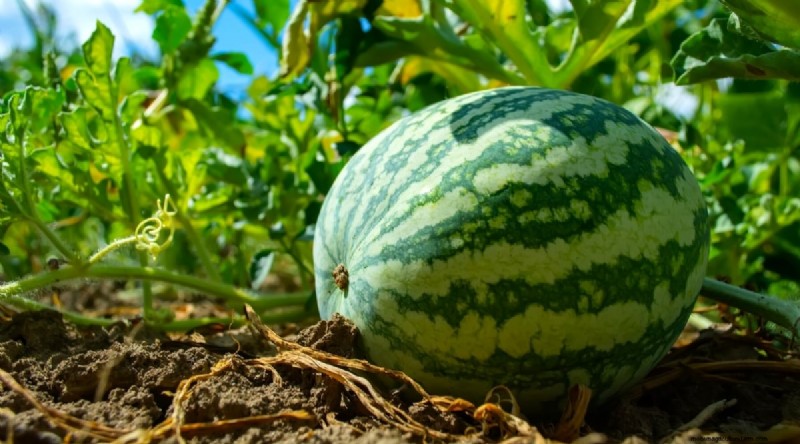
Plant a mini‑fruiting variety in early May for a July harvest. Watermelon requires warm, steady soil and plenty of space for sprawling vines.
Mini varieties like “Sugar Baby” or “Cracker Jack” mature in as little as 70 days, while larger types can take up to 90 days. Watermelons come in red, yellow, pink, or orange flesh, and can be grown from open‑pollinated or heirloom seeds—both edible and non‑GMO. Seedless triploids, while flavorful, cannot be saved for next season.
Direct sow two weeks after the last frost in a warm, frost‑free location. Keep soil moist at all times; a light row cover can protect seedlings from late spring chill.
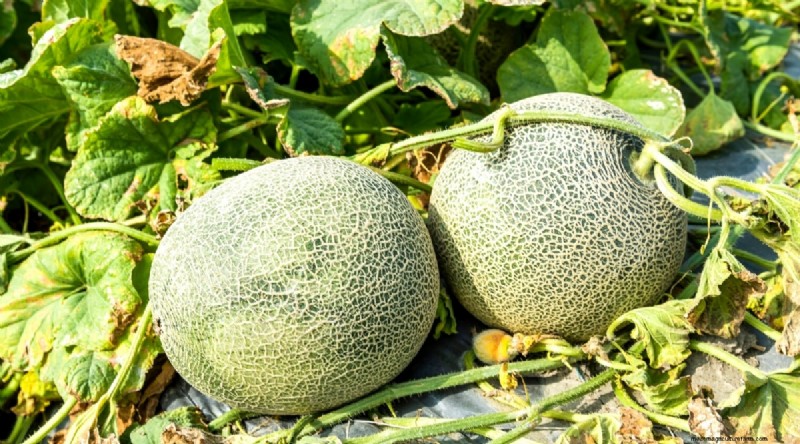
Like watermelon, cantaloupe demands continuous moisture and consistently warm soils.
These “musk melons” deliver superior flavor compared to store‑bought varieties. Plant in late May after the last frost and protect seedlings from cool nights with a low tunnel or row cover. Remove the cover when flowering begins.
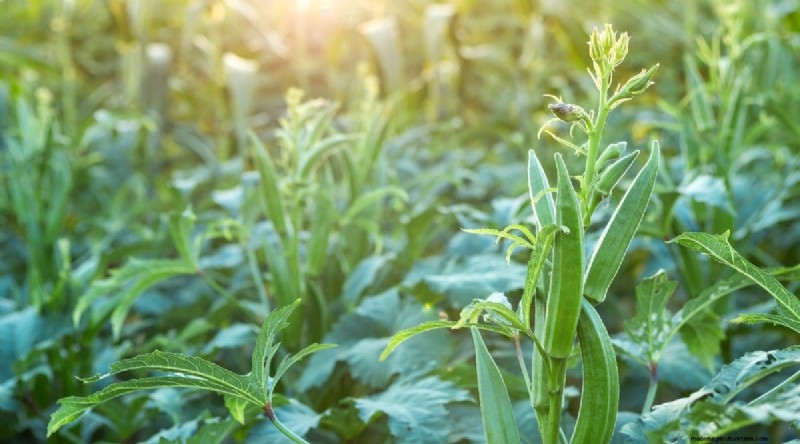
Okra is a southern classic that thrives in hot, dry conditions.
Direct sow 2–3 weeks after the last frost. Okra reaches maturity in 50–60 days. It prefers consistent temperatures above 65°F and can be harmed by nights below 50°F. In cooler areas, start indoors and transplant around the same time as peppers and tomatoes.
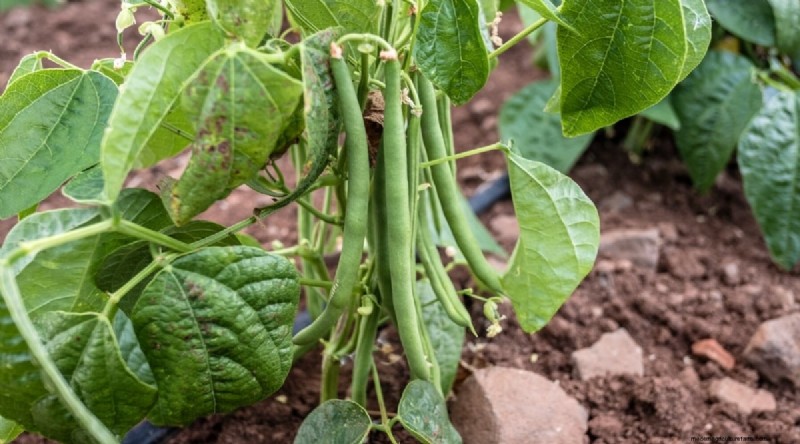
Green beans are the quintessential summer crop—quick to mature and nitrogen‑fixing.
Plant snap beans early in May, then repeat a succession in July or August for a late harvest. Thin seedlings to 4–8” apart if you plan to trellis, placing the trellis on the north side of the bed to avoid shading.
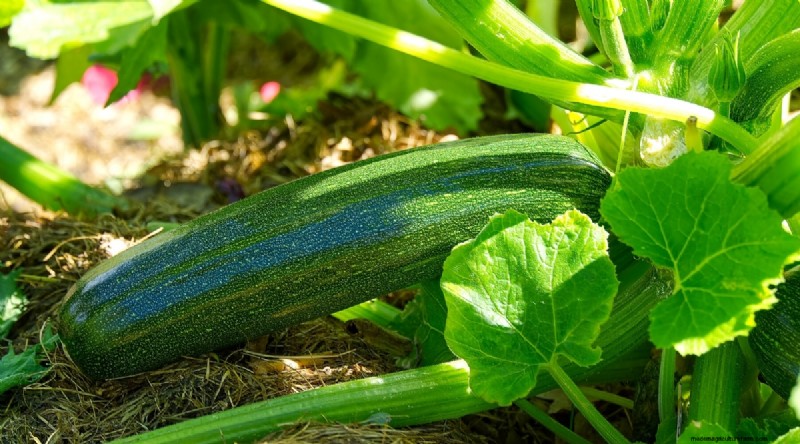
Each zucchini plant can produce up to 10 pounds of squash. It requires warm soils and plenty of room.
Direct sow in mid‑to‑late May for zone 6 and warmer gardeners. In cooler zones, start indoors 1–2 weeks before the last frost and transplant after. Use row covers to shield seedlings from chilly nights until flowering begins.
Attract pollinators by interplanting white alyssum, marigolds, or borage. Early varieties such as “Dunja” or “Green Machine” can be harvested by mid‑June.
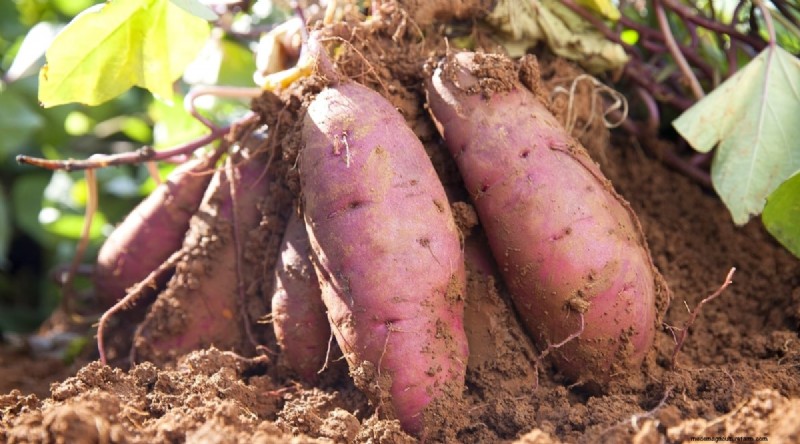
Sweet potatoes are grown from slips rather than seed, so timing is crucial to avoid frost.
Order slips in spring or purchase from a local garden center. If slips appear wilted, rehydrate them in a moist towel or sterile potting mix until planting. Plant in well‑drained, sandy loam, and mound soil around the base as plants grow. Provide ample water during the first two weeks.
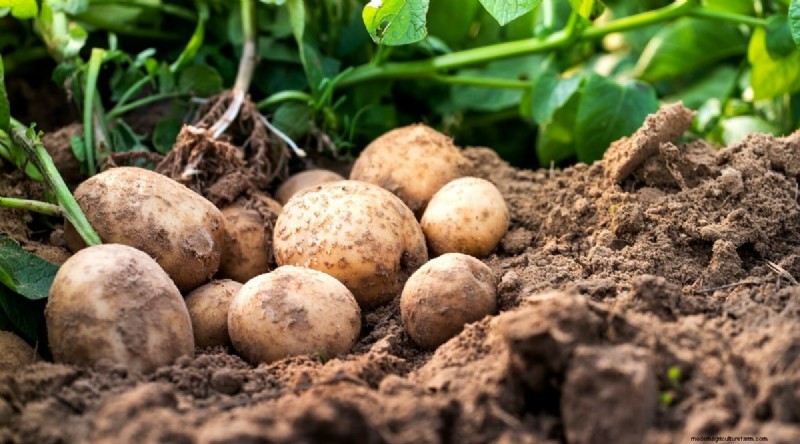
Potatoes tolerate cooler springs and can be planted throughout mid‑spring. May is ideal for northern growers to secure a mid‑season crop.
Choose between early, mid‑season, or long‑season varieties. Early potatoes (60–80 days) yield “new” potatoes with tender skins. Mid‑season types like “Yukon Gold” mature in 80–110 days and store well. Long‑season varieties such as “Russet” take up to 130 days and produce large, storage‑ready tubers.
Seed potatoes are actually small tubers; cut them into pieces with at least one eye each, or plant whole pieces. No cross‑pollination concerns mean you can mix varieties freely.
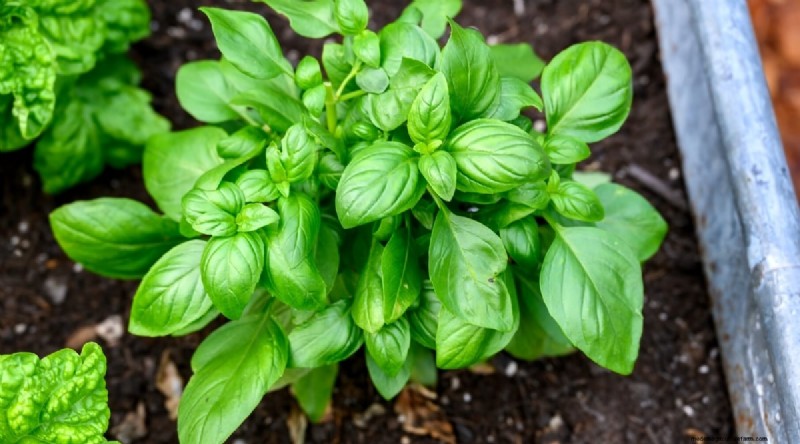
Basil thrives in warm, well‑drained soil and full sun.
Seeds germinate in 5–10 days once soil warms above 60°F. If starting indoors, transplant after the last frost and cover seedlings lightly with row cover. Pinch leaf tips at 8–12” tall to encourage bushy growth and prevent bolting. Keep basil consistently moist; repeated successions every two weeks can mitigate drought stress.
May is a safe window for planting most frost‑tolerant crops directly. In hot climates, steer clear of cold‑sensitive greens like lettuce and peas that may bolt. Maximize companion planting by adding flowers and herbs to bed corners or setting up a classic “Three Sisters” row of corn, beans, and squash.
Happy planting!