
Welcome to Modern Agriculture!

A thriving herb garden is a timeless culinary advantage. Fresh basil—whether harvested from a balcony planter or a kitchen windowsill—can elevate a simple dish into a memorable experience. Basil, a fragrant member of the mint family, thrives when grown from seed or starter plants in well‑drained containers, making it accessible to anyone with limited space.
Basil is prized in Italian, Thai, and many other cuisines for its bright, aromatic leaves. While it can be dried for later use, its peak flavor is achieved when the leaves are fresh and crisp.
With moderate light and watering requirements, basil is one of the easiest herbs to cultivate in containers. The following 15 expert tips will help you keep your pot‑grown basil healthy, productive, and flavorful.
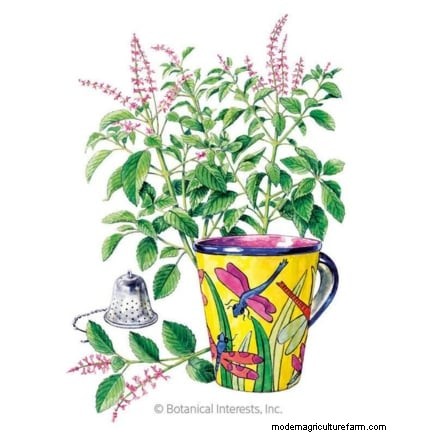
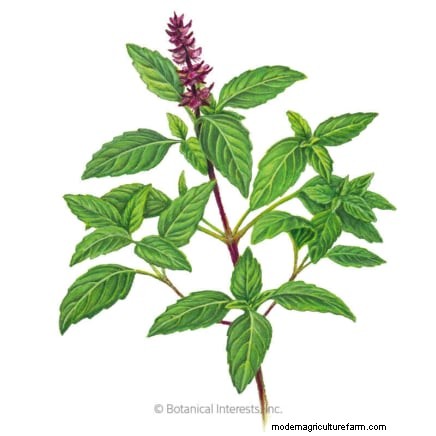
Everleaf Emerald Towers Basil
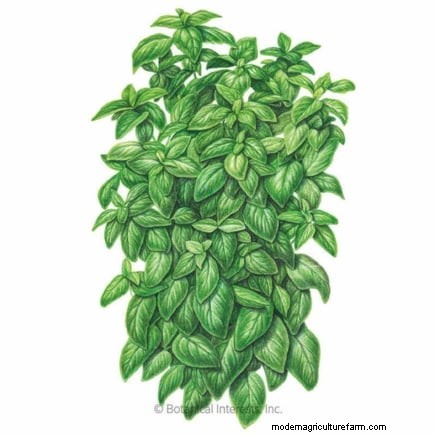
Everleaf Emerald Towers Basil Seeds
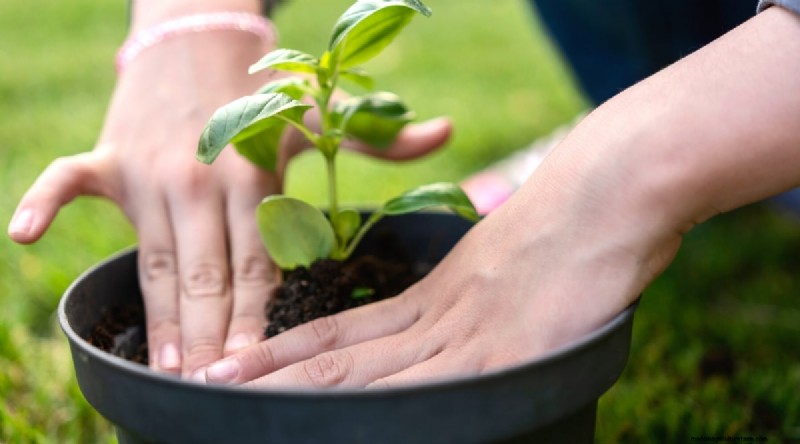
Seedling or starter plants should be introduced between two weeks after the last frost and mid‑May. Direct sowing can begin in March, provided late frosts are unlikely. Indoors, keep the germination chamber between 75‑85°F (24‑29°C) for optimal results. Once seedlings develop their first true leaves and measure a few inches tall, transplant them into the chosen container.
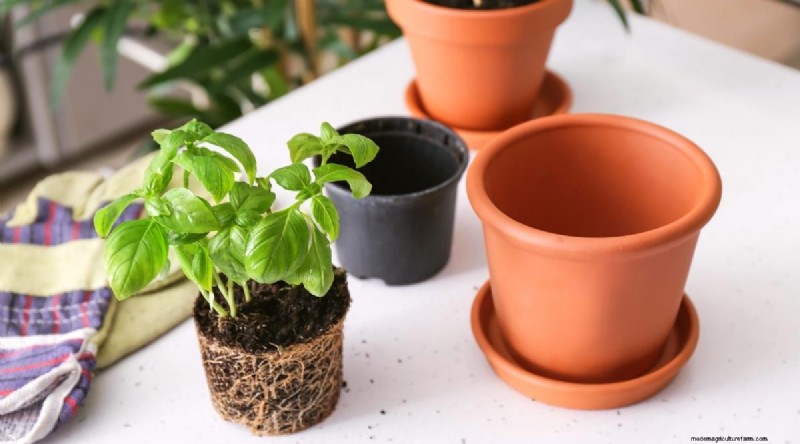
Container selection is critical. Ensure ample drainage and enough room for root expansion. Products such as the Epic Lined Grow Bags or GreenStalk Tiered Vertical Planters provide excellent moisture control and easy spacing for multiple plants. If you have limited floor area, vertical towers keep the footprint small while offering sufficient depth.
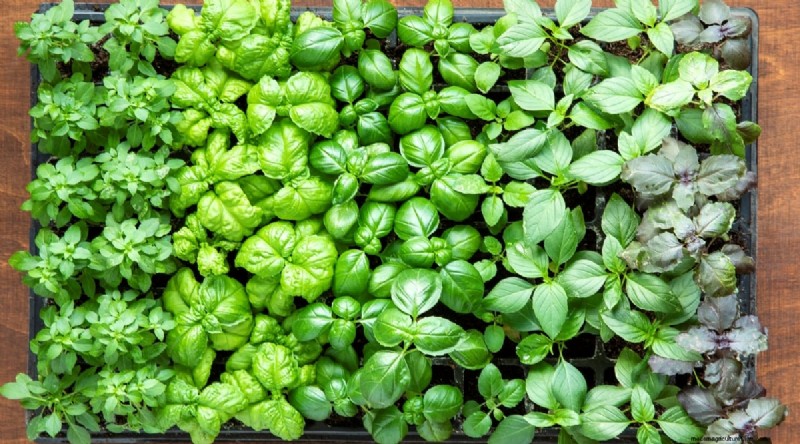
While basil comprises roughly 100 species, culinary must‑haves are cultivars of Ocimum basilicum—notably Genovese, Dark Opal, and Boxwood. Each offers unique flavor profiles: Genovese delivers a robust anise‑like aroma, Dark Opal adds a striking purple hue and subtle spice, and Boxwood offers a compact, aromatic experience perfect for tight spaces.
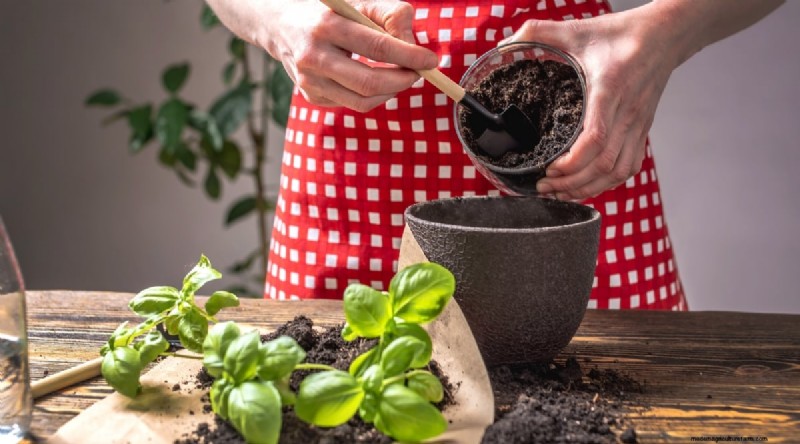
Opt for a loamy potting mix enriched with organic matter. Commercial herb blends that contain compost, sphagnum moss, and a low‑grade silica sand provide excellent aeration. Adding mycorrhizal inoculants or a splash of coarse sand to homemade mixes improves root health and prevents compaction.
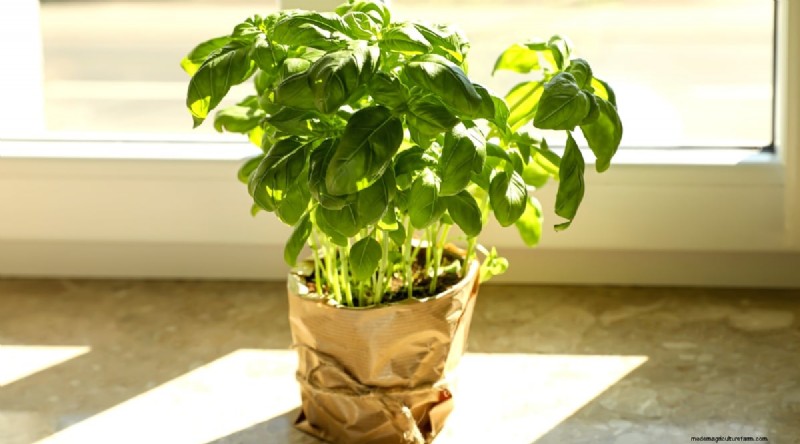
Basil requires 6‑8 hours of direct sunlight daily. Morning sun is ideal, as it offers warmth without the intensity of afternoon heat. In hot climates, a brief afternoon shade helps avoid leaf scorch—dry, brown patches that signal excess heat or insufficient moisture.
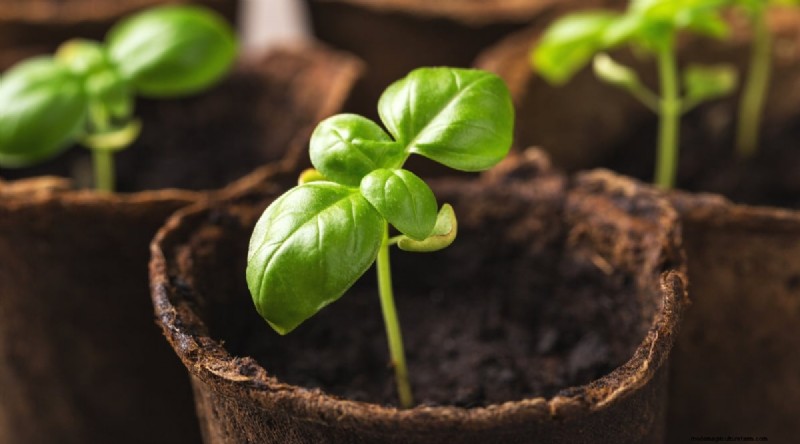
Direct sowing outdoors is safe after the last frost, typically mid‑April. For earlier starts, raise beds or containers can warm the soil sooner, allowing an early push. If you’re using starter plants, transplant them two weeks after the last frost to prevent cold damage.
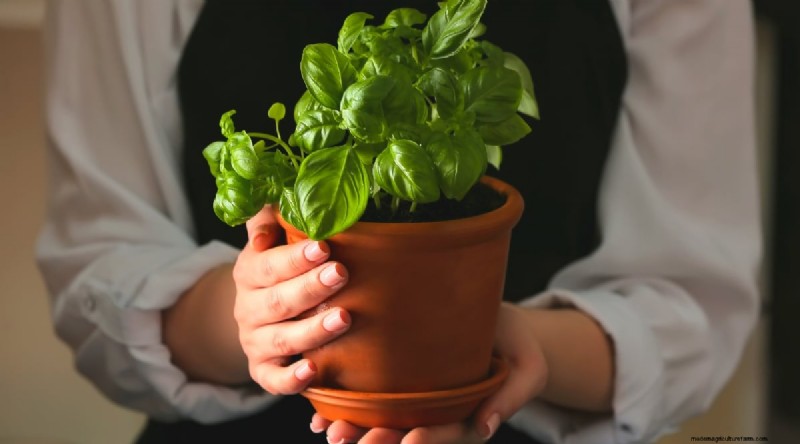
Basil begins to struggle below 40°F (4°C). During unexpected freezes, move containers to a sheltered spot or bring them indoors. For ground‑based plants, a thick mulch layer insulates roots, and a temporary cover shields foliage from night‑time lows.
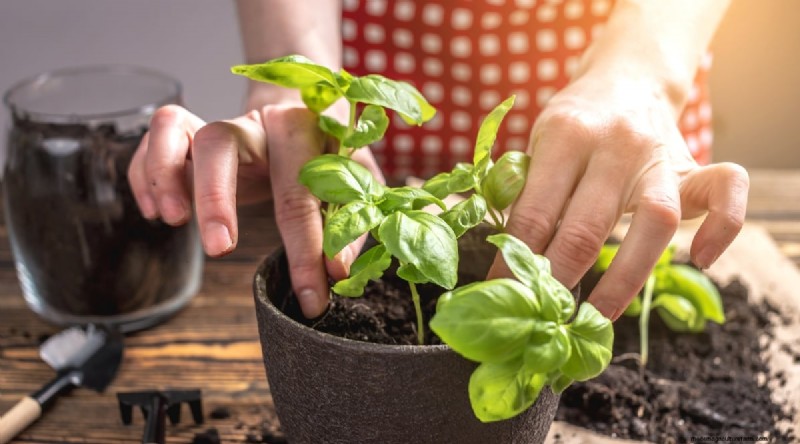
Use pots at least 8 inches deep to accommodate root growth. Space plants 12‑16 inches apart in a shared container, or use a vertical tower to give each plant dedicated room without crowding.
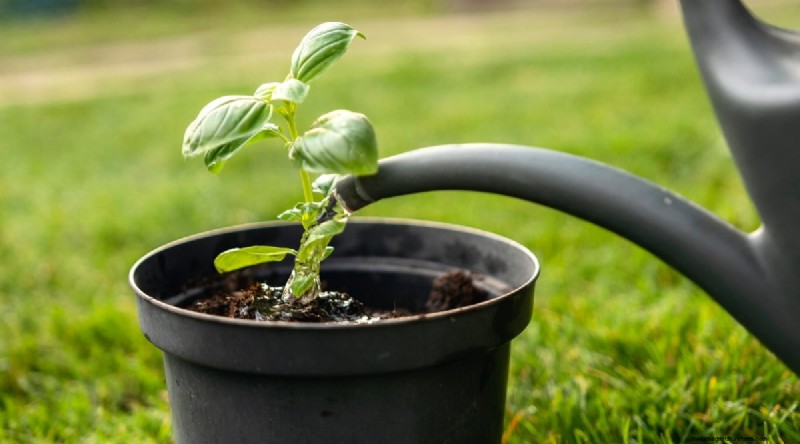
Container soil dries faster than garden beds; aim for consistent moisture. Water deeply every other day in summer, and check for dry, papery leaves as a sign of deficit. While basil can recover from occasional neglect, regular watering maintains leaf vigor and flavor.
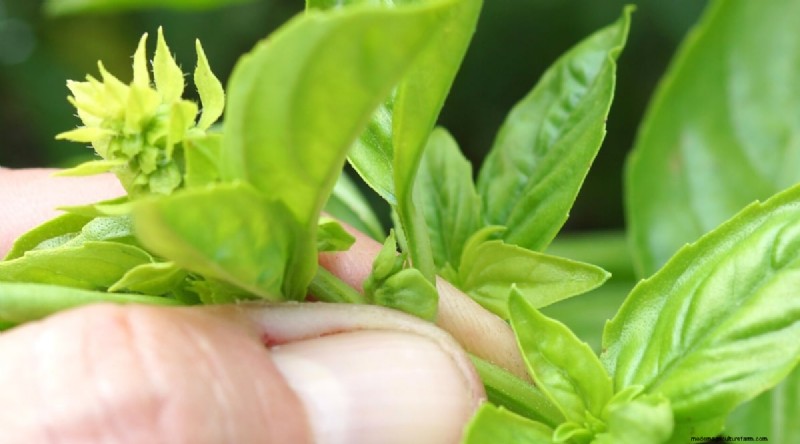
Pinching off the tip of each stem encourages branching and prevents the plant from becoming top‑heavy. Remove just above a leaf pair—no need for scissors; fingers work just fine. Regular pinching also deters flowering, preserving the herb’s optimal taste.
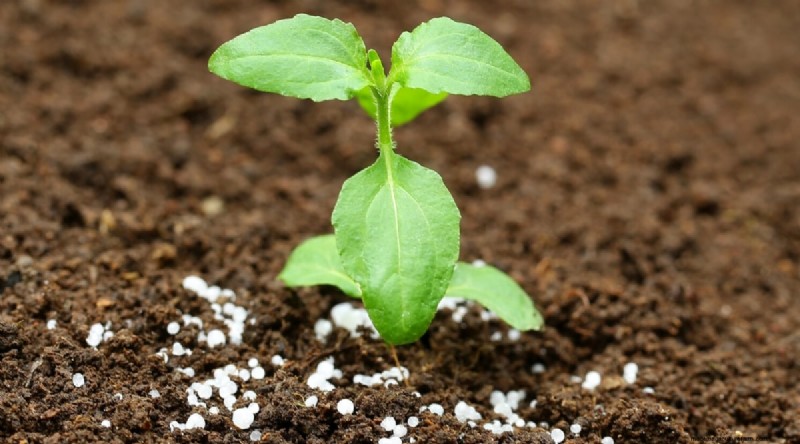
Apply a balanced organic fertilizer (e.g., kelp meal or feather meal) at planting, then add a light dose every 4‑5 weeks. Liquid nitrogen‑rich feeds are suitable if you water frequently, but be cautious of leaching. Over‑fertilizing can lead to lush growth at the expense of flavor.
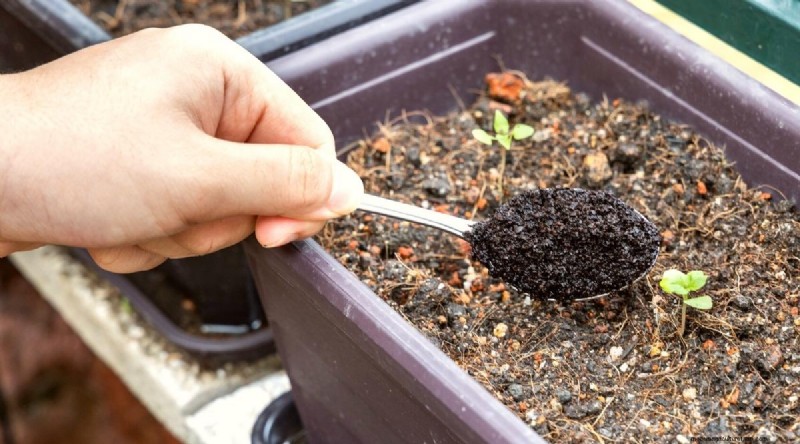
Healthy stems can root in water—change the water daily until 1 inch of roots forms. Transfer the cutting to pre‑moistened potting mix, keeping it slightly moist until new growth appears. This technique expands your garden without buying new plants.
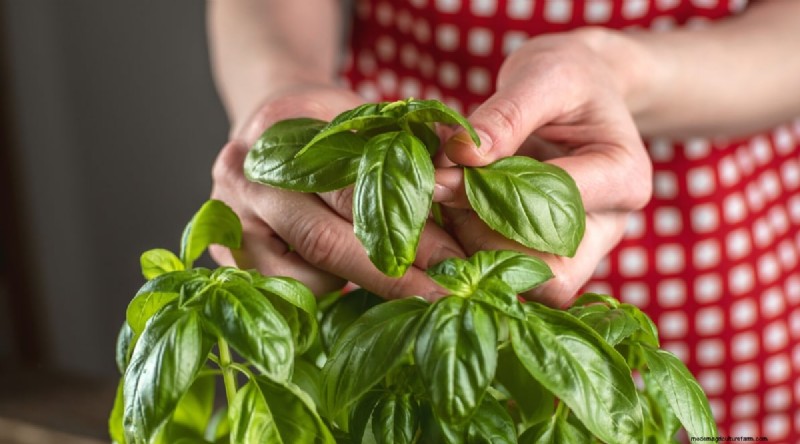
Frequent harvesting—removing the tops—stimulates new growth and keeps leaves from becoming bitter. Avoid letting the plant flower, as that signals the transition to seed production and a decline in leaf quality. For fresh basil, store stems in water like a bouquet; this extends freshness by up to a week.
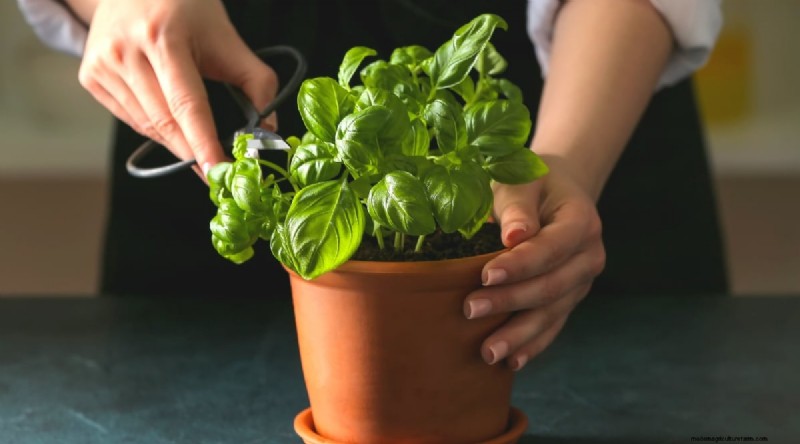
When trimming, leave the stem at least one leaf node above the base. Cutting into woody tissue produces bitter, tough leaves and encourages flowering. If flowers appear, pluck them immediately to preserve flavor.
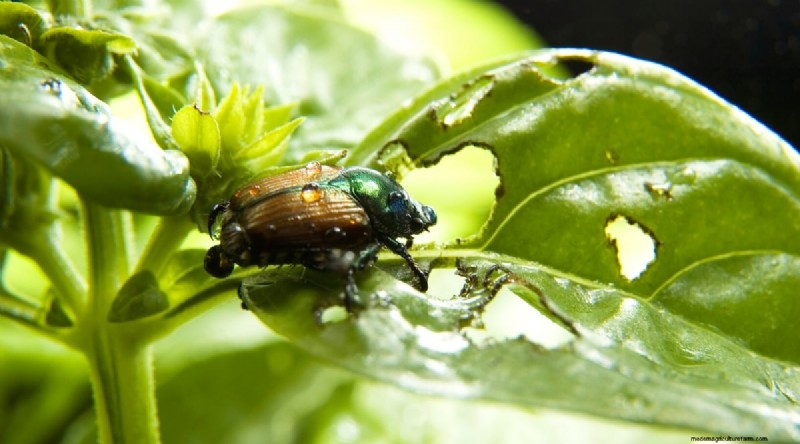
Common threats include slugs, Japanese beetles, and aphids. Aphids can be managed with neem oil—apply in late afternoon to protect pollinators. Japanese beetles require a pyrethrin spray during their active month, while beneficial nematodes help control grubs in the soil. Slugs are deterred by organic bait or a rim of crushed eggshells.


