Welcome to Modern Agriculture!

A gardening goal for some of us is to grow a small orchard full of stone fruits. They stay relatively small, and after becoming established, they’ll provide an abundance of delicious, nutritious fruits for many years to come. However, fruit trees have their fair share of hungry pests that go after them and diseases that can cause serious health issues and reduce yields.
Bacterial canker may seem to come out of nowhere, but if you know what to look for and how to prevent it from infecting your stone fruits, your yields will remain high. Moreover, learning how to manage the disease effectively is crucial.
Let’s discuss the cause and symptoms of bacterial canker, what fruit trees are commonly affected, and how to confidently identify, prevent, and treat it.
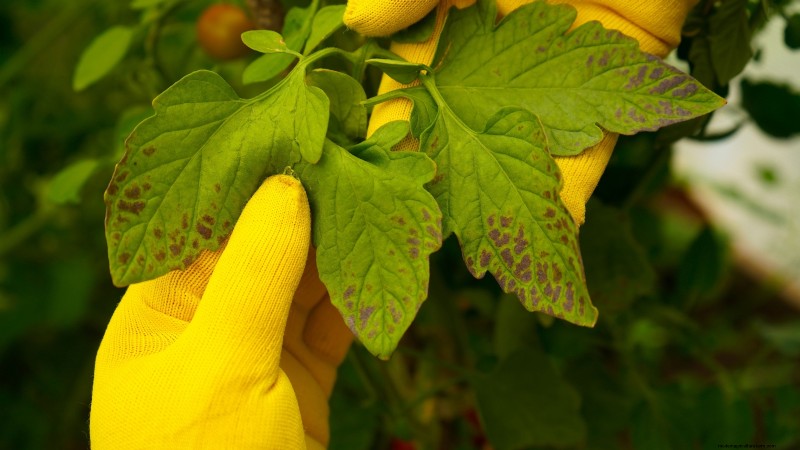 The disease can affect all parts of the tree.
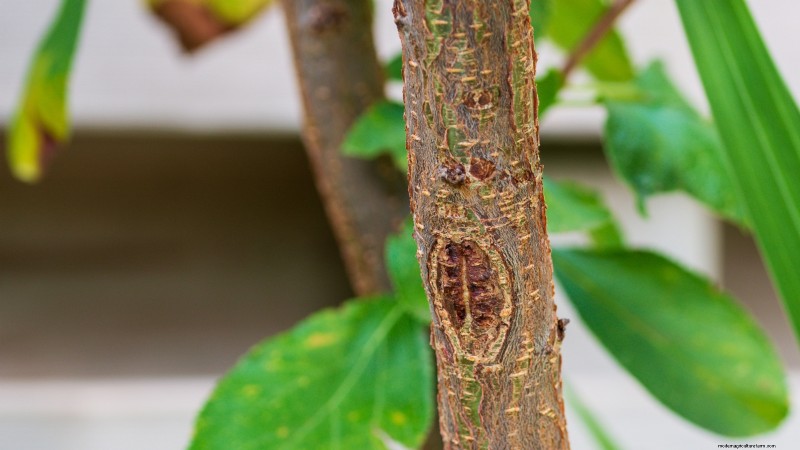
Bacterial canker is a disease that infects stone fruit trees, causing tiny holes, black lesions, and wounds on stems and young branches. Cankers featuring an amber-colored gummy substance and limbs that have died due to girdling caused by the cankers may appear in the spring. The disease can affect all parts of the tree.
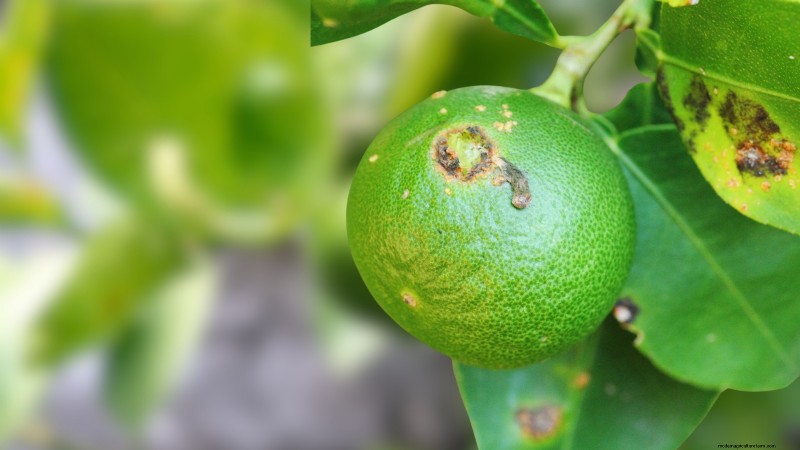 The disease quickly spreads through water droplets, wind, and insects but may also naturally occur in weeds.
The cause of bacterial canker is the bacteria Pseudomonas syringae pv. syringae (Pss) and P. syringae pv. mors-prunorum (Psm). The disease quickly spreads through water droplets, wind, and insects but may also naturally occur in weeds. If left untreated, it can spread to a whole orchard.
 Sweet cherries, plums, and prunes are the most commonly affected.
Stone fruits in the Prunus genus within the Rosaceae family, including almonds, cherries, peaches, nectarines, and plums, are affected by bacterial canker. Sweet cherries, plums, and prunes are the most commonly affected. Young specimens between two and eight years old are most commonly affected.
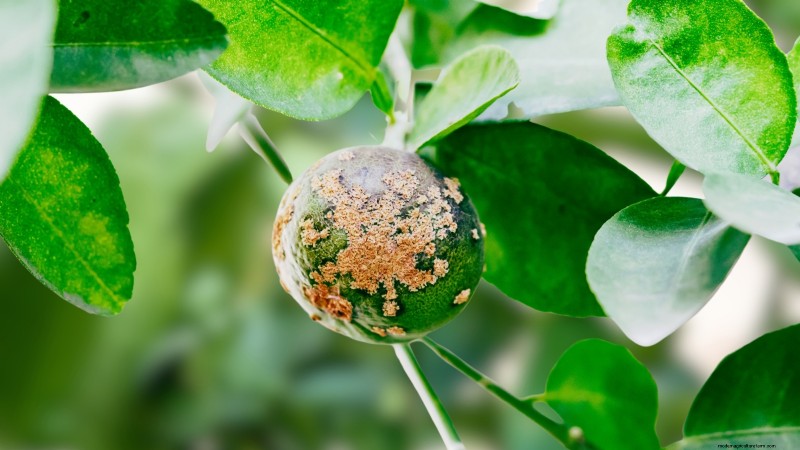 Fruits may develop dark spots that transition from dark green to brown or black.
Physical symptoms include dead, dark, sunken patches in tree bark and tiny holes in leaves, or “shotholes.” Small, circular spots are light brown and may become necrotic. Fruits may develop dark spots that transition from dark green to brown or black.
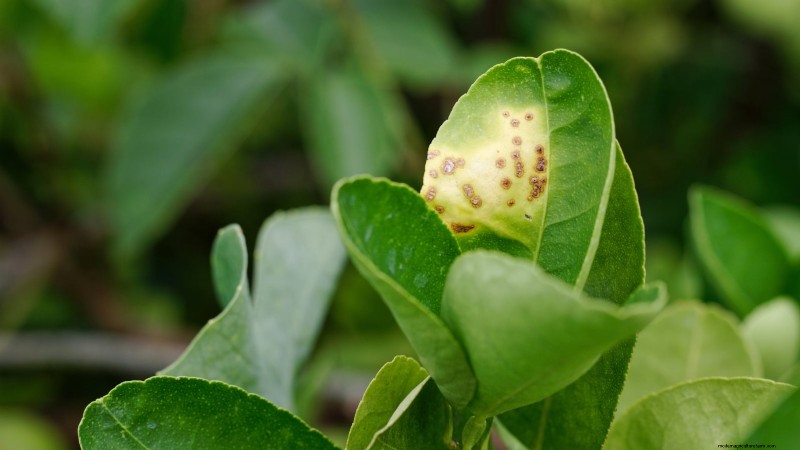 The “shot holes” are caused when infected tissue stops maturing like the rest of the plant.
Epiphytes of the bacteria live on the surface of leaves, entering the leaf pores, or stomates, when wet conditions arise. The “shot holes” are caused when infected tissue stops maturing like the rest of the plant. As the maturing tissue grows, infected tissue dies and turns brown, holes appear, and infection becomes apparent.
When bacteria enter wounds or leaf scars in the fall, cankers form but go dormant for the winter. During wet spring weather, the bacteria spread like wildfire.
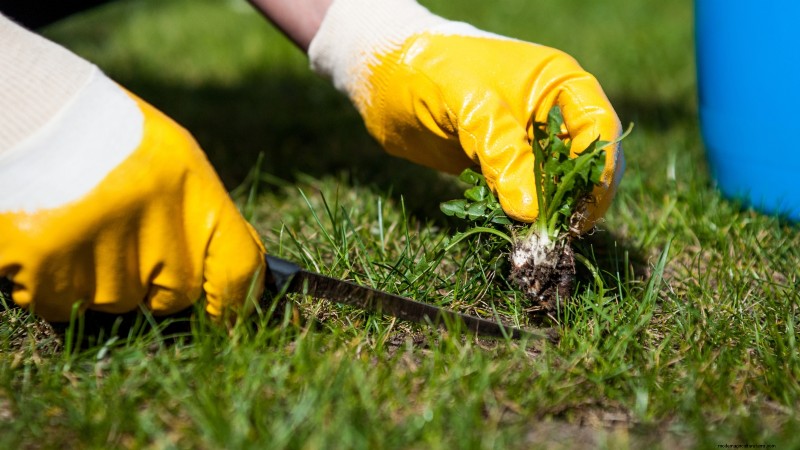 Keep your yard clear of weeds and plants that may have the disease.
Prevention is everything because healthy plants are best at warding off diseases. When disease does arise, it will be slower to develop, and the plant can bounce back quicker. Like other diseases and pests that infect our garden plants, nearby weeds, and bushes can harbor unwanted inhabitants. Keep your yard clear of weeds and plants that may have the disease to avoid infection of your beloved fruit trees.
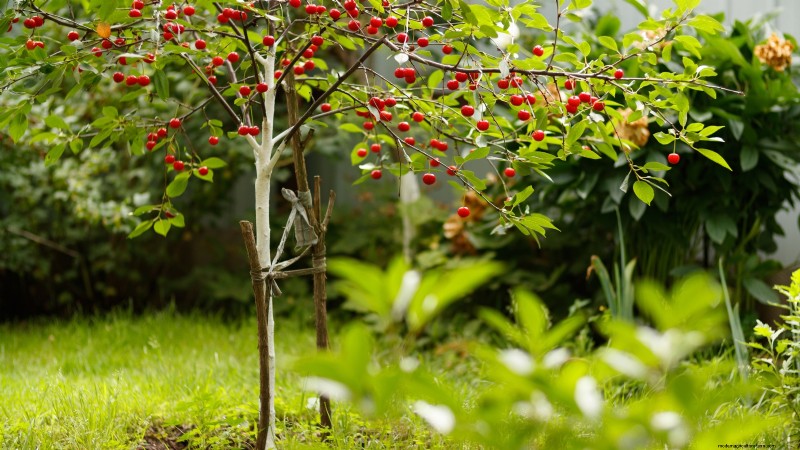 Positioning fruit trees in an area less likely to experience frost or drought will give them a leg up.
Location is the crucial first step to any garden or orchard. Positioning fruit trees in an area less likely to experience frost or drought will give them a leg up. Also, if you add new trees, plant them away from any known infections to prevent spread. Even if you cover wounds and do your best to prevent the spread, it happens quickly.
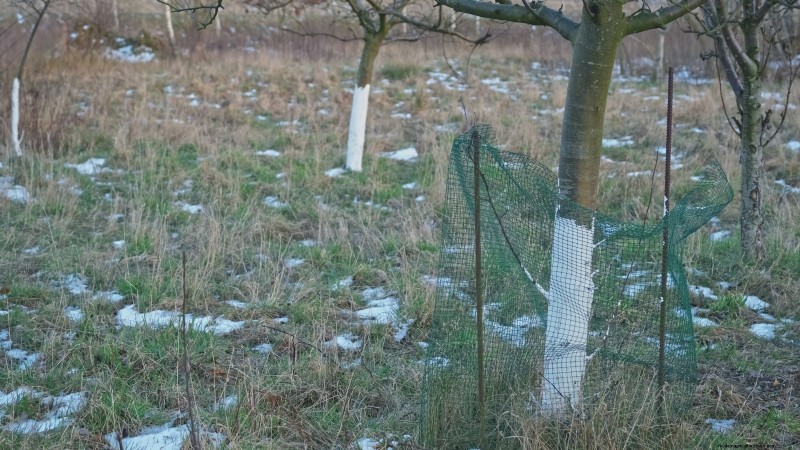 Add a tree guard to protect the trunk from ground-dwelling critters like voles, squirrels, and rabbits.
Seal any injuries from wind, frost, insects, and tools with white latex paint. While some growers used to add copper to the paint, there is no significant evidence that this has a positive effect. Add a tree guard to protect the trunk from ground-dwelling critters like voles, squirrels, and rabbits.
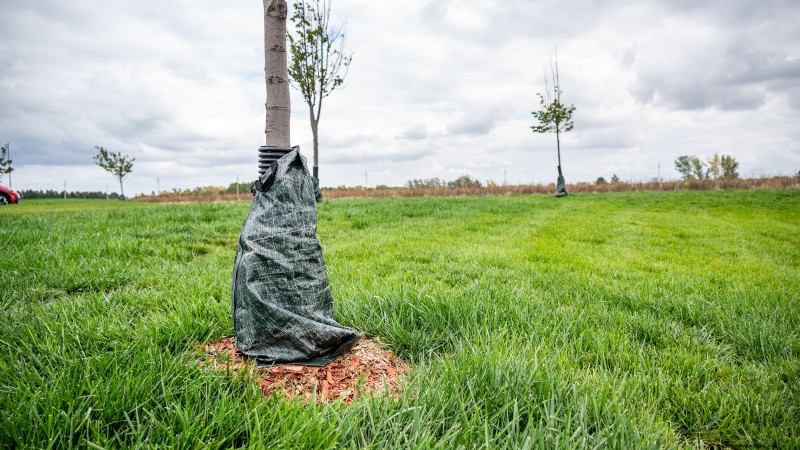 Use a tree wrap on young saplings for extra protection and help minimize the risk of cracking.
Paint any wounds on the tree caused by weather, insects, or tools before winter arrives. Use a tree wrap on young trees for extra protection and help minimize the risk of cracking. Add a fence if hungry deer are causing foliar damage.
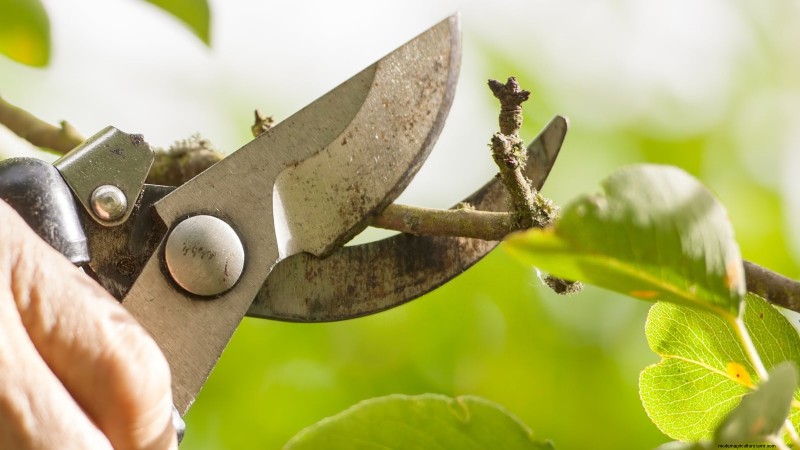 The disease-causing bacteria travel most in cool, wet conditions.
The disease-causing bacteria travel most in cool, wet conditions, so some growers delay prunings, even well after flowering begins into mid-summer.
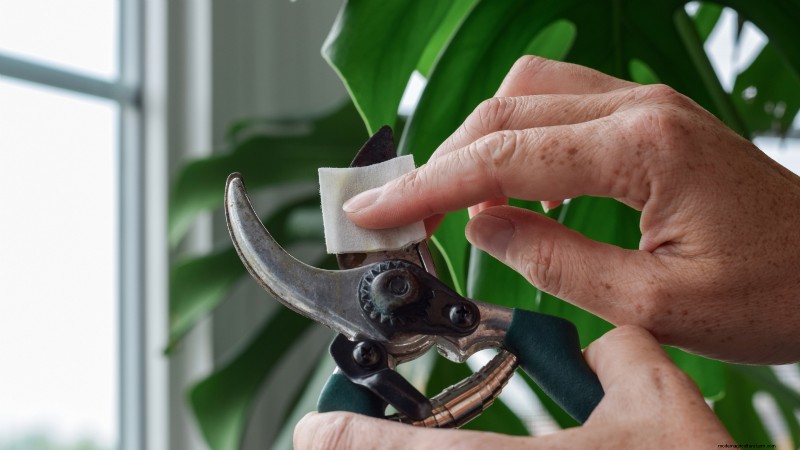 Do this in between pruning different areas of your garden.
Disinfect all tools after completing any pruning task to prevent the possible spread of all diseases. Spray them with 70% rubbing alcohol or a 10% bleach solution, then let it sit for 30+ seconds. Wipe them dry before storing them to prevent rusting. Do this in between pruning different areas of your garden, as well.
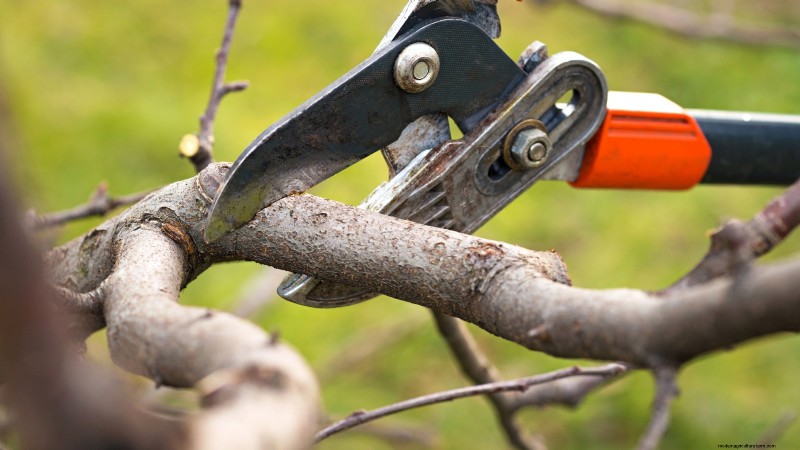 Perform yearly pruning in the late winter when it’s dry, past the coldest part of the winter.
Annual pruning should occur so light can properly penetrate, weakened or diseased limbs are removed, and the tree can receive proper airflow. Perform yearly pruning in the late winter when it’s dry, past the coldest part of the winter.
Keep it minimal but intentional. Excessive pruning may cause delayed fruiting or an overabundance of foliage. Practice the open-center prune method, which gives the trunk and branches a vase shape. It ensures good airflow in the canopy, prevents fungal disease, and keeps the tree at a manageable size for harvesting and maintenance. Check out this great resource compiled by the New York State Horticultural Society on properly pruning small fruit trees to keep them healthy.
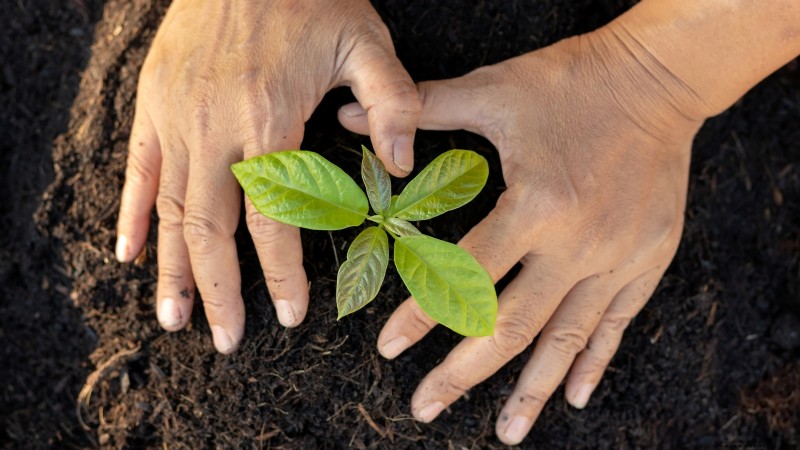 Fruit trees should have access to well-draining soil.
Depending on the type of stonefruit you’re growing, pay close attention to its required soil nutrition needs and pH levels for your best chance at keeping bacterial canker at bay. Late-season nitrogen in excess can cause winter injury, leading to bacterial infection. Fruit trees should have access to well-draining soil.
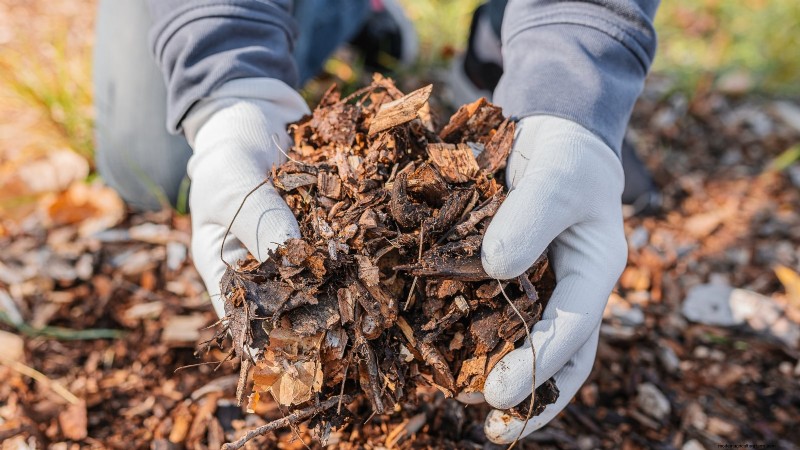 Consider mulching or keeping row spaces free of grass, at least for the first few years of their lives.
Many annual weeds and grasses and cover crops of clover and vetch can serve as host plants for P. syringae. Consider mulching or keeping the space between trees free of grass, at least for the first few years of their lives, when they’re the most vulnerable. Keep a foot diameter around the tree’s base clear from grass and weeds.
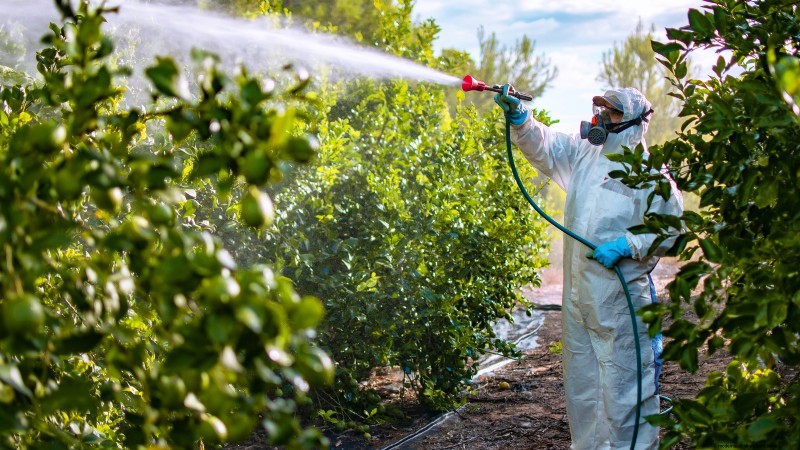 Ring nematodes feed on tree roots, causing stress and increasing susceptibility to the disease.
Promising studies have shown a few years of bacterial canker control when growers fumigate the soil to control nematodes before planting. Ring nematodes feed on tree roots, causing stress and increasing susceptibility to the disease. Soil solarization with a clear tarp may work as an organic option.
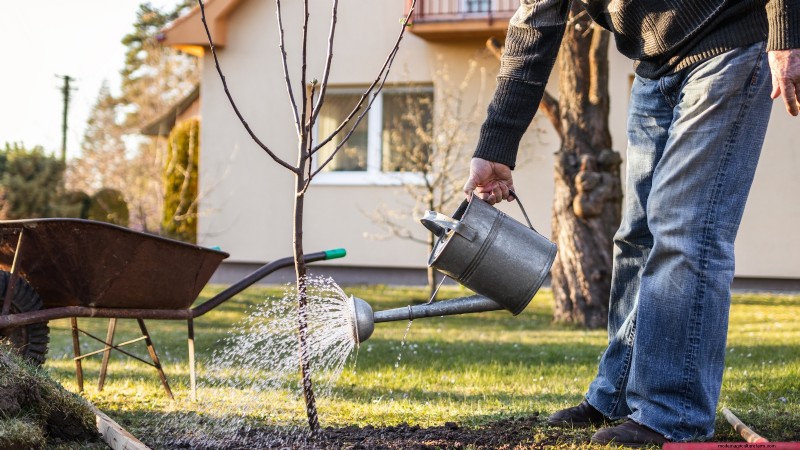 Slow, steady, occasional watering is better because it encourages deep rooting.
Young fruit trees require one to two inches of water weekly, whether from rainfall or irrigation. Avoid overhead watering or wet leaves as much as possible, especially during their first few years. Bacterial canker spreads quickly by traveling through water and wind. Slow, steady, occasional watering is better than shallow watering often as it encourages deep rooting. Deep rooting promotes healthier plants that are less susceptible to disease and less affected by external stressors.
Irrigate more heavily during hot, dry weather and drought conditions—mulch annually to help them retain water and suppress weeds.
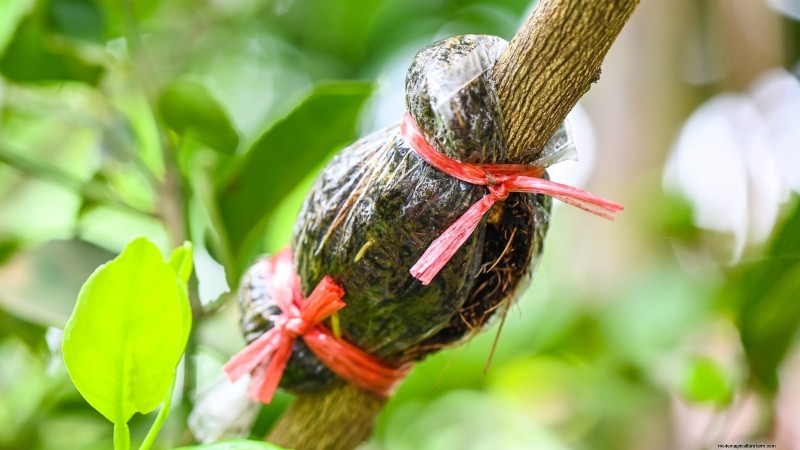 Grafted trees using rootstock ‘Mazzard’ show some resistance to bacterial canker.
Grafted trees using rootstock ‘Mazzard’ show some resistance to bacterial canker and may be orchardists’ best shot at keeping it in check.
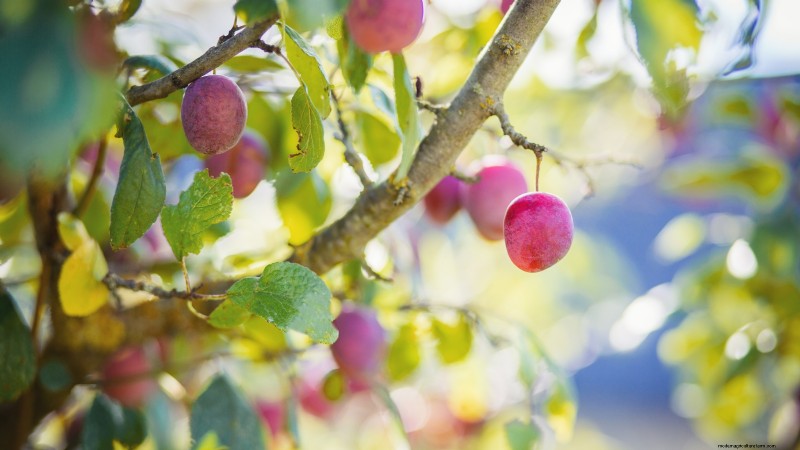 Cherries ‘Merton Glory’ and ‘Merla’ and plums ‘Marjorie’s Seedling’ and ‘Warwickshire Drooper’ are good options.
If you can’t get your hands on a grafted tree, select varieties known to have mild resistance. Cherries ‘Merton Glory’ and ‘Merla’ and plums ‘Marjorie’s Seedling’ and ‘Warwickshire Drooper’ are good options. Always purchase plants from reputable sources for the best results.
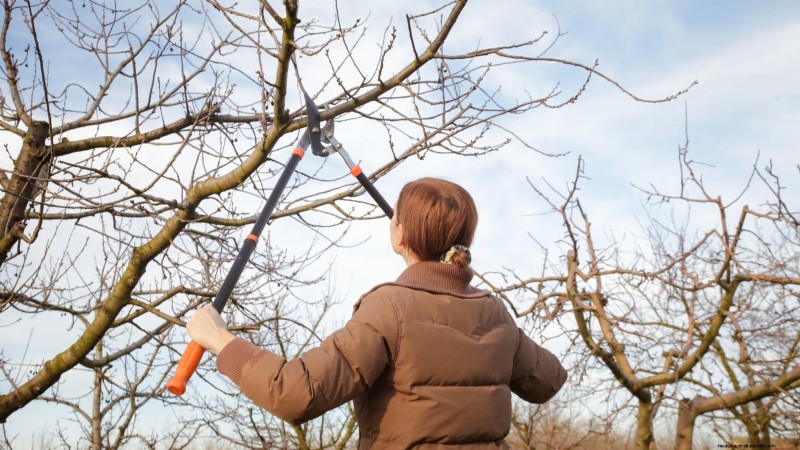 Only prune during winter when trees are dormant to avoid spreading disease.
When you’ve positively identified bacterial canker, you should immediately cut out the infected areas and prune any unhealthy wood at least 12 inches below the site of infection. Only prune during winter when trees are dormant to avoid spreading disease.
Burn infected branches and trimmings, bury, or safely dispose of them as your local municipalities permit. You should also paint wounds to prevent future re-infections and pest and winter weather damage. The goal of treatment is to get the tree to a manageable disease state.
Overall, controlling bacterial canker is more complicated than fungal diseases. Studies have shown only minimal control of the disease using copper salt sprays. This is because since they are foliar applications, they cannot penetrate deep tissue and reach infected buds. Also note there are copper-resistant strains of Pss and Psm, to which the sprays are ineffective. Unfortunately, no fungicide sprays are readily available to home gardeners to control this disease.
If you have any questions or concerns regarding identifying, preventing, or treating bacterial canker, contact your local Extension Office for assistance.