
Welcome to Modern Agriculture!

Kitchen gardens are always a hit with novice and experienced gardeners alike. Whether small or grand, a kitchen garden can beautify your yard, patio, or deck while also giving you the satisfaction of growing your own food!
A French potager is an elevated kitchen garden. That does not mean they are higher maintenance. Instead, they are intentionally planned for beauty as well as utility.
If you would like to bump up the beauty of your kitchen garden, follow these simple steps. I hope you love your new French potager and all of its beauty.
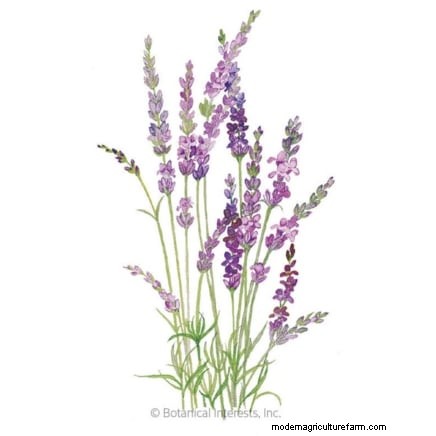
Tall lavender
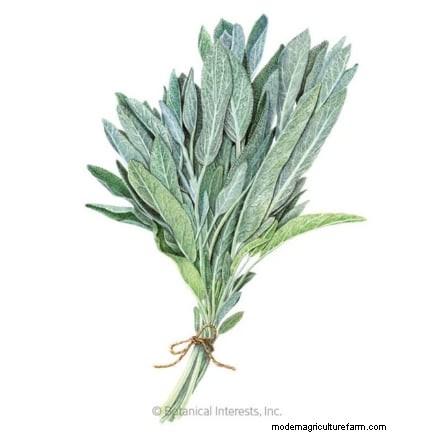
Sage
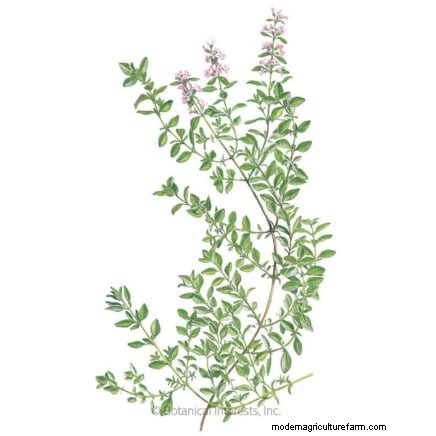
Thyme
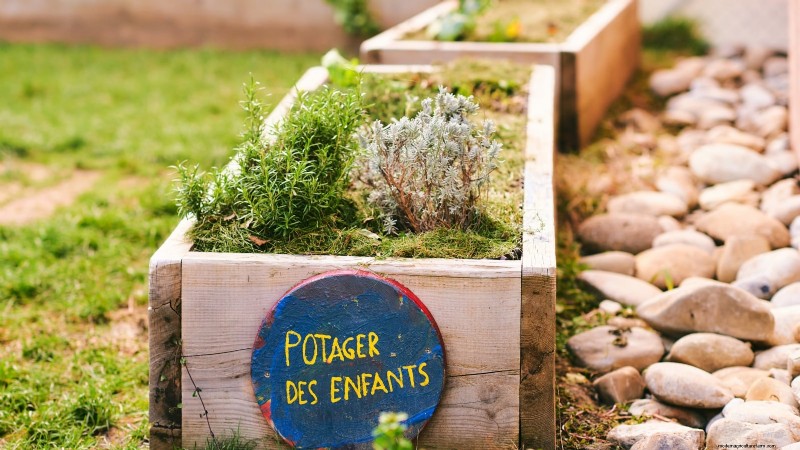 French potagers offer a blend of beauty and utility.
French potager may sound fancy, but it is just a fancy way to say French kitchen garden. This style of kitchen garden allows herbs, fruits, vegetables, and flowers to all grow amongst each other for a truly beautiful and useful outcome.
This style of kitchen garden has been around since the medieval times. Gardeners would plant them with ingredients needed for a soup called potage. The beds originally would be planted in the shape of a cross, with four beds each holding different plants.
These gardens took off and became much more formal, and even found themselves planted in a Potager du Roi (kitchen garden of the King) at Versailles. Now you can find potagers in every shape, size, and style, from formal to cottage and even container kitchen gardens.
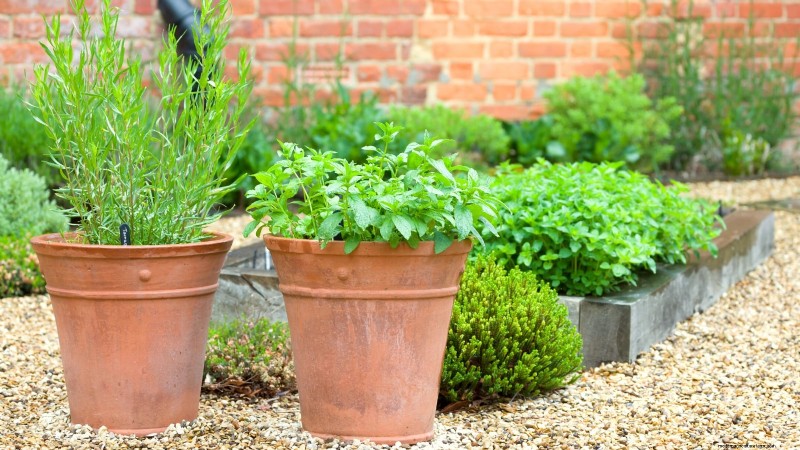 Create your French potager garden in any space available!
French potager gardens can be quite expansive, but they do not need to be! Find the best space in your yard for you!
Traditionally, French kitchen gardens are located near the kitchen for easy access. Most herbs and vegetables require full sun and fertile soil for the best outcome. Make sure that water is nearby as well, as these types of plants typically require lots of drinks throughout the summer months.
If you do not have enough garden space, do not worry. Raised beds, such as birdies, can be grouped together in a formal fashion to replicate a French garden without the digging! You can also use containers and window boxes on your deck or patio and get the same beautiful result.
Plot out your plan, with measurements and everything, before you purchase any pots or plants. This will give you the best chance for success. I recommend a journal so you can take thorough notes.
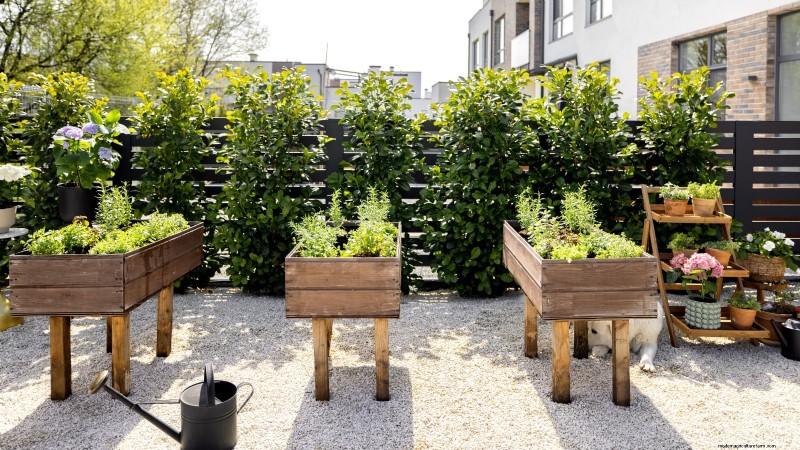 Prepare your containers and raised beds for your French potager.
If you are not going to plant your veggies straight into the ground, it is time to get shopping (or repurposing) containers.
French potagers grow very nicely in raised beds. These beds keep the classic look of a neat, plotted-out garden but are moveable and easy to care for. You could use as many raised beds as you wish. This will depend on how much space you have and how much work you are willing to take on. Sometimes, it is best to start small. You can always add on next year!
If you do not have the space or time for a collection of raised beds, a cluster of different-sized terracotta pots or window boxes will work perfectly.
If you are using pots or raised beds this is the time to clean them with soap and water, or vinegar. Fill them with a raised bed soil mix and some compost. Once this is done, you are ready to roll!
This is the fun part! Try using unique varieties or heirloom varieties of plants for added beauty. Add local or native flowers to increase the amount of local pollinators while also being friendly to your local ecosystem.
While selecting your plants, keep color and texture in mind. This will help to make your garden visually appealing, which is important in a potager.
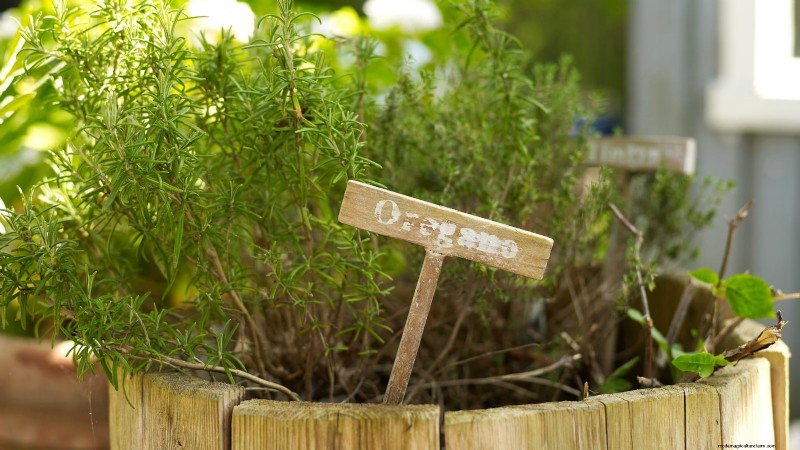 Incorporate herbs into your French potager for flavor and pollination!
Herbs are an excellent foundation for your potager kitchen garden. They provide added flavor to your culinary dishes and produce beautiful flowers that will help attract pollinators. These pollinators are needed in a kitchen garden to boost fruit productivity!
Tall lavender is just as lovely as shorter varieties. The blossoms are fragrant, but the stems are a bit longer and will blow in the breeze a bit. Use this flower in bouquets for aromatherapy, lemonade, or baked goods.
Broadleaf sage is a must-have in my herb garden. It is so beautiful. If you allow it to flower you will be treated with purple-blue flowers. This is a drought-tolerant herb that attracts pollinators. Use sage as a digestive aid in soups or vegetable and meat dishes.
Thyme is one of the most versatile herbs out there, both in the garden and in the kitchen. Thyme produces beautiful aromatic leaves. Plant this herb in the ground, in a container, in a window box, or a hanging basket. Use thyme in soups, meat dishes, veggie dishes, and sauces.
Oregano is a woody perennial that is beautiful when planted in containers or hanging baskets. Use this herb fresh or dried. Oregano compliments fish, and poultry dishes nicely as well as tomatoes and other vegetable dishes.
You are likely familiar with Genovese basil, but for added color in your potager, try purple petra basil. The flavor is similar, just a bit more mild and sweet. Use purple petra in the same way you would use classic basil: pestos, pasta, or with fresh slices of tomatoes for a yummy snack.
Mint is a staple in kitchen gardens. Pineapple mint adds a new fun pop of color and flavor that will accent your potager perfectly. The leaves are variegated, and the plant will produce mauve flowers if you allow this plant to blossom. The flavor is sweet and has a hint of apple flavor. Use mint in teas, on salads, in cocktails, or to help with upset stomachs.
Rosemary is a beautiful herb that can be grown indoors when the summer months end. Plant this herb in a container if you plan to do that. The leaves of this herb can be used in meat dishes as well as soups and sauces. The flowers are a lovely shade of purple, and pollinators love them!
Chives are fun and are a great herb to plant with kids. The long grasslike blades can easily be chopped and added to salads, potatoes, or any dish that could use a mild onion flavor. The flowers are beautiful and can be collected for a kitchen table bouquet.
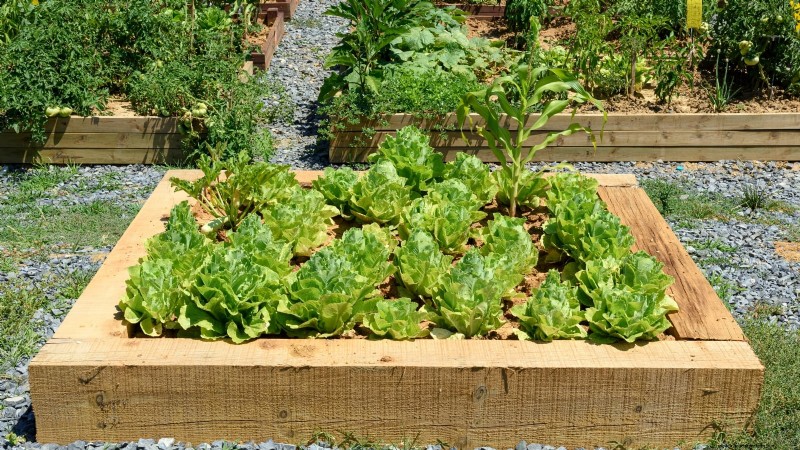 Choose vegetables you love and visually pleasing varieties for potager.
When selecting vegetables for your kitchen garden, first select vegetables that you and your family like to eat. Next, select beautiful varieties. The French potager should be useful and pleasing to your eye.
The colorful stems and veins of this Swiss chard variety are the perfect pop of color for your potager. This leafy green is related to beets, but it does not produce an edible root. The leaves can be harvested for salads or sautees. Swiss chard is a cool-weather plant that can be grown in spring and again in the fall.
Dazzling Blue Kale is a great green to grow in cool weather. You can wait for this kale to mature or you can pluck baby greens to use in salads. Mature leaves can be sauteed and added to other dishes. The leaves are a purple-blue hue and will add a softness to your potager.
Parris Island Cos Romaine lettuce is a quick-growing lettuce that is easy to harvest and easy to use. Romaine is the perfect salad green.
Cherry Tomatoes such as ‘Chocolate Cherry’ are easy to grow, easy to harvest, and delicious right off of the vine. This variety will continue to produce gorgeous tomatoes all season long.
Mini eggplants such as ‘Jewel Amethyst’ are a fun addition to a potager. These jewel-colored veggies grow nicely in containers. The more you harvest the more eggplant you will get!
Pole beans offer height to your potager and are perfect for growing up a trellis or fence. Try ‘Trionfo Violetto’ for beautiful purple flowers as well as pods.
Cabbage is a classic potager plant. Cabbage is filling and can be used in soups as well as other savory dishes. Choose a red or green cabbage based on what colors you would like to add to your garden.
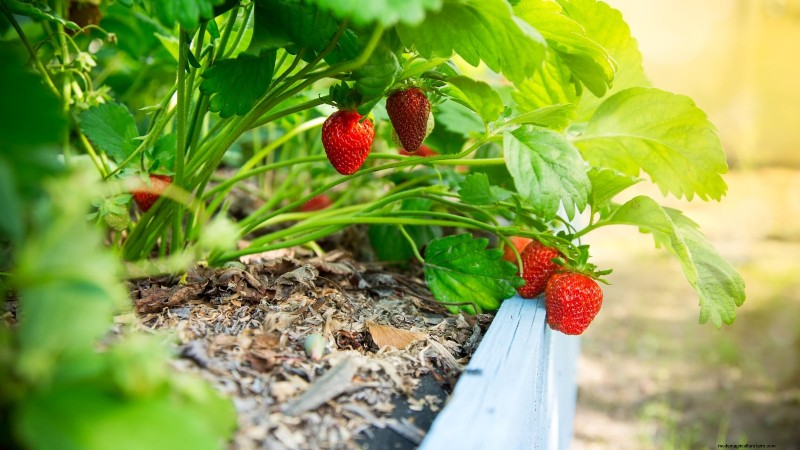 Berries are perfect additions, offering structure and delicious fruits.
Fruits may seem tricky to add to your kitchen garden, but they aren’t. In fact, in most areas, berries grow as perennial shrubs, meaning they would be doing double work in your garden, providing perennial structure and, of course, fruit.
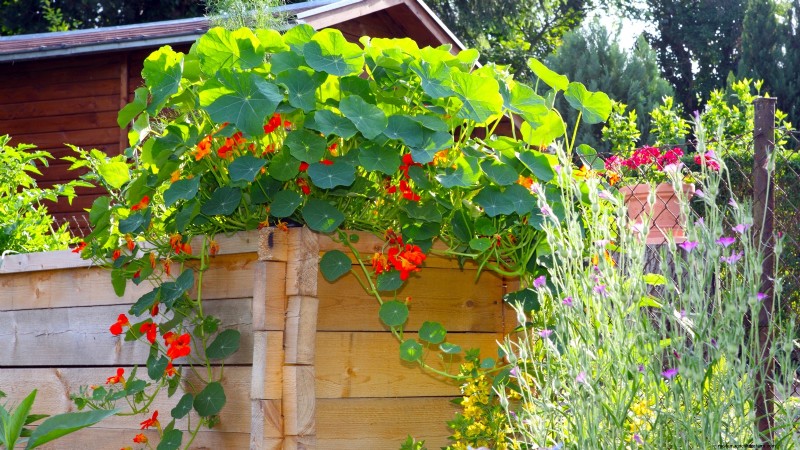 Enhance your garden with ornamental flowers and edible blooms.
Adding ornaments is so fun. Intermingle these pretty flowers with your edibles, bonus if you plant edible flowers! Add plants that you would like to cut and use in bouquets, or that you would just like to enjoy out in your garden.
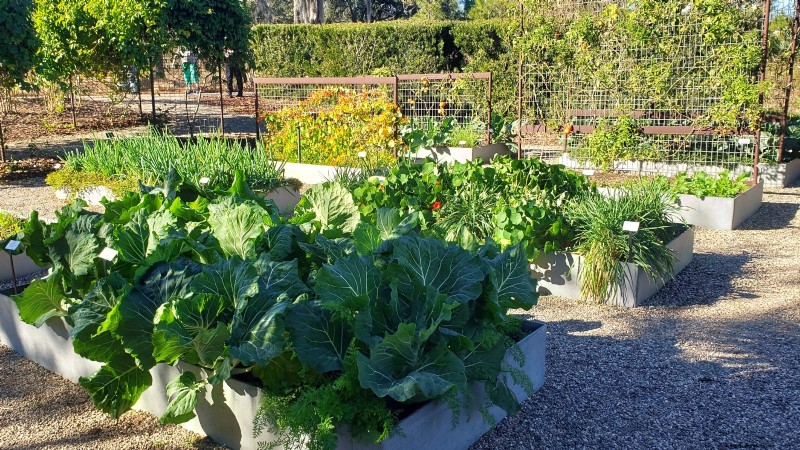 Create an enclosure with tall plants, arbors, containers, and existing fences.
Defining the space is key regardless of your French potager garden size. These gardens are intended to give you a feeling of being enclosed — think secret garden. Now, of course, many of us do not have rolling acres of land where we can plant a boxwood border around our vegetable garden. But there are other ways around it.
While defining the space is key, that doesn’t mean that it needs to be a stark difference from the rest of your landscape.
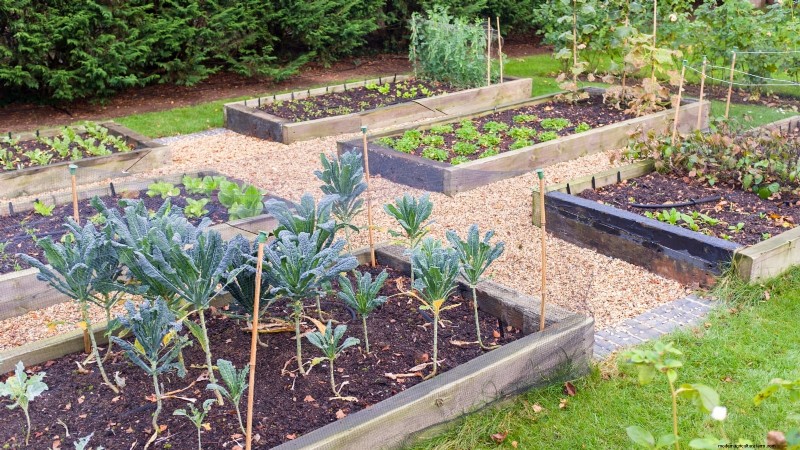 Create accessible pathways with bricks, pavers, or gravel.
When you are harvesting edibles, pathways are incredibly helpful. You could set your garden up in one straight row where you can reach from the front, or you could set it up in a more formal box style. Either way, make sure you can easily reach all of your plants.
If you are in it for the long haul, there are many different surfaces you could use for a garden pathway.
Choose a surface that works for your garden style as well as your budget. I love the idea of starting with mulch for a few seasons, and then making a permanent decision once you know what truly works for you.

 Enhance your French potager with ornamental structures like trellises and birdbaths.
This is optional but is traditional when it comes to French potager gardens. The ornamental structures you add to your kitchen garden should work for you.
 Optimize yields with succession planting.
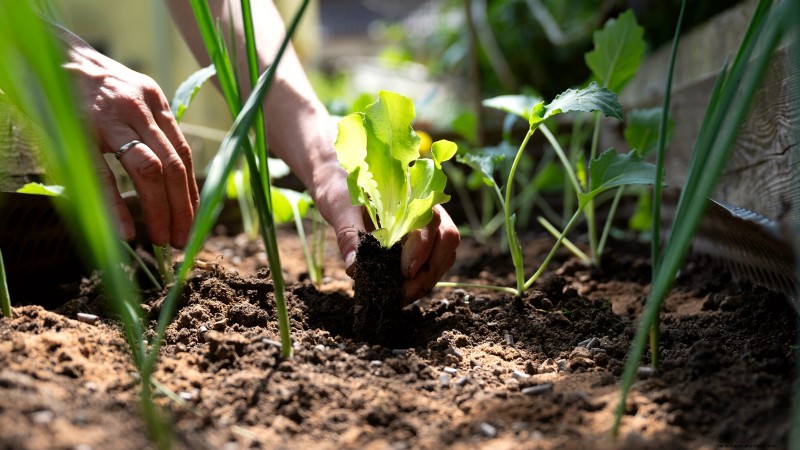
With many traditional vegetable gardens, we visualize the beginning and the end of one crop. With a French potager when one crop, or plant, has finished producing a bountiful harvest it is time to remove the plant, add fresh compost to the garden, and plant something new!
This method is referred to as succession planting. According to West Virginia University, succession planting helps to maximize your crop yields.
You may begin the season with cool-season crops such as lettuce, asparagus, or beets. When those plants begin to bolt, it is time to remove them and plant your warmer season crops such as cucumbers, tomatoes, and eggplant. Depending on how long your season is, you may be able to get in another round of salad greens in the fall before your frost rolls around. You could also replant the same type of plant over and over again throughout the year if it’s something you use frequently.
Enjoy this entire process. The planning and planting can be extremely relaxing. If you feel yourself beginning to stress, dial the garden back a bit. Add more next year once you know what will work for your schedule and your garden.
Of course, as with any garden, a French potager will require some maintenance. You will need to water, stake, fertilize, and harvest everything in your garden.
Do not get too down on yourself if a plant or two don’t make it. There is always next year to try again. Take note and adjust as needed.


