
Welcome to Modern Agriculture!

One of the best parts about summer in the garden is freshly picked, sun-kissed berries. One of the worst parts for some varieties is dealing with spines, thorns, scratches, and pricks while picking said berries. Nothing takes the fun out of picking berries with your family like a thorn-induced rash!
While some berries like blueberries, elderberries, and strawberries are naturally thornless, others have been bred for easier picking sessions. I have compiled a list of all types of berries that range in size, hardiness, and flavor, all completely or nearly thornless.
I hope you find something you like in this list of 13 of the best thornless berry varieties for your garden. Let’s get into it.
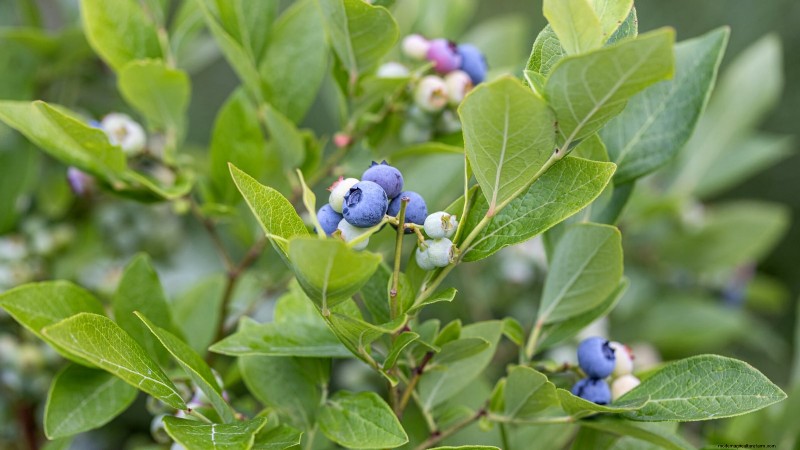 Plant blueberries in acidic soil, spaced three to four feet.
Blueberry plants are thornless by nature, and fun to pick, especially when plants are young and you don’t have to reach too far up to pick them. ‘Bluecrop’ is a popular mid-season variety known for its consistently large, firm, sweet berries. It was introduced in 1941.
Amend your soil before planting blueberries to ensure the pH is between 4.5 to 5.5. Space plants at three to four feet apart. ‘Bluecrop’ is a great option for cold-climate growers for its hardiness. Plant with at least one other variety for larger yields.
Pro tip: Plant ‘Bluecrop’ alongside ‘Jersey’ or ‘Earliblue’ for higher yields.
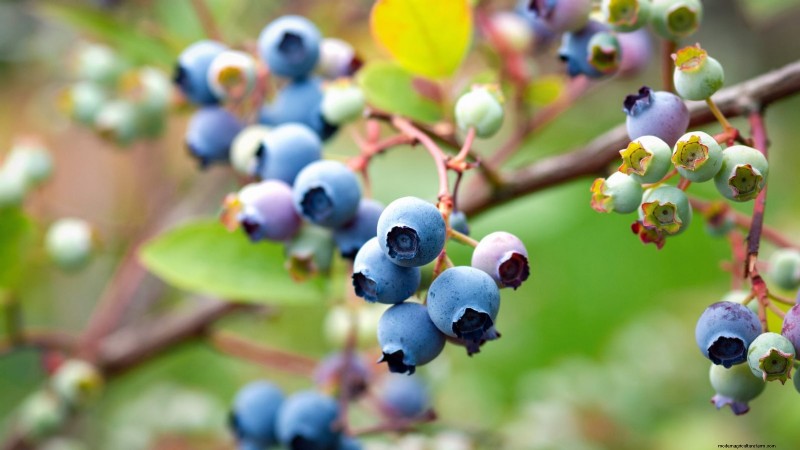 Grow blueberries in containers with proper acidity, sunlight, and water.
Grow blueberries in containers? You bet you can. As long as the soil has the proper acidity and the plants receive full sun and plenty of water, you can grow dwarf varieties in containers without issue. Lowbush varieties also do well in large areas, staying close to the ground.
The fruits are a little smaller and slightly more tart than standard cultivated varieties. After your blueberry bush is established and fruiting regularly, you can cut back fertilizing to one light annual feed.
Blueberries benefit from cross-pollination, so be sure to plant more than one variety nearby. If you live where winters are harsh, mulch them heavily to protect the roots, bring your pot indoors, or wrap the container for added warmth.
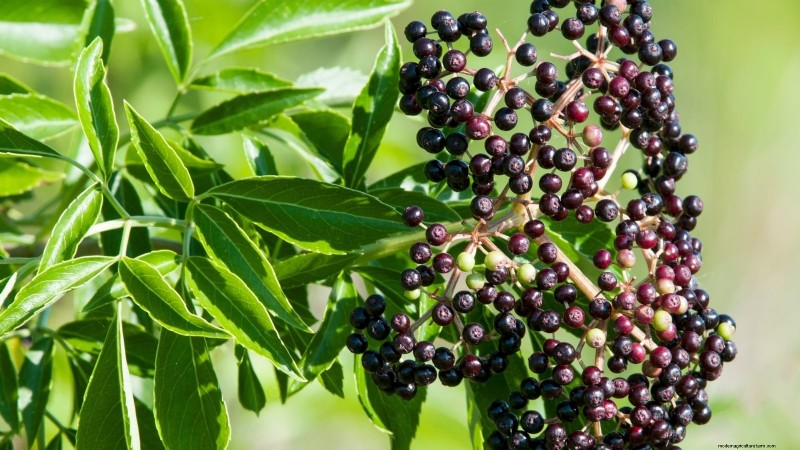 Grow adaptable elderberries for jams or medicinal use.
Elderberries are great for home gardeners for their ease of growing and adaptability. They’re often grown as ornamentals and left for the birds, but these berries can be cooked into delicious jams, medicinal syrups, or a natural fabric dye. To keep birds away, protect your berries using scare tactics like scarecrows, rubber snakes, or noise makers.
Plants prefer well-draining and fertile soil with a pH of 5.5 to 6.5 but will perform well in other soils. Add them to a naturalized area that has moist soil, and elderberries can spread, which they’ll do rapidly via rhizomes in ideal conditions.
Easily harvest by snipping off a whole cluster and remove them indoors where you have space to spread out. Yields average 12-15 pounds per plant per season.
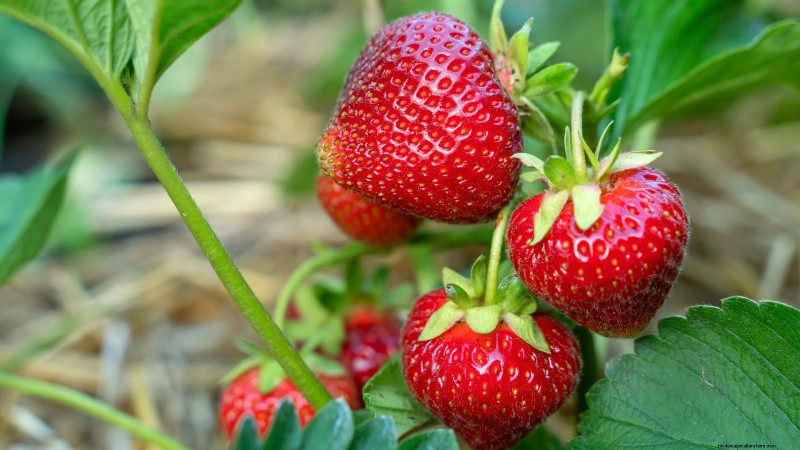 Grow strawberries at home for cost-saving benefits.
Strawberries are one of the most sought-after berries around and while it might seem intimidating to start a patch at home, with proper care and growing the right variety for your zone, you’ll be swimming in berries soon. If your family consumes a lot of berries, growing strawberries at home can be a huge cost-saver.
If you’re a beginner, I recommend starting with strawberry plugs versus bare-root strawberries, which can be a little trickier to work with. Once you have established plants, you can transplant runners to a new area for essentially free plants!
‘Earliglow’ is an early-season cultivar with incredible flavor that freezes well and whose plants are winter hardy. ‘Allstar’ is a late mid-season berry perfect for fresh eating and whose plants have moderate disease resistance. ‘Albion’ is an everbearing variety from California with extreme sweetness, perfect for pies, jams, and jellies.
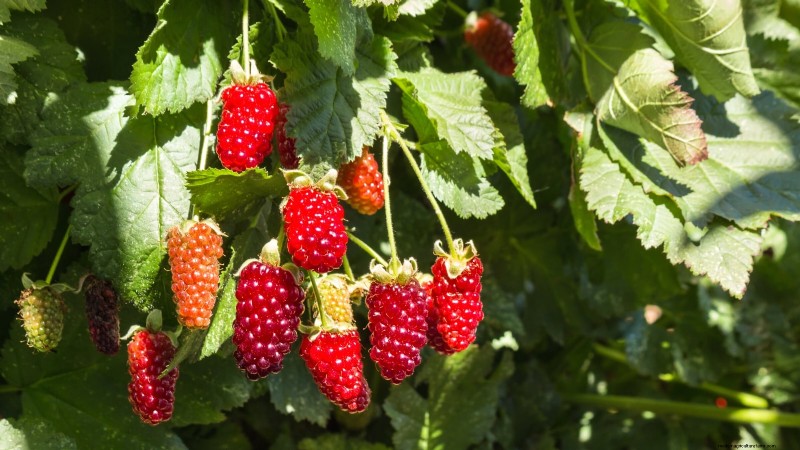 Grow loganberries for juicy and sweet fruit.
While the shape and size resemble a blackberry, the bright reddish pink comes from the raspberry. The cross of these two delicious fruits resulted in the medium to large, extra juicy, and uniquely sweet thornless loganberry. Allow the berries to fully ripen before harvesting for the best flavor.
Loganberry plants grow erect and vigorously like blackberries and need support as they grow. Recommended spacing is one to two feet in well-draining and loamy soil.
Established plants are heath-tolerant but should be watered in times of extended drought conditions. Berries will begin to ripen in June.
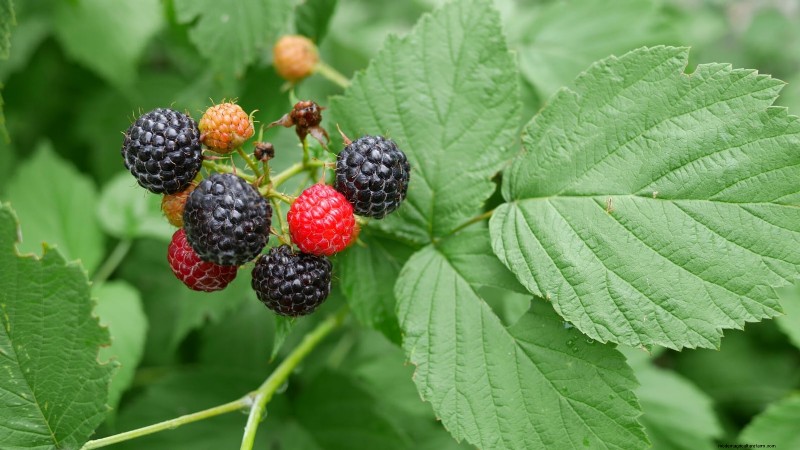 Plant multiple varieties for optimal yield, maintain soil, and watering.
If you’ve never heard of boysenberries, they’re a cross between blackberries, raspberries, and loganberries, bred by Swedish immigrant Rudolf Boysen. The result is a mostly seedless thornless berry slightly larger and sweeter than blackberries. The flavor resembles a blackberry-raspberry blend.
Plant with at least one other variety to get the most fruit production from both plants. Ensure your soil is well-draining, keep weed pressure down, and water deeply and consistently, especially in year one when the plants are getting established.
‘Thornless Boysenberry’ ripens in mid-season and should be planted three to four feet apart.
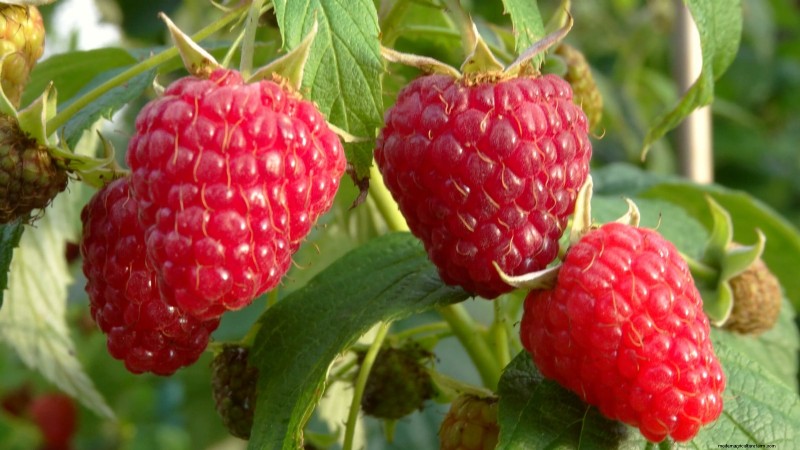 This variety produces large, sweet berries and requires minimal maintenance.
This cross-bred cultivar from Nova Scotia is a floricane variety that requires a bit more attention and pruning. Canes are tall and strong, so get your trellises ready.
Plants produce fruits on second-year wood, but the wait is worth it for its conical and perfectly sweet berries. Keep the area weed-free while they establish and amend soil for a pH between 6.5 and 6.8. Water deeply at least one inch per week if no rainfall occurs.
‘Eden’ plants are highly productive and very hardy.
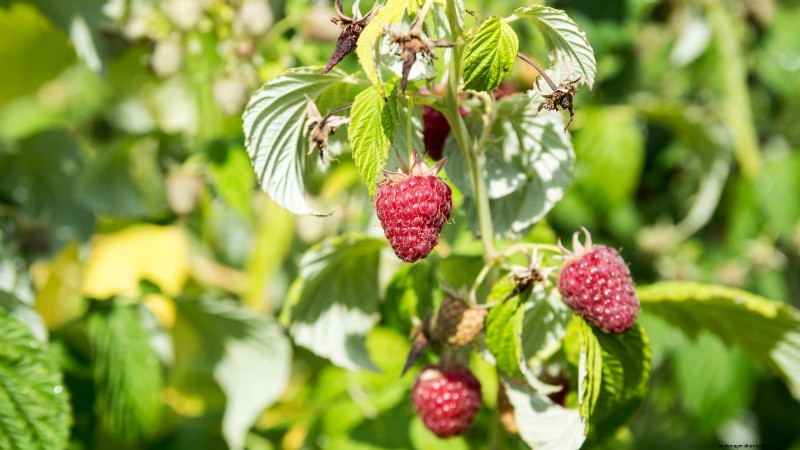 Rubus idaeus offers hassle-free, early, and abundant yields of red raspberries.
‘Joan J’ supporters herself and won’t cause a fuss. It’s a delight to pick perfectly glossy and red fruits from her smooth canes that release easily. She’s fall-bearing, and you’ll see fruit in year one. In subsequent years, you’ll see fruit in the summer or fall, depending on pruning and overall management.
Plants will fruit from late August until your region’s first frost and offer incredible yields. Fruits freeze and travel very well due to their dryness.
Leave at least two feet between these thornless berries to allow them to send out canes and receive ample sunlight. Cut back all canes in the winter.
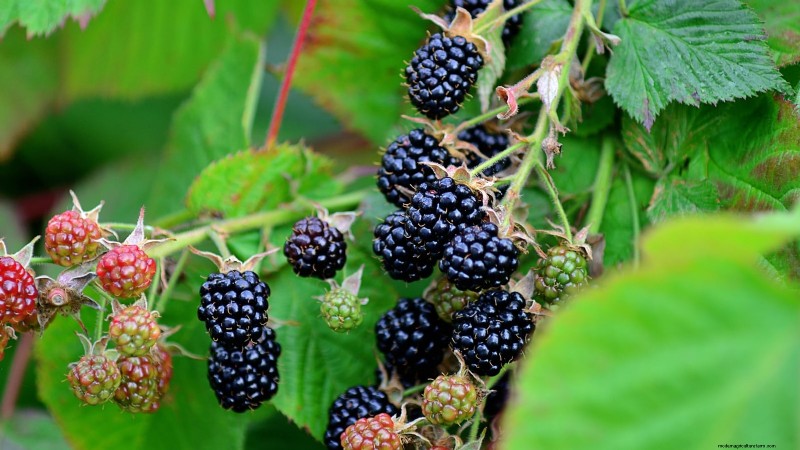 These compact dwarf blackberries thrive in containers, offering sweet, bountiful harvests.
If you’re a patio grower and always feel like your small-space garden causes you to miss out on all the berry fun, then you must try this variety. It’s a dwarf thornless berry that easily grows in containers. Its growth habit is compact and mounded. No trellis is needed!
‘Baby Cakes ®’ produces extra sweet and large berries in the summer on second-year canes. Plants may provide a second flush of fruit in the fall in regions where summers are mild.
Water at least an inch all season using drip irrigation to ensure good fruit production and flavor. pH level preferred is between 6.5 and 7.5. This variety is extremely cold-hardy and overwinters well down to zone 4 and will produce for years when properly cared for.
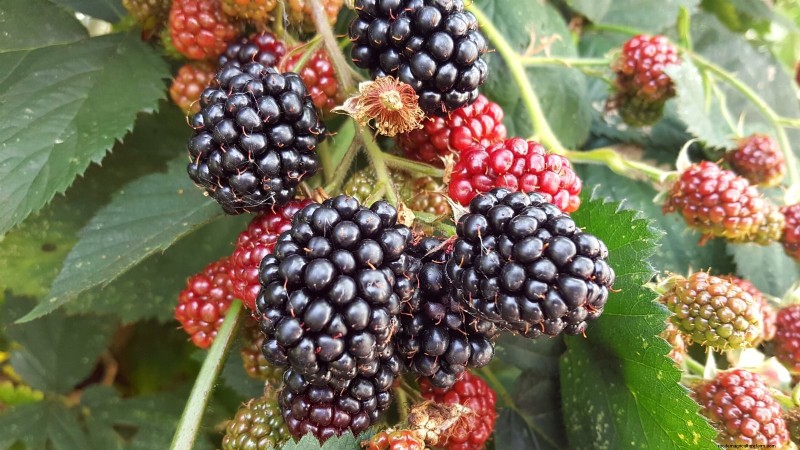 This cold-hardy variety offers thornless canes and sweet blackberries.
Hardy, thornless, and large fruits? Look no further. These fruits are sweet, and perfect for fresh eating or baking into pies. ‘Chester’ is one of the most cold hardy varieties around, and thornless to boot!
Plants will start to bloom in the spring, and berries will be ready around July. Berries remain shiny black even in hot weather.
Plant bare-root canes shallowly and then immediately prune them to two inches above the soil surface to encourage new growth.
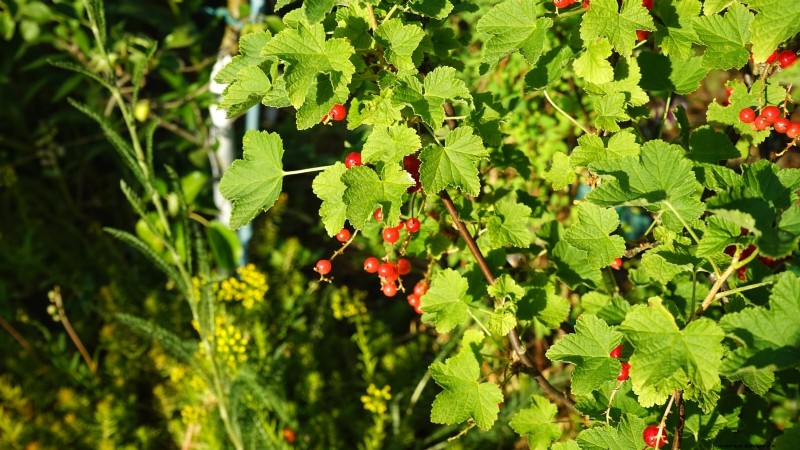 This red currant offers sweet, tender berries perfect for jams.
This early-season red currant came out of Holland and is simply the best in class. The plants grow upright and boast clusters bursting with bright red, tender, juicy fruits that get sweeter as their color deepens.
Berries ripen in early July and have a long harvest period, perfect for summer jams and homemade wine.
Give plants four to six feet of space and soak the bare roots for several hours before planting them. Begin pruning in the third year.
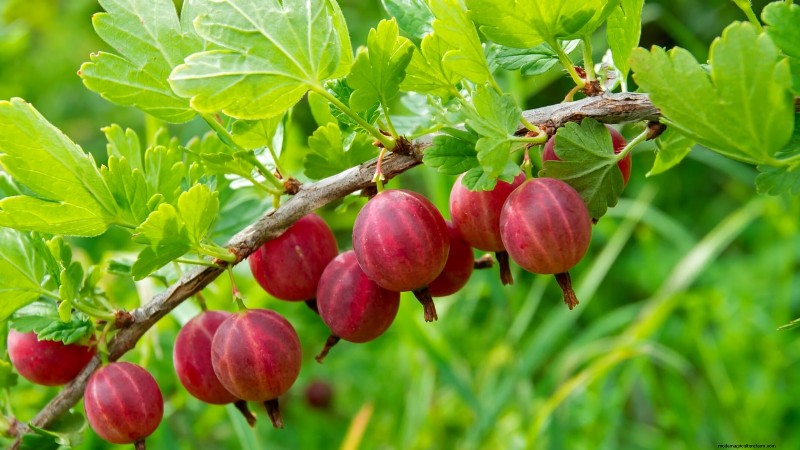 Hybrid ‘Captivator’ gooseberries yield Muscat grape-like fruit.
There are both European and American gooseberries, differing mostly in size and disease resistance. However, ‘Captivator’ is a hybrid of the two, whose fruit is often compared to Muscat grapes. These plants are high-yielding and vigorous, producing fruit after one year of planting. Only one plant of the variety is needed as they’re self-fertilizing and will last for many years.
Staking may be necessary as the weight of the fruit can cause them to topple over. Water deeply, but only when there has not been rainfall in a long while. They do best in mild-weather regions and where humidity is relatively stable. Disease is a higher risk when conditions are humid for extended periods. Space plants at four to five feet. This plant is described as “nearly thornless”, one of very few. ‘Tixia™’ is resistant to mildew.
Gooseberry jam is extremely easy to do because of the high pectin levels in the berries. No added pectin is necessary, just sugar and fruit! The most time-consuming part of the whole process is removing the stems before boiling them.
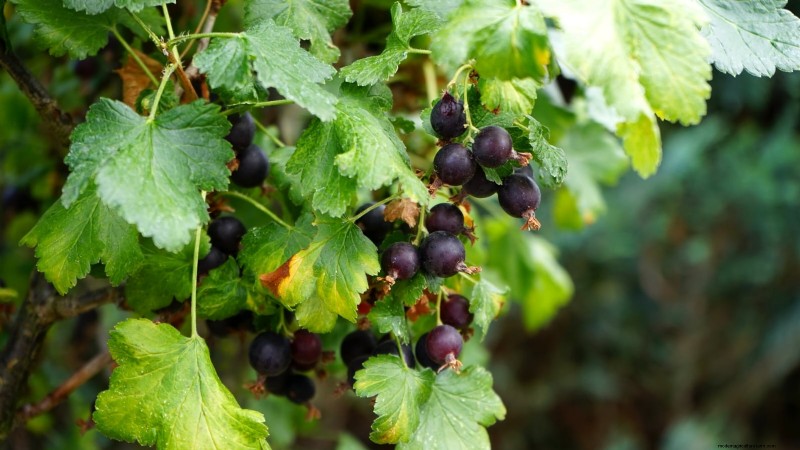 Jostaberry is a thornless, disease-resistant hybrid with tart-sweet fruits for various recipes.
The cross between black currants and gooseberries resulted in a thornless, relatively disease-resistant, and more productive shrub with delicious fruits called the jostaberry. Red fruits are oval and form grape-like clusters that darken to almost black as they ripen.
The interesting flavor is mostly gooseberry tartness with a hint of currant sweetness. Add them to salads, atop homemade granola with yogurt, or cooked into Mediterranean savory dishes.
They’re self-pollinating, so there’s no need to plant more than one. Make new plants by taking cuttings from branches with new, healthy growth or layering offshoots.
Now that you know of some of the best thornless berry varieties on the market, I highly recommend adding some to your garden. Growing berries takes extra time and patience, but once you prepare your plots and learn how to care for them, you’ll have stained fingers from joyful, pain-free harvesting, a freezer full of pies, and a cellar full of homemade jams.


