
Welcome to Modern Agriculture!

Tomatoes and summer squash practically epitomize summertime’s bounty. Planting these two summer veggies is a no-brainer since they are both easy to grow and require even less work in the kitchen.
Whether you’re looking forward to the comfort of a ripe tomato sandwich or planning a more elevated ratatouille, there is something extra special about homegrown.
If you plan to grow these two vegetables this season, consider conserving space in your garden by planting them together. Let’s look at how these two crops work together and decide whether it’s a good idea to make companions of tomatoes and squash.
Tomatoes and summer squash have very similar environmental needs. While they may not offer stellar benefits to each other, they certainly go well together, and planting them near one another will save time and space. With no known disadvantages, this is a good companionship!
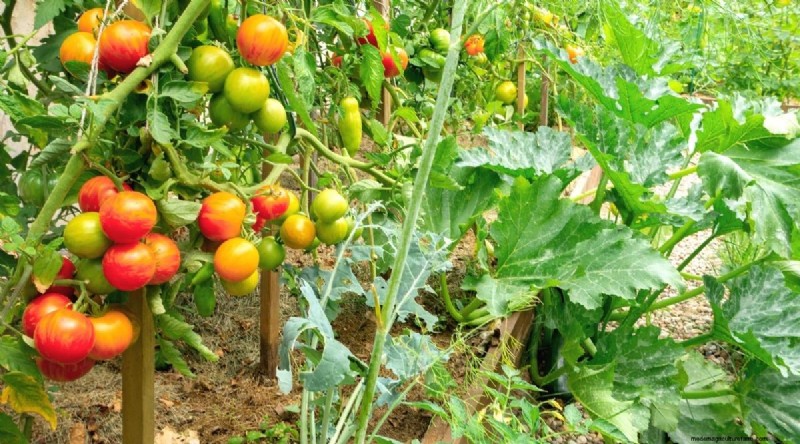 Companion planting involves planting crops together for mutual benefit.
Companion planting is the science and art of planting two or more crops close to each other. This ancient farming method has been used for centuries to maximize symbiotic relationships between crops.
Native Americans used this process often, with one particular combination used so prolifically that it earned the nickname “The Three Sisters.” The sisters are corn, squash, and beans. They were planted together because they all benefit each other in a way that increases the yields of all three crops.
We can use the same philosophy behind The Three Sisters to create our garden comradeships.
When choosing crops to be companions, first consider whether the species benefit each other or do the opposite. Some of the potential benefits of companion planting are:
Not all plants make great neighbors, though. Certain crops may not play well with others and prefer to grow independently! Some of the causes of bad companions are:
So, how do tomatoes pair with zucchini or other types of summer squash, and how well does it stand up to the tests of what makes a good companionship? Let’s take a look at some of the most critical factors.
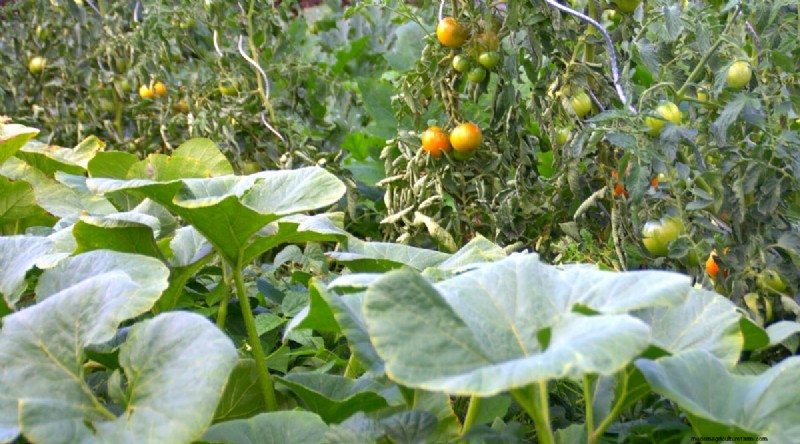 Both plants are summer-bearing and can be planted simultaneously, minimizing root disturbance.
Both crops are summer-bearing vegetables. They can be planted simultaneously, which means less disruption of their roots.
They both mature at nearly the same rate and continue to produce for several weeks (sometimes months) during the late spring and summer.
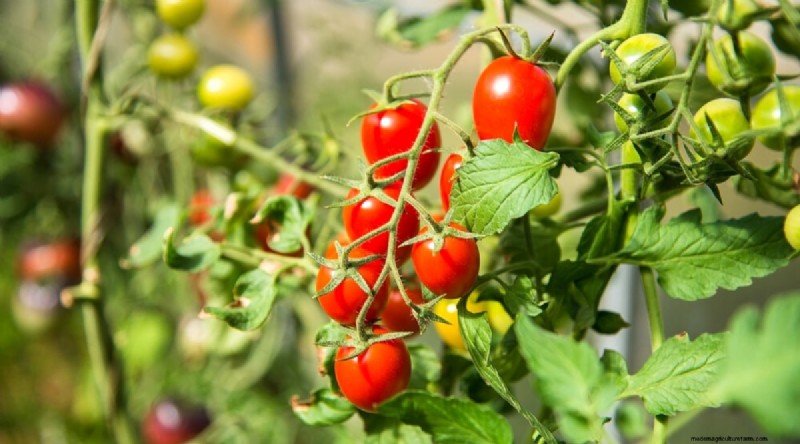 Squash and tomatoes thrive in full sun, withstand high temperatures, and require ample sunlight for vegetable production.
Squash and tomatoes both like full sun. Both can tolerate a lot of heat and need all that sun to produce the greatest amount of fruits.

Squash has large, low leaves that help shade the ground, which means more moisture is retained in the soil. These broad leaves also maximize photosynthesis beneath the dappled canopy of a tomato plant.
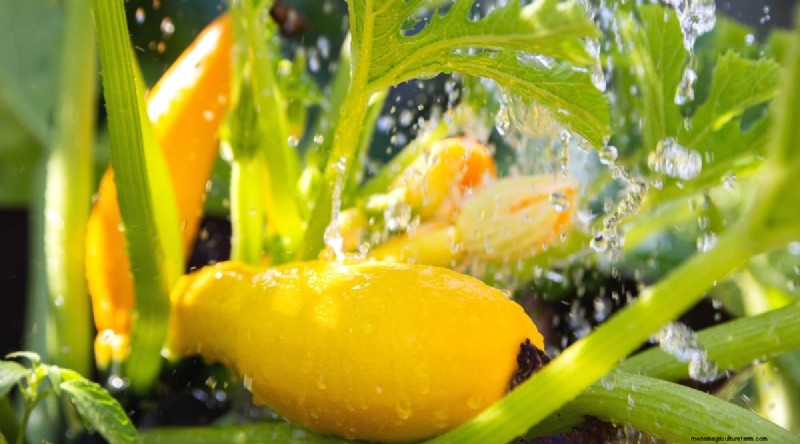 Tomatoes require regular watering, while squash leaves act as a living mulch and help to maintain soil moisture.
Tomatoes need 1”-2” of water per week. They thrive when the soil is kept lightly moist. Watering once daily should be fine in the early weeks, but as the temperature rises and your plants get larger, they may require watering twice daily.
Squash are better at conserving water because their leaves block sunlight from cooking the water right out of the soil. However, they will also be content with consistently moist soil and may reduce the water needed for their tomato neighbors.
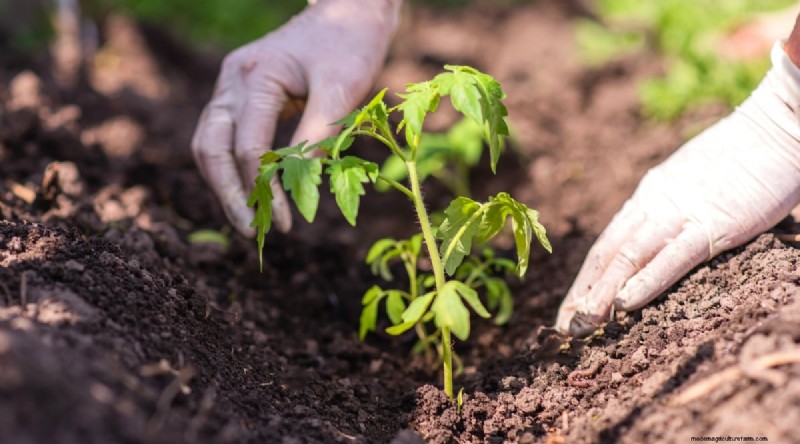 Both plants prefer fertile, well-drained soil with moderate moisture retention.
Both plants like fertile, well-drained, loamy soil. They need soil that retains some moisture but doesn’t stay soggy. It would benefit both plants to mix in some organic compost or worm castings before planting to enrich the soil.
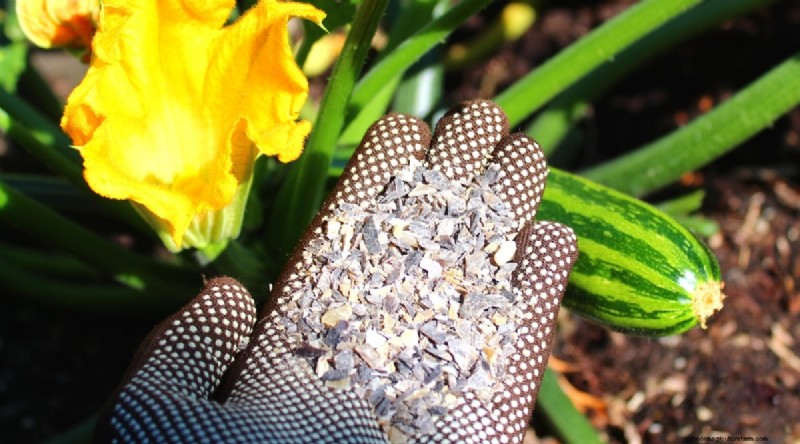 They have similar fertilizer needs, allowing for regular feeding without overwhelming either plant.
Tomatoes are heavy feeders, which means they need to be fertilized regularly. A slow-release, all-purpose fertilizer or Tomato-Tone plant food can promote more plump, juicy tomatoes.
Squash doesn’t need quite the same level of nutrients, but it won’t burn out from the amount of fertilizer a tomato plant needs. The two plants are compatible in this way. Squash is not a pushover, so heavy-feeding tomatoes won’t deprive them as long as you keep it coming.
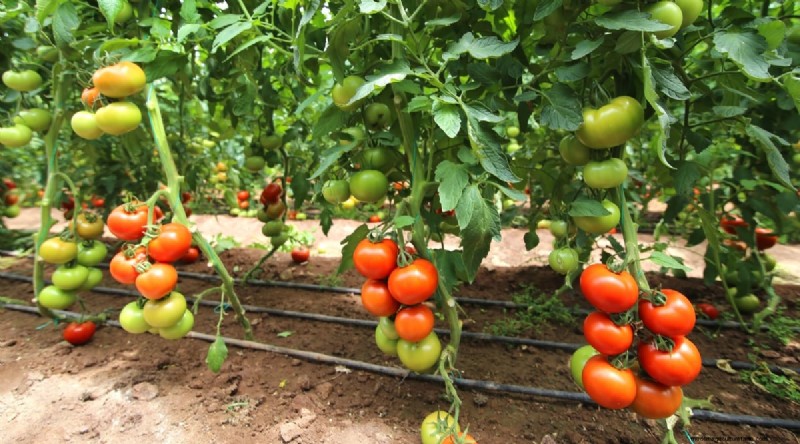 Squash and tomatoes need space to grow in different directions but can coexist harmoniously.
Squash and tomatoes both need space to spread out but in different directions. Summer squash tends to creep along the ground rather than grow upright.
Most of the foliage on a tomato plant will be above the tops of squash plants, particularly if you trellis them. Tomatoes may cast a bit of shade on your squash, but they should be harmonious nonetheless.
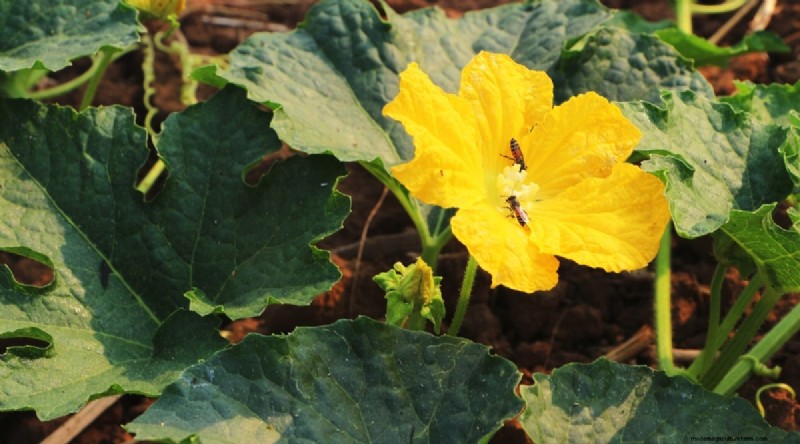 Squash plants attract native and honeybees with their beautiful blossoms.
Squash plants produce big, beautiful golden blossoms highly treasured by native bees and honeybees. Commercially, honeybees pollinate most of the squash, but you’ll notice many different bees waist-deep in your squash blossoms if you watch closely.
This is wonderful for tomatoes, which are also pollinated by bees. Tomatoes have less flashy blossoms that the bees can visit even without having squashy neighbors nearby. But the big squash blossoms are a powerful lure for bees, and they will also stick around for tomatoes after they visit the bigger, more prominent blooms.
Adding a borage plant to this combination will increase the number of pollinators even more, as bees love the blue blooms on this herbaceous perennial.
Squash and tomatoes match up across the board, making them very good companions. This pairing will appreciate all the same environmental factors, and planting them together will maximize your space. Squash may have more to offer to tomatoes in this pairing, but it doesn’t seem to mind. These plants are great neighbors!


