Welcome to Modern Agriculture!

Rosemary is a staple in kitchens worldwide, prized for its aromatic, woody flavor. With the right care, you can grow this classic herb fresh from your own garden or balcony. Below is a comprehensive, expert‑approved guide to planting, nurturing, and harvesting rosemary.
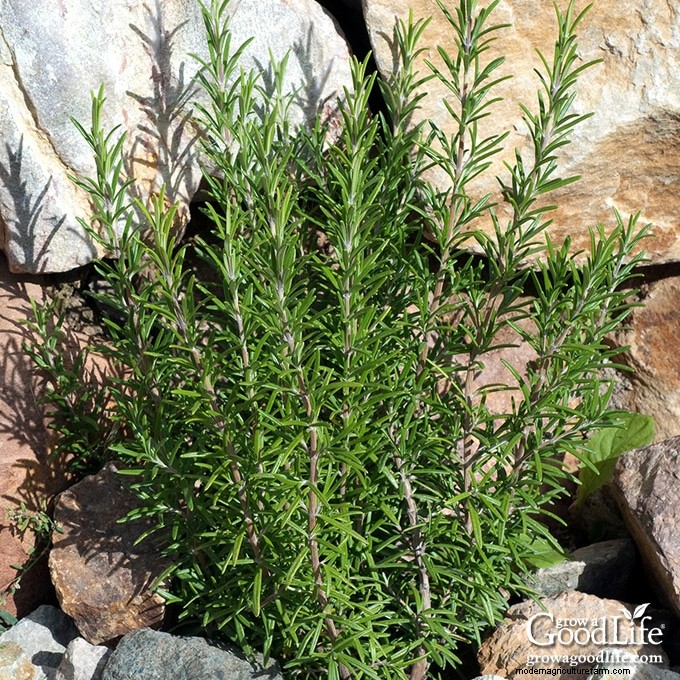
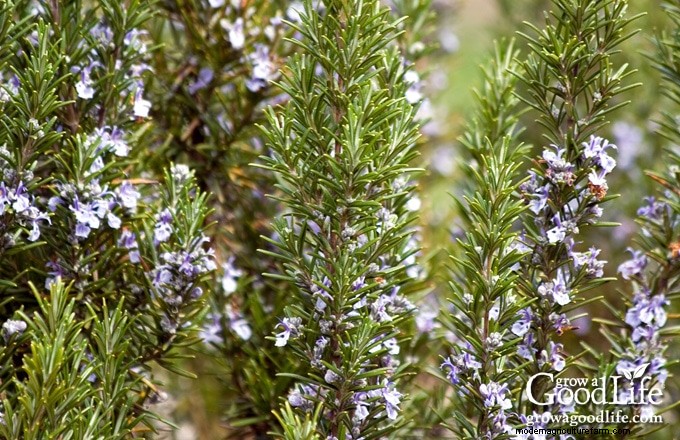
Scientific name Salvia rosmarinus (formerly Rosmarinus officinalis), rosemary is a perennial evergreen shrub native to the Mediterranean coast. Its narrow, needle‑like leaves grow on sturdy woody stems, and in its second season it produces small, pale blue or pink flowers that attract pollinators. Historically used by Greeks and Romans, rosemary’s culinary and medicinal reputation has endured for millennia.
In the U.S., rosemary thrives in USDA zones 8–10 and can be left outdoors year‑round in warmer climates. In cooler zones, keep the plant in a pot and bring it indoors when temperatures drop below 40 °F.
Choose a cultivar that matches your climate and space. Here are five popular options:
Rosemary is slow‑growing but rewarding. For zones 8+ consider direct planting; for zones 7 and below, grow in containers that can be moved indoors. Seed propagation is challenging (low germination, up to 3 years to maturity), so most growers start with healthy seedlings or stem cuttings.
Choose a location with:
Heavy, compacted soils should be amended with coarse sand or perlite to improve drainage and prevent root rot.
Seed starts are best done indoors 3 months before the last spring frost. Use a damp seed‑starting mix, cover seeds lightly, and maintain 80–90 °F with a heat mat. Germination may take 2–3 weeks. Once seedlings reach 3 inches, transplant them outdoors after the last frost.
Take 4–6 inches of a healthy stem, remove lower leaves, and root in water or moist potting mix. Use rooting hormone to speed the process. After 3–4 weeks, transplant rooted cuttings into well‑draining soil.
Dig a hole deep enough to match the root ball. Add 4 inches of finished compost, loosen roots, place the plant, and firm soil around it. Water thoroughly and keep the soil moderately moist until the plant establishes.
Use a porous clay or terracotta pot with adequate drainage holes. Mix 3 parts potting soil, 3 parts coarse horticultural sand, and 2 parts perlite or pumice. Avoid peat‑rich mixes that retain excess moisture. Repot annually in early spring to provide room for growth.
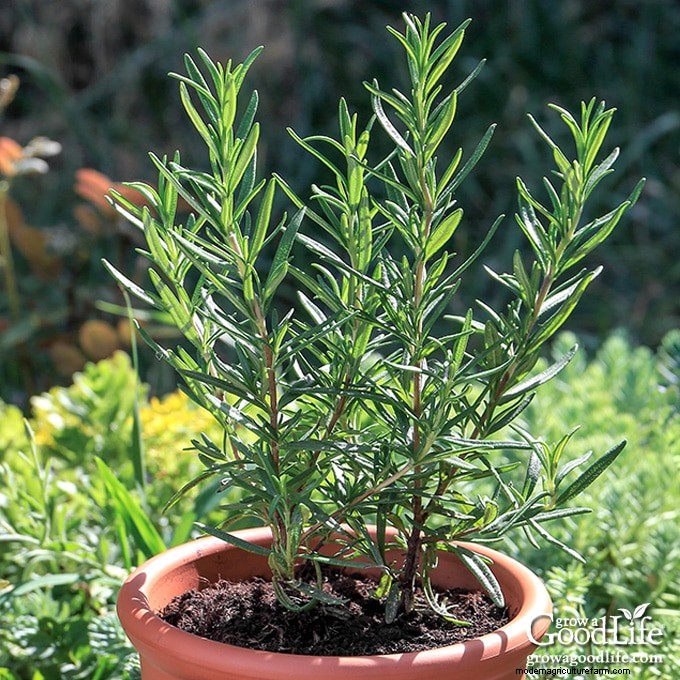
In cooler zones, bring potted rosemary indoors before the first frost. Place the pot in a warm, humid spot (ideally 60–70 °F) with bright, indirect light. Reduce watering to prevent root rot, but ensure the soil does not dry out completely. A south‑facing window or a grow light works well.
Rosemary is drought‑tolerant. Water new plants regularly until established, then allow the top inch of soil to dry between waterings. Check moisture with your finger; if the soil feels dry at two inches, it’s time to water.
Rosemary does not need heavy feeding. Add organic compost at planting and consider a light side‑dress of balanced fertilizer in early spring. For slow growth or pale foliage, a dilute liquid fertilizer (e.g., fish emulsion) can help.
Prune 1–2 inches from the tips to encourage bushier growth. Trim dead or damaged leaves and spent flowers. Pruning can be done from spring through late summer.
Common pests: aphids, spider mites, mealybugs, and scales. Treat with organic insecticidal soap or by removing affected branches. Fungal issues such as downy mildew or root rot arise from overwatering; maintain good airflow and avoid excessive moisture.
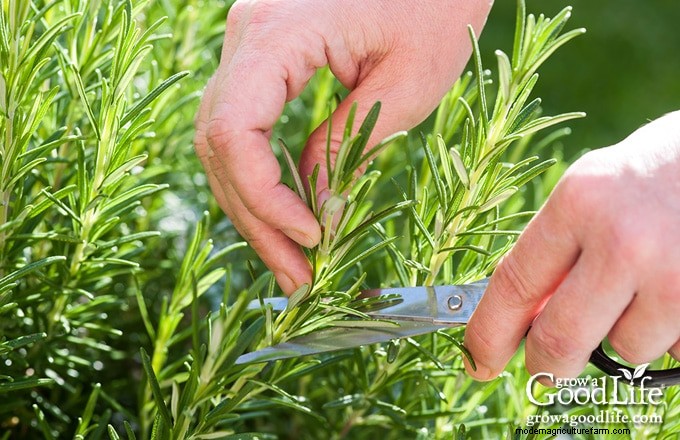
Harvest in spring or summer when the plant is actively growing. Younger shoots have the most intense flavor. Follow these steps:
Fresh rosemary can be stored in the refrigerator for up to a week. For long‑term use, dry the stems by hanging upside down in a cool, well‑ventilated area for about two weeks, or use a dehydrator at 95 °F for 8–12 hours. Store dried leaves in an airtight container; use within 1–2 years for maximum flavor.