Welcome to Modern Agriculture!

Green onions, or scallions, are a beloved culinary herb known for their mild, sweet flavor and versatile use as a garnish, flavor enhancer, or ingredient in countless dishes. Their rapid growth, minimal maintenance, and year‑round availability make them a favorite for home gardeners and professional chefs alike. This guide provides the most reliable, experience‑based advice on cultivating green onions from seed to finished product.
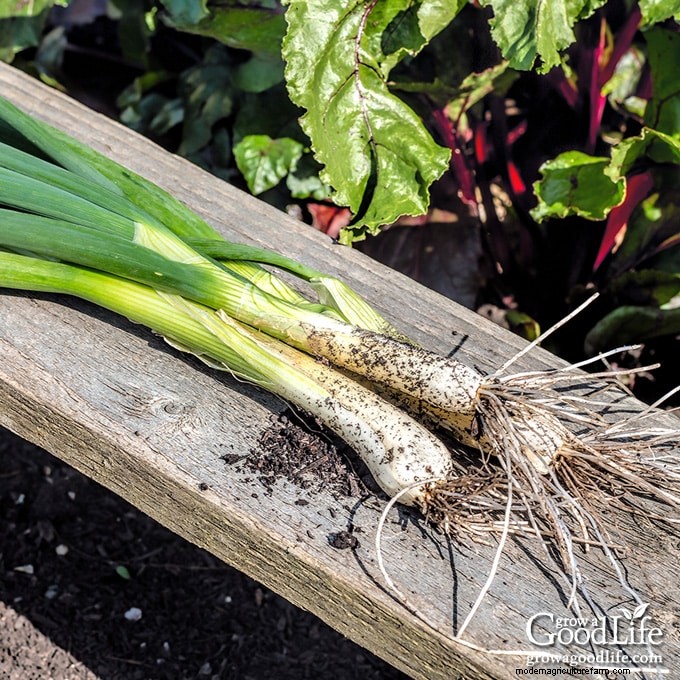
Green onions, also called Allium fistulosum, are an evergreen perennial crop native to Asia. Unlike typical onions, they lack a rounded bulb and instead develop a slender bulb with long, flavorful green leaves. The mild, sweet taste of green onions makes them ideal for raw salads, stir‑fries, soups, and as a colorful garnish.
Green onions mature quickly—between 50 and 60 days from seed to harvest—compared to the 100‑175 days required for standard bulb onions. They are not daylight sensitive, so seeds can be sown throughout the growing season. In USDA zones 6–9, green onions are perennial; the entire plant, including flowers, is edible.
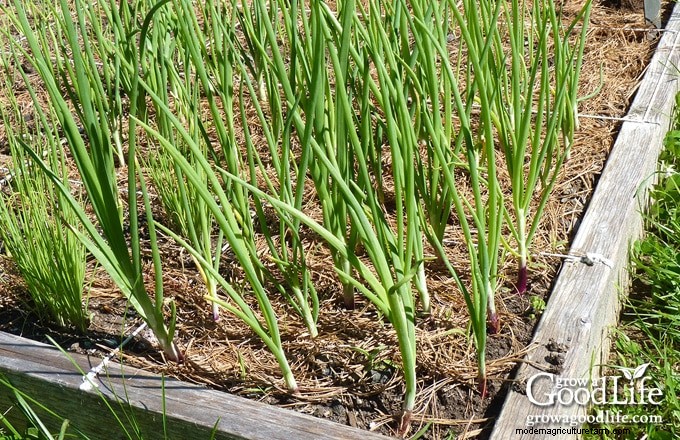
Green onions thrive as a cool‑season crop that tolerates sub‑freezing temperatures. Because they are not daylight sensitive, you can plant and harvest throughout the season. For the best results, sow in early spring after the last frost, or start indoors 8–10 weeks before the last frost date and transplant once the danger of heavy frost has passed.
Choose a location with at least 6 hours of full sun or partial shade for cooler climates. Avoid soil that has hosted alliums in the past 3 years to reduce disease risk. The ideal soil is rich, sandy loam with good drainage and a pH of 6.0–7.0. Enrich the bed with aged compost 6–8 inches deep.
Because onion seeds are short‑lived, plant them within a year of purchase. Sow 8–10 weeks before the last frost. Seeds are thin, so scatter them lightly on the soil surface and lightly press in. Keep the soil moist and germination takes 7–14 days.
Sow seeds ¼ inch deep, 2 inches apart, and rows 12–18 inches apart. For square‑foot gardens, plant 16 seeds per square foot. Water well and maintain moist soil until seedlings emerge.
Harden seedlings by exposing them to outdoor conditions for 5–7 days. Choose a cloudy, wind‑free day and transplant in the late afternoon or evening. Dig 2‑inch‑deep holes, place one seedling per hole, and gently firm the soil around it—avoid heavy tamping. Water thoroughly and keep soil consistently moist.
After the first season, dig up clumps, separate roots with a knife, and replant each division 4 inches apart. This method refreshes the crop and yields healthier plants.
To grow green onions from supermarket scraps, cut the tops leaving 1–2 inches of stem and root. Place in a jar of water, roots submerged, and keep in bright light. Replace water every few days with warm water. Roots will appear in about a week, and fresh greens will regrow from the stem.
These regrown onions can be harvested as needed, transplanted outdoors, or kept in the refrigerator for a few days.
Maintain consistent moisture. Check soil 1 inch deep; if the top inch feels dry, water well. Green onions have shallow roots and are more tolerant of drought than stressed, but proper watering reduces disease risk.
Apply organic mulch—pine needles, straw, grass clippings, or shredded leaves—around plants to retain moisture, moderate temperature, and suppress weeds.
Weed regularly, especially in the first few weeks, to prevent nutrient competition. Hand‑pull weeds when they are young; mulch can reduce weed growth.
Green onions are heavy feeders. Apply a balanced, nitrogen‑rich fertilizer during early growth or side‑dress with composted poultry manure. For organic options, use blood or feather meal.
In zones 6–9, mulch heavily over the bulbs after the ground freezes; the plants go dormant and re‑emerge in spring. In colder zones, plant onions in containers and protect them with frost cloth or move indoors.
When green onions bolt, they produce a white globe‑shaped flower that can set seed. Allow the flower to dry, collect seeds, and store for next season.
Green onions fit well in pots due to their shallow roots. Use a container at least 6 inches deep and holding 1–3 gallons of potting mix. Keep prop in a sunny spot and water regularly.
Harvest green onions when bulbs are white and roughly pencil‑thick. Cut the whole plant or trim tops; the plant will regrow. Harvesting can begin 30 days after transplanting or 60 days for a fuller bulb.
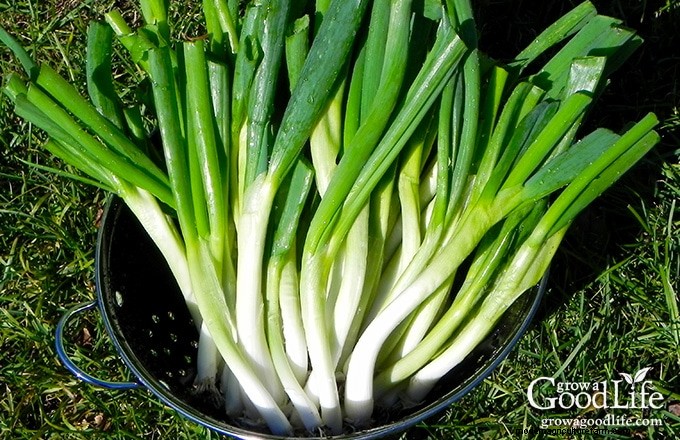
After washing, wrap stalks in a paper towel and place in a plastic bag in the refrigerator’s crisper drawer. Properly stored, green onions last about a week. For longer storage, chop and freeze in a bag; texture will soften when thawed. Dehydrate into powder for a concentrated flavor.
Green onions elevate any dish:
Use both greens and bulbs in recipes to keep flavor balanced.
With minimal effort, green onions provide a continuous, flavorful bounty that transforms everyday meals. Start planting this season and enjoy fresh scallions all year long.
Related Guides