Welcome to Modern Agriculture!

Garden weeds can act as subtle indicators of soil conditions—dryness, compaction, drainage, and bare ground. By reading these signals, you can shape a healthier garden bed.
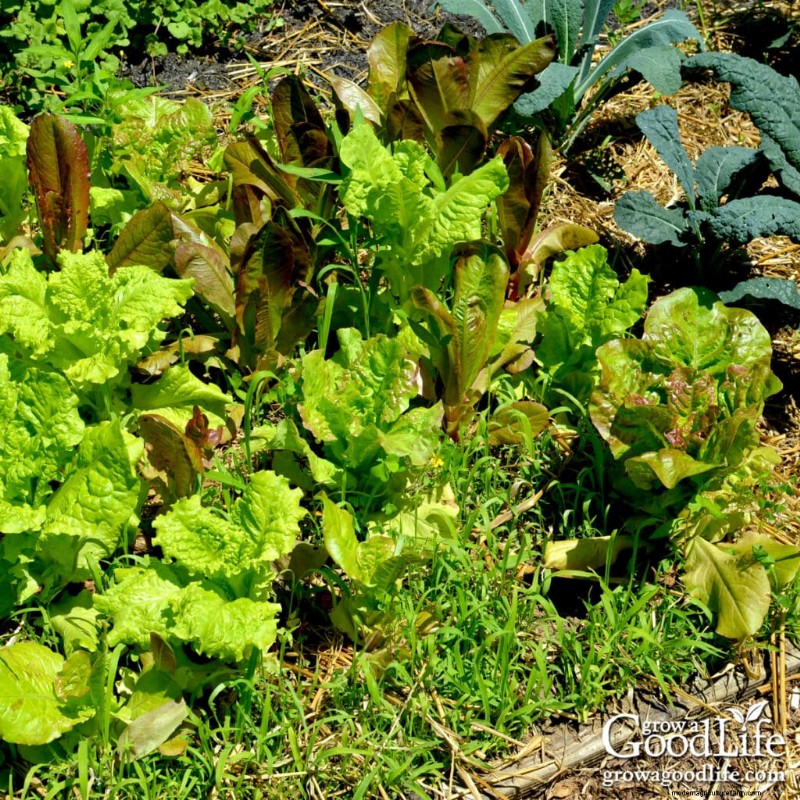
Weeds are a constant in gardening. No matter how carefully you prepare beds, mulch paths, or pull every sprout, weeds seem to reappear where you least expect them.
Often they’re viewed simply as a chore: they compete for water and nutrients, and if left to flower they can quickly dominate the landscape.
But weeds can also provide valuable clues.
The species that emerge, their locations, and how their presence changes over time can point to underlying soil issues such as dryness, compaction, poor drainage, bare ground, or a need for more organic matter.
Weeds are not a diagnostic tool and cannot replace a soil test, yet learning to observe them gives you a clearer picture of your garden’s health and informs better long‑term decisions.
When I purchased my home, I was thrilled to inherit a modest vegetable plot. Drawing on family tradition, I tilled the beds, hoed the soil into long rows, and planted my first season’s crops.
I skipped compost, mulch, raised beds, and permanent paths, and relied on an overhead sprinkler that moved back and forth across the garden.
Early on I was diligent about weeding, but weeds soon took the lead. They crowded out the vegetable plants, making it hard to spot crops among the grass and weeds.
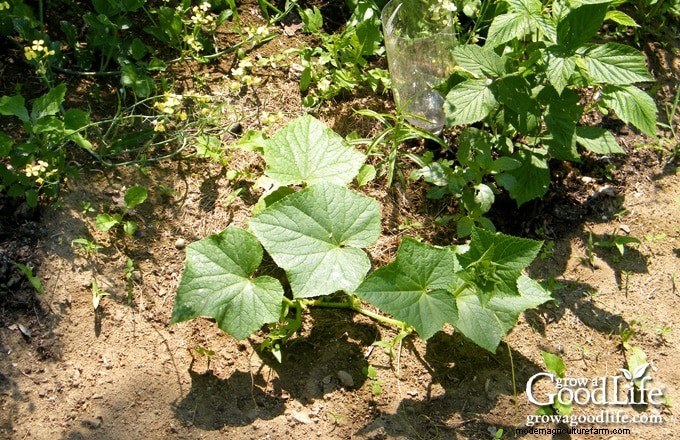
My initial beds were long rows on bare sandy soil, littered with weeds that competed with the vegetables. The experience highlighted how weed pressure is often tied to soil management practices.
Despite the challenges, the garden still yielded tomatoes, beans, peppers, zucchini, cucumbers, and pumpkins—enough to make the work feel worthwhile. Yet I knew I needed a new approach.
The soil was dry and sandy, draining quickly and failing to retain moisture. The surface crusted over, and water ran off rather than soaking in. The garden was saturated with weeds, many of which went to seed, and maintaining long rows became untenable.
This taught me to transition to a low‑maintenance layout: defined beds, mulch, and systems that are easier to manage. I came to realize that the weeds were signaling a deeper issue with soil and garden management, not merely a weed problem.
All gardens harbor weeds. Weed seeds arrive via wind, water, or soil disturbance and can remain dormant for years until conditions favor sprouting.
Some weeds thrive in a wide range of conditions, while others prefer specific soil characteristics such as moisture, dryness, compaction, fertility, disturbance, or bare ground.
Thus, rather than diagnosing, view weeds as clues that hint at the soil’s state.
A single dandelion does not prove compaction, nor does a patch of purslane reveal the entire story. However, recurring weeds in the same spots over several years are worth investigating.
Ask yourself:
Answers can uncover patterns and guide decisions about adding organic matter, improving drainage, reducing disturbance, adding mulch, establishing permanent paths, or confirming soil pH and nutrients with a test.
Long‑term changes—adding compost, mulching, and keeping soil covered—naturally reduce weed pressure.
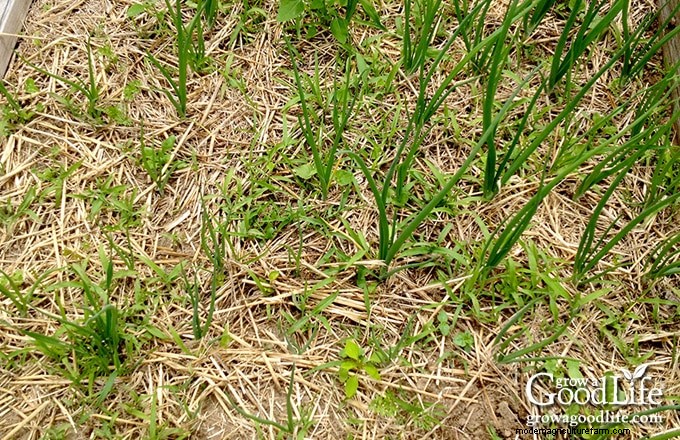
New or disturbed beds are particularly vulnerable to weeds. Whether converting a lawn, tilting an old plot, building raised beds, or introducing purchased soil, you create the open space that invites weed seeds to germinate.
Freshly turned soil exposes dormant weed seeds to light, while bare soil offers the space they need. Purchased topsoil, compost, hay, straw, manure, or garden mix may also contain weed seeds, especially if not fully composted.
This is normal; it simply means the garden is still settling.
When I added new square‑foot beds with fresh soil, the first year they were almost weed‑free. Meanwhile, older in‑ground beds continued to produce grass, purslane, lamb’s quarters, morning glory bindweed, ragweed, and creeping Charlie. Over time, adding compost, mulch, and altered practices improved the old beds.
The takeaway: New soil may start clean, but sustainable weed control comes from building soil, covering the surface, and preventing seed set.
Seeing weeds as clues helps you spot patterns. A single weed rarely tells the whole story, but repeated patches in the same location point to specific soil conditions worth exploring.
Dry, sandy soil drains quickly, struggles to hold moisture, and may crust on the surface. Water often runs off rather than soaking in, making shallow‑rooted crops struggle during heat waves.
Weeds that tolerate such conditions include purslane, ragweed, sheep sorrel, yarrow, and certain grasses.
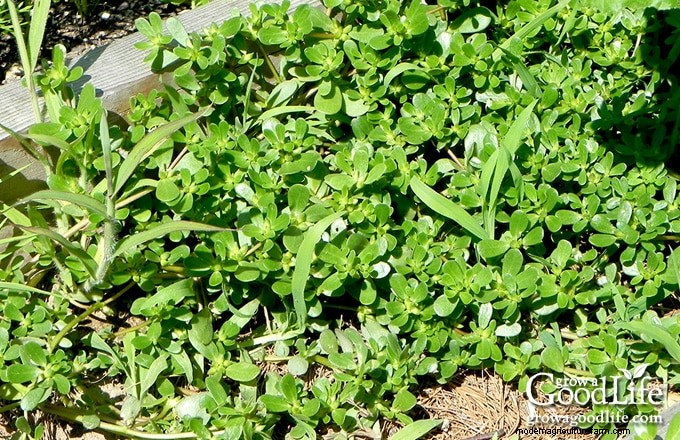
In my early garden, the soil dried fast, crusted, and I saw grass and ragweed thriving in dry spots and along edges. Purslane also appeared; while easy to pull, it is edible, so I often harvested it as a green‑leaf crop.
To combat dry soil, focus on adding organic matter and protecting the surface:
Organic matter acts like a sponge, supporting soil life and retaining moisture.
Compacted soil limits airflow and water, making roots struggle. Water may puddle or run off, and plants may suffer even if the surface looks fine.
Compaction often results from foot traffic, wet soil, repeated tilling, or equipment use along paths and bed edges.
Weeds such as plantain, dandelion, knotweed, chickweed, and some grasses frequently signal compacted soil.
My old beds had long rows and a grassy path down the middle; repeated walking and tilling worsened compaction. Switching to raised beds, square‑foot gardens, and permanent paths, combined with compost and mulch, gradually improved soil structure.
To reduce compaction:
Improvement takes time, but small, consistent changes pay off.
Wet‑soil weeds appear in low spots, heavy clay, shaded corners, or beds that receive too much water. Examples include horsetail, dock, yellow nutsedge, ground ivy, and speedwell.
Horsetail, a persistent weed I observed early on, often signals damp, acidic, or poorly drained soil.
When moisture‑loving weeds reappear year after year, assess how water moves in that area:
To improve such soil:
Weeds thrive in freshly disturbed ground. After tilling, hoeing, or leaving soil bare between crops, species like lamb’s quarters, pigweed, purslane, ragweed, and many annual grasses quickly take hold.
These weeds exploit open, available space, often sprouting faster than young crops can shade them.
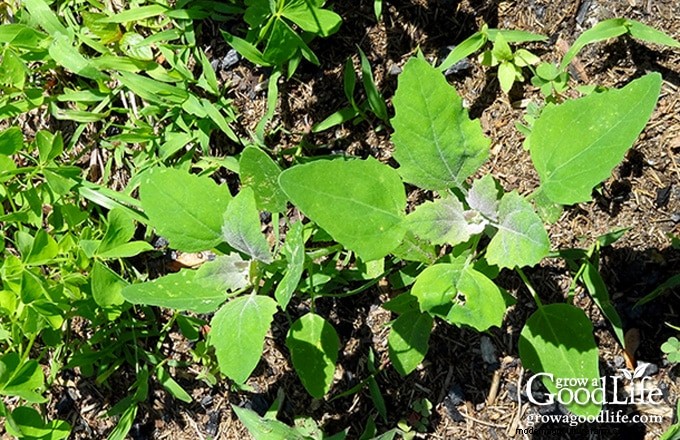
To reduce weeds in disturbed soil:
Covering bare soil with mulch, plants, or cover crops is the most effective defense against future weed problems.
Not every weed signals a problem. Some thrive in rich, fertile soil, such as lamb’s quarters, purslane, chickweed, pigweed, wild violets, and purple deadnettle.
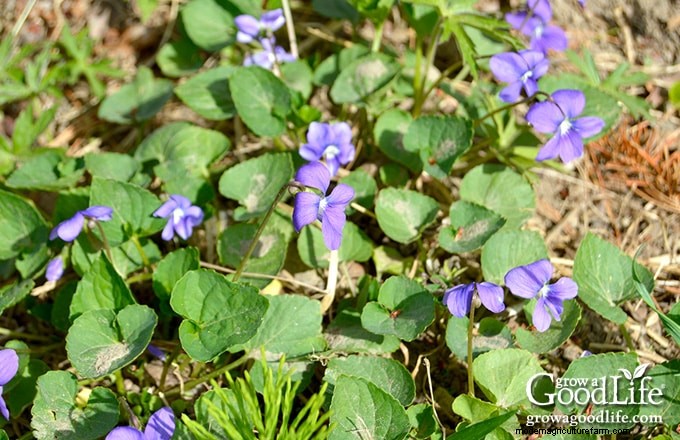
Healthy soils can support both crops and beneficial weeds. The key is ensuring crops outcompete them.
Strategies include mulch, tight spacing, succession planting, and light weeding to keep weeds from interfering.
I allow some weeds, like purslane and wild violets, to grow if they are not competing. In contrast, I remove aggressively spreading species promptly.
Some weeds spread by roots, rhizomes, stolons, or long‑lived seeds, making them difficult to eradicate even as soil improves.
Morning glory bindweed and creeping Charlie, for example, can infiltrate mulched areas and persist. Quackgrass is another resilient species that resists removal.
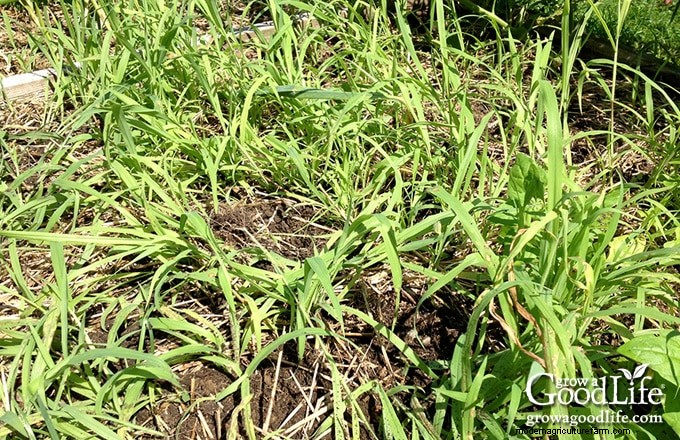
Managing these weeds requires:
While soil building enhances overall health, it does not instantly eliminate these tough species.
Incorporating outside materials—soil, compost, hay, straw, manure, or cover crops—can boost soil but may also introduce new weeds if not managed carefully.
Hay mulch sometimes carried grass seeds; bulk soil occasionally introduced new weed seeds; cover crops that weren’t terminated before seeding added more weeds.
These experiences underscore the importance of sourcing quality materials and applying them thoughtfully.
Tips:
Observing changes after adding new materials helps refine future choices.
You don’t need to identify every weed perfectly; focus on patterns:
This observational skill is one of the most powerful tools a gardener can develop.
Weeds will always be part of gardening, but healthy soil and sound management reduce their pressure.
Over time, I saw fewer weeds after adding compost, mulching, and establishing permanent paths. Covering the soil and limiting seed set dramatically lowered weed numbers.
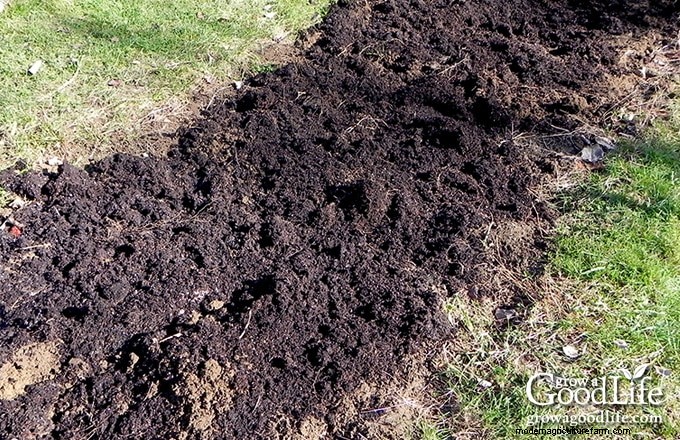
Realistic goals focus on covered soil, healthy crops, and proactive weed management—not a perfectly weed‑free garden, which is rarely attainable and can turn gardening into a constant battle.
Effective soil‑building practices include:
When the focus shifts to building soil, weed control becomes part of a larger, self‑sustaining system.
Some weeds require swift removal, especially when they compete with young seedlings or spread aggressively.
Pull weeds right away if:
Small weeds are easier to manage; a few minutes of prop‑propagation weed control can prevent hours of work later.
I remain vigilant not to let weeds self‑propagate, which keeps long‑term weed pressure lower.
Weeds can be frustrating, especially when starting a garden or improving tired soil. Yet they also teach us valuable lessons.
In my first garden, I resisted weeds, but learning to read their clues taught me where the soil was dry, where grass invades, where the ground was bare, and how my gardening methods needed change.
Weeds are clues—not a definitive diagnosis—and must not replace a compulsory soil test. Still, paying attention to them propels us toward better garden decisions.
Each season of composting, mulching, reducing disturbance, and keeping soil covered builds a healthier, more productive garden. Weeds may never vanish completely, but as the soil improves and the garden becomes easier to manage, they become less overwhelming.
Before pulling the next weed, take a moment to notice its location and the hidden conditions beneath. Your garden may already be telling you where to focus next.