Welcome to Modern Agriculture!


Glen Chandler brings over 15 years of hands‑on experience in garden maintenance, design, and landscaping. When I’m not turning a client’s yard into a living work of art, I’m writing practical guides for fellow gardeners.
Soil pH is the “acid‑or‑base” status of your soil and determines whether nutrients, minerals, and other essential elements are available for plant growth. Knowing whether your soil is acidic or alkaline helps you choose the right plants and adjust conditions to keep your garden healthy.
My garden’s soil pH is identified by simple DIY tests—like a baking‑soda “splash” method—or by a ready‑made testing kit.
pH values range from 0 to 14. A 0–1 rating is extremely acidic, 7 is neutral, and 13–14 is highly alkaline. The scale is logarithmic, so each unit change represents a tenfold shift in hydrogen‑ion concentration.
When the soil is too acidic or too alkaline, essential nutrients become “knock‑on” sites that the plant can’t use, leading to stunted growth, poor flavor, and reduced yields.
Too‑high or too‑low pH can cause aluminum or manganese toxicity, interfere with nutrient uptake, and damage your plants.
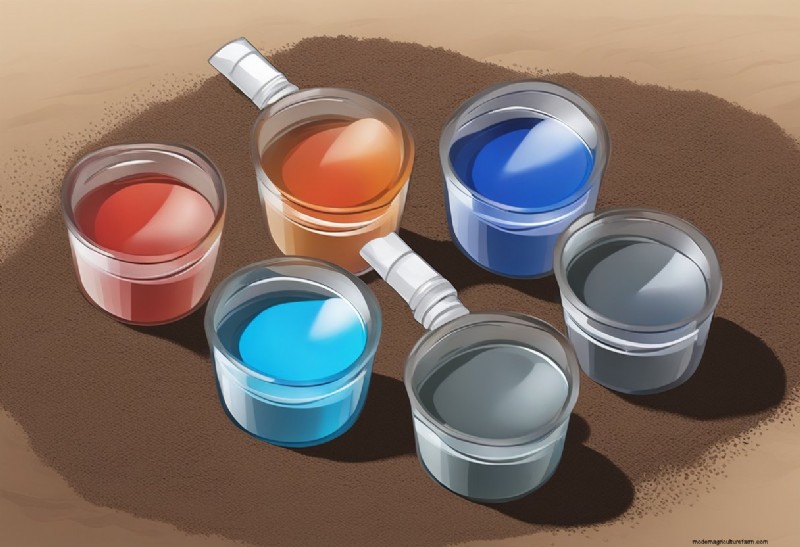
Fill‑in kits mix soil with a reactive solution and a color chart to indicate the pH.
Insert the probe into the soil and read the digital value for precise measurement.
Send a sample to a lab for a detailed report on pH and nutrient levels.
Neutral pH = 7.0. Values below 7.0 are acidic; above 7.0 are alkaline.
Always apply amendments as a “fix‑first, test‑after” process to avoid over‑correction.
I match plant selection to soil pH. Acid‑loving plants (e.g., azaleas, rhododendrons) thrive at pH <7, while alkaline‑tolerant species like lavender flourish above 7.
Test soil at least once per season. If you find imbalance, adjust with lime or sulfur accordingly.
Use well‑decomposed compost or peat moss as a building block for future soil conditions.
Choose fertilizers that consider both nutrient content and their impact on soil pH.