
Welcome to Modern Agriculture!


Glen Chandler brings more than 15 years of hands‑on experience in garden design, maintenance, and landscaping. When he’s not shaping outdoor spaces, he writes practical guides for homeowners and gardening enthusiasts.
In every garden, squirrels are a visible reminder of the living ecosystem. A common question is whether they target hydrangeas. My observations and peer‑reviewed research confirm that squirrels do indeed eat hydrangeas—especially when food is scarce, they will consume the young, unbroken parts of the plant.
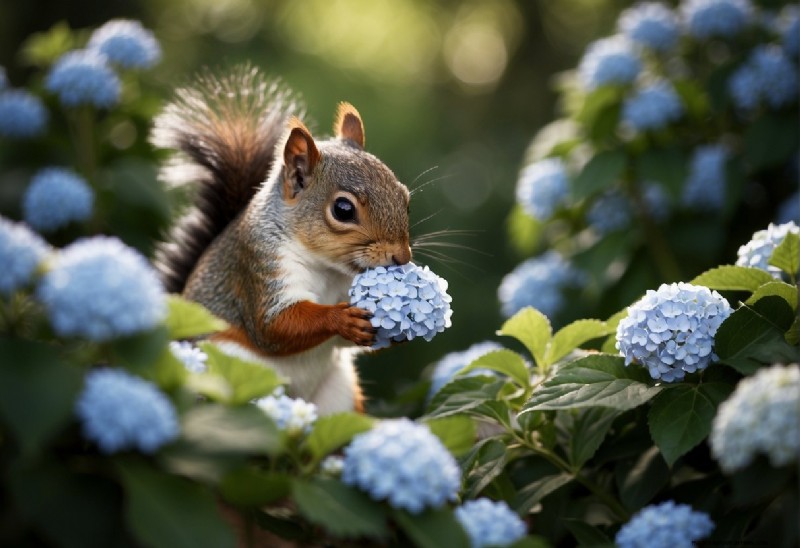
Hydrangeas are prized for their vibrant flowers and are a favorite of many wildlife species. While they provide beauty, they can also serve as a food source for squirrels, especially when other options are limited. Understanding this “eating‑in‑action” is key to balancing garden aesthetics with local wildlife needs.
Creating a garden that welcomes wildlife while protecting sensitive plants involves choosing the right companion plants and protective strategies.
🌱 Use Squirrel‑Deterring Plants: Certain species naturally repel squirrels. For example, daffodils and alliums are less palatable and can act as natural fences around vulnerable areas.
💚 Design a Separate “Squirrel Zone”: Plant sunflowers and tulips in a dedicated area to attract squirrels away from your hydrangeas.
🍓 Provide Diverse Food Sources: Offer a mix of fruits, vegetables, and nuts to satisfy the squirrels and other wildlife, reducing their need to feed on your hydrangeas.
| Animal | Preferred Food |
|---|---|
| Squirrels | Nuts, Seeds, Sunflower Heads |
| Chipmunks | Fruits, Berries, Nuts |
| Birds | Seeds, Berries, Nuts |
Incorporating water features and secure nesting sites enhances the garden’s appeal to wildlife, creating a thriving, balanced ecosystem.
💥 Quick Answer
Squirrels and other pests can damage hydrangeas. Below are proven natural deterrents and barriers to protect your plants.
Plants like lavender, marigold, and chives act as natural barriers against pests. For example, a sprinkle of cayenne pepper can deter squirrels, while chives repel rabbits.
For small pests, chicken wire around the base of the plant offers immediate protection. Deer require taller fences because of their jumping ability.
| Pest | Barrier Type | Height/Depth | Additional Notes |
|---|---|---|---|
| Rabbits | Chicken wire | 1–2 ft high, bent at the bottom | Bury the bent portion to prevent digging. |
| Deer | Fence | 8+ ft high | No gaps larger than 6×6 in. |
| Groundhogs | Chicken wire | 3 ft high, portion buried | Include an L‑footer below‑ground. |
Hydrangeas need vigilant care to prevent damage from insects, rodents, and other wildlife.
🐌 Common Insect Troubles – Aphids, mites, and snails can cause significant damage.
💚 Natural Solutions – Neem oil and other insecticidal preparations effectively neutralize these pests without harming beneficial insects.
Inspect leaves for damage, and use copper tape or diatomaceous earth as barriers against snails and slugs.
Properly managed hydrangeas thrive by receiving adequate water, sunlight, and nutrients. Use balanced fertilizer to re‑establish nutrient levels each spring and early summer.
Mandating well‑draining, pH‑balanced soils propels mandel mandel. Propagation must not prop.
💥 Quick Answer
Notwithstanding the aesthetic value of hydrangeas, squirrels often chew on them, mandating protective measures.
In my garden, squirrels readily consume a variety of foods: nuts, seeds, fruits, insects, and impermanent vegetation.
💥 Typical Squirrel Diet
During spring and early summer, these animals target hydrangeas, a phenomenon known as “eating‑in‑action.” This behavior can inadvertently damage plant structure.
Choosing plants that naturally resist squirrels can reduce damage.
| Plant Type | Level of Squirrel Resistance |
|---|---|
| Hostas | Medium |
| Hibiscus | Medium to High |
| Forsythia | High |
By combining deterrent plants with targeted protective measures, I’ve achieved a harmonious garden that accommodates wildlife without compromising plant integrity.

![Amaryllis Care: Growing Festive Blooms at Home | [Your Brand]](https://modernagriculturefarm.com/article/uploadfiles/202203/2022031509374032_S.jpg)
