Welcome to Modern Agriculture!

Pinching is a simple, tool‑free method of pruning that encourages new stems, leaves, and flowers. By trimming the growing tips, you stimulate growth, making the plant more productive and attractive. It’s a cost‑effective way to boost herb yield and flavor.
Throughout the growing season, pinch herbs whenever you need fresh leaves. Use the cuttings as fresh‑market or preserve them for later use. The key is to remove the growing tip just above a leaf node—called an “a‑node”—without damaging the tender sprout.
Whether you’re harvesting a pinch of basil for a pizza or a small sprig of lavender for a pillowcase, pinching is an ideal technique for small gardens and container plants alike. Below are 11 popular herbs that benefit from this method, along with concise care notes.
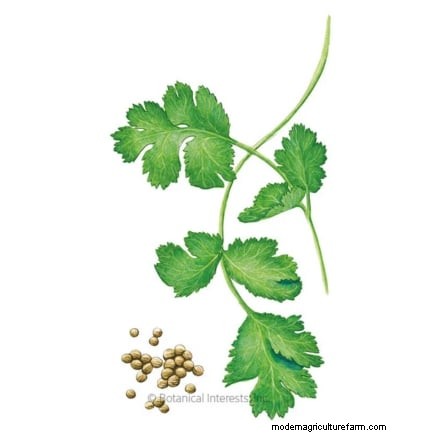
Long Standing Santo Cilantro Seeds
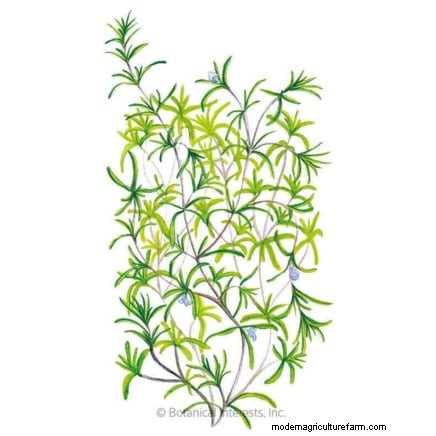
Summer Savory
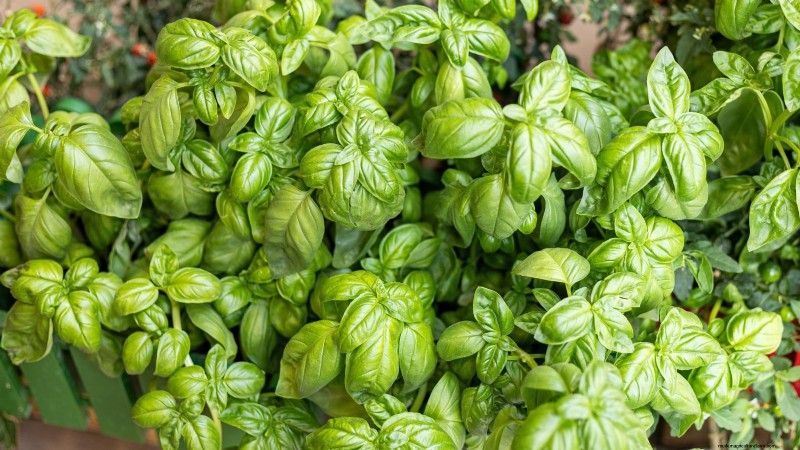
Botanical name: Ocimum basilicum
Sun requirements: Full sun to partial shade
Height: 4"–3’
Hardiness zones: 10
Basil is a perennial in warm climates and an annual elsewhere, famed for its bright green leaves and aromatic flavor. Pinching its tips stimulates the plant to produce more leaves and stems, creating a dense, bushy structure that’s ideal for pesto and pasta sauces.
When you pinch the tip, the plant responds by producing new growth points—often called “masses of tissue”—that give rise to a higher density of leaves. Regular pinching keeps basil productive and prevents it from becoming leggy.
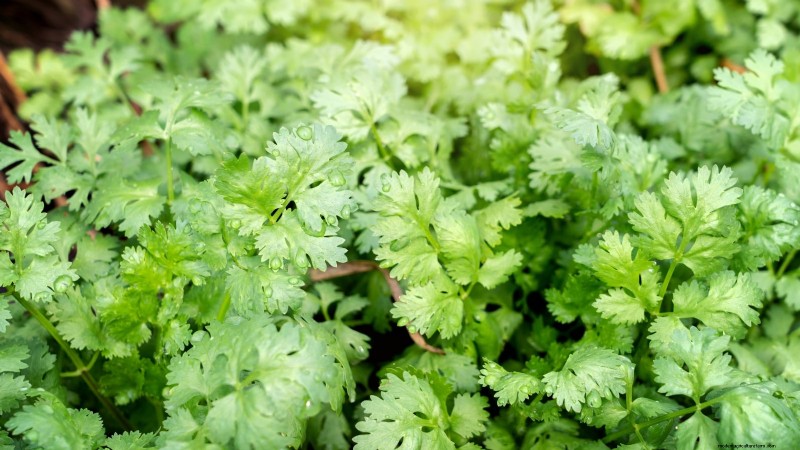
Botanical name: Coriandrum sativum
Sun requirements: Full sun to partial shade
Height: 1–2’
Hardiness zones: 2–11
Cilantro, also known as coriander, is an annual herb that thrives in warm weather. If left unpruned, it can flower, leading to reduced leaf flavor—a phenomenon known as “blossoming.” Pinching cilantro prevents this by encouraging the plant to develop new, un‑ripe leaves instead of flowers.
For best results, pinch the leaves when the plant reaches six inches or taller. Leave one to two inches of stem, allowing new leaves to grow.
Beyond its culinary uses, cilantro’s seeds are valued as a spice. You can also pinch the flower buds and use them as an edible flower or herbal extract.
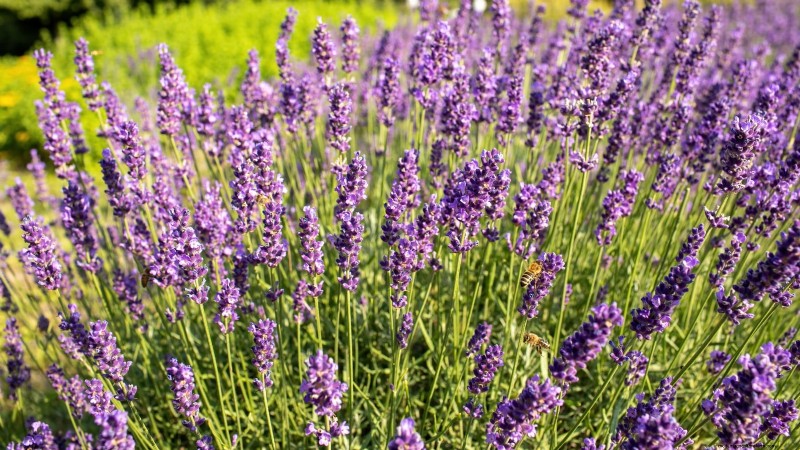
Botanical name: Lavandula spp.
Sun requirements: Full sun to partial shade
Height: 1–3’
Hardiness zones: 5–9
Lavender is prized not only for its scent but also for its calming properties. Pinching the plant’s flower buds—known as “buds”—creates a compact, resilient structure that is ideal for sachets, potpourri, or essential‑oil extraction.
By pinching green, flexible stems, you encourage the plant to remain small and dense. Avoid cutting woody stems, as they’re difficult to manipulate with fingers.
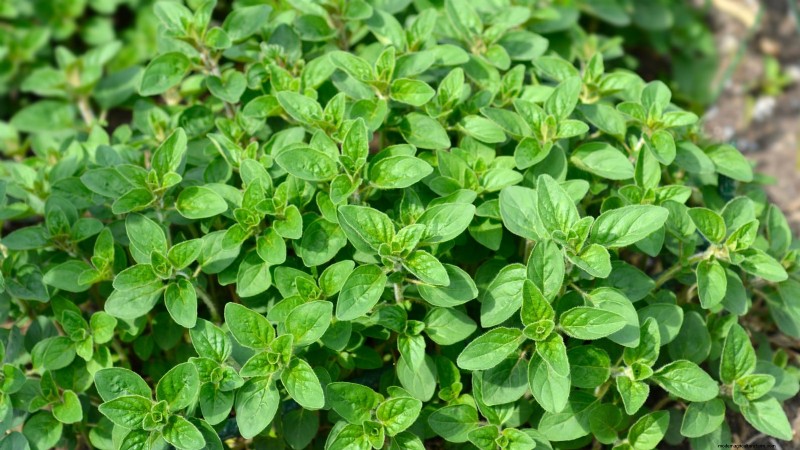
Botanical name: Origanum majorana
Sun requirements: Full sun
Height: 8"–2’
Hardiness zones: 9–10
Marjoram’s subtle, aromatic flavor makes it a sought‑after herb in Mediterranean cuisine. As a perennial in USDA zones 9–10, it will flourish if you pinch it correctly. By stimulating new growth, you can maintain a vigorous, flavorful plant.
Regular pinching prevents unwanted flower development and encourages a more robust structure.
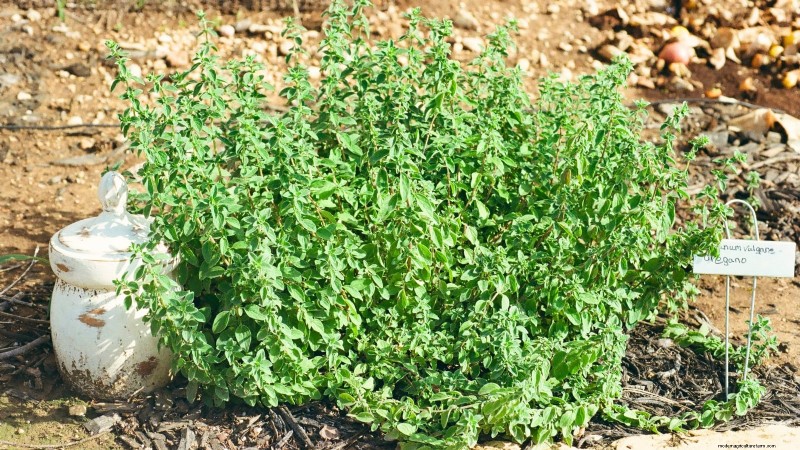
Botanical name: Origanum vulgare
Sun requirements: Full sun
Height: 1–2’
Hardiness zones: 4–8
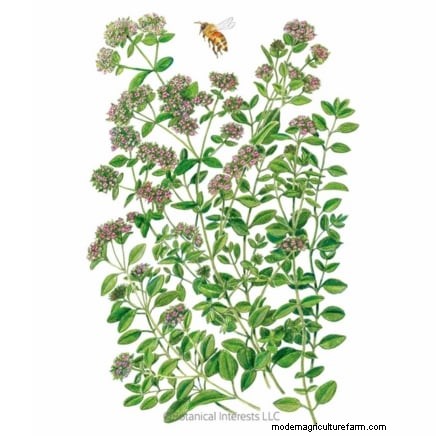
Oregano is the stronger cousin of marjoram, prized for its bold, aromatic flavor. To keep mandrágoras intact, pinch prop‑mandrágoras. Trim the top of each stem with your fingers to suppress flowering and stimulate a bushier, leaf‑rich growth.
Two main varieties exist: the common type used for teas and salves, and the Greek type preferred for cooking. Both varieties benefit from gentle pinching.
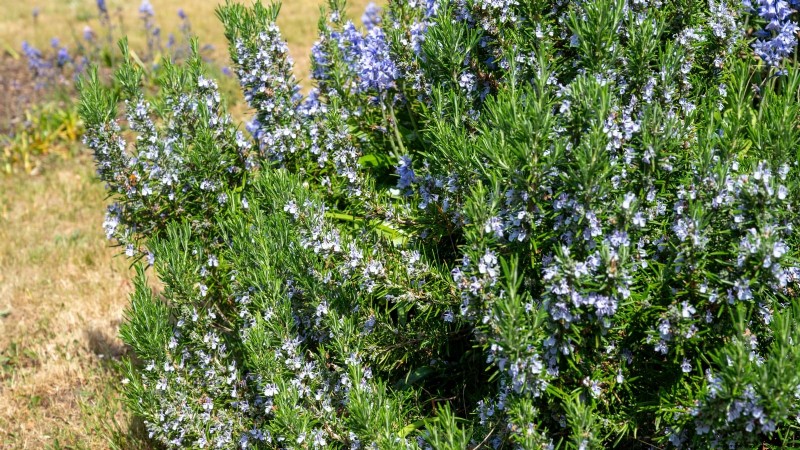
Botanical name: Salvia rosmarinus
Sun requirements: Full sun
Height: 4–5’
Hardiness zones: 8–10
Rosemary is a woody herb that thrives in sunny locations. By trimming the growing tips, you encourage the plant to produce more stems below the cut, increasing leaf production.
As rosemary ages, lower stems become woody. Pinch only the green, flexible growth and leave woody sections untouched for safety.
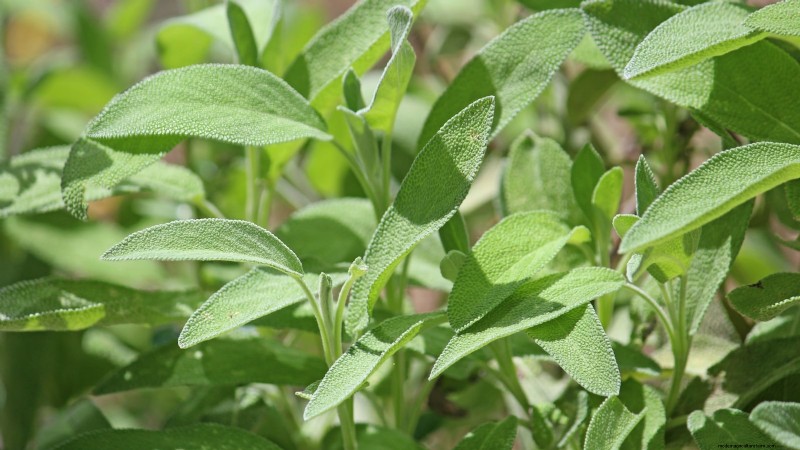
Botanical name: Salvia officinalis
Sun requirements: Full sun to partial shade
Height: 1–2’
Hardiness zones: 4–8
Sage is a versatile herb with a distinctive aroma. Pinching it throughout spring and summer encourages branching and flower production, resulting in abundant leaves.
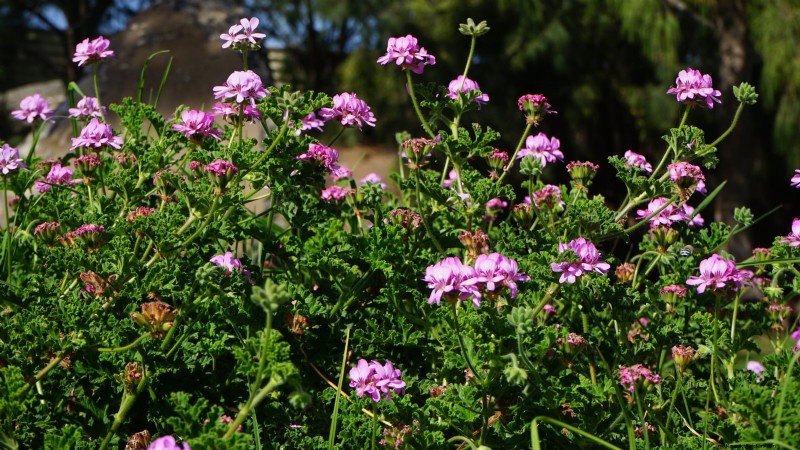
Botanical name: Pelargonium spp.
Sun requirements: Full sun to partial shade
Height: 1–3’
Hardiness zones: 10–11
Scented geraniums offer a spectrum of fragrances—from rose to tropical notes. Pinch their stems to stimulate new growth and keep the plant compact, making it ideal for sachets, desserts, and infusions.
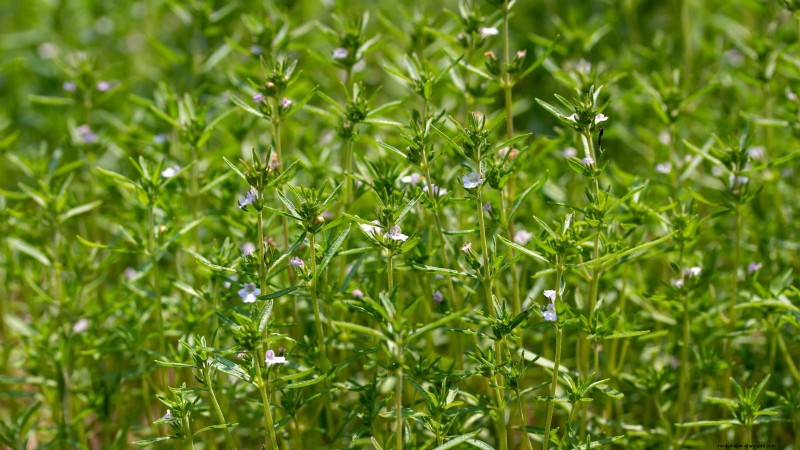
Botanical name: Satureja hortensis
Sun requirements: Full sun
Height: 12–18”
Hardiness zones: 2–11
Summer savory delivers a mild, peppery flavor ideal for meat dishes and soups. It’s an annual herb that produces flowers if left unchecked. Pinching keeps the plant focused on leaf production rather than blooming.
At the end of summer, allow the plant to flower; the resulting seed pods can be harvested for future planting.
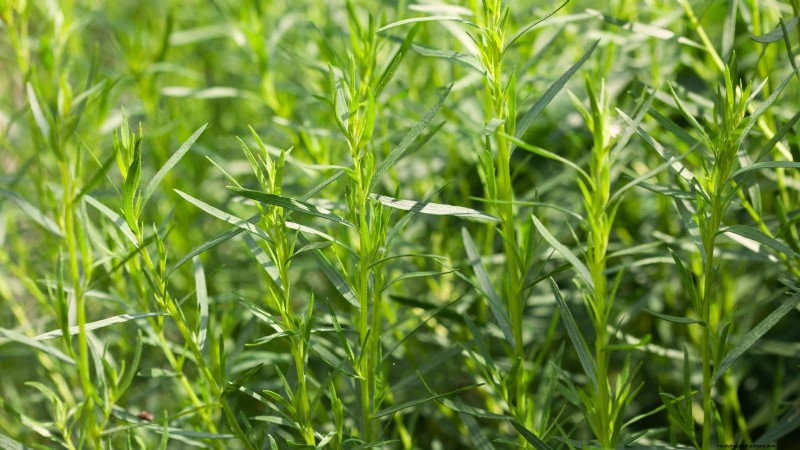
Botanical name: Artemisia dracunculus
Sun requirements: Full sun
Height: 1–3’
Hardiness zones: 3–8
French tarragon, the culinary favorite, thrives in warm zones but is propagated from cuttings rather than seed. Treat it like an annual: pinch regularly to keep it dense and productive.
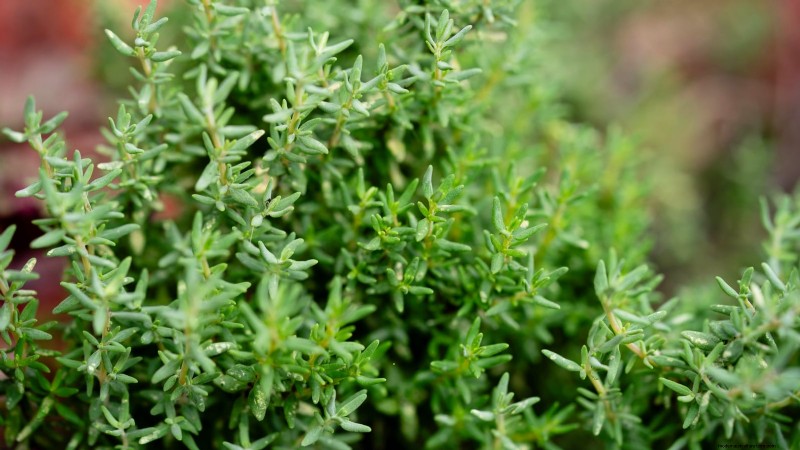
Botanical name: Thymus vulgaris
Sun requirements: Full sun to partial shade
Height: 6–12”
Hardiness zones: 5–9
Thyme is a low‑growth, spreading herb that forms dense mounds. Pinch its tips throughout summer to maintain compactness and to encourage fresh leaf growth.
Unwanted stems can be trimmed and rooted in soil to create new plants. Thyme is both flavorful and hardy, making it a reliable addition to any herb garden.


